Plastic Ball Spring Plunger
Plastic Ball Spring Plungers: Lightweight Precision for Modern Applications
Introduction to Plastic Ball Spring Plungers
Plastic ball spring plungers are an increasingly popular fastening and positioning solution in industries where weight, corrosion resistance, and non-magnetic properties are vital. These small but crucial components deliver reliable force and positioning in applications ranging from consumer electronics to medical devices and aerospace systems. Their plastic construction, combined with a stainless steel or polymer spring and a precision-molded ball, allows them to perform under demanding yet delicate conditions.
In this article, we will explore the features, advantages, material options, applications, technical considerations, and installation tips for plastic ball spring plungers. Whether you’re an engineer looking for non-metallic fasteners or a designer optimizing for weight reduction, plastic ball spring plungers offer versatile and cost-effective solutions.
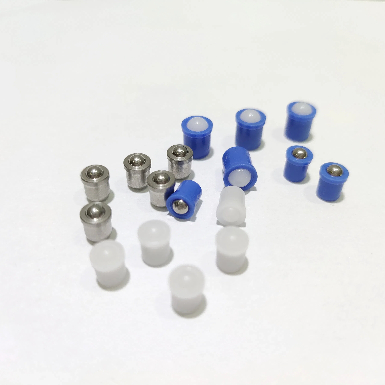
What Is a Plastic Ball Spring Plunger?
A plastic ball spring plunger is a type of spring-loaded device used for indexing, locating, and securing components. It consists of three main parts:
-
Plastic Housing: A molded body made from materials like POM (polyoxymethylene), nylon, or other engineering plastics.
-
Ball Element: Usually made of plastic (e.g., acetal or nylon) or stainless steel, which provides the contact point for positioning.
-
Internal Spring: Typically stainless steel or polymer-based, providing the force to push the ball outward.
The design allows for repeated engagement and disengagement, making it ideal for adjustable or removable assemblies.
Key Features of Plastic Ball Spring Plungers
Plastic ball spring plungers offer several distinguishing characteristics:
-
Non-Magnetic: Ideal for sensitive electronic or magnetic field environments.
-
Corrosion Resistant: Plastic and stainless steel materials resist moisture and chemicals.
-
Lightweight: Significant weight savings over metal plungers, perfect for aerospace and portable devices.
-
Low Friction: Smooth operation in delicate equipment or sliding applications.
-
Noise Reduction: Less operational noise compared to metallic plungers.
-
Affordable: Cost-effective for high-volume production.
These features make them an attractive choice for applications where traditional metal plungers are unsuitable or over-engineered.
Common Materials Used
The choice of material directly influences the performance and suitability of the plastic ball spring plunger for a specific application:
Plastic Housing Materials
-
POM (Acetal/Delrin): High stiffness, low friction, and good dimensional stability.
-
Nylon: Flexible, durable, and resistant to wear and fatigue.
-
PEEK (for high-performance types): High heat resistance and chemical durability.
Ball Materials
-
Acetal Ball: Offers quiet, smooth performance with good load-bearing ability.
-
Nylon Ball: Used for applications requiring gentle contact or where scratching must be avoided.
-
Stainless Steel Ball: Offers a compromise between plastic and metal performance where slightly higher force or wear resistance is needed.
Spring Materials
-
Stainless Steel: Common and corrosion-resistant, used in most general-purpose applications.
-
Plastic or Composite Springs: Used in fully non-metallic assemblies.
Design Variants and Styles
Plastic ball spring plungers are available in several designs and installation formats:
-
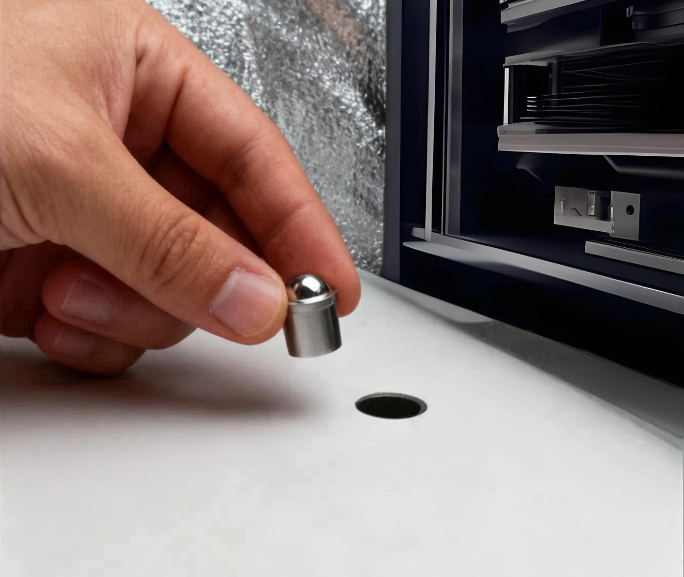
Press-Fit Type: Designed to be pushed into a hole without threading.
-
Threaded Type: Standard metric or imperial threads allow for adjustable depth and secure installation.
-
Slotted Head or Hex Socket: For easy installation with tools.
-
With or Without Locking Elements: Some include O-rings or snap-fit features to secure the plunger in position.
These variations ensure compatibility with different mounting methods, panel thicknesses, and operational environments.
Applications of Plastic Ball Spring Plungers
Plastic ball spring plungers serve in a variety of industries due to their unique balance of precision, weight savings, and corrosion resistance.
1. Medical Devices
Plastic plungers are ideal for medical and laboratory equipment because they offer clean, non-contaminating, and chemically resistant features.
2. Electronics and Consumer Devices
Used in circuit board assemblies and enclosures for tactile feedback or removable component locking without interfering with sensitive electronics.
3. Aerospace and Defense
Plungers reduce weight in aircraft seating, panels, and modular equipment. Their non-magnetic properties are also beneficial in radar or communication systems.
4. Automotive Interiors
Plastic plungers are used in dashboard components, storage compartments, and seating mechanisms, where smooth, silent, and lightweight function is needed.
5. Industrial Machinery
In non-critical load-bearing assemblies, such as plastic housings or adjustable machine guards, they provide consistent positioning and retention.
Advantages Over Metal Spring Plungers
While metal spring plungers dominate heavy-duty environments, plastic ball spring plungers excel in several key areas:
-
Weight Reduction: Crucial in aerospace and portable electronics.
-
Non-Marring Contact: Protects sensitive or polished surfaces.
-
Lower Manufacturing Cost: Molded components are cheaper to produce in large volumes.
-
Electrical Insulation: No conductivity makes them suitable for electrical isolation applications.
-
Chemical Resistance: Resistant to many industrial cleaners and solvents.
These benefits make plastic plungers ideal for medium- to light-duty applications where environmental or performance requirements rule out metals.
Technical Considerations When Choosing a Plunger
When selecting the right plunger, consider the following factors:
1. Load and Force Requirements
The spring force must suit the application. Too strong a spring may cause damage or excessive wear; too weak may result in poor retention.
2. Installation Method
Threaded plungers offer adjustability, while press-fit options are better for quick assembly.
3. Operating Environment
Temperature extremes, exposure to chemicals, or moisture can affect material performance. PEEK or other high-performance plastics are best for such conditions.
4. Surface Compatibility
Ensure the ball material will not damage or deform the mating surface.
5. Space Constraints
Miniature plungers are available for compact electronics or intricate mechanisms.
Standard Sizes and Specifications
Plastic ball spring plungers come in standard metric and inch sizes. Here's a general example of available options:
| Thread Size | Overall Length (mm) | Ball Diameter (mm) | Spring Force (N) | Housing Material |
|---|---|---|---|---|
| M3 x 0.5 | 10 – 20 | 1.5 | 0.5 – 1.0 | Nylon or POM |
| M5 x 0.8 | 12 – 25 | 2.0 | 1.0 – 2.0 | Nylon or POM |
| M6 x 1.0 | 15 – 30 | 2.5 | 1.5 – 3.0 | POM or PEEK |
| M8 x 1.25 | 20 – 40 | 3.0 | 2.5 – 5.0 | POM or PEEK |
Always consult with the manufacturer for exact technical drawings and spring force ratings, especially when used in precision assemblies.
Installation Guidelines
Installing plastic ball spring plungers is straightforward, but attention to detail ensures reliable performance:
1. Surface Preparation
Ensure mounting holes are clean and free of debris to avoid misalignment or improper seating.
2. Installation Tools
Use finger-tightening for small press-fit types. For threaded types, use appropriate torque levels to avoid stripping plastic threads.
3. Avoid Overloading
Ensure the plunger is not subject to excessive lateral loads or forces that exceed its spring and housing capacity.
4. Replacement and Maintenance
Inspect regularly in high-cycling environments. Plastic plungers are durable, but may require replacement after extensive use.
Customization Options
For unique projects or branding purposes, manufacturers can offer customizations such as:
-
Custom Colors: For coding or visual identification.
-
Engraved Part Numbers or Logos.
-
Non-Standard Sizes: Tailored to specific designs.
-
Special Ball Materials: Such as glass-filled nylon or PTFE-coated balls for unique friction profiles.
Customized plungers allow OEMs and engineers to maintain consistency and performance across proprietary systems.
Future Innovations in Plastic Fastening Components
As materials science advances, the capabilities of plastic components continue to grow. Emerging trends include:
-
Composite Springs: Replacing metal springs with high-performance polymers for fully non-metallic solutions.
-
Bio-Based Plastics: Environmentally friendly materials with industrial performance.
-
Self-Lubricating Designs: Using PTFE or silicone blends to enhance longevity and reduce wear.
-
Smart Fasteners: Integration with sensors to monitor load, position, or wear.
These innovations point toward a future where plastic fasteners match or even exceed the performance of traditional metal parts in many applications.
Upgrade your projects with plastic ball spring plungers, offering smooth and precise positioning for industrial, automotive, and DIY applications. Durable, reliable, and easy to install—perfect for efficient operations.
Plastic ball spring plungers offer a compelling combination of versatility, cost-effectiveness, and technical performance. Their lightweight nature, corrosion resistance, and non-marring operation make them indispensable in modern industries ranging from electronics and aerospace to medical devices and consumer products.
By understanding their construction, material options, applications, and design considerations, engineers and product developers can make informed decisions to enhance the reliability and functionality of their systems.
As the demand for lightweight, smart, and sustainable components grows, plastic ball spring plungers will continue to play a crucial role in the future of fastening and positioning technologies.
Lock Ball
Pull Pin Spring