Plunger Knob
The Versatile Engineering of Plunger Knobs: Functionality, Applications, and Innovation
Introduction to Plunger Knobs
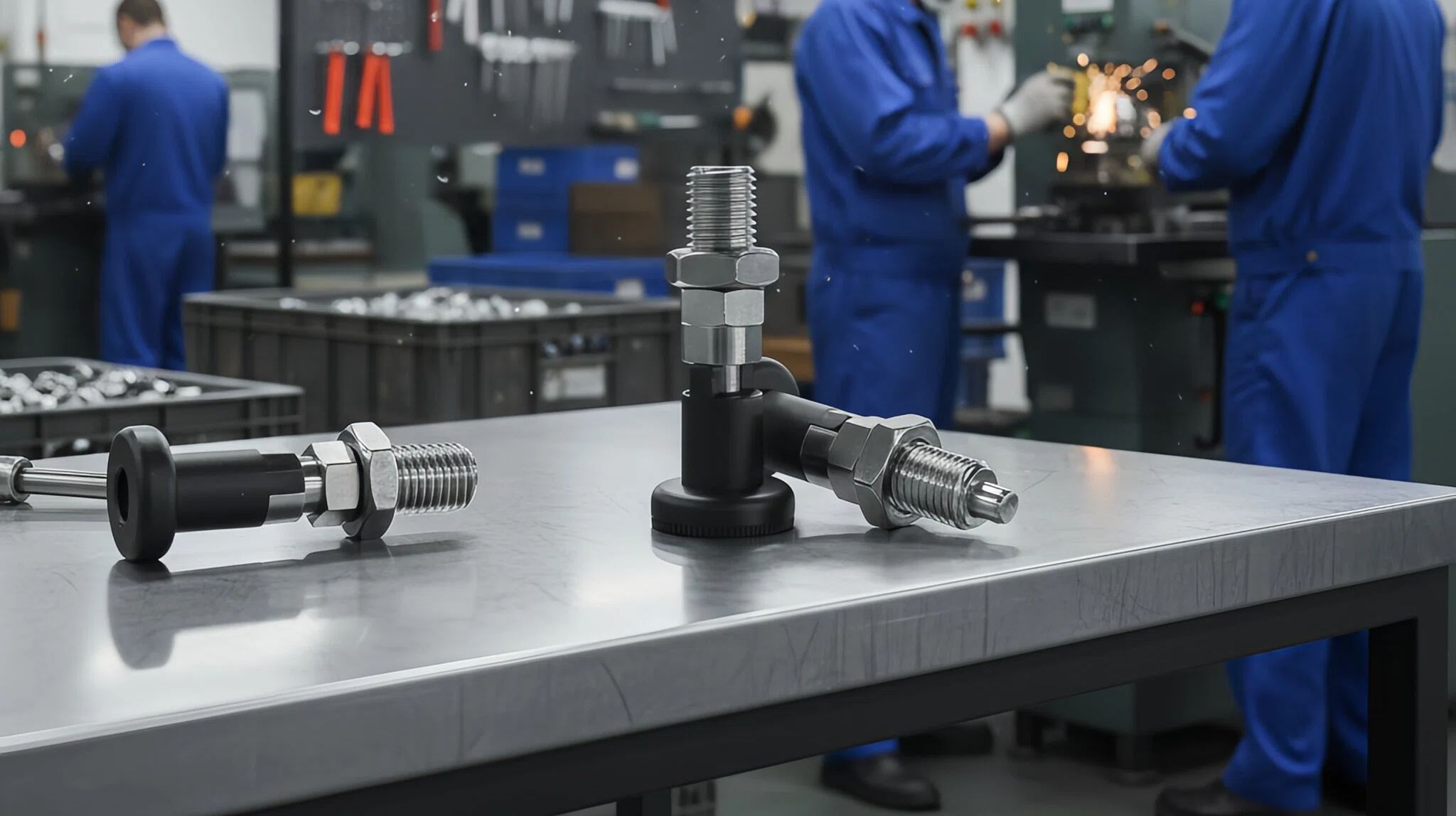
Plunger knobs are small yet powerful mechanical components widely used in machinery, manufacturing, electronics, and various industrial sectors. As a type of indexing or positioning device, plunger knobs allow for controlled movement and secure placement of moving parts. They often feature a spring-loaded plunger mechanism that engages or disengages with a mating hole or groove, allowing operators to lock or index components in place manually.
In this comprehensive article, we will explore the design principles, applications, material types, benefits, and global market trends of plunger knobs. The article also includes guidance on selecting the right model and a detailed overview of their place within broader mechanical assemblies.
Understanding the Design and Mechanics
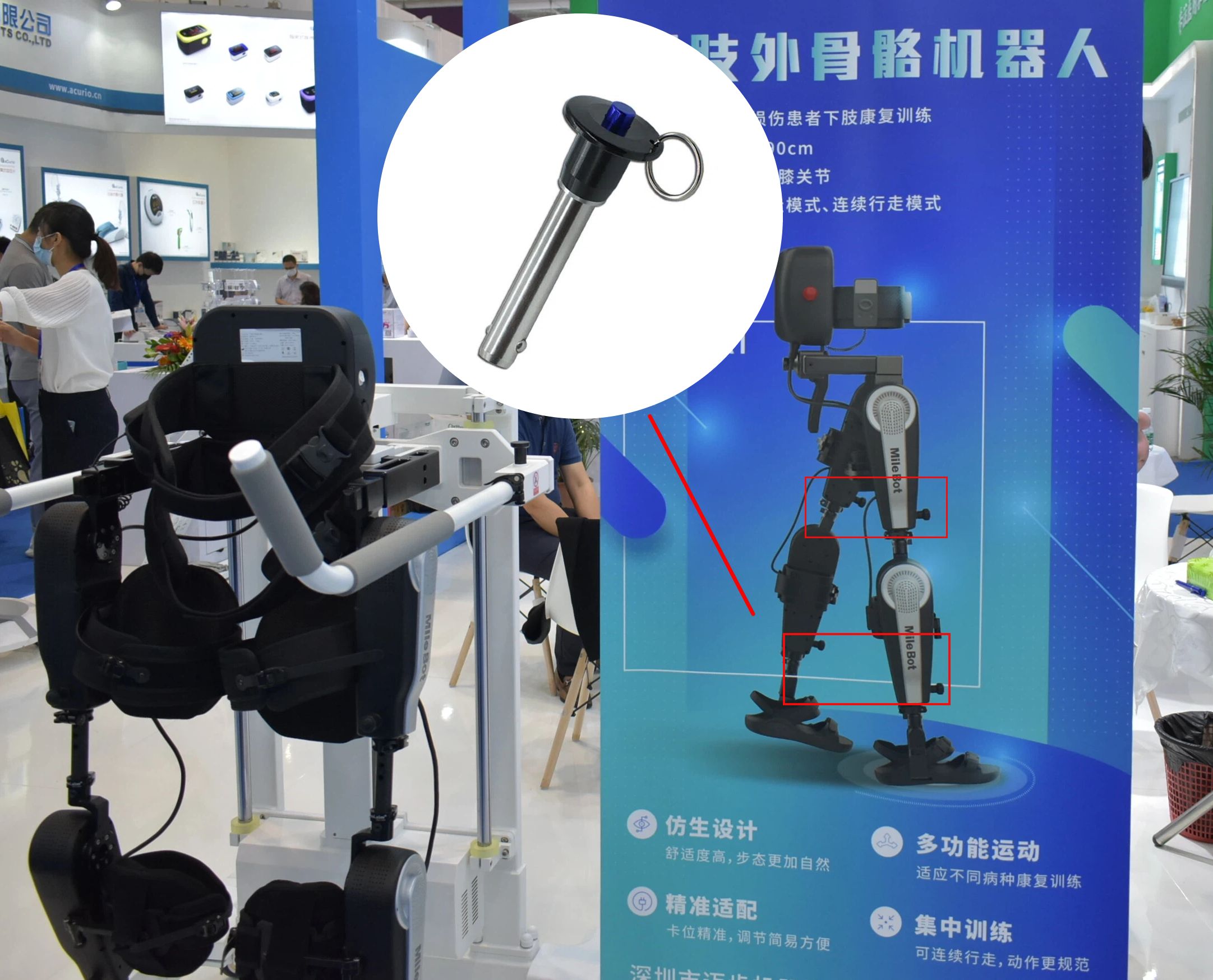
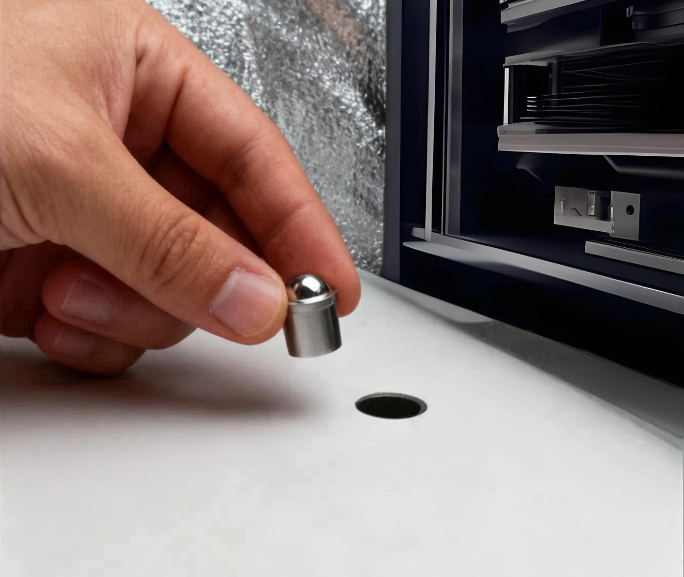
Plunger knobs typically consist of three main parts: the knob or handle, the internal spring-loaded pin, and the housing. When the knob is pulled or twisted, it retracts the plunger from the locked position, enabling movement. Once aligned with the next indexing point, the spring mechanism returns the plunger into place, ensuring precision alignment and stability.
There are several design variations of plunger knobs, including:
-
Push-to-Engage Plungers
-
Pull-to-Release Plungers
-
Threaded Plungers
-
Cam Action Plungers
Each design serves different operational needs based on ease of use, safety, and environment.
Types of Plunger Knobs
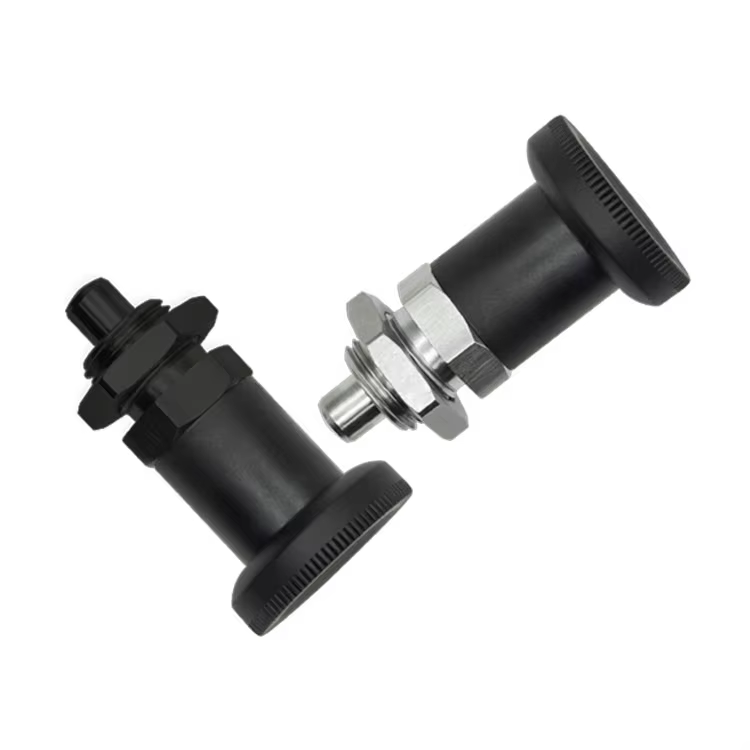
1. Indexing Plunger Knobs
Used to accurately position components along a defined axis or into preset slots. Ideal for applications requiring repeatability.
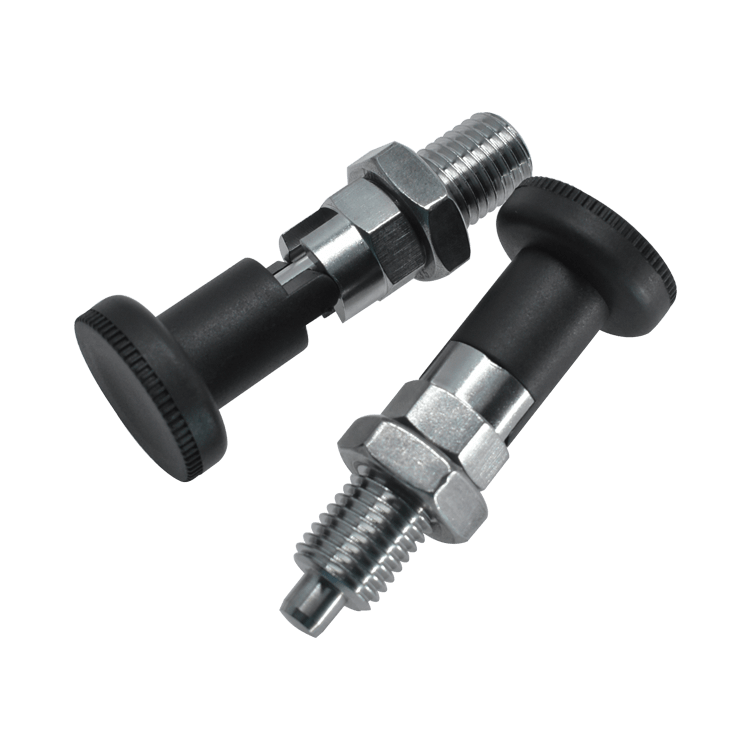
2. Lock-Out Plungers
Feature a mechanism that allows the pin to stay retracted, useful during maintenance or when temporarily disabling the locking function.
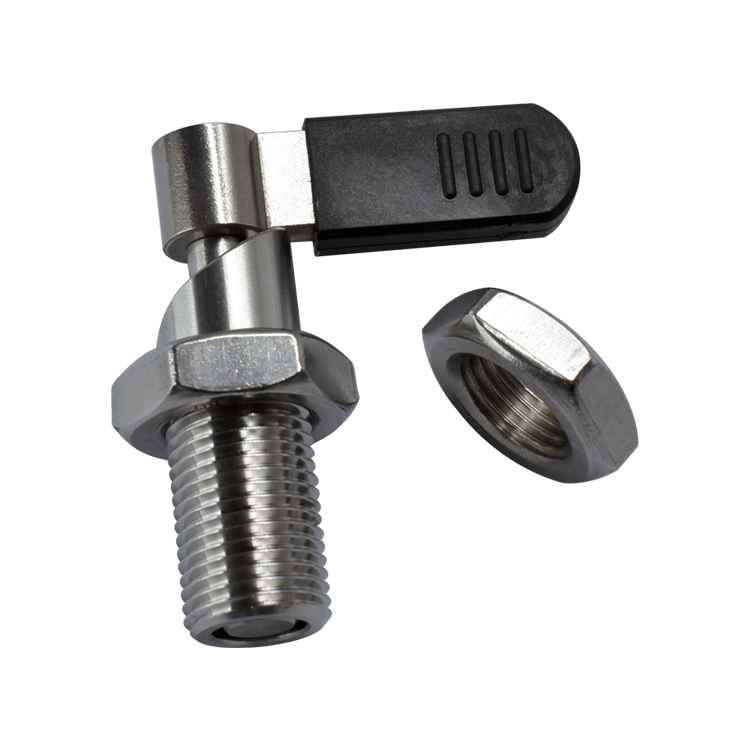
3. Cam Action Plungers
Allow for quick disengagement with a rotating lever, providing faster adjustments compared to linear pull designs.
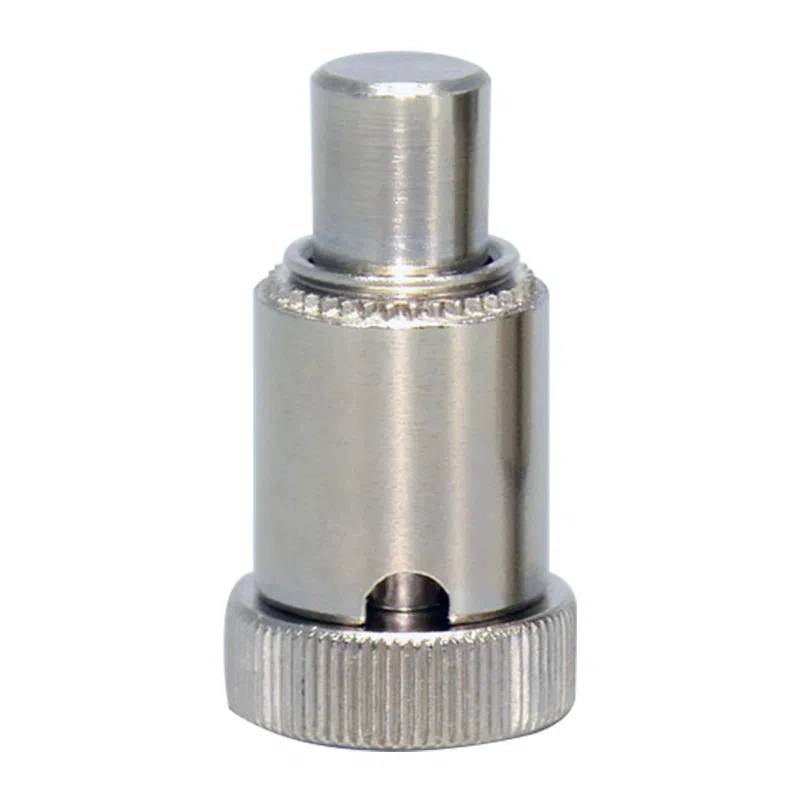
4. Spring Loaded Plunger Knobs
Incorporate a spring that continuously applies pressure to the pin, allowing for automatic engagement upon alignment.
Material Options and Their Benefits
Plunger knobs are available in a variety of materials depending on their operating environment:
-
Stainless Steel – Provides corrosion resistance, ideal for marine, food-grade, or high-moisture applications.
-
Carbon Steel (Zinc Plated) – Cost-effective and strong, suitable for indoor use and general machinery.
-
Plastic/Polymer Knobs – Lightweight and ergonomic, often used in hand-operated devices.
-
Brass Components – Used in applications where non-magnetic or spark-resistant materials are necessary.
Choosing the right material affects both durability and usability in specific industries.
Key Applications Across Industries
Plunger knobs are found in countless fields. Here are some major applications:
-
Manufacturing Equipment – For locking sliding parts, jigs, and fixtures.
-
Automotive Assembly – Used in positioning parts and tools.
-
Medical Devices – Require precision and repeated engagement for adjustable components.
-
Packaging Machinery – Helps in tool-less adjustment of guides and stops.
-
Furniture and Fixtures – Found in adjustable tables, shelving units, and modular components.
Their simplicity, reliability, and affordability make them indispensable in design and engineering solutions.
Benefits of Using Plunger Knobs
The use of plunger knobs comes with numerous mechanical and operational advantages:
-
Quick Adjustment – Enables fast positioning and realignment.
-
Manual Operation – No tools required for adjustment, reducing downtime.
-
Safety and Security – Prevents unwanted movement in machinery.
-
Durability – Withstand high cycle operations without wear.
-
Modularity – Can be integrated into various systems easily.
These benefits explain why plunger knobs are a popular choice for engineers and OEMs.
How to Select the Right Plunger Knob
When choosing a plunger knob for your application, consider the following criteria:
-
Load Capacity – Understand the amount of force required for secure engagement.
-
Material Compatibility – Choose based on environmental factors and safety requirements.
-
Locking Style – Decide if a locking or non-locking version is needed.
-
Ergonomics – Ensure the knob design is comfortable for frequent use.
-
Mounting Style – Threaded or press-fit based on the assembly setup.
A thorough evaluation ensures optimal functionality and longevity.
Standard Dimensions and Specifications
Plunger knobs follow international standards such as ISO, DIN, and ANSI. While dimensions may vary by manufacturer, standard sizes typically include:
-
Thread sizes: M5 to M16 or ¼” to ¾”
-
Knob diameters: 15mm to 50mm
-
Pin lengths: 5mm to 25mm
-
Body lengths: 20mm to 60mm
It is critical to refer to manufacturer data sheets for precise specifications before purchase.
Global Market Trends
The market for plunger knobs and indexing mechanisms is expanding due to trends in:
-
Smart Manufacturing – Demand for adjustable automation components is rising.
-
Miniaturization – Smaller devices still require reliable mechanical controls.
-
Customization – OEMs are seeking unique knob shapes, colors, and materials.
-
Eco-Friendly Materials – Increased use of recyclable plastics and low-impact coatings.
Asia-Pacific, particularly China and Southeast Asia, is seeing significant growth in both production and export of precision mechanical components.
Quality Control and Compliance
Manufacturers of plunger knobs adhere to strict quality control practices, including:
-
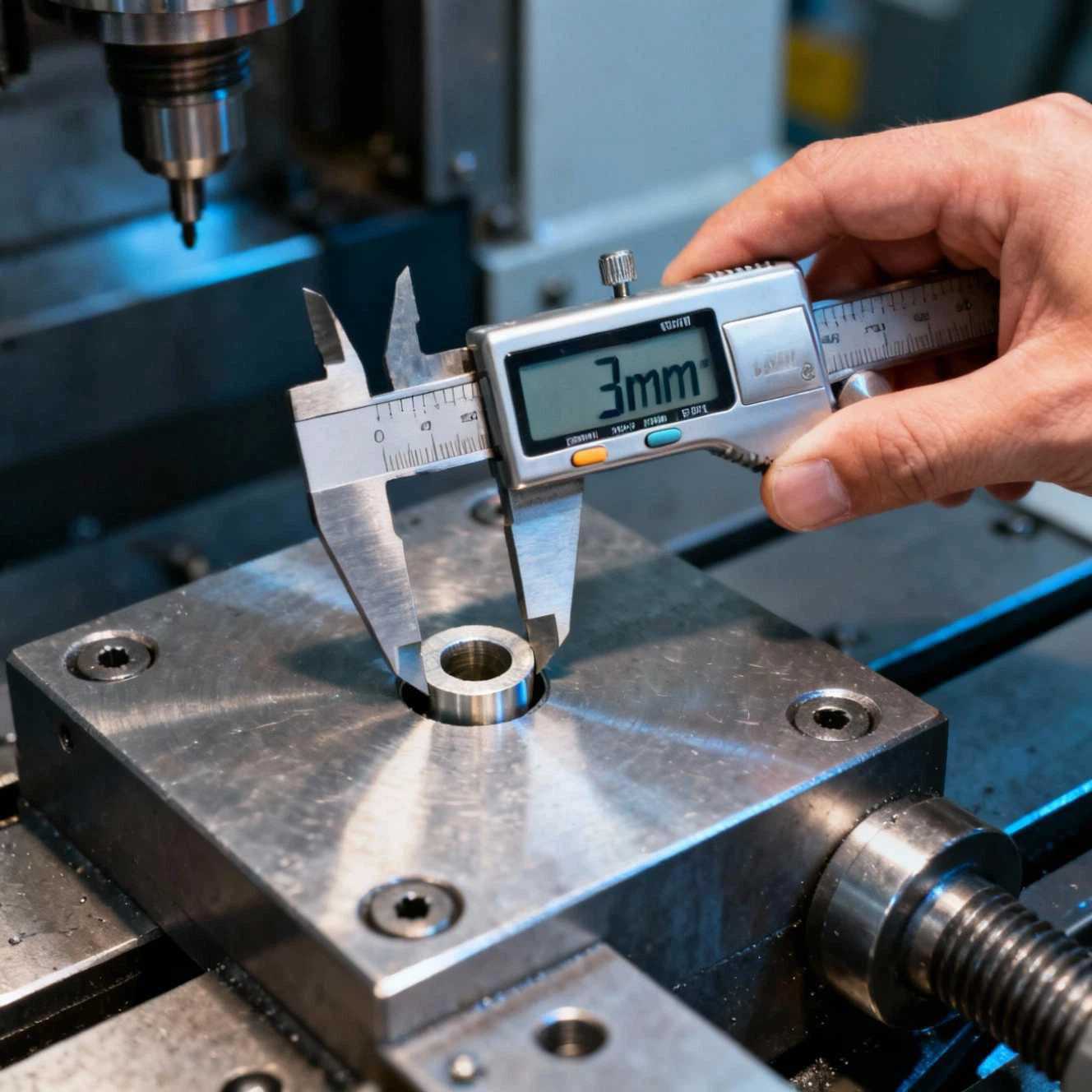
Dimensional Accuracy – Verified with calipers and coordinate measuring machines (CMM).
-
Cycle Testing – Ensures springs and pins endure repeated use.
-
Corrosion Resistance Testing – Salt spray and environmental simulations.
-
Material Certification – Ensures compliance with RoHS, REACH, and other safety regulations.
Investing in certified, well-tested products ensures reliability in critical operations.
Customization and OEM Services
Many manufacturers, like Mocayo Precision Technology, offer custom plunger knob solutions:
-
Custom knob shapes (round, T-handle, winged)
-
Colored caps or logos for branding
-
Different pin diameters and travel lengths
-
Stainless steel or specialized coatings
OEM services allow businesses to integrate branded components into their final product lines seamlessly.
Installation and Maintenance Tips
To ensure optimal performance, consider the following:
-
Clean mounting surfaces before installation
-
Apply anti-seize lubricant for stainless steel threads
-
Check spring tension regularly in high-use applications
-
Avoid excessive lateral load on the pin
-
Replace damaged or worn components promptly
Routine inspection extends the life and safety of plunger knob systems.
Enhance your equipment with **plunger knobs**, offering precise control and easy operation for various applications. Durable, ergonomic, and reliable—perfect for machinery, fixtures, and industrial use. Upgrade your tools today!
Plunger knobs, though small, play a critical role in countless industrial applications. Their ability to offer quick locking, indexing, and adjustable positioning makes them a fundamental component in modern engineering. Whether used in automation equipment, adjustable fixtures, or portable tools, their reliability and versatility are unmatched.
As industries continue to innovate, so too will the humble plunger knob—adapting in material, design, and functionality to meet the challenges of tomorrow’s engineering landscape.
Threaded Quick Release Pins
Pull Pin Latch Spring Loaded