Plunger Lock Mechanism
Plunger Lock Mechanism: Enhancing Security and Precision in Modern Engineering
Introduction
In an era where precision and security are critical, the Plunger Lock Mechanism has emerged as a vital component in a wide range of applications. This innovative locking device, known for its reliability and simplicity, is being adopted across industries to ensure secure fastening, precise alignment, and smooth operation. From industrial machinery to consumer electronics, the Plunger Lock Mechanism is proving to be an indispensable tool.

What is a Plunger Lock Mechanism?
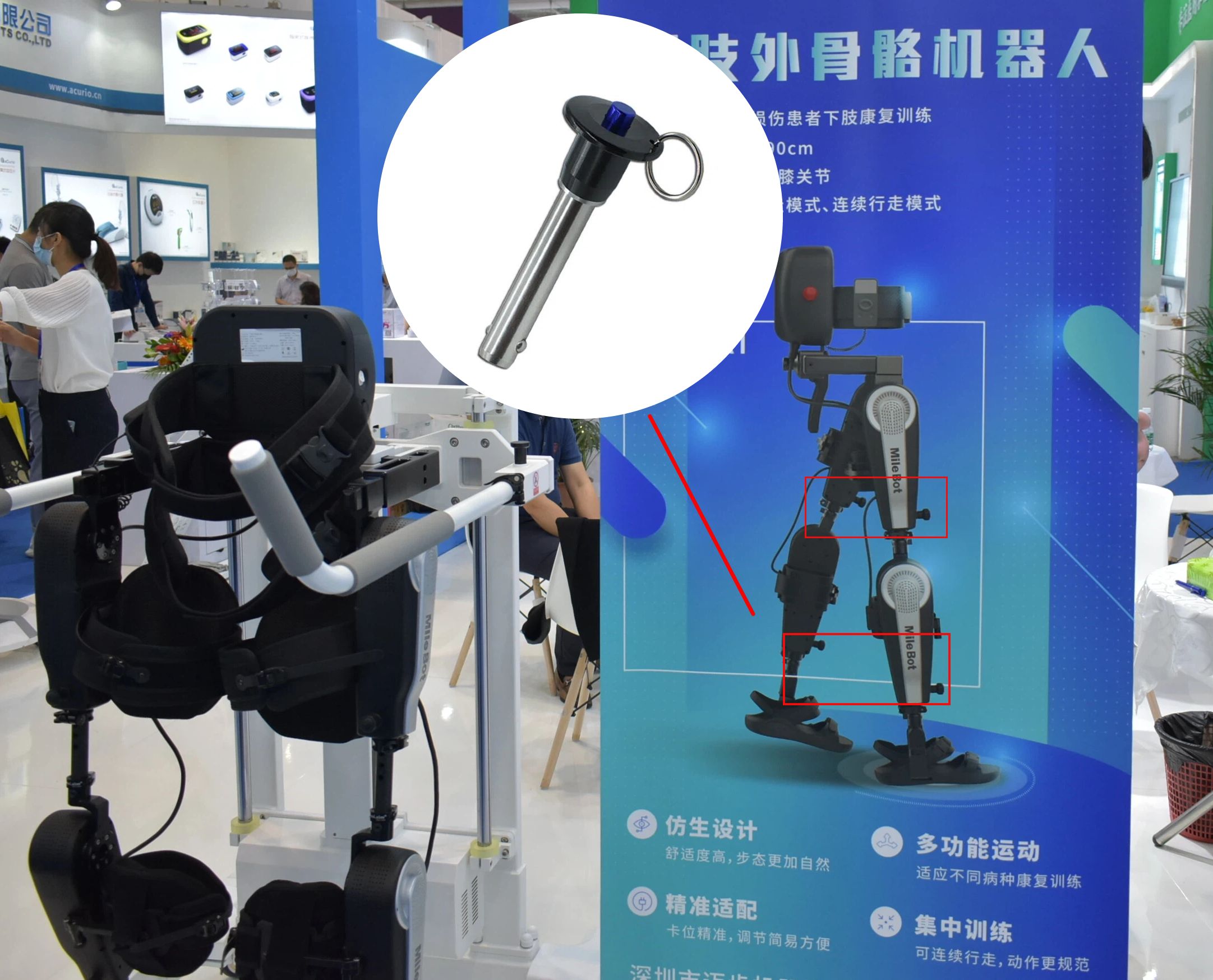
A Plunger Lock Mechanism is a mechanical device designed to securely lock or position components in place. It typically consists of a spring-loaded plunger that engages with a corresponding hole or detent to hold parts together. The mechanism can be manually or automatically actuated, making it versatile for various applications. Its robust design ensures consistent performance even in demanding environments.
Key Features and Benefits
-
Secure Locking: The Plunger Lock Mechanism provides a reliable and tamper-resistant locking solution, ensuring components remain firmly in place.
-
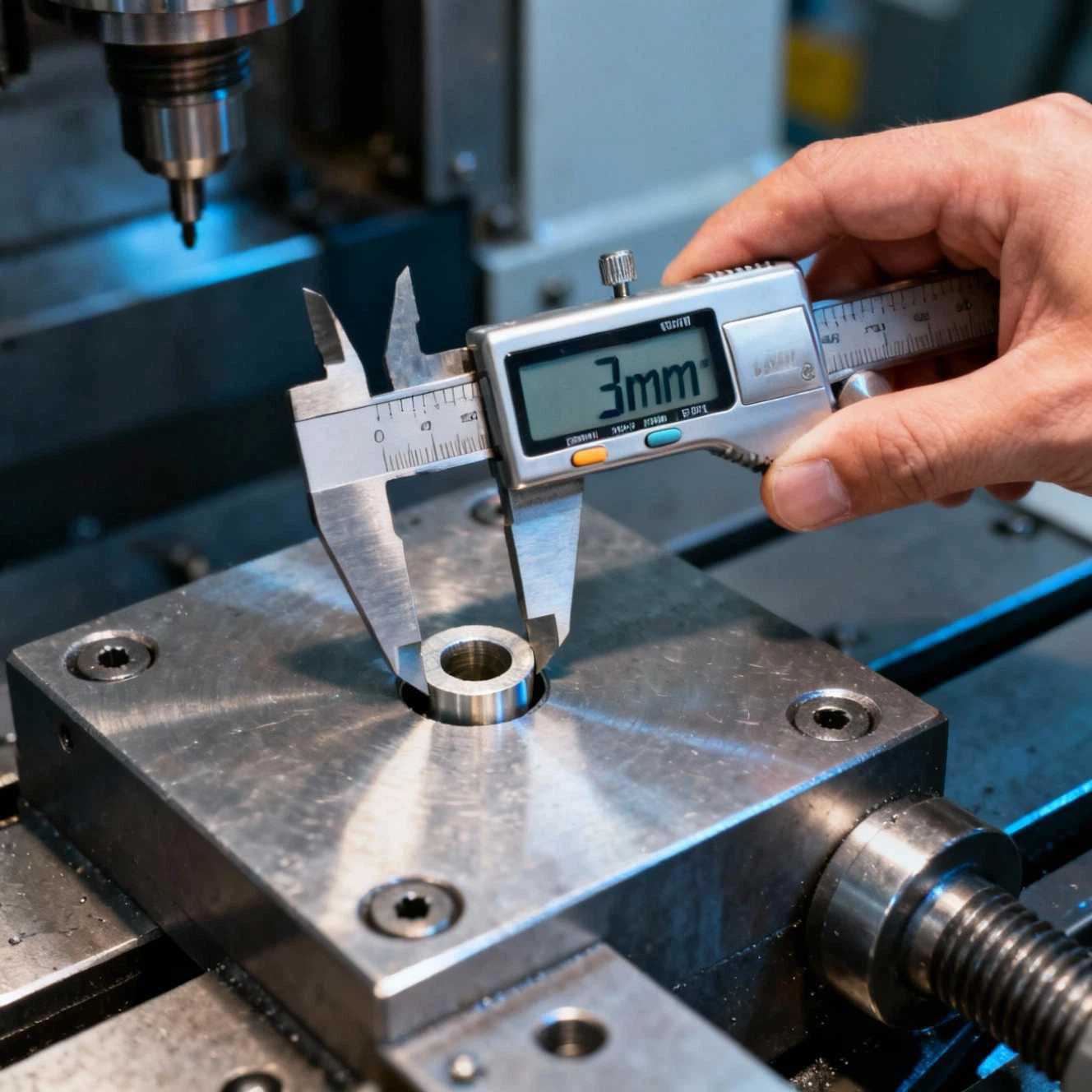
Precision Alignment: By engaging with precise detents or holes, the mechanism enables accurate positioning and alignment of parts.
-
Durability: Constructed from high-strength materials such as stainless steel or hardened alloys, the mechanism is built to withstand wear, corrosion, and heavy use.
-
Ease of Operation: With a simple push-to-lock or pull-to-release design, the mechanism is user-friendly and requires minimal maintenance.
Applications Across Industries
The Plunger Lock Mechanism’s versatility has led to its widespread adoption in numerous fields:
-
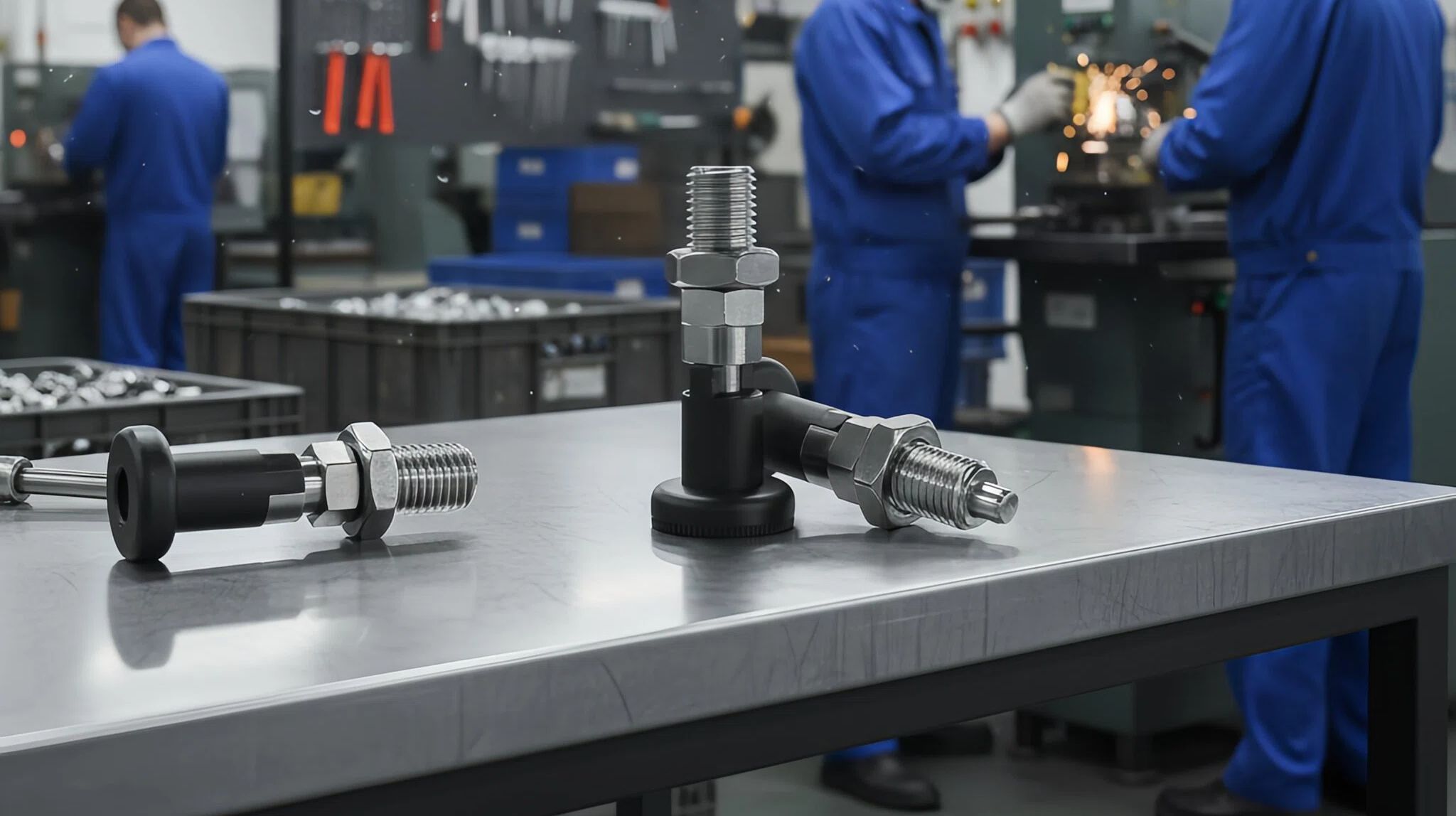
Industrial Machinery: Used to secure tooling, fixtures, and moving parts in manufacturing equipment.
-
Automotive: Integrated into gear shifters, seat adjustments, and door latches for secure and precise operation.
-
Aerospace: Employed in aircraft seating, cargo systems, and control panels to ensure safety and reliability.
-
Consumer Electronics: Utilized in foldable devices, connectors, and adjustable stands to enhance functionality and user experience.
How It Works
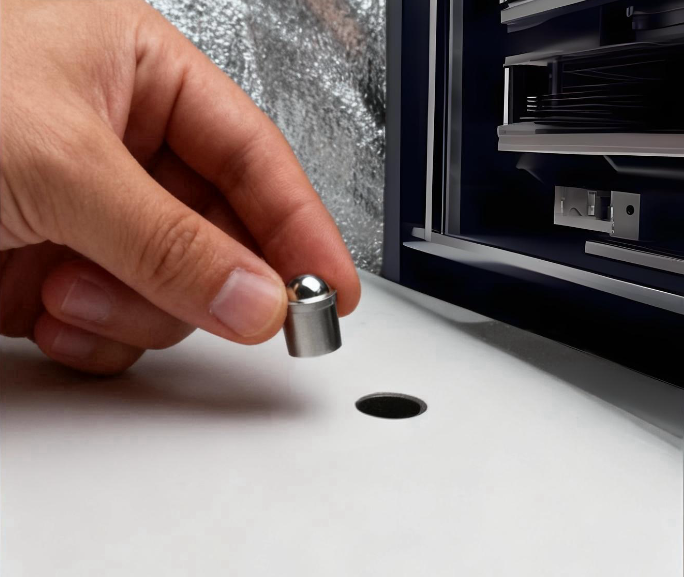
The mechanism operates through a spring-loaded plunger that engages with a detent or hole. When force is applied, the plunger compresses the spring, allowing the component to move or release. Once the force is removed, the spring pushes the plunger back into the locked position, ensuring secure fastening.
Expert Insights
John Matthews, a mechanical engineering consultant, stated, "The Plunger Lock Mechanism is a perfect blend of simplicity and functionality. Its ability to provide secure locking and precise alignment makes it an essential tool for engineers across industries."
Innovations and Future Trends
As industries demand higher performance and efficiency, manufacturers are developing advanced versions of the Plunger Lock Mechanism. Innovations include:
-
Self-Lubricating Materials: Reducing maintenance and extending the mechanism’s lifespan.
-
Corrosion-Resistant Coatings: Enhancing durability in harsh environments.
-
Smart Locking Systems: Integrating sensors and IoT technology for real-time monitoring and control.
Conclusion
The Plunger Lock Mechanism is a testament to the power of thoughtful engineering. Its ability to deliver secure, precise, and reliable performance has made it a cornerstone of modern design across industries. As technology continues to evolve, this mechanism will undoubtedly play a key role in shaping the future of mechanical systems, ensuring safety, efficiency, and innovation.
Explore the plunger lock mechanism—a spring-loaded pin system used in furniture, machinery, and safety applications for secure and reliable locking solutions.
Disclaimer: This article is for informational purposes only. The views expressed are those of the author and do not necessarily reflect the official policy or position of any organization.
What Are Construction Screws Used For
How To Make A Spring Mechanism