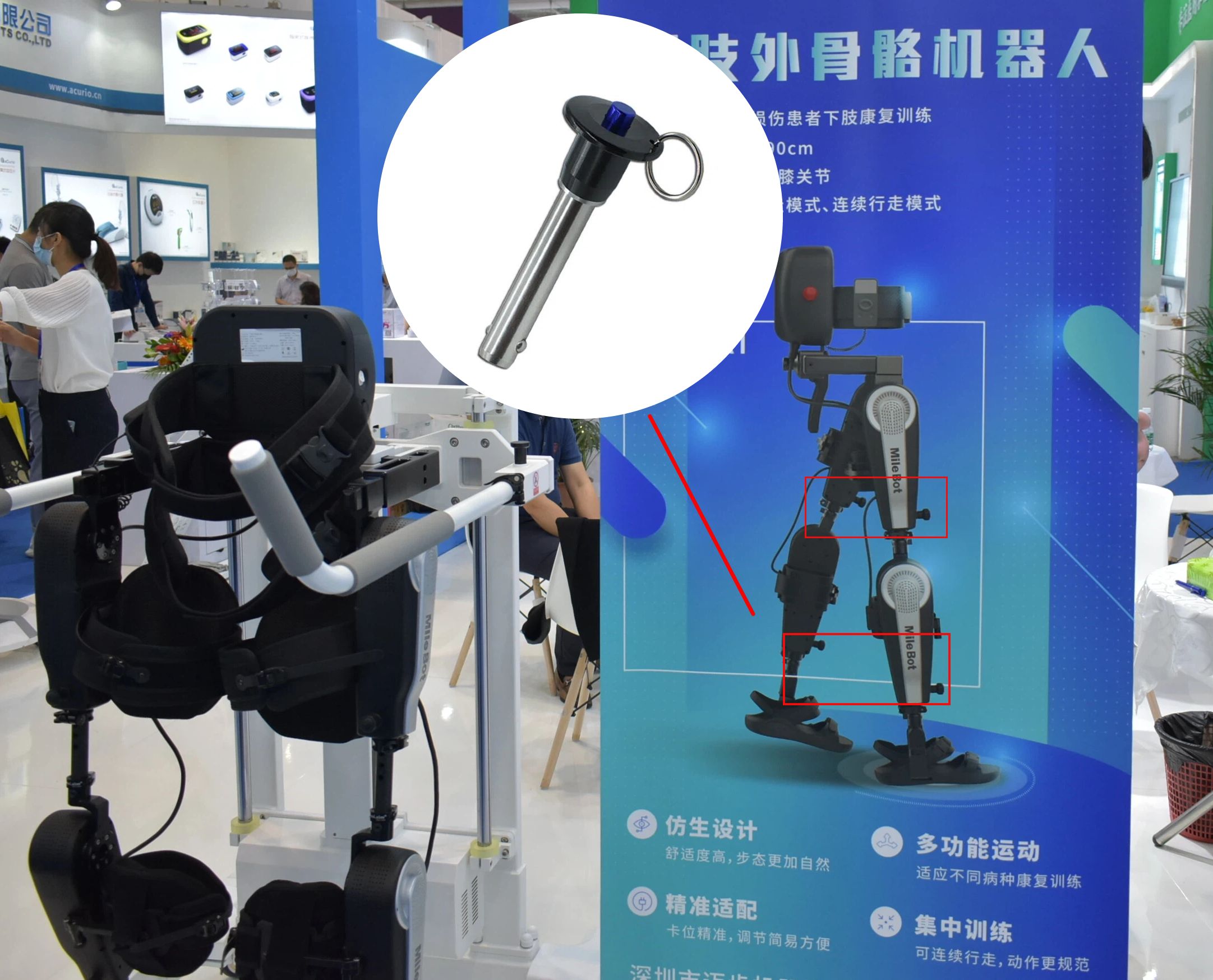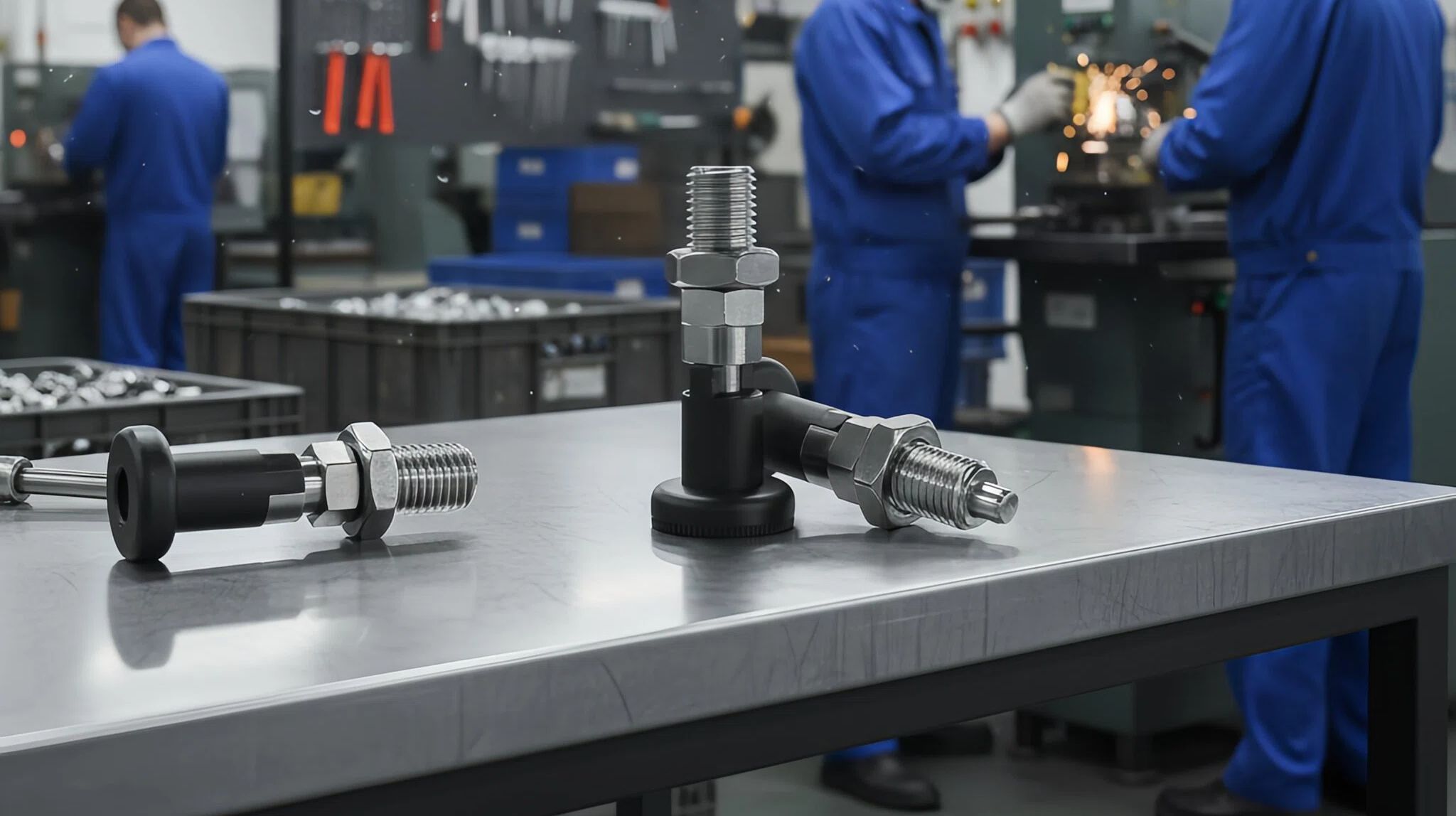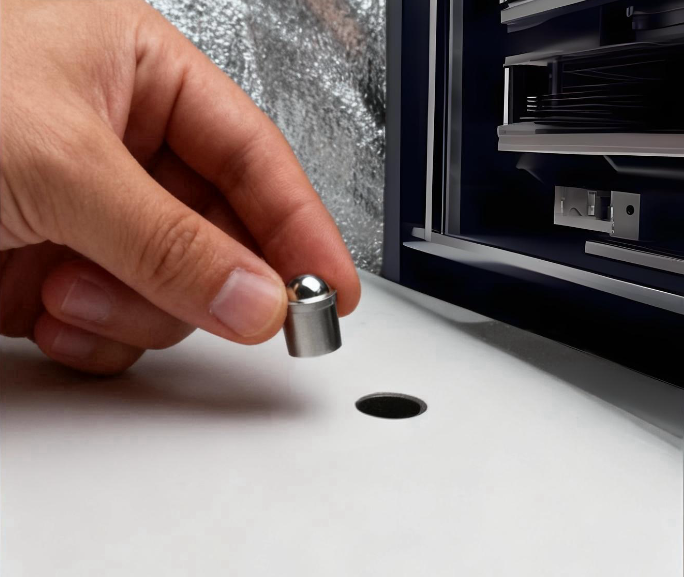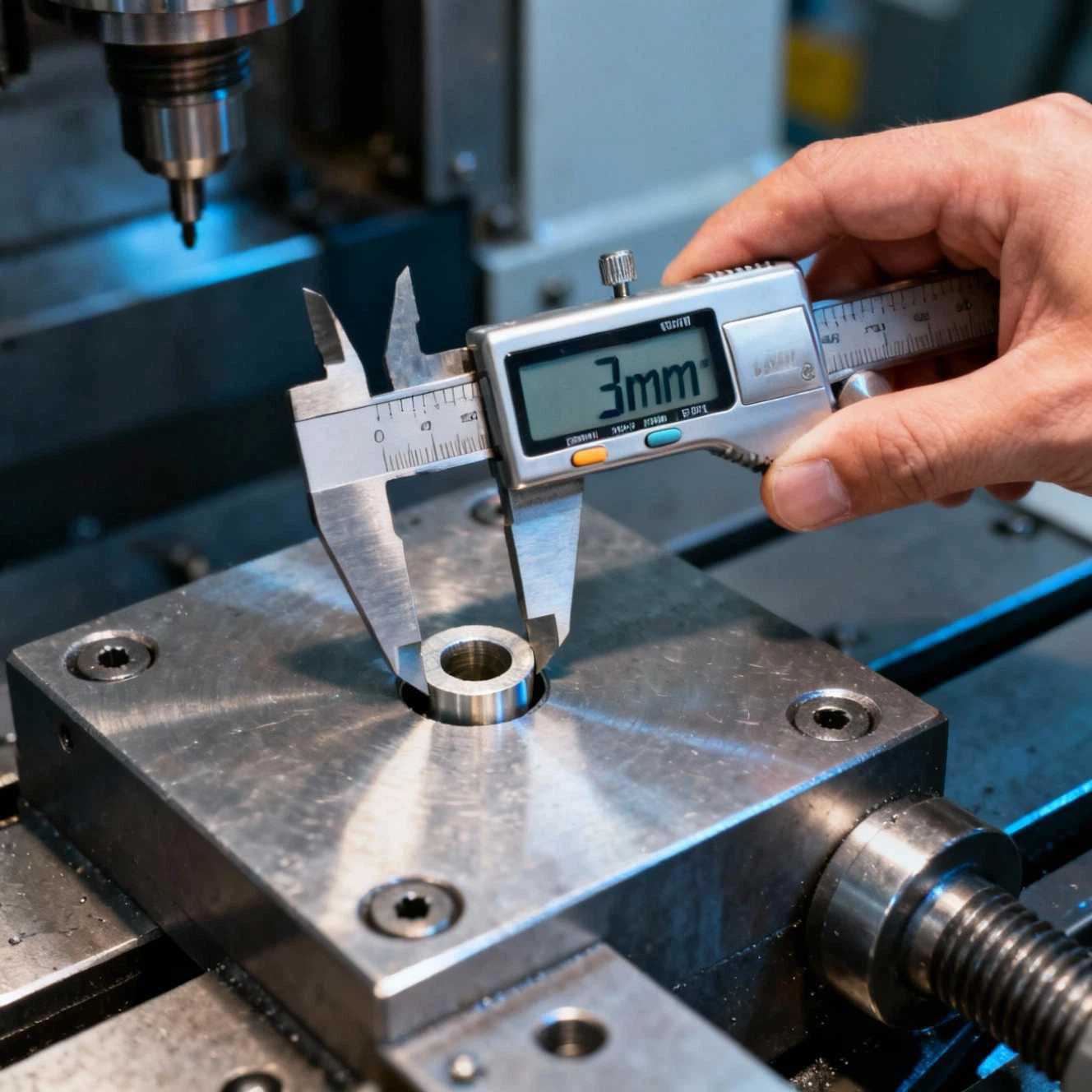
Plunger Spring Pin
Innovating Precision: The Rise of Plunger Spring Pins in Modern Engineering
Introduction: What Are Plunger Spring Pins?
In the constantly evolving world of precision engineering, the Plunger Spring Pin stands out as a small but mighty component. Also known as spring-loaded pins or spring plungers, these mechanical fasteners are essential for positioning, indexing, locating, and securing components in place within a variety of industrial and commercial applications. While their design may appear simple, their functionality, reliability, and adaptability make them indispensable across industries.
This article delves into the mechanics, applications, materials, advantages, and recent innovations of Plunger Spring Pins, and examines why these compact devices continue to be vital to global manufacturing, aerospace, automotive, and machinery industries.

Understanding the Mechanics Behind Plunger Spring Pins
Plunger Spring Pins consist of a few essential components:
-
Body: The outer casing that houses the internal mechanisms. Typically made of metal or high-grade polymer.
-
Spring: The core element that provides the loading force. It pushes the plunger outward to engage with a mating part.
-
Plunger (Tip): The movable part that extends from the body. This tip engages or disengages with the corresponding fixture or hole.
The working principle is straightforward: when compressed, the spring retracts the plunger into the body. Once pressure is released, the spring forces the plunger back out. This mechanism is ideal for securing and releasing mechanical components quickly and efficiently.

Types of Plunger Spring Pins
Over time, various types of plunger spring pins have emerged to meet specific industrial requirements:
1. Threaded Plunger Spring Pins
These are screwed into assemblies and can be easily removed or replaced. They are ideal for applications requiring repeated engagement.
2. Press-Fit Plunger Spring Pins
These are pushed into a drilled hole without the need for threads. Commonly used in permanent or semi-permanent installations.
3. Ball Nose Spring Pins
These feature a rounded ball on the tip instead of a flat plunger, offering smoother engagement with mating surfaces.
4. Indexing Spring Pins
Often equipped with a knob or lever, they allow manual retraction and secure locking, ideal for adjustments and repetitive positioning tasks.
Material Selection: Building for Strength and Performance
The choice of materials significantly affects the performance of plunger spring pins:
Stainless Steel
-
Corrosion resistance
-
High durability
-
Ideal for outdoor and harsh environments
Carbon Steel (Hardened)
-
High strength
-
Economical
-
Suitable for general industrial use
Plastic and Composite Bodies
-
Lightweight
-
Chemically resistant
-
Used in applications where metal-to-metal contact is undesirable
Brass and Nylon Tips
-
Provide smooth engagement
-
Reduce wear on contact surfaces
-
Suitable for delicate components
The internal springs are typically made of stainless or music wire for optimal elasticity and fatigue resistance.
Key Applications Across Industries
1. Manufacturing and Automation
Plunger Spring Pins are used to position components on assembly lines, ensuring parts are correctly aligned for robotic or automated operations.
2. Aerospace and Aviation
In aircraft interiors and external equipment, spring pins are crucial for securing access panels, control surfaces, and removable fixtures under vibration and stress.
3. Automotive Engineering
Used in jigs and fixtures for assembly lines, as well as in aftermarket accessories where quick detachment is necessary.
4. Medical Devices
Due to their small size and precision, spring-loaded pins are perfect for positioning and retaining instruments in surgical and diagnostic equipment.
5. Consumer Products
Found in appliances, sports equipment, and electronic devices for reliable latching and indexing.
Advantages of Using Plunger Spring Pins
-
Quick Engagement and Disengagement: Ideal for applications where frequent movement or assembly is needed.
-
Precise Positioning: Helps maintain repeatable alignment with little to no deviation.
-
Compact Design: Fits in small spaces while offering significant holding power.
-
Ease of Installation: Many variants require minimal tools for assembly.
-
Durability and Reliability: Engineered to withstand thousands of cycles under load.
Design Considerations When Choosing Plunger Spring Pins
To select the right spring plunger for a specific task, consider:
-
Load Force: How much pressure is required to compress the spring?
-
Material Compatibility: Does the material suit the environment (e.g., corrosion, heat)?
-
Plunger Tip Shape: Is a flat, cone, or ball tip more suitable?
-
Mounting Method: Should it be threaded, press-fit, or bolted?
-
Tolerance Requirements: Does the design allow for slight movements, or is precise engagement necessary?
Installation and Maintenance Tips
-
Clean Surfaces: Ensure mounting holes are free from debris or burrs.
-
Use Proper Tools: Always use manufacturer-recommended torque and tools.
-
Inspect for Wear: Over time, the tip or spring may lose effectiveness; regular inspections prevent failure.
-
Lubrication: Some models benefit from lubrication to extend life and performance.
-
Replacement: Modular designs allow easy replacement without disturbing the entire assembly.
Innovations in Plunger Spring Pin Technology
Recent advancements in plunger pin technology include:
-
Self-Lubricating Materials: Reduce maintenance and enhance lifespan.
-
Anti-Vibration Designs: Secure engagement even in dynamic or high-vibration environments.
-
Color-Coded Tips: Assist in visual identification of different load ratings.
-
Magnetic Engagement: Some modern designs incorporate magnetic retention features for ultra-smooth operation.
Environmental and Sustainability Considerations
As sustainability becomes a growing concern in manufacturing, many plunger pin manufacturers are:
-
Utilizing recyclable materials
-
Reducing energy consumption during production
-
Offering long-life components to reduce waste
-
Complying with RoHS and REACH environmental standards
Market Trends and Outlook
The global demand for precision components, including plunger spring pins, is growing steadily. Key factors driving the market include:
-
Automation in manufacturing
-
Miniaturization of components in electronics and medical devices
-
Customization and modular design
-
Increased demand from emerging markets such as Southeast Asia and South America
Leading manufacturers are investing in R&D, offering customized solutions, and expanding their product ranges to stay competitive.
Upgrade your hardware with plunger spring pins, offering secure and precise fastening for industrial, automotive, and machinery applications. Durable, reliable, and easy to use—perfect for efficient and seamless operations.
Plunger Spring Pins may be small, but their contribution to mechanical systems is immense. From facilitating precision in robotic assembly lines to holding together the panels of a modern aircraft, these versatile pins exemplify the value of smart, simple engineering. As industries continue to demand greater efficiency, modularity, and precision, plunger spring pins will remain an integral part of the solution.
Spring Pull Pin
Lateral Spring Plunger