Positive Lock Pins
Understanding Positive Lock Pins: A Secure and Versatile Fastening Solution
Introduction to Positive Lock Pins
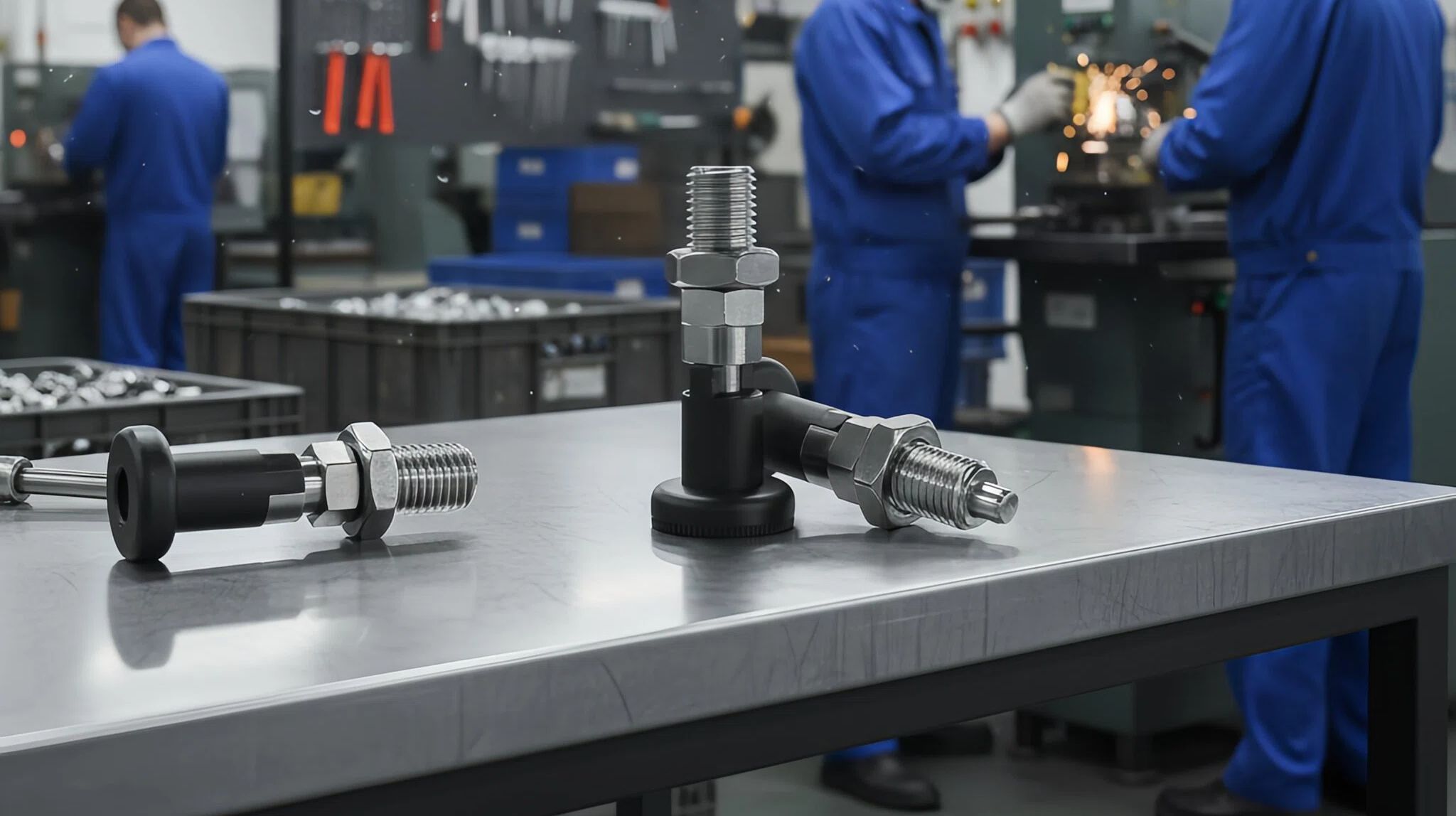
Positive Lock Pins are high-precision, quick-release fastening devices engineered to provide secure, repeatable locking in a wide variety of industrial and mechanical applications. Their unique design allows for fast installation and removal while preventing accidental disengagement under load or vibration. These features make them indispensable in industries such as aerospace, automotive, medical devices, marine, and industrial machinery.
This article will explore the structure, functions, advantages, standards, applications, and future prospects of Positive Lock Pins.
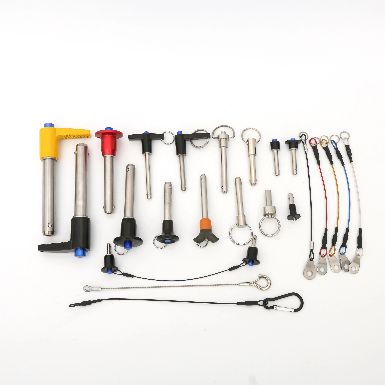
What Are Positive Lock Pins?
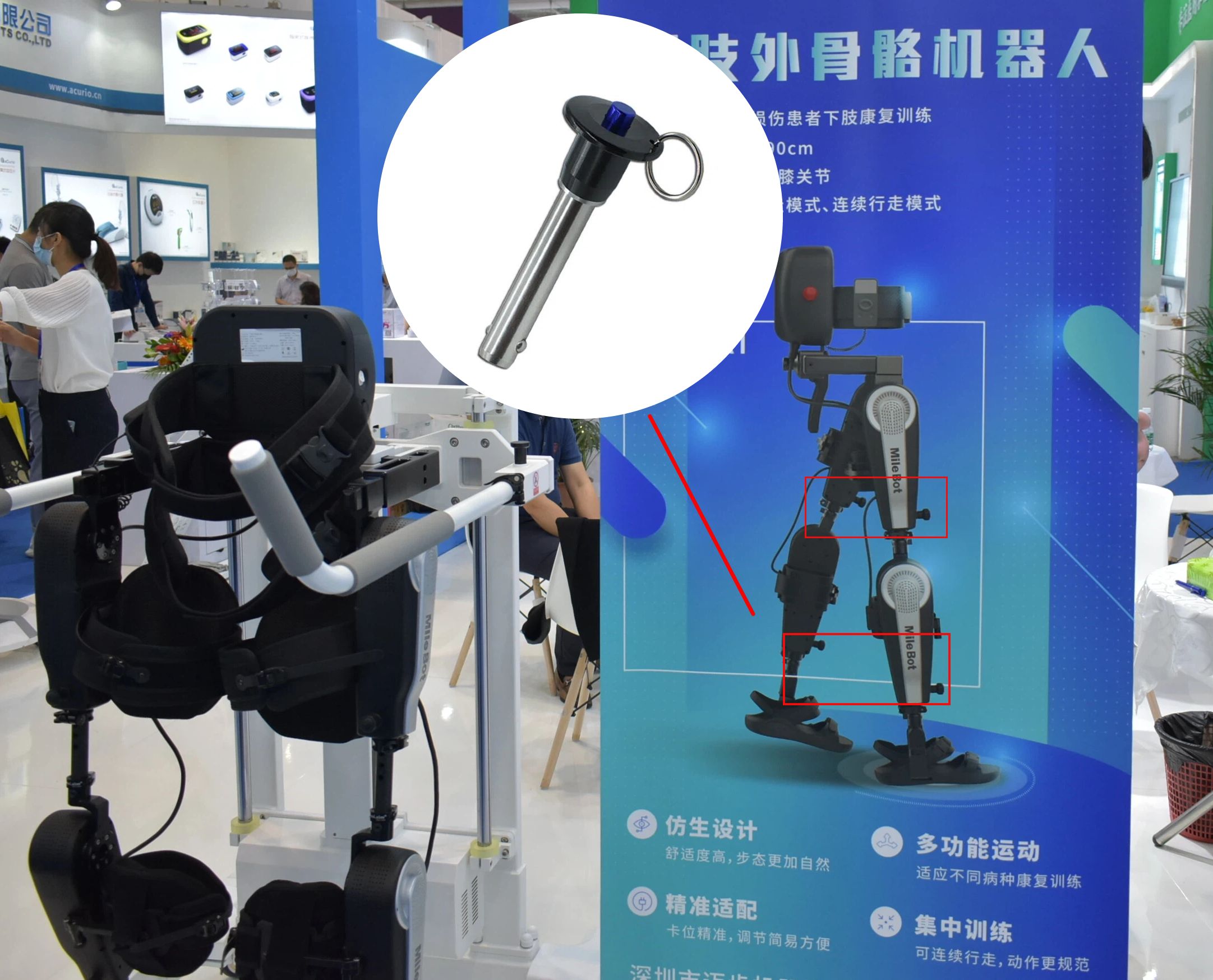
Positive Lock Pins are mechanical fasteners that use a locking mechanism—typically ball detents or push-button actuation—to stay firmly engaged in place once inserted. Unlike standard pins, Positive Lock Pins cannot be removed without a deliberate unlocking action. This feature provides a high level of safety and reliability in environments where vibration or external forces may otherwise cause fastener failure.

Key Components and Construction
Positive Lock Pins generally consist of the following parts:
-
Pin Body: Made of stainless steel, carbon steel, or titanium, the body is engineered to withstand shear and tensile forces.
-
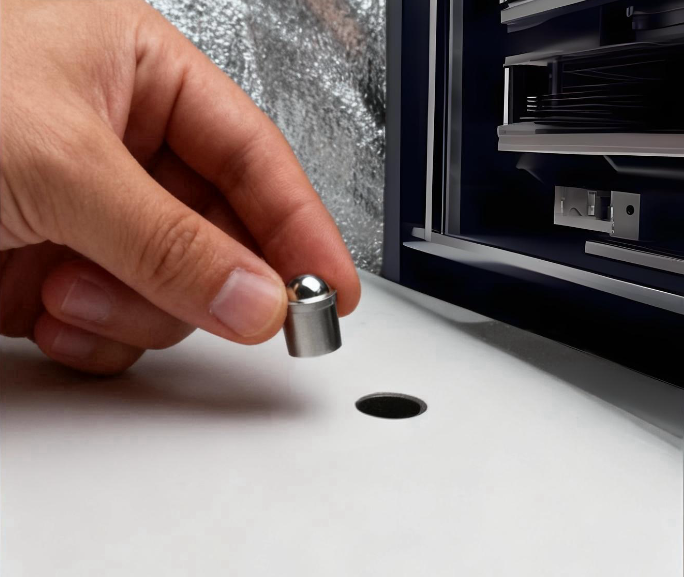
Locking Mechanism: Often utilizes ball bearings that expand when a button is released, locking the pin in place.
-
Push Button or Pull Ring: Allows manual operation for releasing the lock.
-
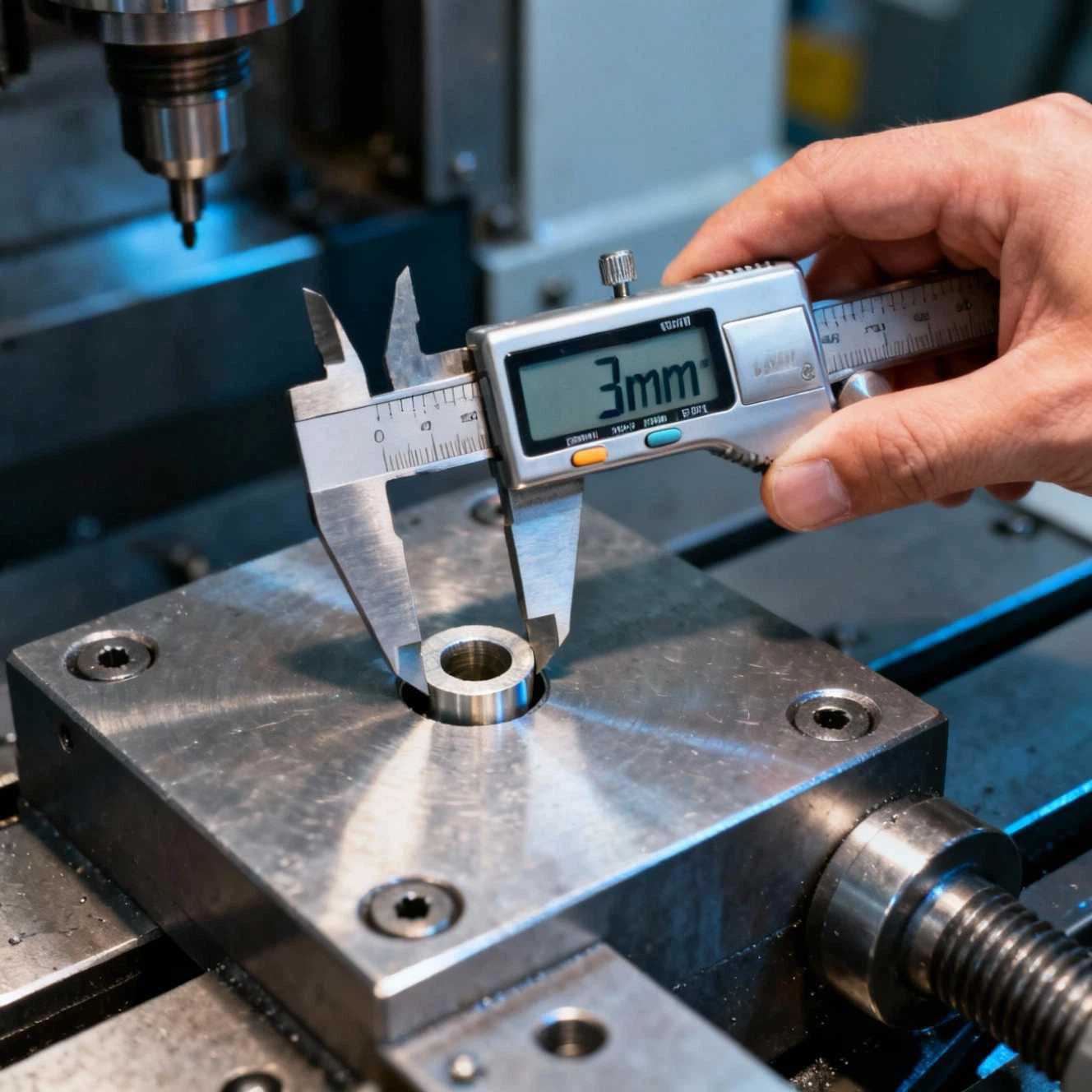
Grip Length and Diameter: Determined based on application needs.
-
Shank and Retainer: Optional features for specific use cases.
How Do Positive Lock Pins Work?
The operation is straightforward:
-
Insertion: The pin is pushed through aligned holes in the parts being joined.
-
Engagement: Releasing the button causes internal balls or other mechanisms to expand, locking the pin.
-
Removal: Depressing the button collapses the locking element, allowing withdrawal of the pin.
This fast and intuitive operation is ideal for repeated assembly/disassembly cycles.
Advantages of Positive Lock Pins
1. Enhanced Safety
The locking feature prevents unintentional disengagement, which is critical in dynamic or high-load environments.
2. Quick Installation and Removal
Tool-less operation makes it faster than bolts or screws.
3. Corrosion Resistance
Most pins are made from stainless steel or treated alloys, ideal for outdoor or marine use.
4. Durability
Designed for repeated use without loss of function.
5. Customization
Available in a wide range of sizes, grips, and materials, including custom options for specialized industries.
Materials and Finishes
The choice of material depends on the operational environment:
-
Stainless Steel (304/316): Offers excellent corrosion resistance.
-
Carbon Steel: Often zinc-plated for rust prevention.
-
Titanium: Used in aerospace for lightweight strength.
-
Aluminum: For lightweight applications with moderate strength requirements.
Finishes may include black oxide, passivation, or anodizing, depending on the desired aesthetic and environmental resistance.
Standard Size Chart for Positive Lock Pins
| Pin Diameter (inches) | Grip Range (inches) | Overall Length (inches) | Material | Lock Type |
|---|---|---|---|---|
| 1/4" | 0.5 – 2.0 | 1.5 – 3.0 | SS 304 | Button Lock |
| 3/8" | 1.0 – 3.0 | 2.0 – 4.5 | SS 316 | Ball Lock |
| 1/2" | 1.5 – 4.0 | 3.0 – 6.0 | Carbon Steel | Button Lock |
| 5/8" | 2.0 – 5.0 | 4.0 – 7.0 | Titanium | Dual Ball Lock |
(Note: Dimensions may vary by manufacturer and region. Always consult specific catalogs for precision applications.)
Applications of Positive Lock Pins
Aerospace
Used in aircraft seating, access panels, and removable components where vibration resistance is vital.
Automotive
Ideal for test rigs, modular assembly lines, and securing removable frames or jigs.
Medical Equipment
Sterilizable versions are used for precise, secure assembly of surgical equipment and diagnostic devices.
Marine and Offshore
Corrosion-resistant versions are crucial in underwater and saline environments for quick-release parts.
Industrial Machinery
Used for securing guards, covers, and changeable tooling setups.
Custom Options and Configurations
Positive Lock Pins can be tailored to specific use cases:
-
Head Styles: T-handle, button, recessed, ring.
-
Grip Adjustments: Variable grip lengths for different panel thicknesses.
-
Lanyards and Retainers: For preventing pin loss in dynamic settings.
-
Color Coding: For easy visual identification during maintenance or assembly.
Quality Standards and Compliance
Most reputable manufacturers conform to international standards such as:
-
ASME B18.8
-
MIL-P-21143 (Military Specs)
-
ISO 9001:2015 Quality Assurance
Compliance ensures reliability, safety, and interchangeability in critical applications.
How to Choose the Right Positive Lock Pin
When selecting a pin, consider:
-
Shear and Tensile Load Requirements
-
Environmental Conditions (humidity, chemicals, temperature)
-
Required Grip Length
-
Installation Frequency
-
Space Constraints (head and shank design)
Working with experienced suppliers helps in choosing or customizing the most suitable pin for your needs.
Maintenance and Durability Tips
-
Lubricate periodically to prevent galling in high-friction applications.
-
Inspect locking mechanisms regularly for wear or corrosion.
-
Replace pins that show visible damage, rust, or malfunctioning locks.
Proper maintenance extends the lifespan of these precision components.
Upgrade your hardware with positive lock pins, offering secure and reliable fastening for industrial, automotive, and machinery applications. Durable, easy to use, and perfect for efficient and seamless operations.
Positive Lock Pins stand out as a vital component across multiple industries due to their simplicity, safety, and strength. As machinery and systems become more complex and mobile, the demand for reliable, user-friendly fastening solutions continues to grow. By understanding their design, benefits, and applications, engineers and buyers can make informed decisions to ensure both safety and performance.
Threaded Spring Plungers
Retractable Spring