Positive Locking Pins
Positive Locking Pins: A Secure Solution for Precision Applications
Introduction to Positive Locking Pins
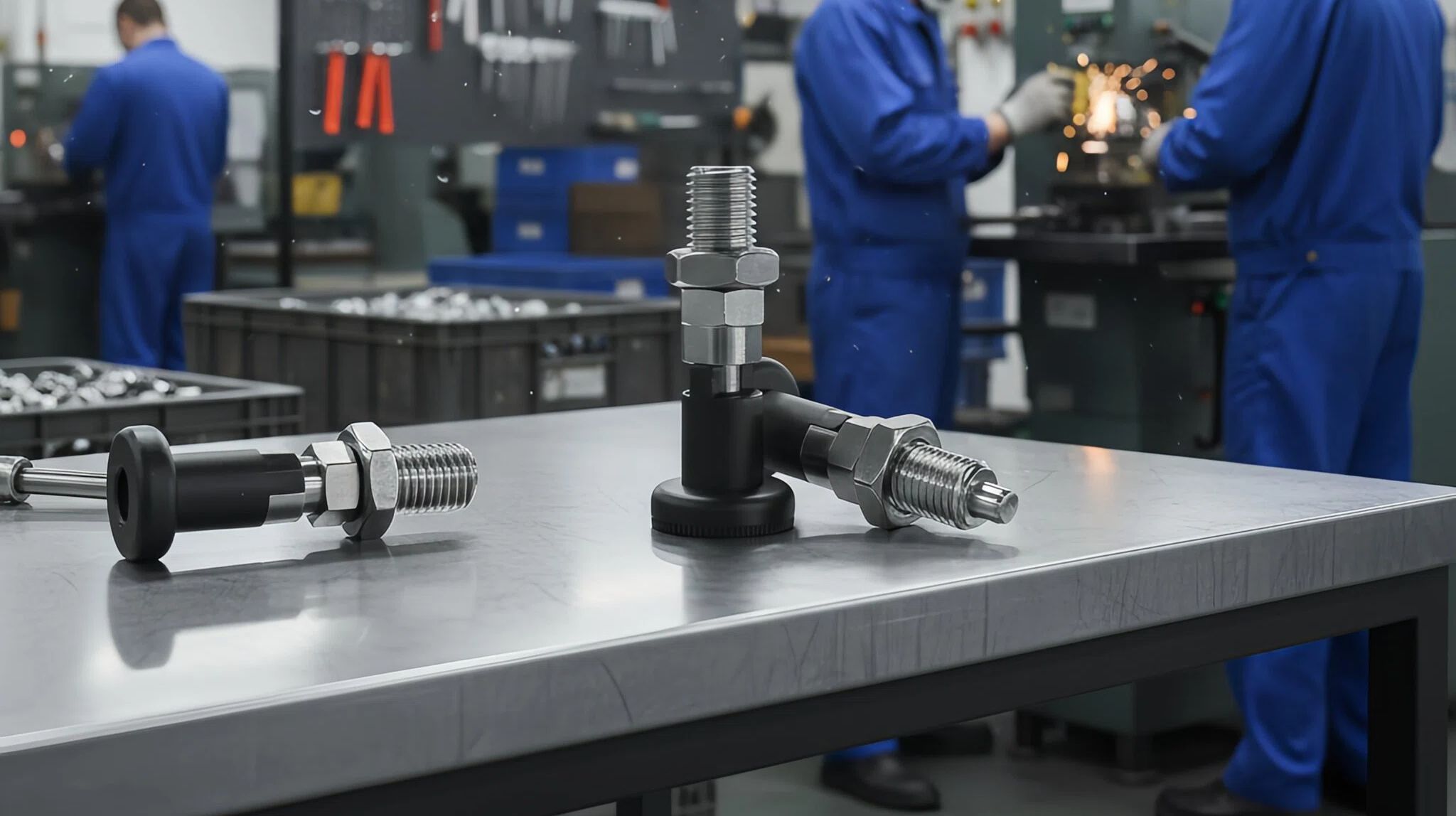
Positive locking pins are a type of mechanical fastener designed to offer reliable and secure connections in a wide range of applications. These pins are known for their robust locking mechanism that prevents accidental disengagement, ensuring components remain tightly fixed during operation. They are commonly used in aerospace, automotive, industrial manufacturing, and marine applications, where safety, durability, and precision are paramount.
This article explores the design, function, types, advantages, and application of positive locking pins, highlighting their role in modern engineering and manufacturing environments.
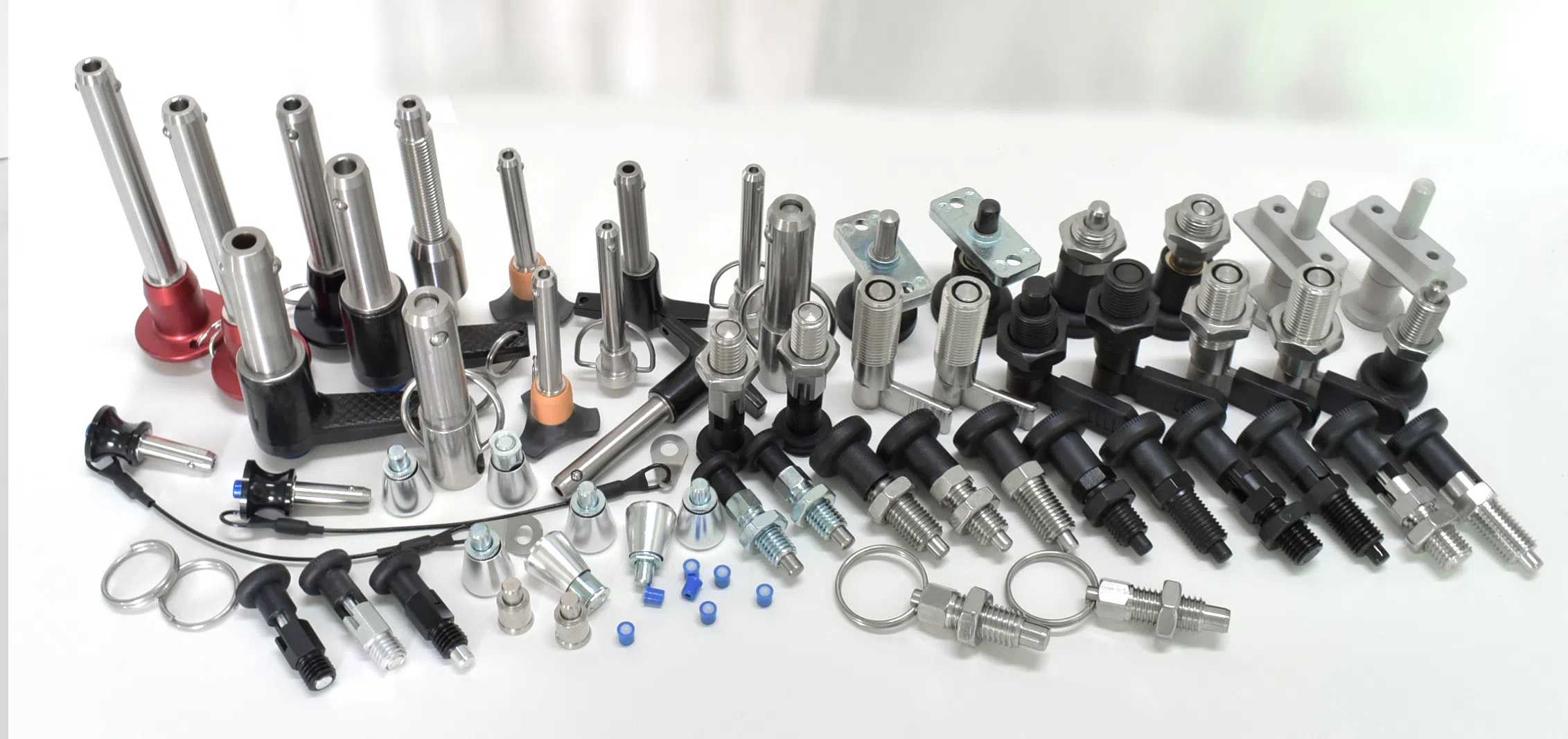
What Are Positive Locking Pins?
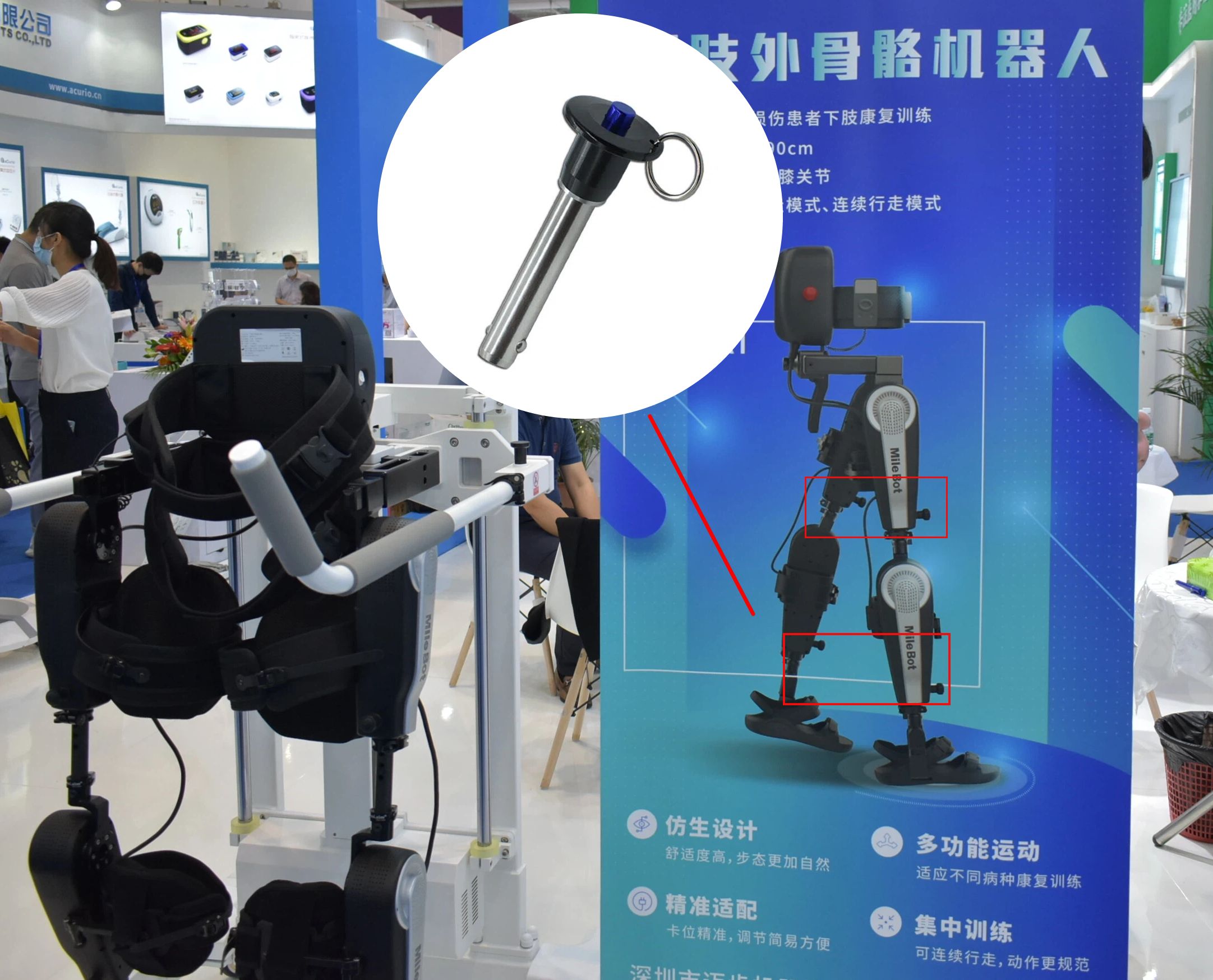
Positive locking pins, sometimes referred to as locking quick release pins, are fasteners that lock securely in place to prevent unintended removal. These pins usually include a spring-loaded mechanism that must be deliberately actuated to release the pin. This design ensures the pin remains engaged under vibration, stress, or external force—unlike traditional quick release pins that might disengage more easily.
Key characteristics of positive locking pins:
-
Secure, fail-safe retention
-
Spring-loaded locking mechanism
-
Easy to install and remove with manual operation
-
Made of high-strength materials like stainless steel or alloy steel
Common Types of Positive Locking Pins
There are several variations of positive locking pins available, each tailored to different requirements and environments. Common types include:
1. Button-Actuated Positive Locking Pins
These pins feature a push-button top that retracts the locking balls, allowing insertion or removal. Once released, the balls spring back into place to secure the pin.
2. L-Handle Positive Locking Pins
Equipped with an L-shaped handle, these pins allow easy gripping and operation. They’re ideal for applications requiring frequent manual adjustments.
3. T-Handle Positive Locking Pins
Designed for quick operation, T-handle pins provide more torque and control during engagement or removal.
4. Ring Handle Locking Pins
Ring handles allow attachment of a tether or lanyard, ideal for applications where the pin must remain attached to the assembly.
Materials and Construction
Positive locking pins are manufactured from high-performance materials to withstand stress, corrosion, and harsh environments. The most commonly used materials include:
-
Stainless Steel (e.g., 17-4 PH, 304, 316): Excellent corrosion resistance and mechanical strength.
-
Alloy Steel (e.g., 4130): High strength and toughness, often used in aerospace applications.
-
Aluminum Alloys: Lightweight options for applications where weight savings are critical.
Components of a typical positive locking pin include:
-
Main pin shaft
-
Locking balls
-
Internal spring
-
Handle or actuation mechanism
-
Retaining ring or detent groove
How Positive Locking Pins Work
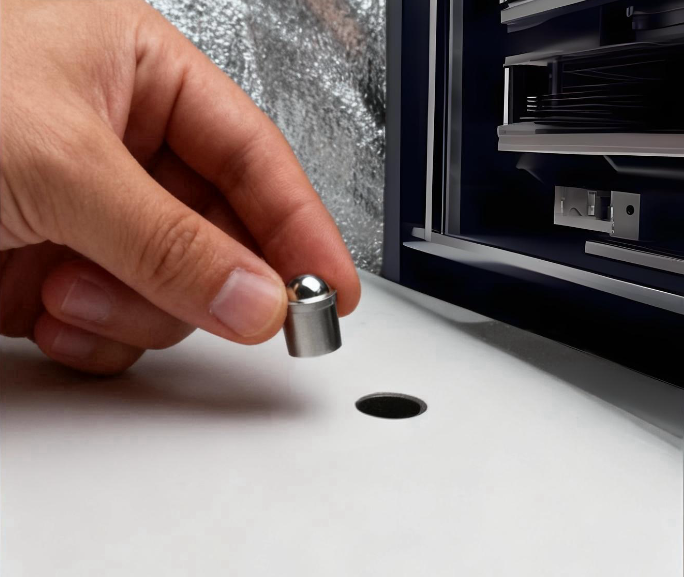
The working principle of a positive locking pin centers on its locking balls and spring mechanism. Here’s a breakdown of its operation:
-
Insertion: When the pin is inserted into a hole, pressing the button or pulling the handle retracts the locking balls.
-
Engagement: Once the pin passes through the aligned holes, releasing the button allows the spring to push the balls outward into a groove or cavity.
-
Locking: The balls lock the pin in place, preventing backward movement or disengagement.
-
Release: Pressing the button or pulling the handle again retracts the balls for pin removal.
This system ensures that the pin cannot be unintentionally removed, offering enhanced security.
Advantages of Using Positive Locking Pins
Positive locking pins offer a range of advantages that make them indispensable in demanding applications:
-
Secure Locking: Locking balls ensure the pin stays in place, even under vibration.
-
Quick Operation: Rapid engagement and release without tools.
-
Repeatability: Consistent and reliable performance over time.
-
Versatility: Available in multiple configurations, materials, and sizes.
-
Safety: Prevents accidental disengagement that could cause mechanical failure.
Applications of Positive Locking Pins
These pins are widely used in environments that demand secure and rapid fastening. Common applications include:
-
Aerospace: Securing aircraft panels, hatches, and interior components.
-
Military and Defense: Used in weapon systems, vehicle maintenance, and field equipment.
-
Automotive: Attaching components during prototyping or race car part changes.
-
Industrial Equipment: Holding jigs, fixtures, and machine guards.
-
Marine: Locking removable equipment and accessories.
-
Medical Devices: Assembly of transportable or modular medical equipment.
Standard Sizes and Specifications
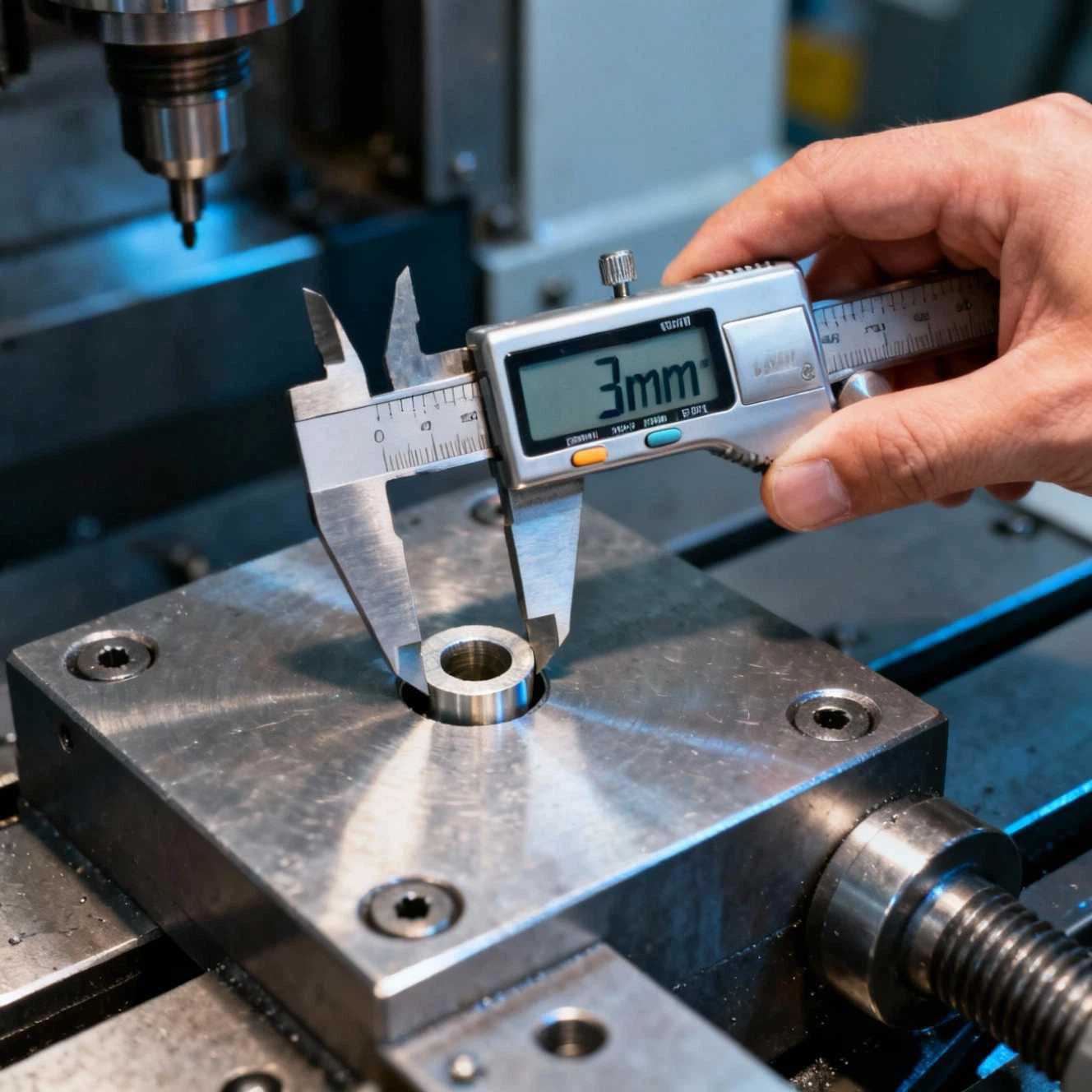
Positive locking pins are often designed to meet industry standards for compatibility and performance. Common standards include:
| Diameter (Inches) | Effective Length (Inches) | Handle Type | Material | Finish |
|---|---|---|---|---|
| 1/4" | 0.50 – 3.00 | Button, T, L | 17-4PH Stainless | Passivated |
| 5/16" | 0.50 – 4.00 | Button, Ring | 4130 Alloy Steel | Black Oxide |
| 3/8" | 1.00 – 5.00 | L, T | 316 Stainless | Electropolished |
| 1/2" | 1.00 – 6.00 | Button, T | 304 Stainless | Zinc Plated |
Note: Custom sizes and configurations are also available for specialized requirements.
Custom Positive Locking Pins
Many manufacturers offer customization options for positive locking pins to meet unique application needs. Custom features may include:
-
Special diameters or lengths
-
Unique handle designs or branding
-
Custom material grades for extreme environments
-
Colored handles for identification
-
Lanyards, tethers, or key rings for retention
Companies like Mocayo Precision Technology specialize in custom manufacturing, ensuring customers receive application-specific solutions with consistent quality and performance.
Installation and Maintenance Tips
To ensure optimal performance and longevity, follow these best practices for using positive locking pins:
-
Inspect Regularly: Check for signs of wear, corrosion, or mechanical damage.
-
Lubricate When Necessary: Apply suitable lubricant to the locking mechanism if operating in dry or abrasive conditions.
-
Keep Clean: Dirt or debris in the locking ball mechanism can affect performance.
-
Replace Damaged Pins: Do not attempt to repair heavily worn or broken pins.
Market Trends and Innovations
The demand for positive locking pins continues to grow due to increased safety regulations and automation in manufacturing. Recent innovations include:
-
Lightweight composite pins for aerospace and automotive.
-
Smart pins with embedded RFID or sensor technologies.
-
Eco-friendly finishes and materials that comply with RoHS and REACH standards.
Manufacturers are also focusing on faster lead times and greater product variety to meet the demands of global OEMs and end-users.
Upgrade your hardware with positive locking pins, offering secure and reliable fastening for industrial, automotive, and machinery applications. Durable, easy to use, and perfect for efficient and seamless operations.
Positive locking pins are a crucial component in industries that require quick, safe, and reliable fastening solutions. Their secure locking mechanisms, material versatility, and ease of use make them a go-to choice for engineers and manufacturers worldwide. As customization and technology continue to evolve, positive locking pins will remain a vital part of high-performance mechanical assemblies.
For businesses seeking dependable fastening solutions, investing in high-quality positive locking pins can significantly enhance operational safety, efficiency, and productivity.
Quick Disconnect Pins
Spring Loaded Release Pin