Pull Pin Spring
Pull Pin Springs: The Unsung Heroes of Precision Fastening
Introduction: Precision in Motion
In today's fast-paced industrial and engineering sectors, components that offer speed, flexibility, and security are more critical than ever. Among these vital pieces, Pull Pin Springs play a pivotal yet often overlooked role. These mechanisms offer reliable fastening, effortless retraction, and secure locking—all in a compact, intuitive form.
From heavy-duty machinery to portable equipment, Pull Pin Springs deliver the kind of quick-release functionality essential to modern design. This article explores the design, applications, variations, materials, and innovations surrounding pull pin springs, highlighting their importance across a broad range of industries.
What Is a Pull Pin Spring?
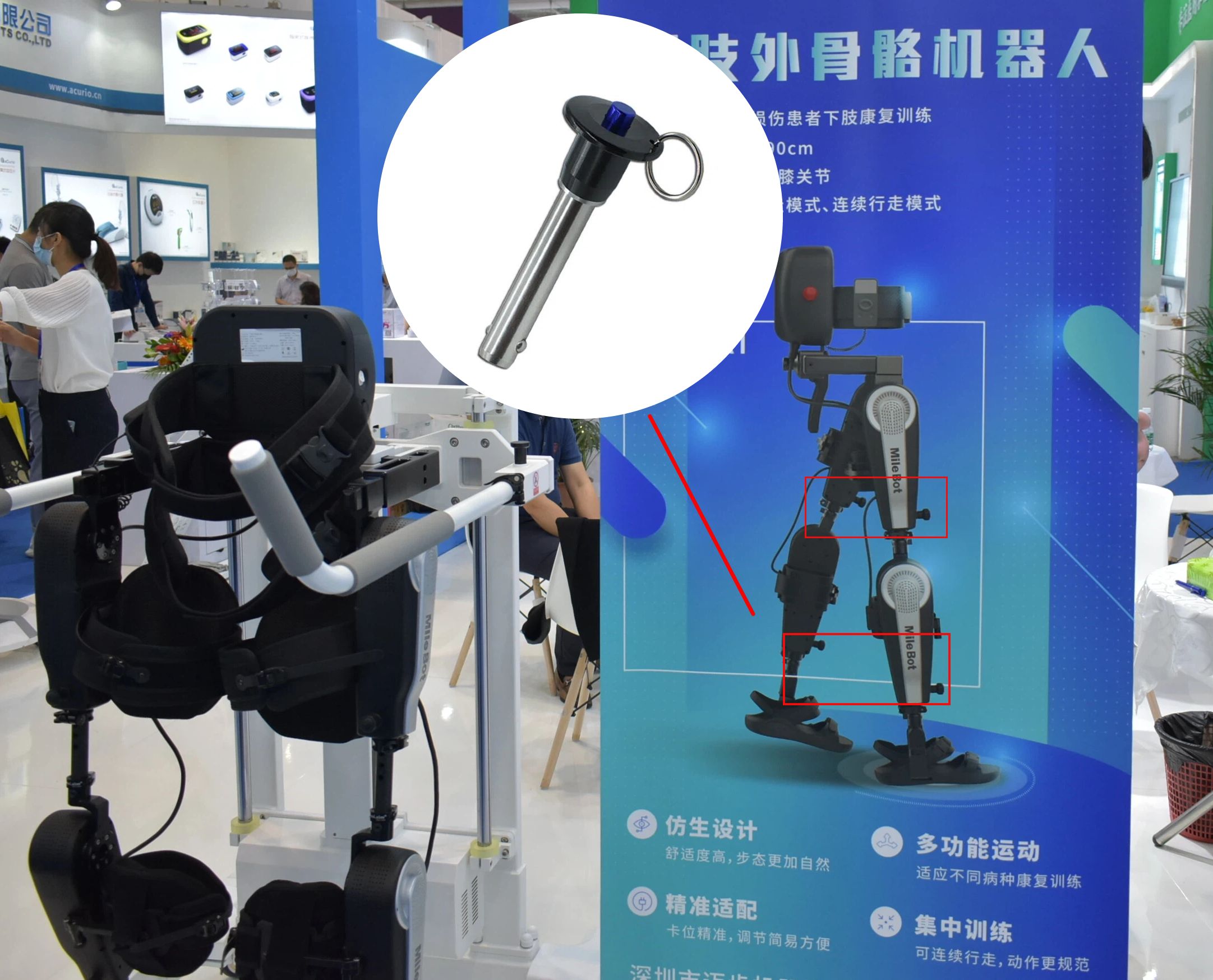
A Pull Pin Spring, often simply called a spring-loaded pull pin, is a mechanical device used to secure, align, or lock components together temporarily, with the aid of a spring-driven mechanism. These fasteners are commonly integrated with a pin that is inserted into a locking position. When the handle or knob is pulled, the spring retracts the pin, allowing for repositioning or removal.

The primary components of a pull pin spring include:
-
Pin Shaft – Often cylindrical or tapered, this is the locking portion that engages into holes or slots.
-
Internal Spring Mechanism – Provides retraction and tension, resetting the pin when not pulled.
-
Housing or Body – Encases the spring and guides the pin.
-
Pull Knob or Ring – Allows manual engagement and retraction of the pin.
-
Mounting Base – Optional, depending on the design and use case.
Pull pin springs are available in manual, automatic, and lock-out designs, tailored for specific operating environments.
Types of Pull Pin Springs
While the basic principle is consistent, pull pin springs come in a variety of designs to suit different engineering requirements. The most common types include:
1. Standard Pull Pin Spring
This type consists of a simple pin that retracts when the knob is pulled and automatically returns to the locked position when released. It is widely used for fixtures, safety locks, and movable structures.
2. Lock-Out Pull Pin
In lock-out versions, the pin can be held in a retracted position to allow for free movement. This is especially useful when the operator does not want the pin to auto-return each time.
3. T-Handle Pull Pin
Instead of a round knob or ring, a T-handle offers better grip and leverage, ideal for applications requiring greater force or wearing gloves.
4. L-Handle Pull Pin
These pins use an L-shaped handle and are typically used where side clearance is limited or where torque from an awkward angle is required.
5. Threaded and Flanged Base Variants
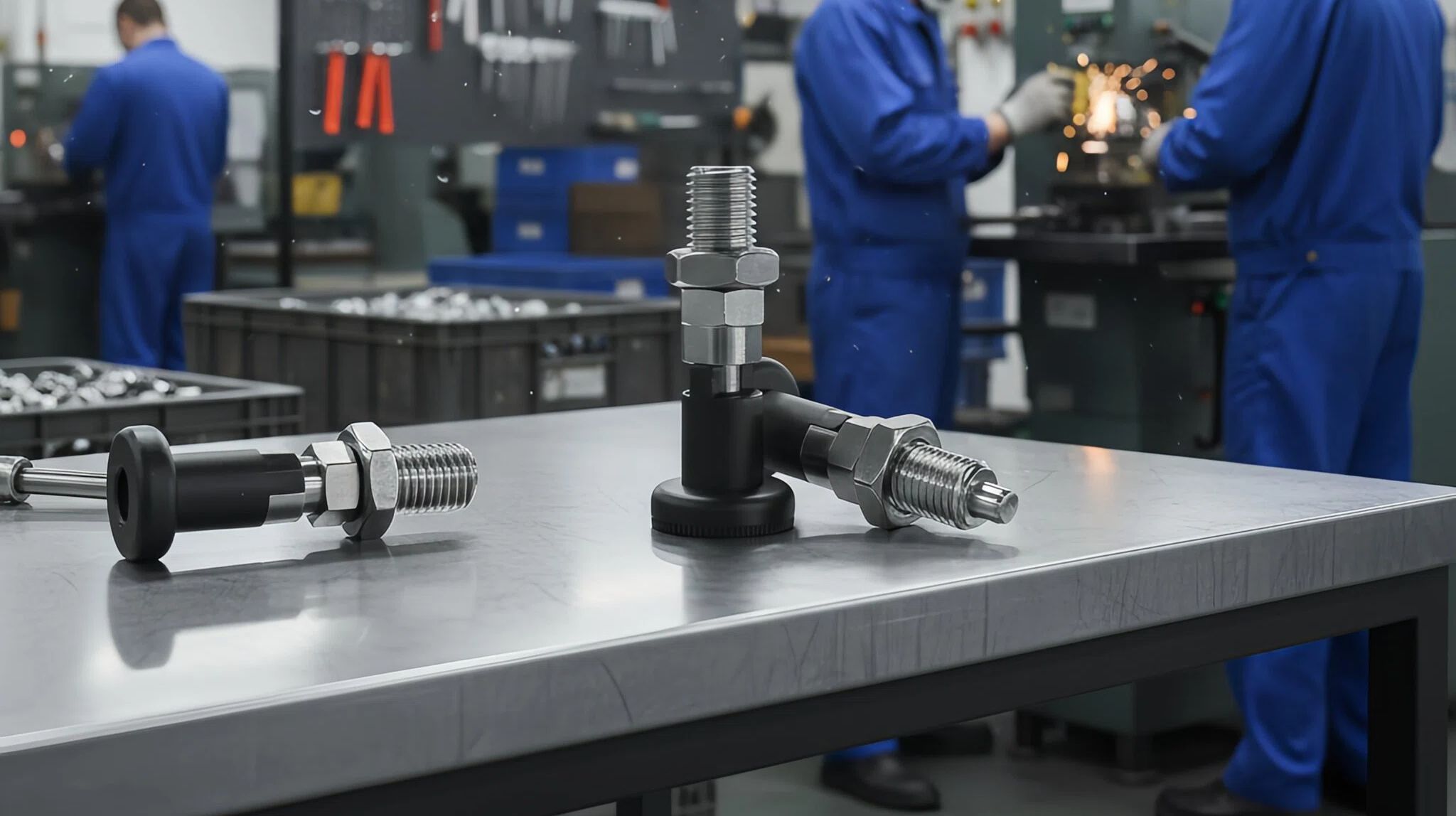
Pull pins are offered with threaded bodies for installation into tapped holes or flanged bases for bolted mounting. Both options offer secure attachment and reliable alignment.
Key Advantages of Pull Pin Springs
Pull pin springs provide a combination of performance and convenience that’s difficult to match. Some of the core advantages include:
-
Tool-Free Operation: Allows rapid manual engagement and release without tools.
-
Secure Locking: Spring tension ensures positive locking and automatic reset.
-
Durability: With corrosion-resistant materials, they perform under heavy load and in harsh environments.
-
Versatility: Suitable for both fixed installations and movable assemblies.
-
Repeatability: Ideal for repetitive operations such as fixture indexing and maintenance locking.
-
Compact Design: Takes up minimal space while providing mechanical efficiency.
Applications Across Industries
Pull pin springs are used in a wide range of applications where quick changeovers, repositioning, or safety locking are required. Below are some of the most common industry-specific uses:
1. Manufacturing and Automation
-
Assembly lines
-
Workholding fixtures
-
Machine guards
-
Adjustable platforms
2. Construction and Heavy Equipment
-
Mobile scaffolding
-
Excavator attachments
-
Ladder positioning systems
-
Locking mechanisms in lifts
3. Aerospace and Aviation
-
Cargo securing systems
-
Ground support equipment
-
Panel locks
-
Emergency egress mechanisms
4. Marine and Outdoor Equipment
-
Boat seating and railing systems
-
Trailer locks
-
Telescopic poles
-
Outdoor furniture
5. Medical and Laboratory Equipment
-
Diagnostic machines
-
Rolling carts
-
Modular workstations
6. Military and Defense Systems
-
Weapon mounting systems
-
Vehicle access panels
-
Tactical equipment quick-disconnects
In all these settings, pull pin springs improve safety, efficiency, and user-friendliness.
Materials and Surface Treatments
To meet the diverse demands of different industries, pull pin springs are available in various materials and finishes:
Pin Shaft and Housing Materials
-
Stainless Steel (304, 316): Excellent for corrosion resistance in marine, medical, and food-grade applications.
-
Carbon Steel: High strength, cost-effective option for general industrial use.
-
Aluminum: Lightweight and corrosion-resistant; ideal for portable systems.
-
Brass or Bronze: Suitable for non-sparking and electrical conductivity.
Spring Materials
-
Stainless Steel Wire: Most commonly used for corrosion resistance and strength.
-
Music Wire: High carbon spring steel with excellent fatigue life.
-
Phosphor Bronze: Used in applications requiring electrical conductivity or anti-corrosive performance.
Surface Finishes
-
Black Oxide: Provides corrosion resistance and a sleek finish.
-
Zinc Plating: Common for carbon steel to protect from rust.
-
Passivation: Used for stainless steel to enhance corrosion resistance.
-
Anodizing: Used with aluminum components for a durable surface.
Standard Sizes and Dimensional Specifications
While pull pin springs can be fully customized, many manufacturers offer standard sizes based on international norms. These specifications cover:
-
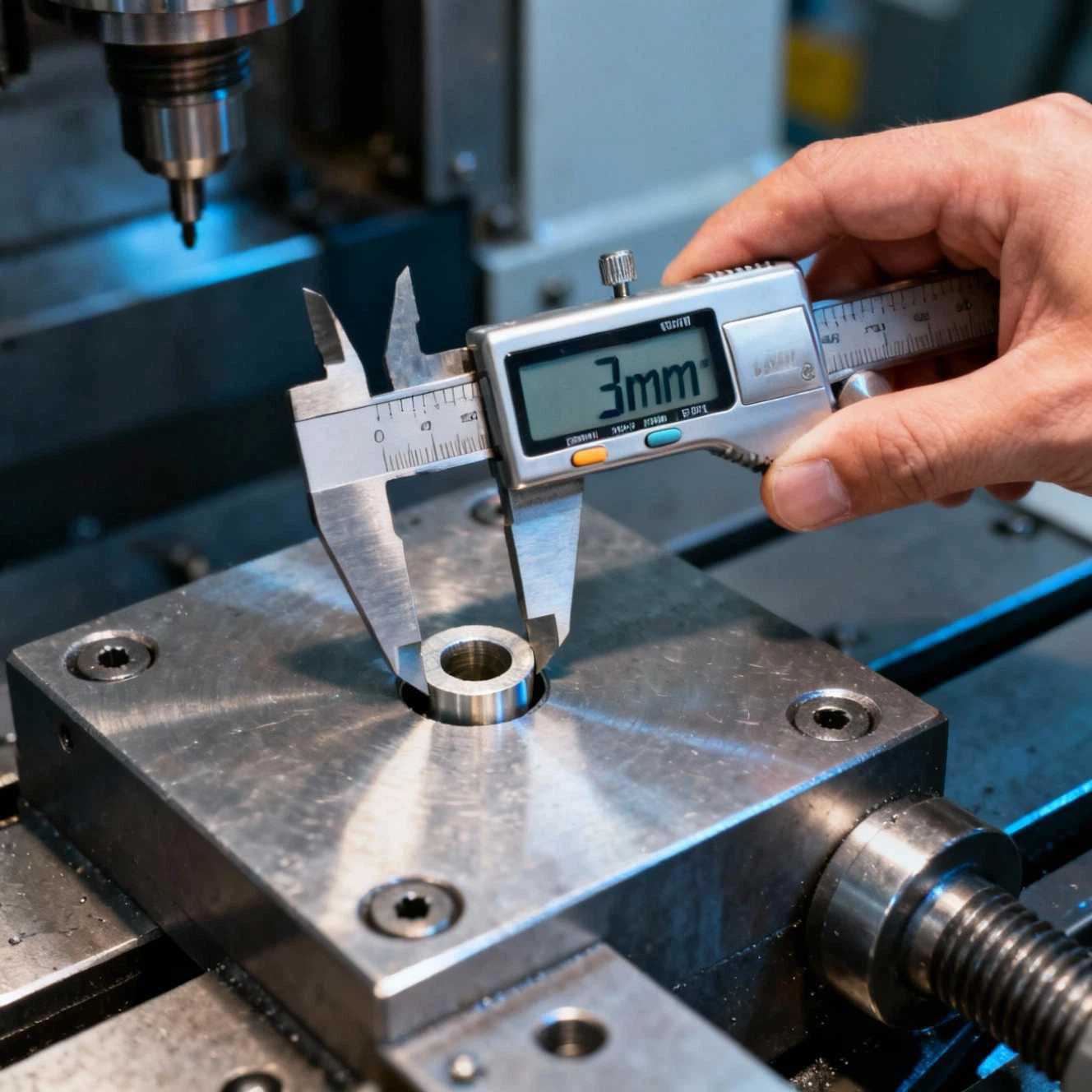
Pin Diameter: Ranges from 3mm to 20mm (or 1/8" to 3/4")
-
Plunger Length: Varies by application (typically 10mm to 100mm)
-
Threaded Mounting Sizes: M5 to M16, or 1/4"-20 to 5/8"-11
-
Handle Styles: Round knob, ring pull, T-handle, L-handle
Designers can choose these dimensions based on load-bearing needs, installation method, and environmental exposure.
Customization Capabilities
For unique applications, pull pin springs can be fully customized. Leading manufacturers like Mocayo Precision Technology Co., Ltd. offer design services to tailor:
-
Overall Length and Travel Distance
-
Pin Diameter and Tolerances
-
Spring Force and Compression Strength
-
Thread Style and Length
-
Handle Design and Ergonomics
-
Material Combinations
-
Color Coding or Branding
Such customization ensures optimal integration into proprietary equipment or highly regulated environments.
How to Install and Maintain Pull Pin Springs
Proper installation and care of pull pin springs can maximize performance and extend service life. Here are some best practices:
Installation Tips
-
Align the pin with the corresponding hole or slot before actuation.
-
Use thread-locking compounds if the application involves vibration.
-
Avoid excessive side loads to prevent premature wear.
Maintenance Guidelines
-
Clean regularly to remove debris, especially in outdoor or dusty environments.
-
Lubricate the pin shaft periodically to reduce friction and sticking.
-
Inspect for spring fatigue, corrosion, or mechanical deformation.
Most high-quality pull pin springs require minimal maintenance, making them ideal for applications where uptime is critical.
Engineering Considerations and Design Tips
When specifying a pull pin spring for an application, engineers should evaluate:
-
Load Capacity – How much force will the pin need to resist?
-
Cycle Rate – Is the application high-frequency or occasional use?
-
Environmental Exposure – Will the unit face saltwater, chemicals, or outdoor conditions?
-
Manual or Automatic Retraction – Is a lock-out feature necessary?
-
Mounting Style – Will the pin be installed into a threaded hole or need a flange for surface mounting?
Proper selection based on these criteria ensures optimal performance, long-term durability, and safety.
Trends and Innovations in Pull Pin Technology
As industries demand smarter, lighter, and more versatile components, pull pin springs are also evolving. Notable trends include:
-
Miniaturized Pull Pins – For use in compact electronics and precision tools.
-
Color-Coded Handles – For quick visual identification.
-
Smart Locking Systems – Integration with sensors or actuators for automated locking/unlocking.
-
Reinforced Spring Materials – New alloys that offer longer life cycles and greater fatigue resistance.
-
Biocompatible Materials – For surgical instruments and cleanroom devices.
These advancements ensure pull pin springs remain relevant in next-generation manufacturing and design.
Case Study: Pull Pin Springs in Agricultural Equipment
A leading farm equipment manufacturer integrated pull pin springs into their modular tiller design. The result:
-
60% reduction in assembly time
-
Fewer maintenance calls due to simple, robust operation
-
Increased customer satisfaction and product versatility
This example demonstrates the transformative impact of a seemingly small component when thoughtfully integrated.
Enhance your hardware with pull pin springs, offering quick-release and secure fastening for industrial, automotive, and DIY applications. Durable, reliable, and easy to use—perfect for efficient and seamless operations.
Pull pin springs are more than just mechanical fasteners—they are precision tools that enhance safety, speed, and reliability across virtually every industry. Whether used to lock, align, reposition, or secure, their spring-loaded action brings unmatched versatility to engineers and technicians alike.
With customizable designs, advanced materials, and expanding applications, pull pin springs will continue to be essential components in the future of mechanical and automated systems.
Plastic Ball Spring Plunger
Spring Loaded Fastener