Pull Pin
Pull Pins: The Backbone of Efficient and Secure Mechanical Assembly
Introduction to Pull Pins
In the realm of industrial manufacturing, quick adjustment and secure locking mechanisms are critical for operational efficiency. One of the most reliable and widely used components for these purposes is the pull pin. Often overlooked due to its compact size, the pull pin is a precision-engineered mechanical fastener that plays a vital role in various industries including aerospace, automotive, medical equipment, and manufacturing machinery.
What Is a Pull Pin?
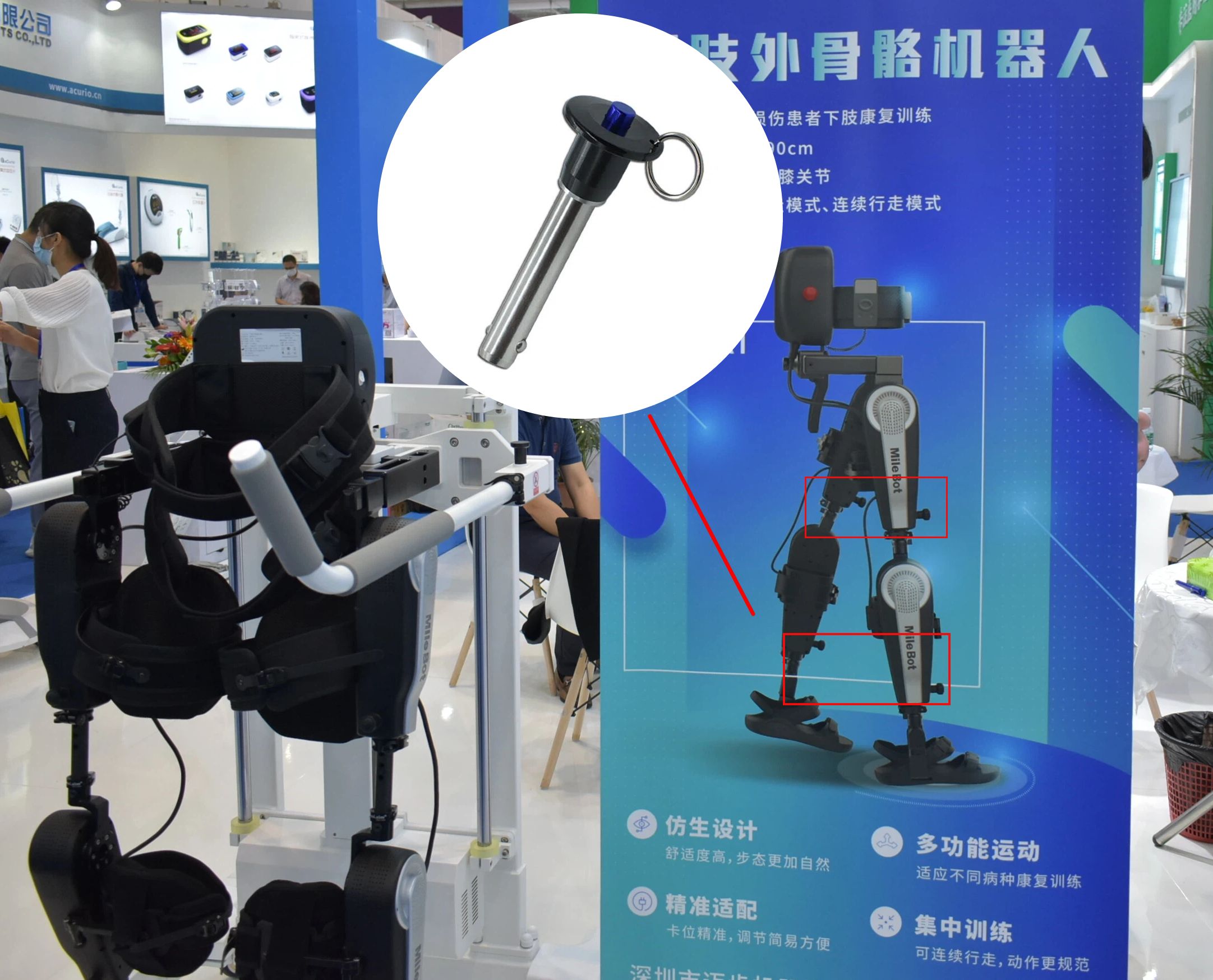
A pull pin is a mechanical fastener that allows for rapid connection and disconnection of parts without the need for tools. It is generally composed of a pin shaft, a handle or button, and a locking mechanism such as a spring or ball detent. The primary function of a pull pin is to lock components in place or allow for quick adjustments in position.
Pull pins are essential where frequent, tool-free adjustments or secure locking is necessary, especially in movable structures or assemblies that need to be reconfigured often.


Types of Pull Pins
The versatility of pull pins is evident in the variety of types available for specific applications. Some of the most common types include:
1. Spring-Loaded Pull Pins
These pins are designed with an internal spring mechanism that automatically locks the pin into position. The user pulls the knob to disengage the pin and releases it to re-engage. This is ideal for quick-release operations.
2. Locking Pull Pins
These come with a locking mechanism that prevents the pin from disengaging unless a button or latch is pressed. This adds an extra layer of security in high-vibration or load-bearing environments.
3. Detent Pull Pins
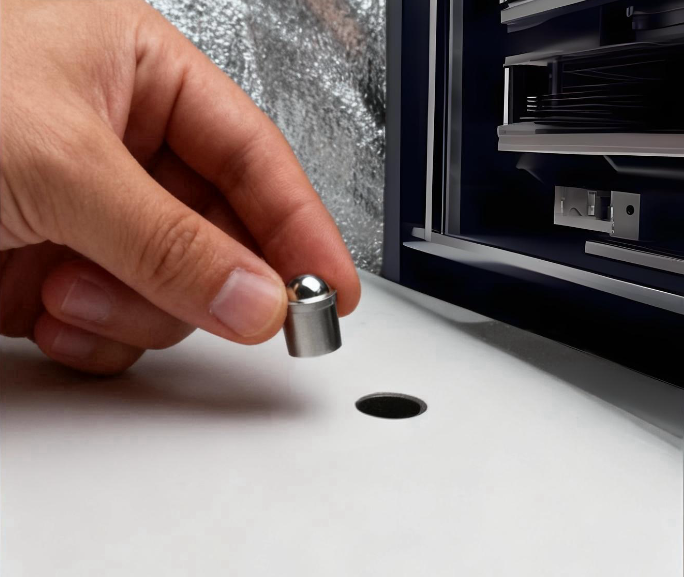
These pins include spring-loaded ball bearings that snap into a groove or hole, securing the pin in place. They are best suited for light-duty applications.
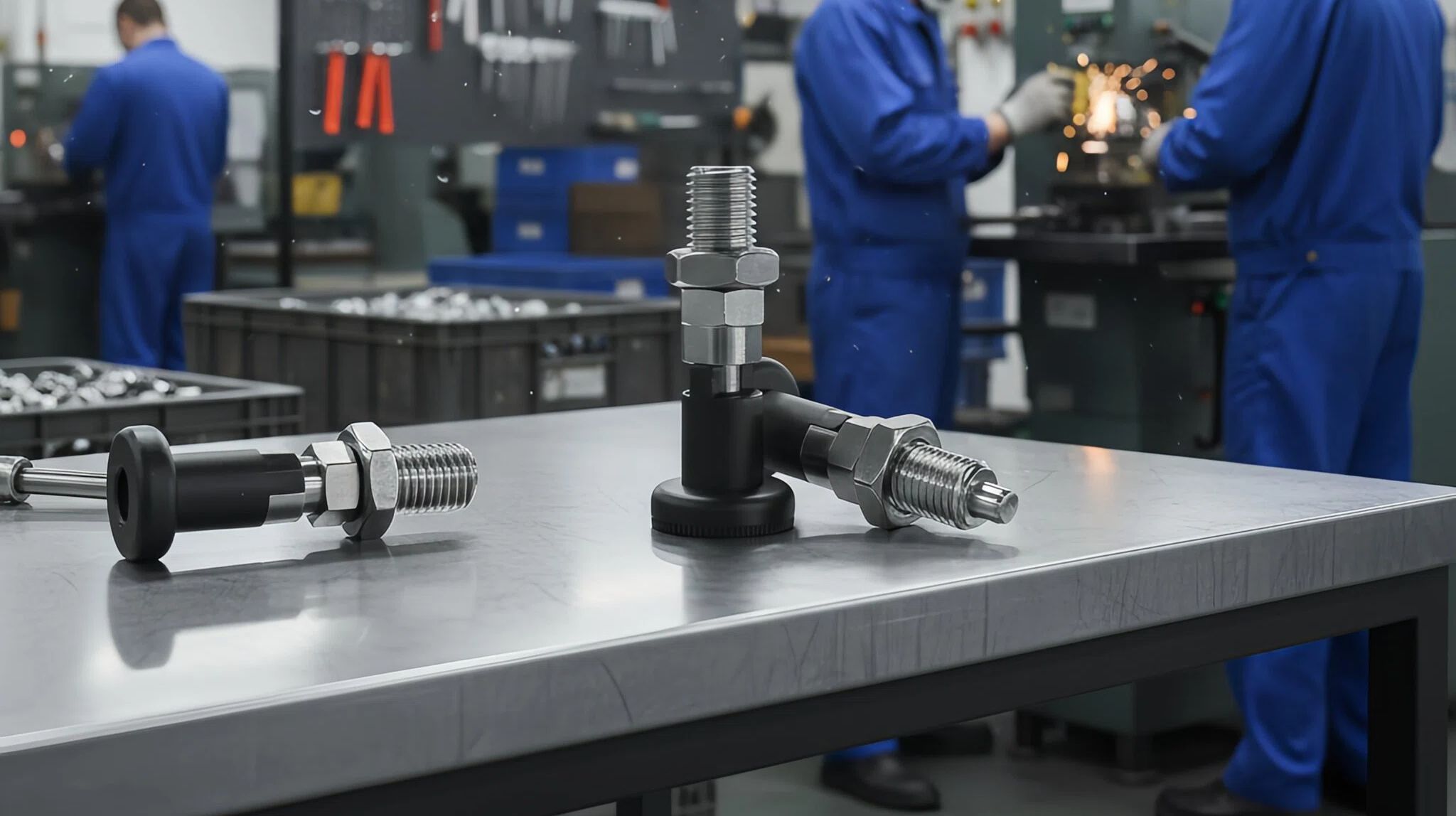
4. Threaded Pull Pins
These have threaded ends for semi-permanent installations where occasional removal is required.
5. T-Handle and L-Handle Pull Pins
Designed for ergonomic use, the T-handle and L-handle pull pins are often used in assembly lines or mechanical equipment where frequent use is expected.
Key Features and Advantages
Pull pins are engineered with numerous features that make them indispensable in modern mechanical design:
-
Ease of Use: Most pull pins are tool-free, allowing for quick manual adjustments.
-
Durability: Constructed from high-strength materials like stainless steel, aluminum, or carbon steel.
-
Corrosion Resistance: Available with coatings like zinc plating or made from stainless materials for outdoor and marine applications.
-
Customizable: Available in multiple lengths, diameters, and handle configurations.
Materials Used in Pull Pin Manufacturing
The performance and reliability of pull pins are highly influenced by the materials used in their construction. The most common materials include:
-
Stainless Steel: Known for corrosion resistance and strength.
-
Carbon Steel: Offers strength at a lower cost but needs protective coatings.
-
Aluminum: Lightweight and corrosion-resistant, suitable for applications where weight is a concern.
-
Plastic Components: Used in knobs and handles for better grip and reduced thermal conductivity.
Applications of Pull Pins
Pull pins are used across a wide range of industries due to their versatility:
1. Aerospace Industry
In aircraft seating and cargo handling systems, pull pins allow for quick configuration changes.
2. Medical Devices
Pull pins are used in adjustable hospital beds, wheelchairs, and other mobility aids where easy customization is required.
3. Automotive
Quick-release mechanisms in seats, adjustable components, and racing vehicles often utilize pull pins.
4. Construction and Heavy Machinery
In scaffolding, adjustable brackets, and hydraulic equipment, pull pins provide both security and flexibility.
5. Fitness Equipment
Weight adjustment mechanisms in gym machines often depend on reliable pull pins for user safety.
Standard Specifications and Dimensions
Though sizes can be customized, many pull pins follow general industry dimensions for interchangeability. Typical parameters include:
-
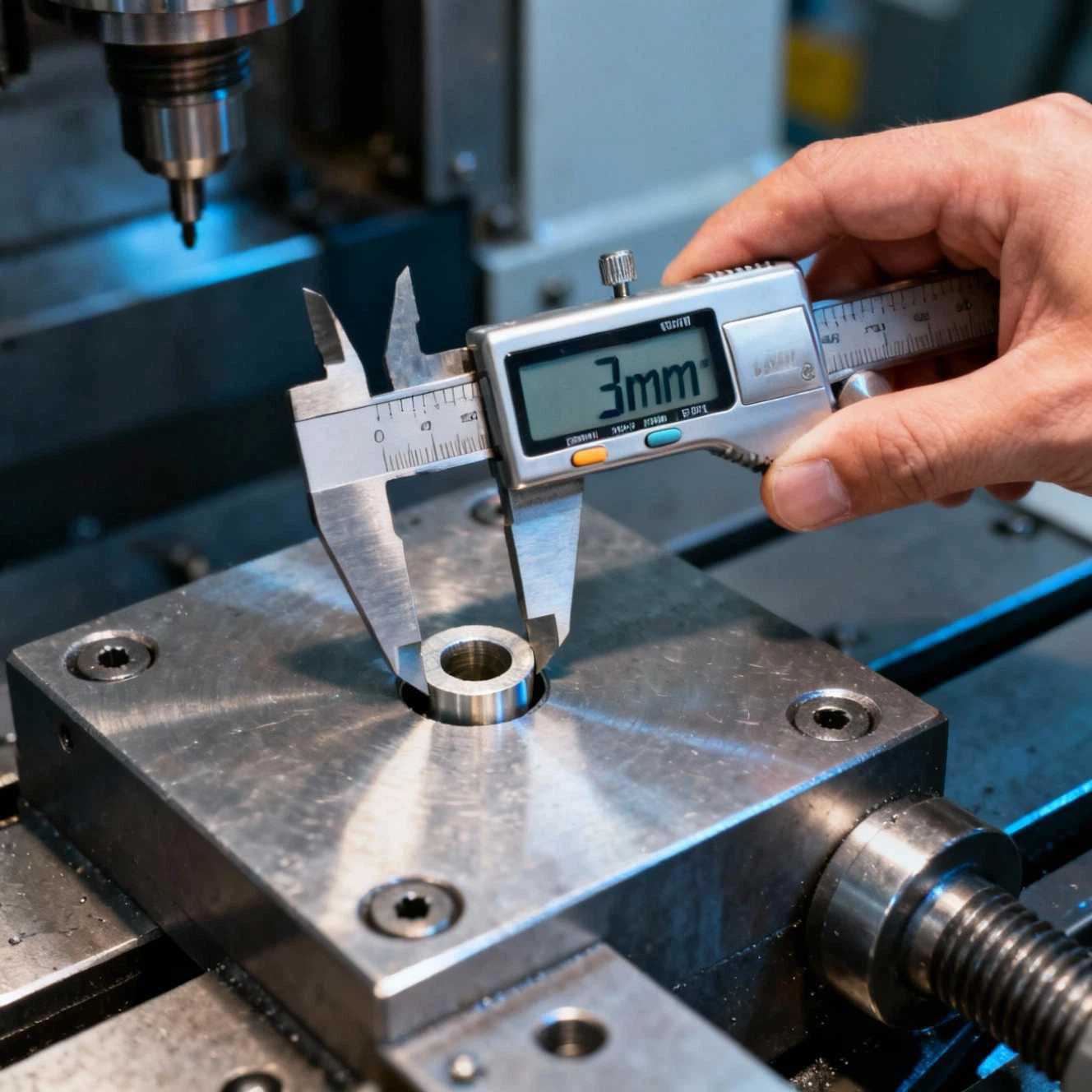
Diameter: Ranges from 3mm to 20mm
-
Pin Length: Typically from 20mm to 150mm
-
Grip Length: Customized based on the application
-
Handle Styles: Round, T-handle, L-handle, or custom molded
-
Load Ratings: Vary depending on pin diameter and material, usually from 100N to over 1000N
Design Considerations
When selecting a pull pin for any application, it’s essential to consider the following:
-
Load Requirements: Ensure the pin can withstand the mechanical stress involved.
-
Operating Environment: Choose corrosion-resistant materials for outdoor or marine use.
-
Frequency of Use: For frequent adjustments, ergonomic handles and durable mechanisms are preferred.
-
Clearance and Accessibility: Make sure the pin and handle are easily accessible during operation.
Installation and Maintenance
Installation is typically straightforward: the pull pin is inserted into pre-drilled holes, often accompanied by a spring clip or retention ring. Maintenance is minimal but important:
-
Lubrication: Periodic lubrication prevents rust and ensures smooth operation.
-
Inspection: Regular checks for wear and fatigue help avoid failures.
-
Replacement: Pins showing signs of corrosion or mechanical damage should be replaced immediately.
Customization Options
Leading manufacturers like Mocayo Precision Technology Co., Ltd. offer extensive customization services for pull pins:
-
Custom Grip Designs: T-handle, ring, button-top, etc.
-
Material Finishes: Black oxide, anodizing, zinc plating
-
Laser Engraving: For branding or part number identification
-
Threaded or Non-Threaded Options
Why Choose Mocayo for Pull Pins?
Mocayo is a trusted supplier of high-precision mechanical components including pull pins, with a strong commitment to quality and innovation. Benefits of partnering with Mocayo include:
-
Advanced CNC Manufacturing Capabilities
-
ISO-Certified Quality Control Processes
-
Short Lead Times and Global Shipping
-
Support for OEM and Custom Projects
Upgrade your hardware with pull pins, offering secure and quick-release functionality for industrial, automotive, and machinery applications. Durable, reliable, and easy to use—perfect for efficient operations.
As machinery becomes more sophisticated, the need for secure, quick-release fasteners will continue to grow. Pull pins, with their adaptability and reliability, will remain integral to mechanical assemblies across sectors. Whether you're designing lightweight aerospace components or heavy-duty construction machinery, the right pull pin can make all the difference in performance and safety.
With advancements in material science and ergonomic design, the next generation of pull pins promises even greater functionality, durability, and ease of use.
Retractable Spring Plungers
Spring Locating Pins