Quick Disconnect Pins
Quick Disconnect Pins: A Comprehensive Guide to Efficiency and Versatility in Industrial Fastening
Introduction
In the fast-paced world of modern engineering and industrial manufacturing, ease of assembly and disassembly is a major priority. Quick disconnect pins, also known as quick release pins, play a pivotal role in achieving this efficiency. These components are widely used across a range of industries such as aerospace, automotive, construction, marine, and medical equipment due to their ability to provide secure yet quickly releasable fastening. This article dives deep into the world of quick disconnect pins — covering their types, materials, applications, advantages, and design standards.
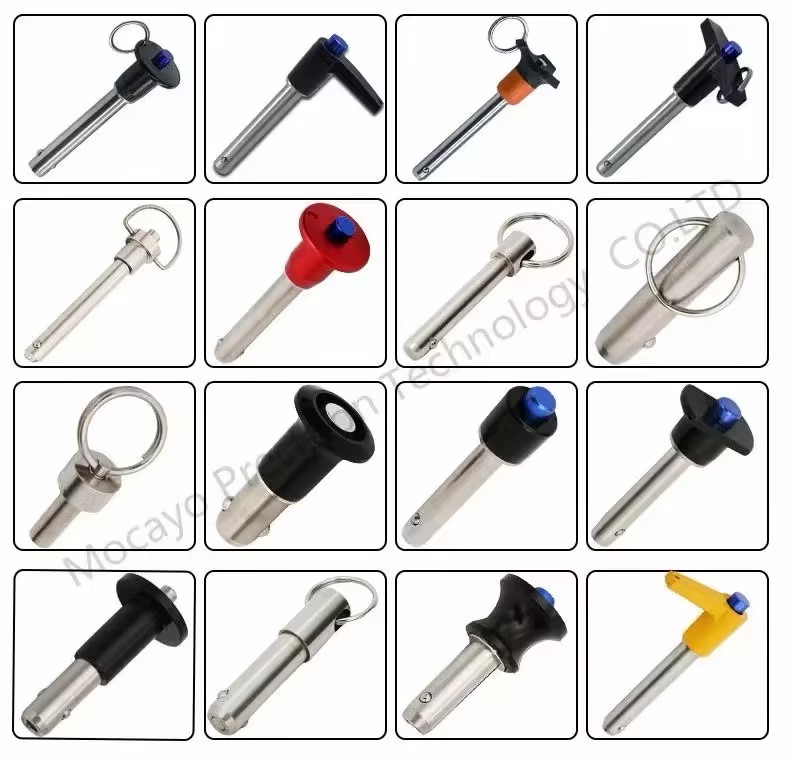
What Are Quick Disconnect Pins?
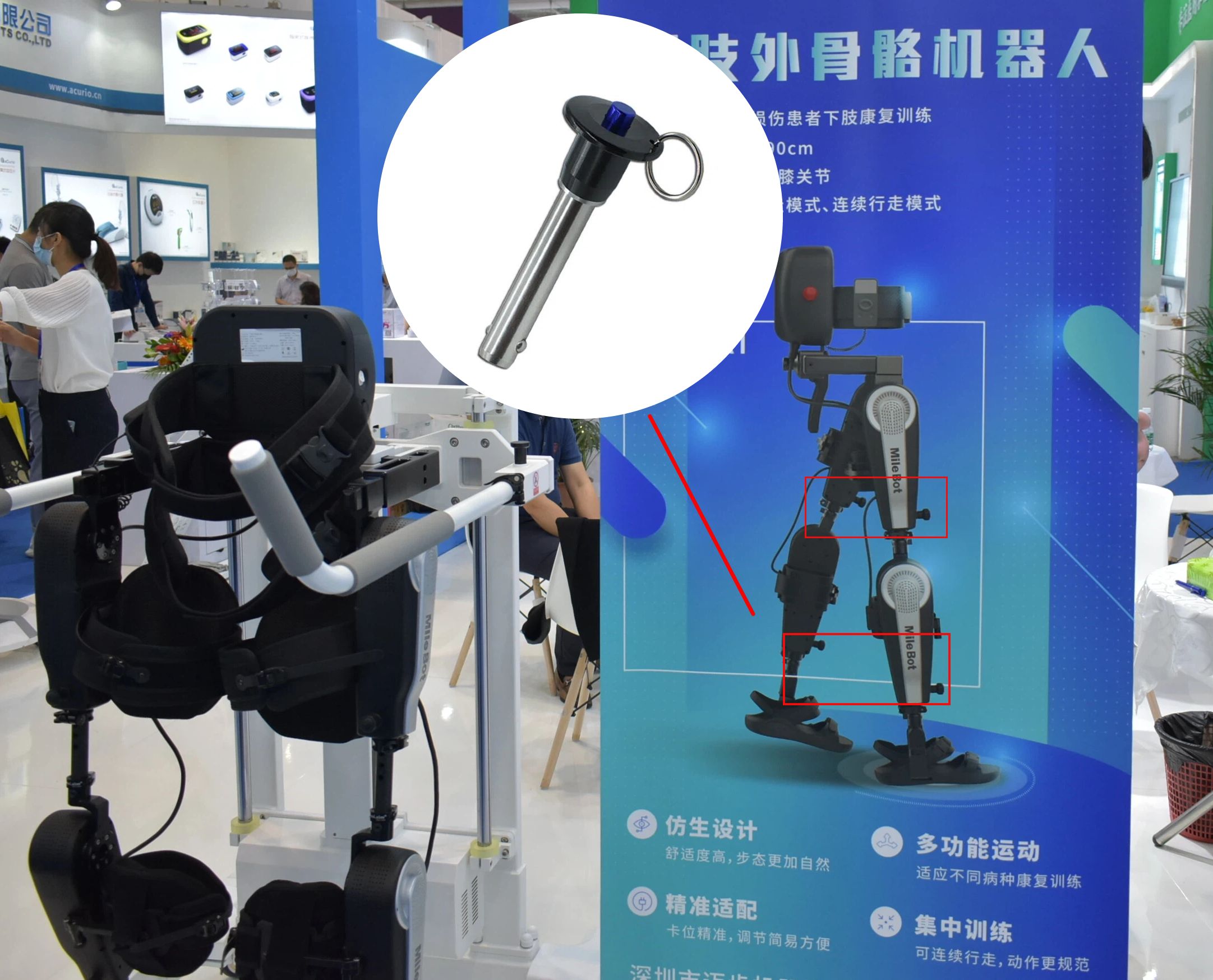
Quick disconnect pins are mechanical fasteners designed to rapidly and easily connect or disconnect two or more components. They feature a simple mechanism that allows for manual installation and removal without the need for additional tools. These pins are commonly designed with a push-button or ball-lock system that secures the pin in place until manually released.
Their construction usually includes a pin body, a locking mechanism (such as ball bearings), a release handle or button, and often a tether or lanyard to prevent loss. Due to their versatility, quick disconnect pins are available in numerous sizes and configurations to suit various load and environmental conditions.
Common Types of Quick Disconnect Pins
1. Ball Lock Pins
Ball lock pins feature a push-button at the head. When the button is pressed, internal spring-loaded balls retract, allowing the pin to be inserted or removed from a hole. Releasing the button causes the balls to expand and lock the pin in place.
2. T-Handle and L-Handle Pins
These pins use either a T or L-shaped handle to make gripping and pulling easier, especially when operators are wearing gloves or need added leverage.
3. Detent Pins
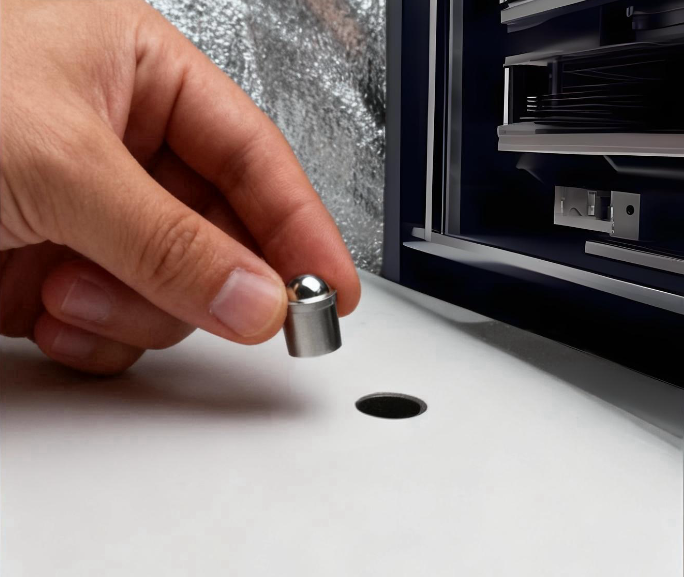
Detent pins include a spring-loaded ball at the end that compresses as the pin is inserted and pops out to lock the pin in place once it passes through the mating holes.
4. Wire Lock Pins
Wire lock pins include a pivoting wire loop that can be closed to lock the pin and opened to remove it. These are often used in agricultural and utility trailers.
5. Ring Handle Pins
With a simple ring handle, these pins are easy to attach to lanyards or cables and offer fast handling in light to moderate-duty applications.
Materials Used in Quick Disconnect Pins
Stainless Steel
The most common material for quick disconnect pins due to its corrosion resistance, strength, and durability. Grades like 304 and 316 stainless steel are preferred in marine or medical applications.
Aluminum
Used for lightweight applications, aluminum offers good corrosion resistance and is easier to machine but is not suitable for high-stress environments.
Carbon Steel
Provides excellent strength and is often used with zinc or black oxide coatings to improve corrosion resistance. It is cost-effective and widely used in heavy-duty applications.
Plastic and Composite Materials
These are used in lightweight and non-conductive applications such as medical equipment or electronic housings. However, they are less durable and more prone to wear.
Key Features and Functional Benefits
Ease of Use
Quick disconnect pins are designed for manual operation, minimizing installation time and removing the need for tools.
Safety
Many quick disconnect pins feature fail-safe locking mechanisms that ensure they stay securely in place under load.
Durability
With options in stainless steel and other robust materials, these pins can withstand high shear loads, extreme temperatures, and exposure to corrosive environments.
Versatility
From aerospace to agricultural machinery, quick disconnect pins are compatible with countless applications and offer customization in length, diameter, handle type, and locking mechanism.
Cost-Effectiveness
By reducing downtime and labor associated with installation and removal, quick disconnect pins offer long-term operational cost savings.
Applications Across Industries
Aerospace and Defense
Used for fastening aircraft panels, securing equipment, and assembly jigs where maintenance or reconfiguration is frequent.
Automotive and Motorsports
Ideal for racing vehicles where components must be changed quickly, such as hoods, seats, and body panels.
Medical Devices
Used in adjustable hospital beds, patient support equipment, and surgical instruments due to their hygienic design and tool-free removal.
Marine and Offshore Equipment
Quick disconnect pins resist saltwater corrosion and are used for marine rigging, dive gear, and watercraft components.
Agricultural and Construction Machinery
Enable quick change of attachments and adjustable parts on tractors, plows, and trailers.
Design and Engineering Considerations
When selecting or designing a quick disconnect pin, engineers consider the following factors:
1. Load Capacity
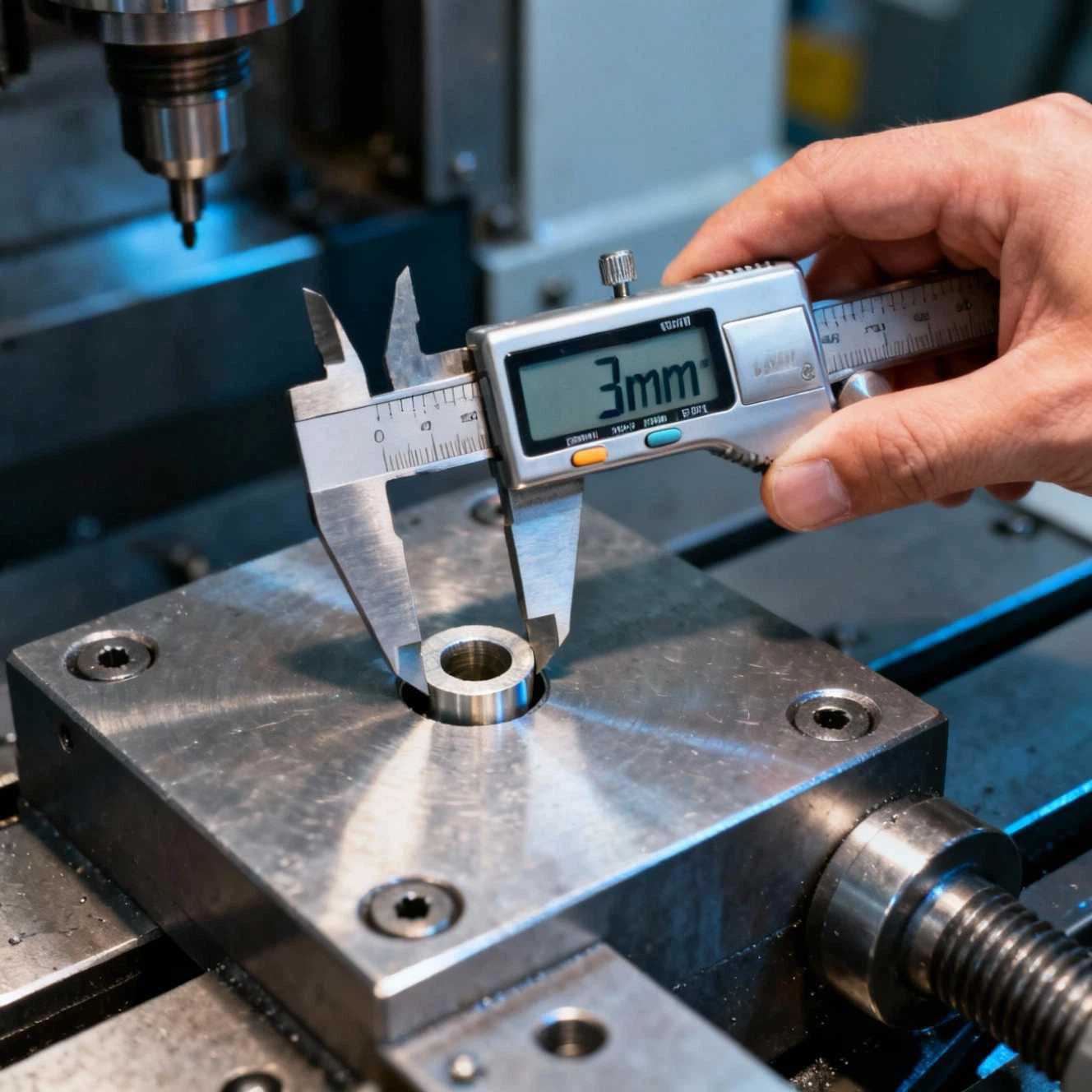
Shear strength and tensile strength must match the application’s demands. The pin diameter and material directly influence this.
2. Pin Length and Grip Range
The effective length of the pin (the portion that passes through the hole) must be sufficient for the materials being fastened.
3. Locking Mechanism
Different locking mechanisms offer different levels of security and ease of use. For high-load or vibration-prone environments, a more robust lock is required.
4. Environmental Resistance
Stainless steel or coated carbon steel may be needed for environments with moisture, salt, chemicals, or extreme temperatures.
5. Ergonomic Design
Handle type and button resistance should suit the intended users — from gloved hands on a farm to precise operation in surgical tools.
Installation and Maintenance Guidelines
To maximize the life and performance of quick disconnect pins, the following practices are recommended:
-
Lubrication: Apply appropriate grease to moving parts to prevent wear.
-
Inspection: Regularly check for wear, cracks, or corrosion.
-
Replacement: Replace pins showing signs of deformation or weakened locking action.
-
Proper Use: Ensure the pin is used within its rated capacity to avoid accidental disengagement.
Customization and OEM Solutions
Many manufacturers, including Mocayo Precision Technology, offer custom quick disconnect pins tailored to OEM specifications. Customizations may include:
-
Unique handle shapes or labels
-
Special coatings for enhanced corrosion resistance
-
Modified lengths or diameters
-
Integrated lanyards or cables
-
Dual-function pins with multiple locking stages
OEMs in aerospace, automation, and healthcare frequently request these solutions to integrate seamlessly into their proprietary assemblies.
Global Standards and Compliance
To ensure compatibility and safety, quick disconnect pins often conform to international standards such as:
-
MIL-P-23408: U.S. Military standard for locking pins
-
DIN EN ISO 23408: European standard for industrial locking pins
-
ASME B18.8.2: Standard for pins and fasteners
-
RoHS and REACH Compliance: For environmentally safe materials
Using compliant pins ensures reliability, especially in regulated industries like aerospace or medical.
Future Trends in Quick Disconnect Pin Design
Smart Pins
Integration of RFID tags or QR codes for inventory tracking and predictive maintenance.
Lightweight Materials
Continued development of high-strength, lightweight composites for use in electric vehicles and drones.
Automation Compatibility
Designs that suit robotic assembly lines or can be engaged/disengaged by automated equipment.
Eco-Friendly Manufacturing
Sustainable materials and processes are being developed to reduce environmental impact, especially in high-volume applications.
Enhance your hardware with quick disconnect pins, offering secure and rapid fastening for industrial, automotive, and machinery applications. Durable, reliable, and easy to use—perfect for efficient operations.
Quick disconnect pins are an indispensable part of modern engineering and assembly. Their ability to provide secure fastening with quick manual release makes them ideal for countless applications across a wide range of industries. As technology evolves, so too does the design and functionality of these pins — moving towards more advanced, lightweight, and smart solutions.
For manufacturers and engineers seeking efficiency, safety, and adaptability, investing in high-quality quick disconnect pins is a strategic choice. Companies like Mocayo Precision Technology lead the way in offering both standard and customized solutions tailored to your exact needs.
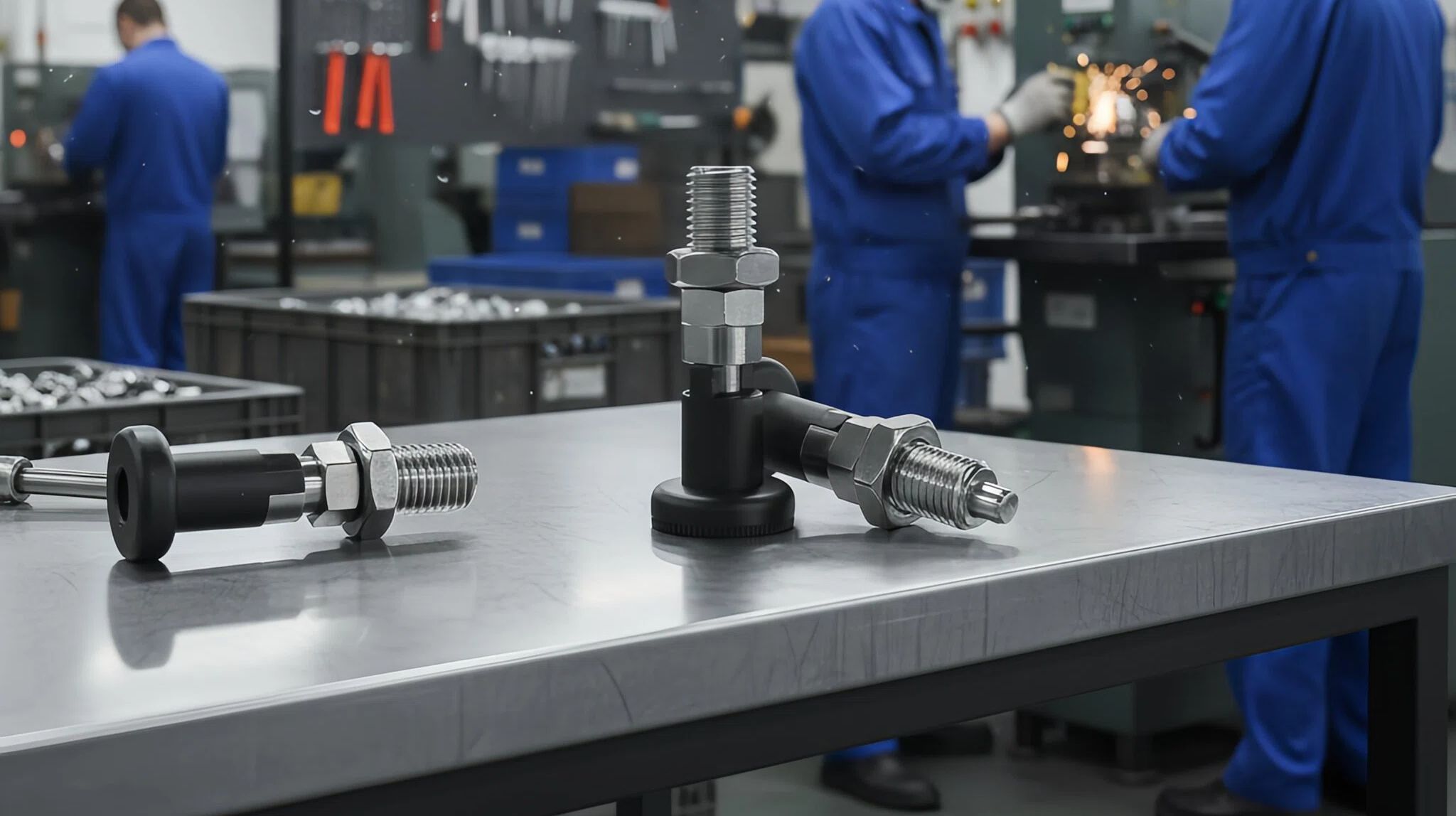
Locking Index Plunger
Positive Locking Pins