Quick Release Locking Mechanism
Quick Release Locking Mechanism: Revolutionizing Fastening Technology Across Industries
Introduction
The increasing demand for efficient, secure, and user-friendly fastening systems in modern engineering has led to the widespread adoption of Quick Release Locking Mechanisms (QRLM). These systems enable users to rapidly and securely connect or disconnect components without the need for traditional tools. The reliability and versatility of QRLMs have made them indispensable in aerospace, automotive, medical, manufacturing, and consumer product sectors. This article explores the working principles, types, design considerations, material choices, industry applications, and the international standards governing Quick Release Locking Mechanisms.
What is a Quick Release Locking Mechanism?
A Quick Release Locking Mechanism is a precision-engineered system designed to provide fast, repeatable, and secure connections between mechanical components. These mechanisms can be engaged or disengaged manually or automatically, enabling rapid changes or maintenance without the need for screwdrivers, wrenches, or other tools. Unlike standard pins or fasteners, QRLMs combine speed with security, ensuring components stay locked under stress or vibration.

Key Characteristics
-
Tool-Free Engagement and Disengagement
-
High Load-Bearing Capacity
-
Corrosion Resistance and Long-Term Durability
-
Compact and Lightweight Design
-
Secure Under Dynamic and Static Loads
Common Types of Quick Release Locking Mechanisms
QRLMs come in a wide variety of designs, each optimized for specific use cases:
-
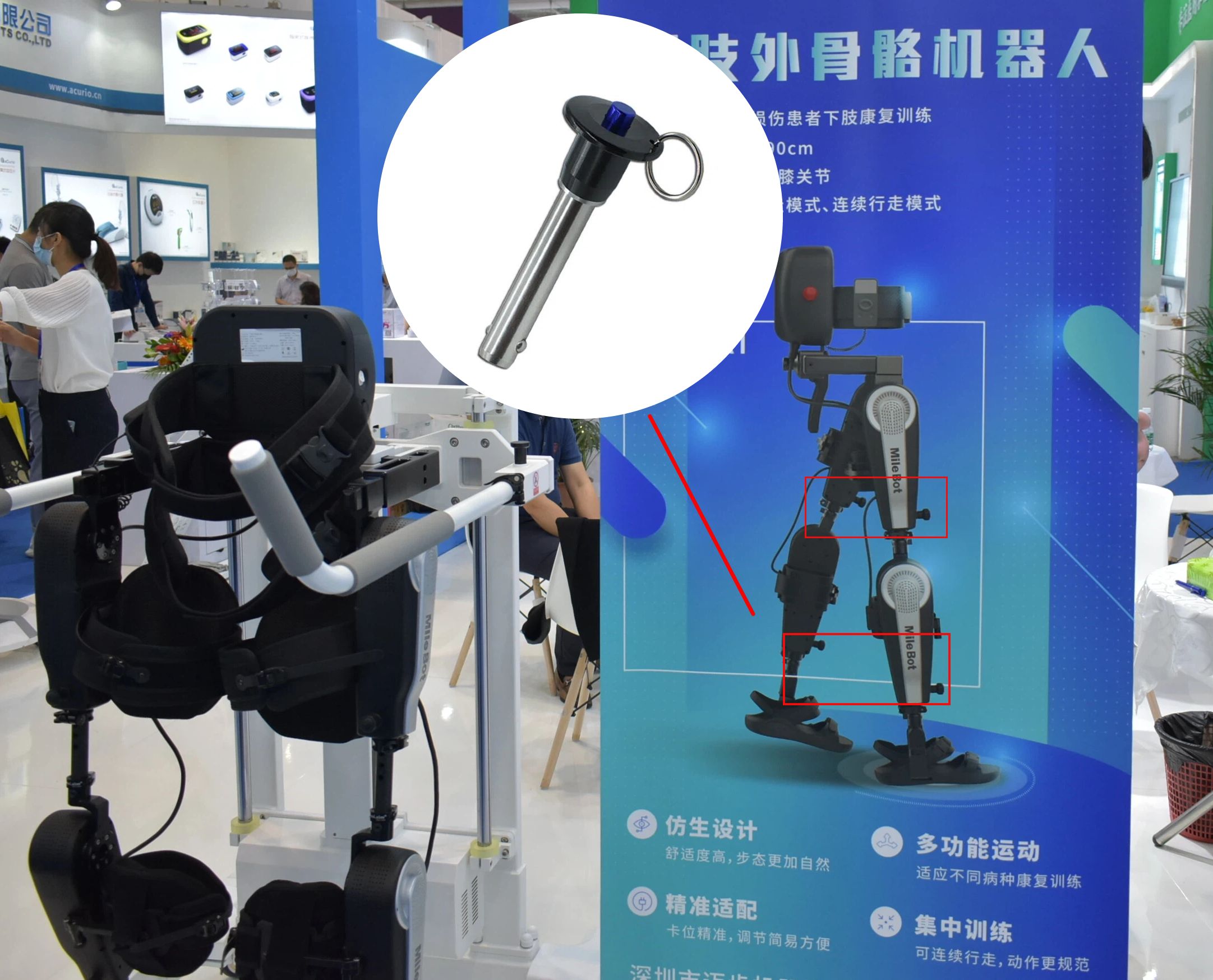
Ball Lock Pins: Feature spring-loaded balls that expand into locking grooves.
-
T-Handle Pins: Ergonomic handles for easy pull-and-release action.
-
Ring Handle Lock Pins: Allow for ring-pull removal, often used with lanyards.
-
Push Button Locking Pins: Enable one-handed operation with a built-in locking release.
-
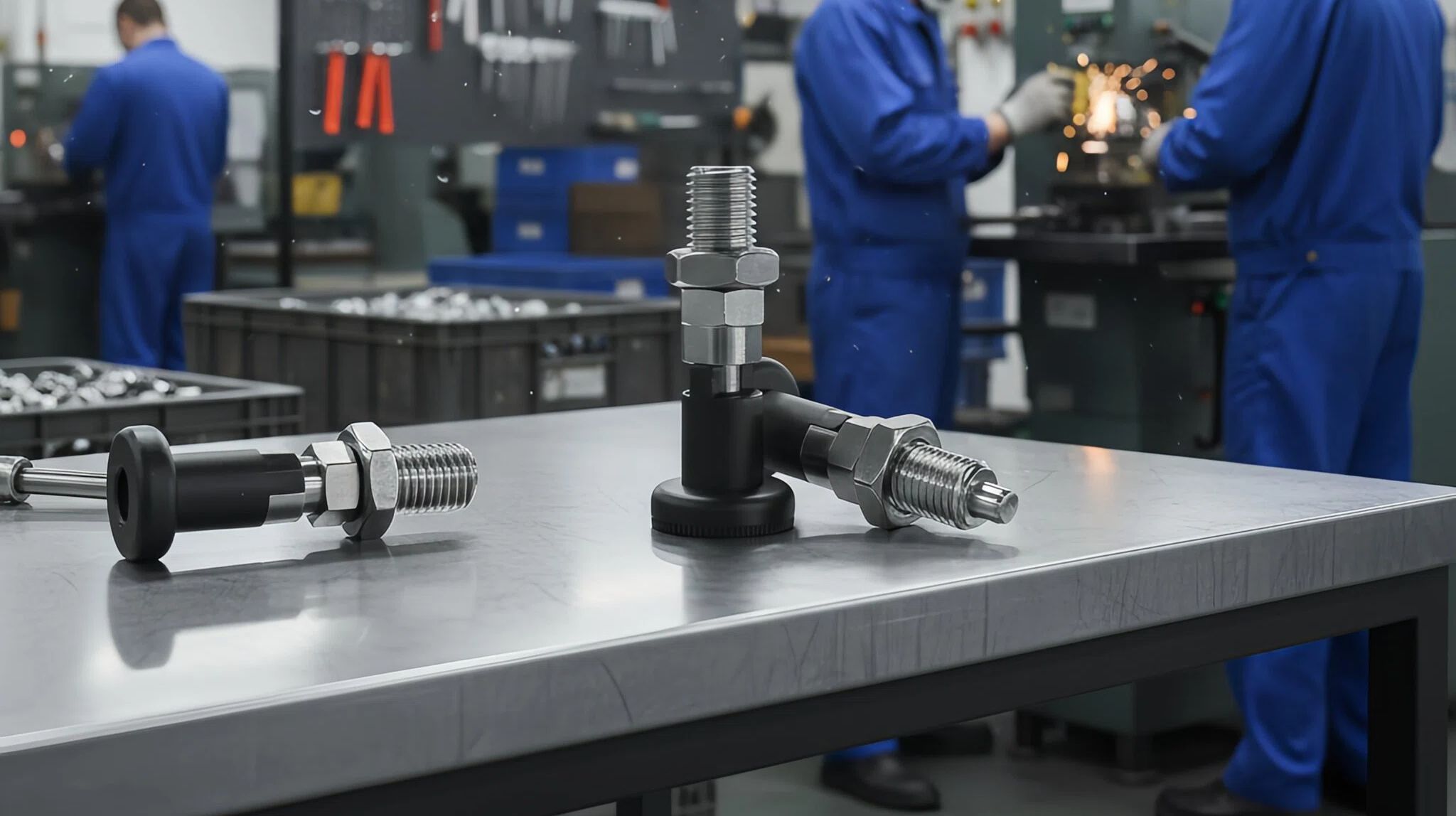
Detent Pins: Feature spring-loaded detents to hold the pin in place under tension.
Working Mechanism
The basic principle involves mechanical locking through force and geometry. Most QRLMs employ:
-
Engagement: Insertion causes locking balls or detents to expand into a receiving groove.
-
Retention: A spring or cam holds the locking element in place.
-
Release: Manual or automatic actuation (via handle or button) retracts the locking element, allowing removal.
Material Selection
Material choice is critical to the performance and longevity of QRLMs. Typical materials include:
-
Stainless Steel (304, 316): Excellent corrosion resistance; used in marine and medical applications.
-
Carbon Steel: Provides strength and cost-effectiveness; often zinc-plated.
-
Aluminum Alloys: Lightweight with good corrosion resistance.
-
Engineering Plastics: Used in non-load-bearing applications for insulation or weight savings.
Surface Treatments
-
Passivation: Enhances stainless steel corrosion resistance.
-
Anodizing: Used for aluminum parts to improve wear and appearance.
-
Zinc Plating: Common for carbon steel components to prevent rust.
-
Black Oxide: Improves appearance and adds slight corrosion resistance.
Applications in Key Industries
-
Aerospace and Defense: Rapid assembly and disassembly of panels, seats, and instrumentation.
-
Automotive: Quick battery changes, adjustable components, motorsport applications.
-
Medical Devices: Clean, tool-free attachment for surgical tools, diagnostic devices.
-
Industrial Automation: Modular fixtures, jigs, and tool changers in production lines.
-
Consumer Electronics: Adjustable mounts and quick-access compartments.
-
Sports and Recreation: Bicycles, helmets, and action cameras.
Benefits of Quick Release Locking Mechanisms
-
Reduced Downtime: Speeds up maintenance and reconfiguration.
-
Improved Ergonomics: No tools required, easy to use.
-
Enhanced Safety: Reliable locking prevents accidental disengagement.
-
Customization: Available in various sizes, styles, and materials.
Design Considerations
Designers must address the following:
-
Load and Shear Requirements: Must match application demands.
-
Operating Environment: Exposure to chemicals, temperature, and weather.
-
Repetition Cycle: Expected frequency of engagement/disengagement.
-
User Interface: Handle type, button placement, accessibility.
-
Locking Feedback: Visual or tactile confirmation of engagement.
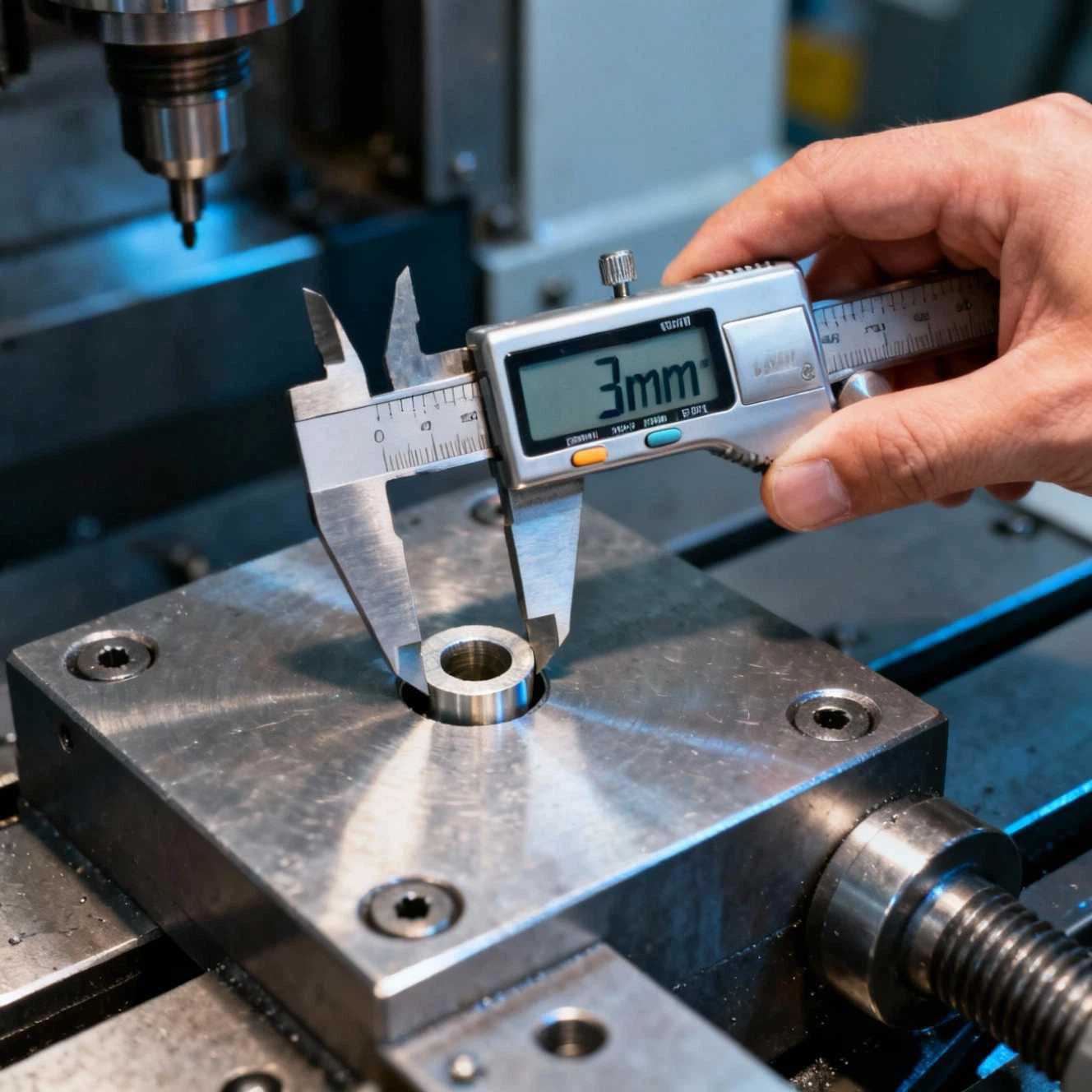
Standard Size Chart (Typical Dimensions for Ball Lock Quick Release Pins)
| Pin Diameter (inches) | Grip Length Range (inches) | Pin Length (inches) | Handle Type |
|---|---|---|---|
| 1/4" | 0.50 – 3.00 | 1.50 – 4.00 | T-Handle, Ring Handle |
| 5/16" | 0.75 – 3.50 | 1.75 – 4.50 | Push Button, Ring |
| 3/8" | 1.00 – 4.00 | 2.00 – 5.00 | T-Handle, Button |
| 1/2" | 1.50 – 5.00 | 2.50 – 6.00 | T-Handle |
| Custom Sizes | Available on Request | As Specified | As Required |
Compliance and Standards
Quick Release Locking Mechanisms are often manufactured to meet global standards:
-
ISO 8752, ISO 2338: Cover specifications for pins and mechanical locking elements.
-
ASME B18.8.2: Covers retaining and locking pins.
-
DIN 11023 / DIN 1444: German standards for locking pins.
-
RoHS / REACH: Material safety and environmental compliance.
Challenges in Implementation
While QRLMs offer many advantages, there are design and usage challenges:
-
Accidental Release Risks: Must be mitigated with safety locks or indicators.
-
Wear Over Time: High-cycle applications may require hardened components.
-
Compatibility: Must fit precisely with mating parts.
-
Vibration Resistance: Important for aerospace and automotive sectors.
Maintenance and Care
To ensure optimal performance:
-
Regular Inspections: Check wear, corrosion, or mechanical damage.
-
Cleaning: Especially important in dusty, wet, or chemical-heavy environments.
-
Lubrication: Periodic greasing of moving parts.
-
Training: Proper usage protocols should be taught to users.
Explore our quick release locking mechanisms for secure and efficient fastening in industrial applications. Durable and reliable, they ensure smooth operation. Contact us for custom solutions tailored to your needs.
Quick Release Locking Mechanisms are transforming how industries approach design, assembly, and maintenance. Their ability to combine speed, reliability, and safety makes them a valuable asset in modern engineering. From aerospace to everyday consumer products, QRLMs offer unmatched efficiency and adaptability. As technology evolves, we can expect these mechanisms to become even more intelligent, compact, and integral to future systems across all sectors.
Quick Release Lock Pins
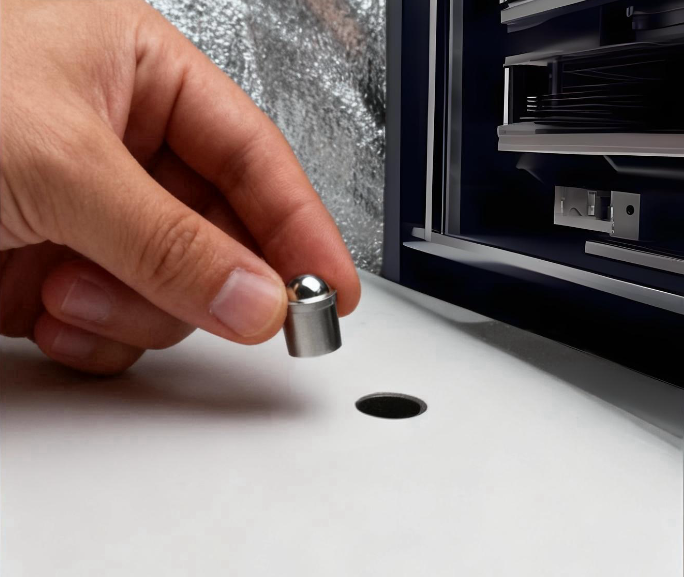
Plastic Ball Plunger