Quick Release Pin Mechanism
Quick Release Pin Mechanism: A Revolution in Precision Fastening Solutions
Introduction
The Quick Release Pin Mechanism stands as one of the most innovative and efficient fastening systems used in modern engineering and manufacturing. Designed for ease of use, speed, and safety, quick release pins are fundamental components in industries such as aerospace, automotive, medical equipment, marine applications, and heavy machinery. This article explores the design, function, types, applications, materials, and international standards related to Quick Release Pin Mechanisms, offering a comprehensive overview of their essential role in today's fast-paced industrial environments.
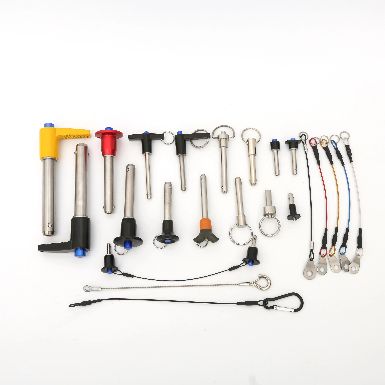
Understanding the Quick Release Pin Mechanism
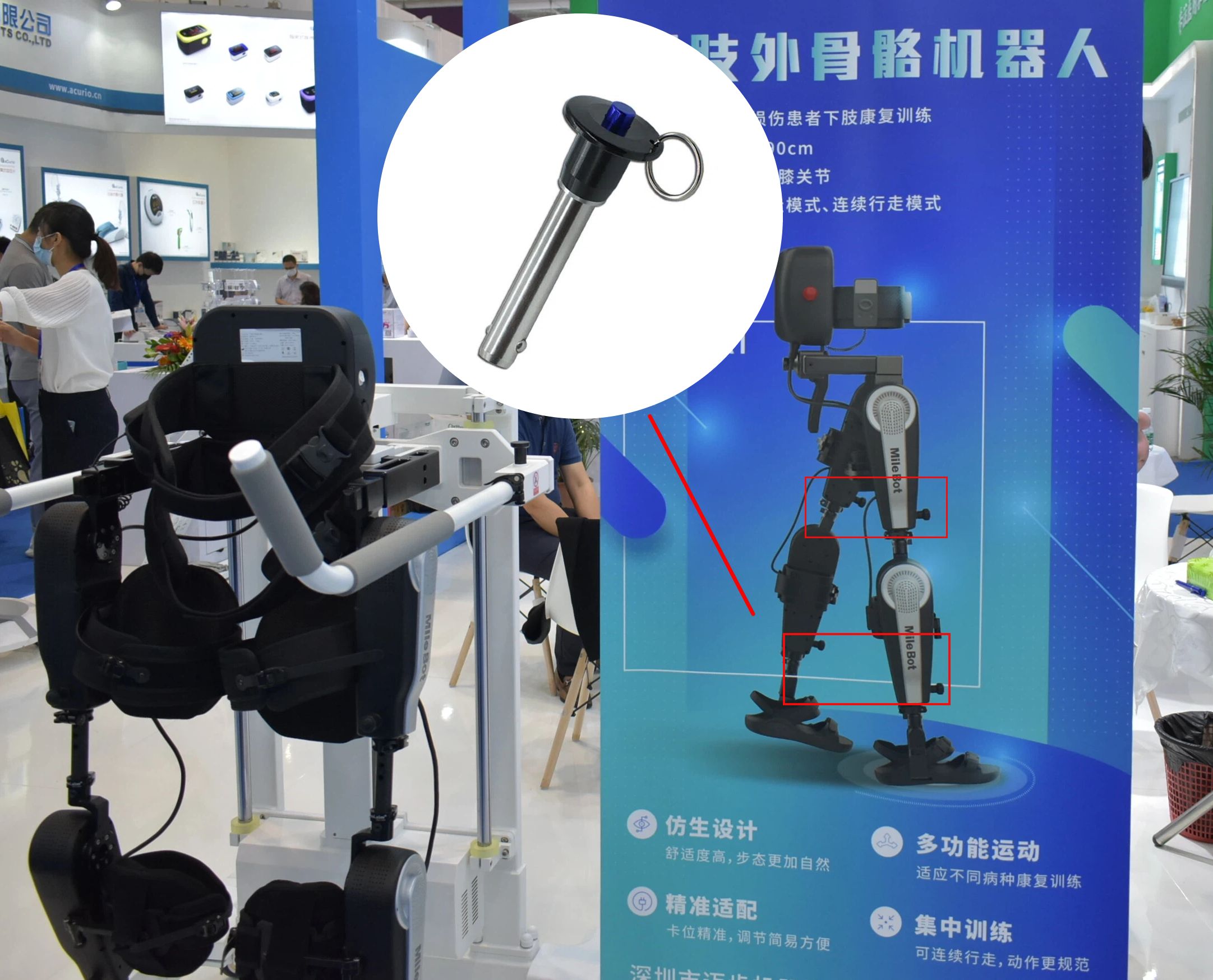
A Quick Release Pin Mechanism enables the rapid locking and unlocking of components without the use of tools. It generally consists of a precision-machined pin shaft, an internal spring, and a locking ball or detent mechanism. This mechanism ensures secure fastening with just a push or pull action.
Basic Components:
-
Pin Shaft: Cylindrical and typically precision-ground
-
Handle or Button: Used to activate the release mechanism
-
Spring: Provides the force to lock or unlock the balls
-
Locking Balls or Detents: Engage to secure the pin in place
Types of Quick Release Pin Mechanisms
1. Ball Lock Pins
-
Use spring-loaded balls that expand to lock the pin in place
-
Require button press to retract balls
-
Common in high-load applications
2. Detent Pins
-
Use a spring and plunger mechanism that engages in a groove
-
Easier to install but suitable for lighter loads
3. T-Handle Pins
-
T-shaped grip for better torque and easy pull action
-
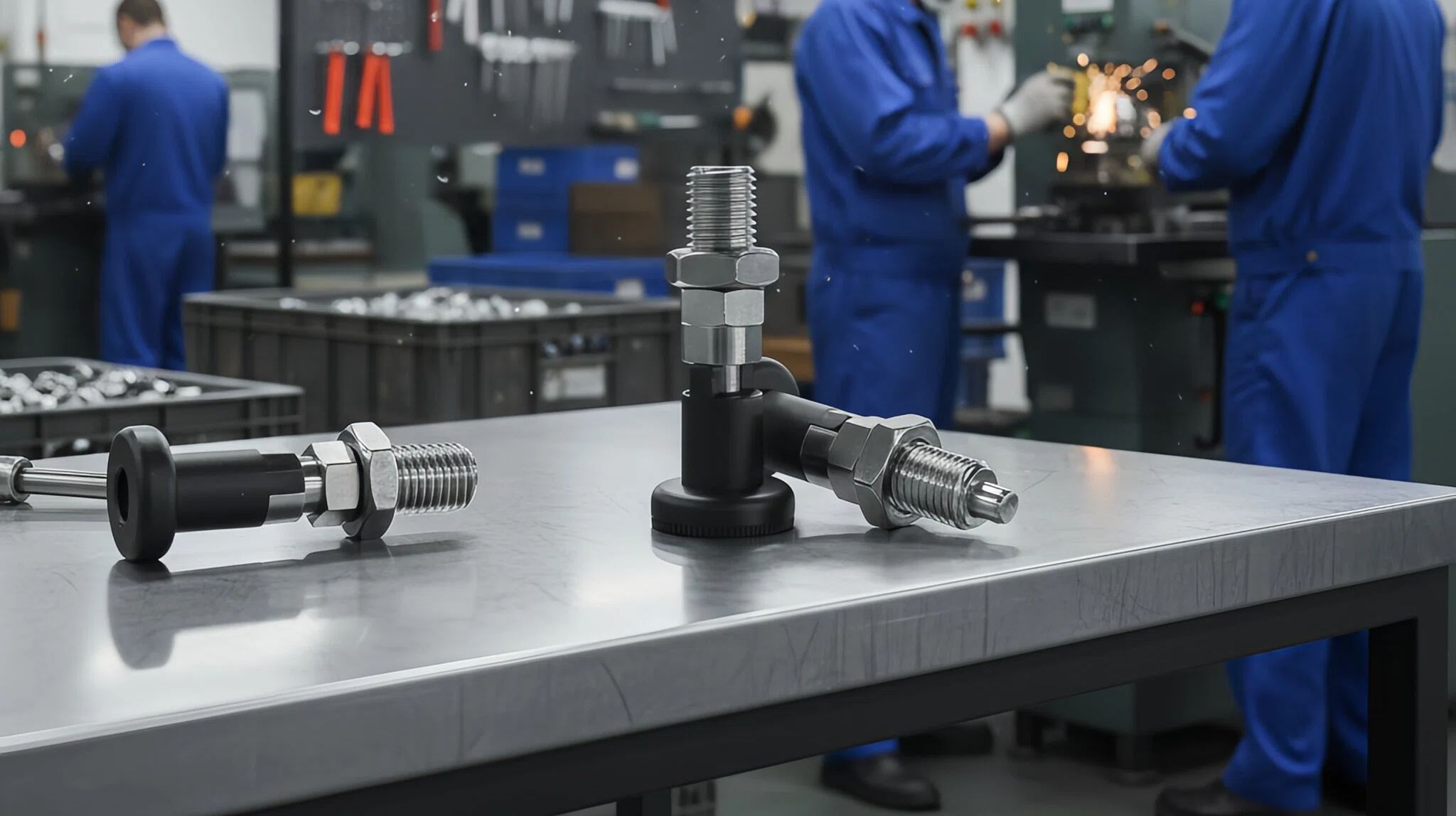
Often used in industrial environments
4. L-Handle Pins
-
L-shaped handle for directional operation
-
Ideal for confined spaces
5. Button Handle Pins
-
Integrated push button retracts locking balls
-
Offers one-hand operation
6. Ring Handle Pins
-
Suitable for applications requiring frequent manual removal
-
Often combined with a lanyard
Advantages of Quick Release Pin Mechanisms
-
Rapid Operation: Minimal installation and removal time
-
Tool-Free Usage: Saves time and eliminates the need for wrenches or screwdrivers
-
Secure Locking: High holding strength under vibration
-
Ergonomic: Designed for operator comfort and efficiency
-
Reusable & Durable: Long service life under frequent usage
-
Safety Enhanced: Prevents accidental disengagement
Industrial Applications
Quick Release Pin Mechanisms are essential across a wide spectrum of industries due to their efficiency and versatility.
Aerospace & Defense
-
Aircraft seating and panel attachment
-
Satellite component alignment
-
Military vehicle modular systems
Automotive & Motorsport
-
Chassis tuning and panel locking
-
Quick-change bodywork
-
Tool-less engine bay access
Medical Equipment
-
Adjustable hospital beds
-
Modular lab setups
-
Fast assembly of diagnostic devices
Marine & Offshore
-
Detachable railings and fittings
-
Ladder locking mechanisms
-
Quick-swappable marine gear
Construction & Industrial Machinery
-
Removable safety guards
-
Modular tool setups
-
Heavy equipment assembly lines
Materials and Surface Finishes
Materials are selected based on the operational environment:
Material Options:
-
Stainless Steel (304, 316): Corrosion-resistant, ideal for marine or medical use
-
Alloy Steel: High-strength, suitable for heavy loads
-
Aluminum: Lightweight, ideal for aerospace and racing applications
-
Plastic or Composite Handles: Lightweight, color-coded for identification
Surface Finishes:
-
Passivated (Stainless Steel)
-
Black Oxide (Alloy Steel)
-
Zinc or Nickel Plating: Enhanced corrosion resistance
-
Anodized Aluminum: Aesthetic and protective coating
Mechanism Operation Explained
The operation of a typical Quick Release Pin Mechanism involves:
-
Insertion: Compress the button or pull the handle, retracting the locking balls.
-
Positioning: Insert the pin into aligned holes.
-
Release: The spring pushes the balls into the groove, locking the pin.
-
Extraction: Compress or pull again to retract the balls and remove the pin.
This simplicity ensures both speed and reliability.
Installation Tips and Safety Measures
-
Ensure precise hole alignment for pin insertion
-
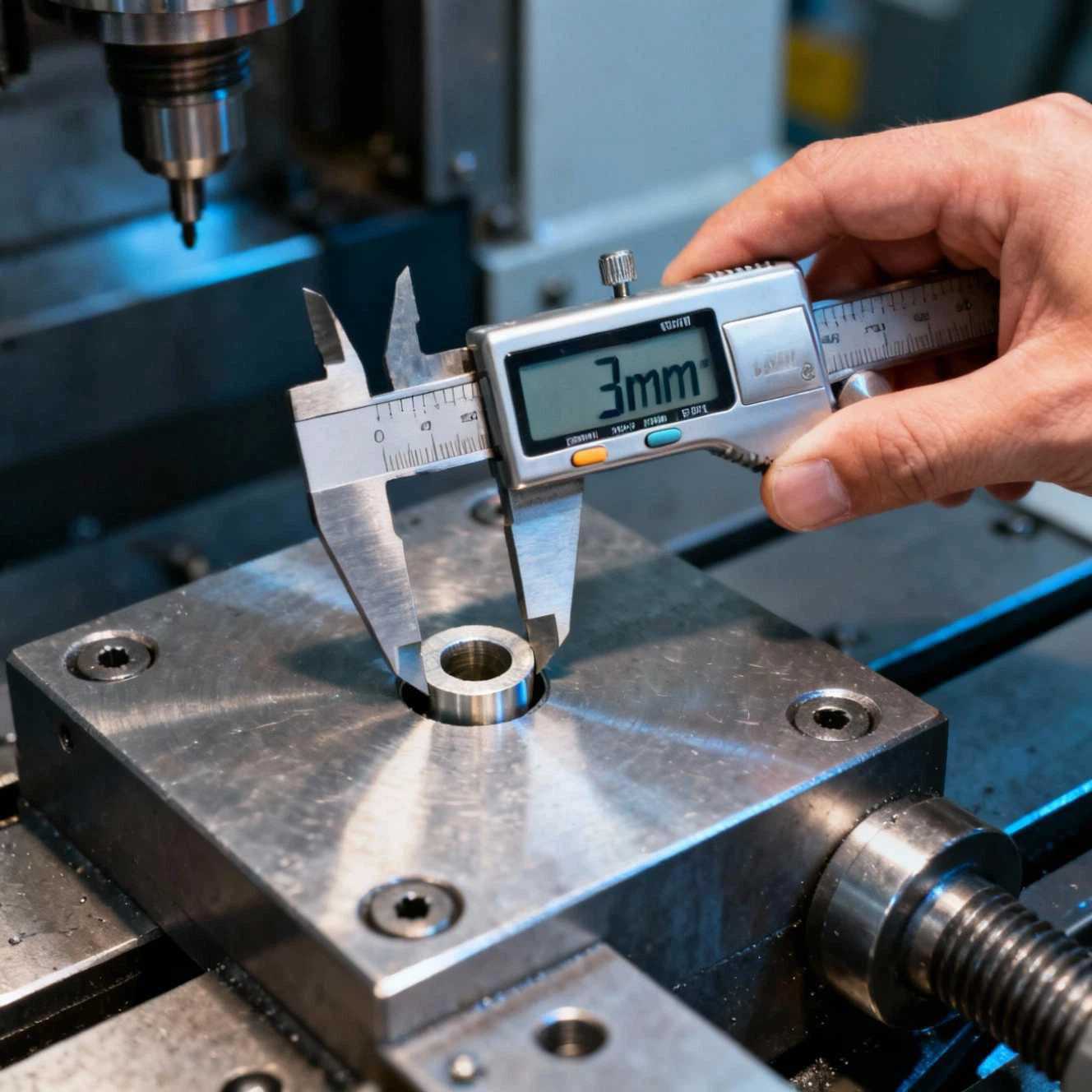
Choose the correct diameter and grip length for secure locking
-
Periodically inspect the spring and ball mechanism for wear
-
Avoid excessive loads beyond rated capacity
-
Use lanyards or tethers in mobile or overhead applications
International Standard Size Chart (Metric)
| Pin Diameter (mm) | Grip Length (mm) | Handle Width (mm) | Lock Type | Material | Standard | |
|---|---|---|---|---|---|---|
| 4.0 | 15.0 | 25.0 | Ball Lock | SS304 | ISO 2341 | |
| 6.0 | 20.0 | 30.0 | Ball Lock | SS316 | DIN 11023 | |
| 8.0 | 30.0 | 35.0 | Detent | Alloy Steel | ISO 2341 | |
| 10.0 | 40.0 | 40.0 | Ball Lock | SS316 | ISO 2341 | |
| 12.0 | 50.0 | 45.0 | Ball Lock | Aluminum | Custom |
International Standard Size Chart (Inch)
| Pin Diameter (in) | Grip Length (in) | Handle Width (in) | Lock Type | Material | Standard | |
| 0.187 (3/16") | 1.00 | 1.25 | Ball Lock | SS303 | ANSI B18 | |
| 0.250 (1/4") | 1.25 | 1.50 | Ball Lock | SS304 | ANSI B18 | |
| 0.312 (5/16") | 1.50 | 1.75 | Detent | Carbon Steel | ANSI B18 | |
| 0.375 (3/8") | 1.75 | 2.00 | Ball Lock | SS316 | ANSI B18 | |
| 0.500 (1/2") | 2.00 | 2.25 | Ball Lock | Aluminum | Custom |
Compliance and Certification
Quick Release Pins conform to international standards for quality, safety, and interoperability:
-
ISO 2341: Standard for clevis pins and locking systems
-
DIN 11023: German standards for precision fastening
-
ANSI B18: American standards for mechanical fasteners
Compliance ensures high performance, interchangeability, and global acceptance.
Customization Capabilities
Leading manufacturers like Mocayo Precision Technology Co., Ltd. provide custom pin mechanisms tailored to your needs:
-
Custom shaft length and diameter
-
Special handle styles and colors
-
Integrated RFID tags or visual indicators
-
Corrosion-resistant coatings for marine use
-
Ball locking or detent locking based on use-case
Future Innovations in Quick Release Mechanisms
With industrial automation and smart manufacturing on the rise, Quick Release Pins are also evolving:
-
Smart Locking Indicators: Electronic sensors to verify lock status
-
Tooling Automation: Integration with robotic arms
-
Eco-Friendly Finishes: Non-toxic, recyclable coatings
-
Titanium Pins: For aerospace and medical-grade reliability
Discover our quick release pin mechanisms for secure and efficient fastening in industrial applications. Durable and reliable, they ensure smooth operation. Contact us for custom solutions tailored to your needs.
The Quick Release Pin Mechanism is a marvel of simplicity and strength, offering unmatched speed, safety, and precision. Whether in a jet engine, racing car, or medical device, these pins are essential for secure, tool-free fastening. As industries demand faster and more reliable solutions, quick release pin mechanisms—especially from trusted manufacturers like Mocayo Precision Technology Co., Ltd.—remain at the forefront of innovation, adaptability, and performance.
5 16 Quick Release Pin
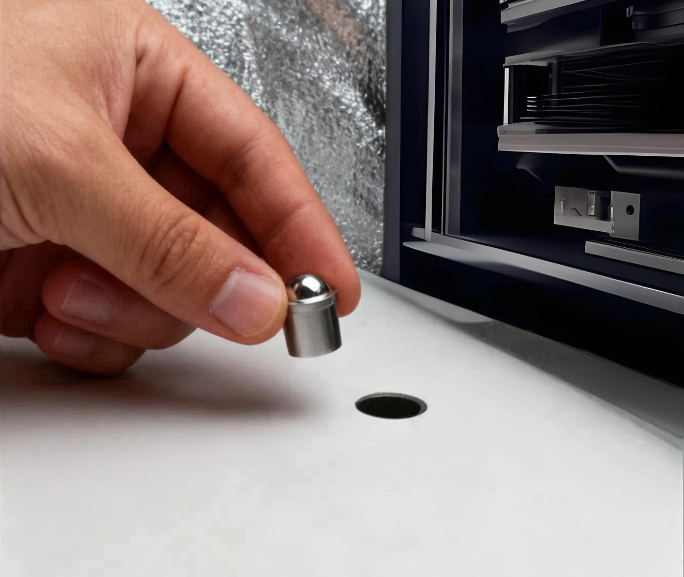
Press Fit Spring Plungers