Retractable Spring Plungers
The Engineering Precision of Retractable Spring Plungers: An In-Depth Look at a Small but Essential Component
Introduction to Retractable Spring Plungers
In the world of mechanical engineering and industrial hardware, certain components operate quietly behind the scenes yet remain absolutely essential to functionality and safety. Among these is the Retractable Spring Plunger, a compact but versatile fastener used across countless industries—from aerospace and automation to consumer products and high-precision manufacturing.
Retractable spring plungers are designed to position, index, lock, or secure mechanical parts. What makes them unique is their ability to retract and spring back, allowing for easy disengagement and re-engagement, making them especially suitable for applications where frequent movement or adjustments are necessary.
As industrial designs move toward miniaturization and multi-functionality, these plungers offer an ideal solution due to their simple operation, compact design, and remarkable reliability.

Understanding the Functionality of Retractable Spring Plungers
At their core, retractable spring plungers consist of a housing, a spring, and a plunger pin. Here's how each component contributes to the functionality:
-
Plunger Pin: Acts as the engaging element that fits into a hole, groove, or slot to hold parts in place.
-
Spring Mechanism: Provides the necessary tension to push the plunger into the locked position and retract it when pulled or pressed.
-
Housing or Body: Encloses the internal components and allows for mounting into the workpiece or panel.
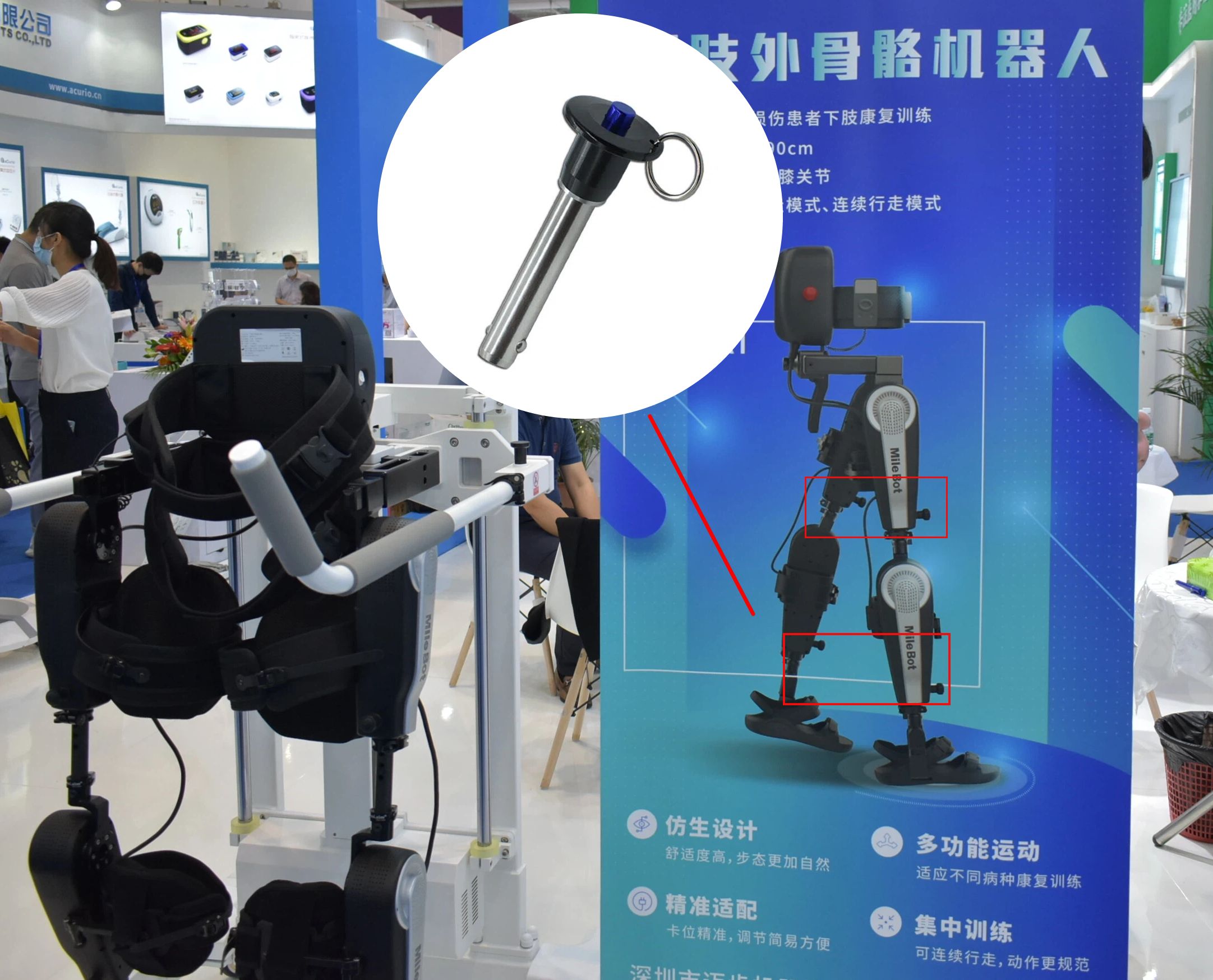
Retractable models often include a pull ring, lever, or knob to allow for quick manual retraction, enabling rapid adjustments or disengagement without the need for additional tools.
Types of Retractable Spring Plungers
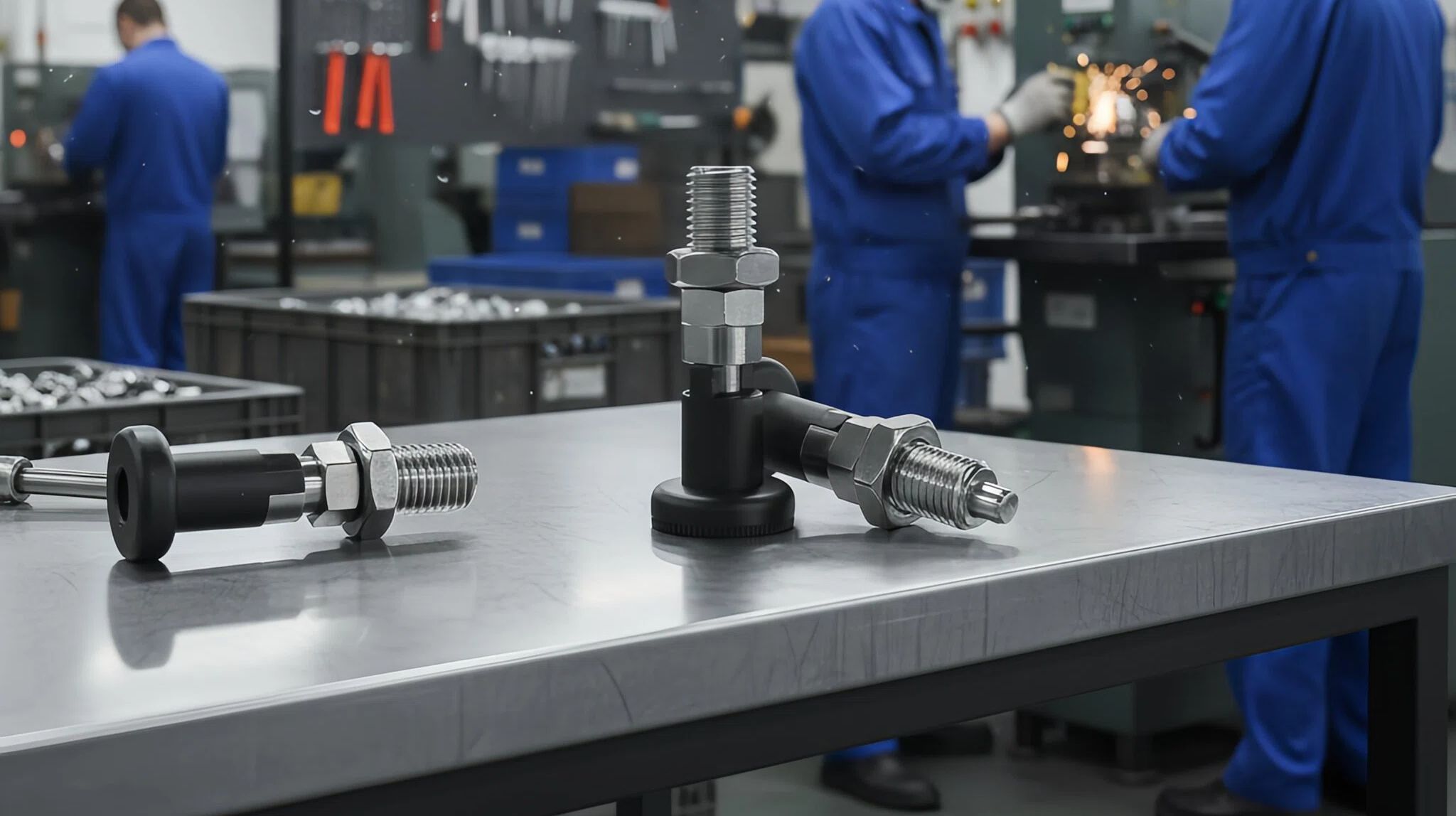
Retractable spring plungers are available in a variety of configurations to meet the diverse requirements of industries:
1. Knob Style Retractable Plungers
These plungers feature a knob or button-style actuator for manual retraction. They are ideal for applications that require repeated use by hand.
2. Pull Ring Style
Equipped with a looped ring, these are especially useful in machinery where the operator might wear gloves or require a more ergonomic method of disengagement.
3. Lock-Out Style
These plungers include a mechanism that allows the pin to stay retracted, which is useful in setups where the plunger needs to remain disengaged temporarily during adjustments.
4. Threaded and Press-Fit Types
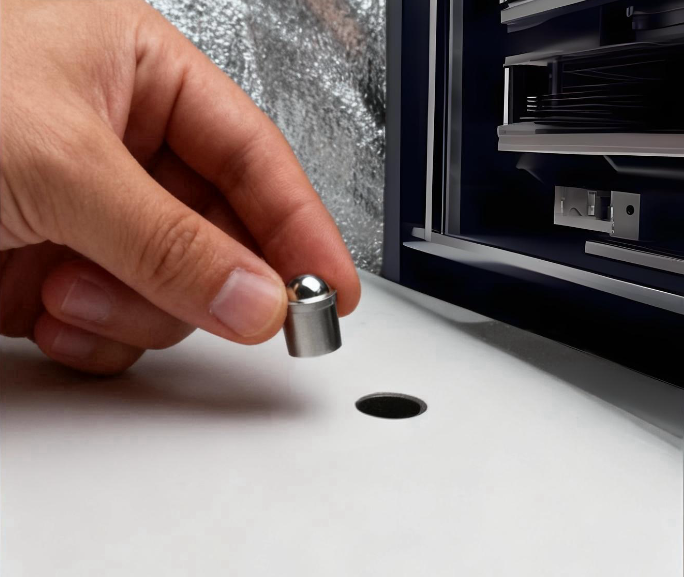
The mounting style may vary from threaded (screwed into a panel) to press-fit (inserted without threads), allowing flexibility in installation.
Materials Used in Retractable Spring Plungers
The choice of material for both the body and the plunger pin is critical and often determined by the intended environment and required strength:
-
Stainless Steel (e.g., 303, 316): Offers excellent corrosion resistance, suitable for marine or food processing environments.
-
Carbon Steel (hardened): Provides superior strength and wear resistance in heavy-duty industrial uses.
-
Plastic or Polymer Options: For light-duty or non-corrosive environments where weight reduction is a priority.
-
Zinc-Plated Steel: Offers a good balance of cost and corrosion protection for general use.
The spring inside is typically made of spring steel or stainless steel, providing consistent tension over thousands of cycles.
Key Applications of Retractable Spring Plungers
Retractable spring plungers are utilized in a wide array of mechanical systems and machinery:
1. Machinery and Equipment
Used to lock sliding parts, secure removable components, or provide precise indexing during operations.
2. Automotive and Transportation
From removable seating to adjustable racks, plungers ensure both safety and usability in cars, buses, and RVs.
3. Aerospace and Defense
In high-performance environments, these plungers play a critical role in fastening and securing temporary components or panels.
4. Medical Equipment
The precise, clean, and safe function of spring plungers makes them suitable for use in modular hospital beds, surgical carts, and more.
5. Consumer Products
Even home appliances and furniture benefit from these components in foldable mechanisms, detachable accessories, and adjustable parts.
Advantages of Using Retractable Spring Plungers
Engineers and designers favor spring plungers for several compelling reasons:
-
Quick and Easy Operation: No tools are needed to lock or unlock parts, enabling rapid changes in positioning or configurations.
-
Space-Efficient Design: Offers functionality in a small footprint, essential for compact machinery and products.
-
Versatility: Available in many sizes, materials, and designs to fit custom applications.
-
Safety Enhancement: Helps avoid accidental disengagement and provides tactile feedback when in the locked position.
-
Durability: Engineered for long service life, even under repetitive cycling and mechanical load.
Dimensional Standards and Customization
Retractable spring plungers often adhere to DIN, ISO, and ASME standards, which guide the geometry, thread sizes, and tolerances. Some commonly followed standards include:
-
DIN 416 – Index plungers with lockout.
-
DIN 6325 – Tapered pins and plunger pin dimensions.
-
ISO 8750/8752 – Related to dowel pins and plunger pin tolerance.
Typical Standard Sizes Include:
| Thread Size | Body Length | Plunger Stroke | Plunger Diameter |
|---|---|---|---|
| M6 | 20 mm | 5 mm | 4 mm |
| M8 | 25 mm | 6 mm | 5 mm |
| M10 | 30 mm | 8 mm | 6 mm |
| M12 | 35 mm | 10 mm | 8 mm |
For custom projects, manufacturers can adjust:
-
Pull force of the spring
-
Handle type and color
-
Special coatings or material upgrades
-
Anti-vibration features
Installation Guidelines
To ensure optimal performance and longevity of retractable spring plungers, the following installation practices are recommended:
-
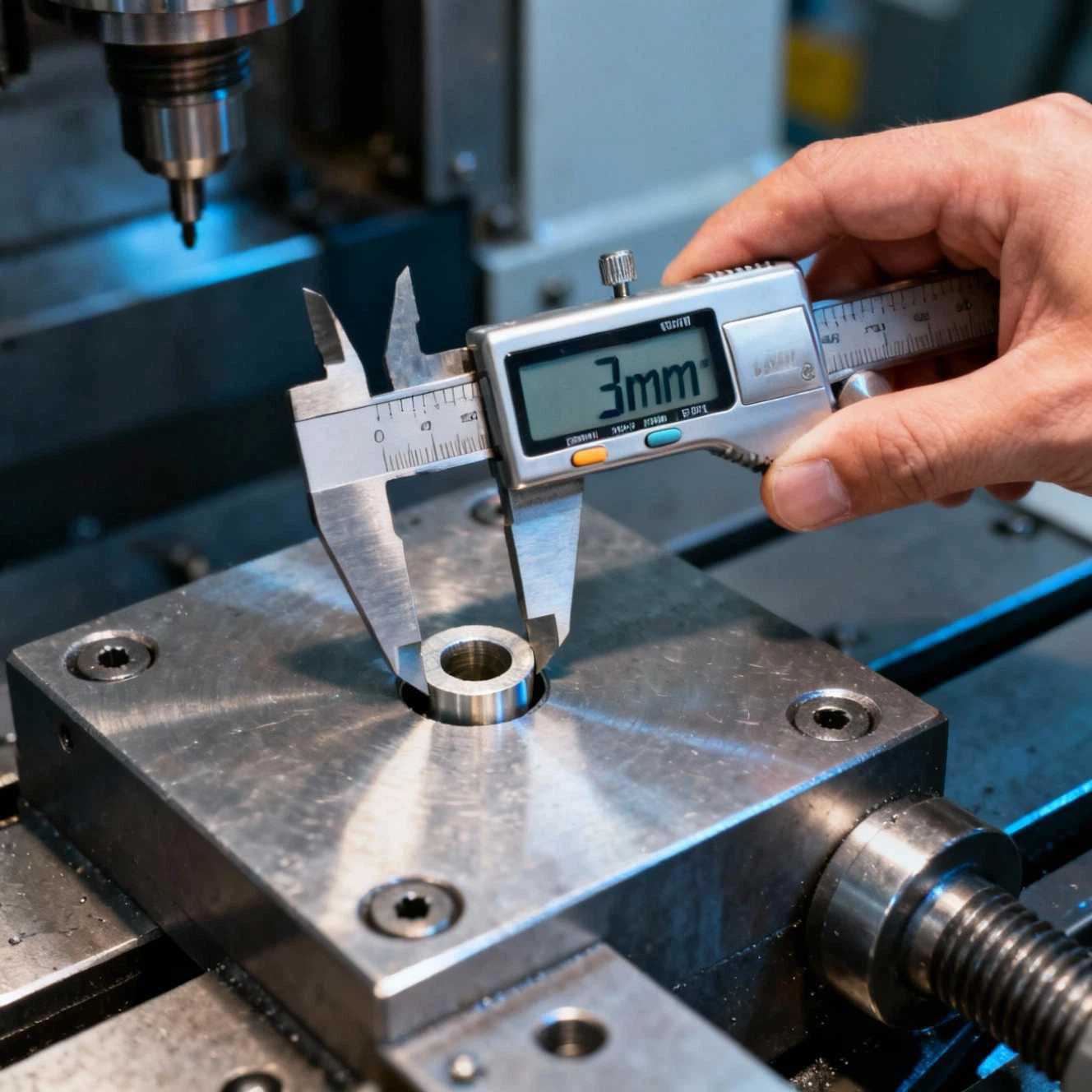
Correct Bore Size: Match the mounting hole precisely to ensure a tight fit.
-
Thread Engagement: If threaded, use a threadlocker or torque wrench to secure without overtightening.
-
Lubrication: Apply light machine oil to internal threads and moving parts during installation to prevent corrosion.
-
Testing: Always cycle the plunger a few times after installation to check for smooth movement.
Maintenance and Troubleshooting
Retractable spring plungers are designed to be low-maintenance, but occasional checks can prevent wear:
-
Inspect for Debris: Keep plungers clean and free of dust or metal shavings.
-
Check Spring Tension: A weakening spring can affect holding strength.
-
Examine for Corrosion: Especially in outdoor or wet environments—stainless steel is preferable in such cases.
If the plunger sticks or doesn’t retract:
-
Disassemble and clean
-
Apply dry lubricant or light oil
-
Replace worn springs if needed
Future Outlook and Market Trends
As industries move toward automation, modular systems, and user-friendly designs, the demand for retractable spring plungers is expected to rise. Recent trends include:
-
Miniaturization: Micro plungers for electronics and compact robotics.
-
Smart Materials: Self-lubricating plastics and corrosion-resistant alloys.
-
Customization at Scale: CNC-machined plungers tailored for specific machinery.
Manufacturers like Mocayo Precision Technology are already offering high-quality, custom-engineered solutions that address the growing complexity of industrial and consumer systems.
Enhance your hardware with retractable spring plungers, offering smooth and reliable performance for industrial, automotive, and machinery applications. Durable, easy to install, and perfect for efficient operations.
Though small in size, Retractable Spring Plungers are monumental in their contribution to mechanical engineering and industrial innovation. Their ease of use, precision, and adaptability make them indispensable in a range of sectors. With continued advancements in materials and manufacturing technology, these tiny powerhouses are poised to play an even bigger role in the smart factories and automated systems of the future.
Whether in a high-speed production line or a simple home appliance, the reliability of a retractable spring plunger can make all the difference—proving once again that in the world of engineering, the smallest parts often carry the greatest weight.
Indexing Plungers With Rest Position
Pull Pin