Self Locking Pins
Understanding Self Locking Pins: Design, Applications, and Industrial Relevance
Introduction to Self Locking Pins
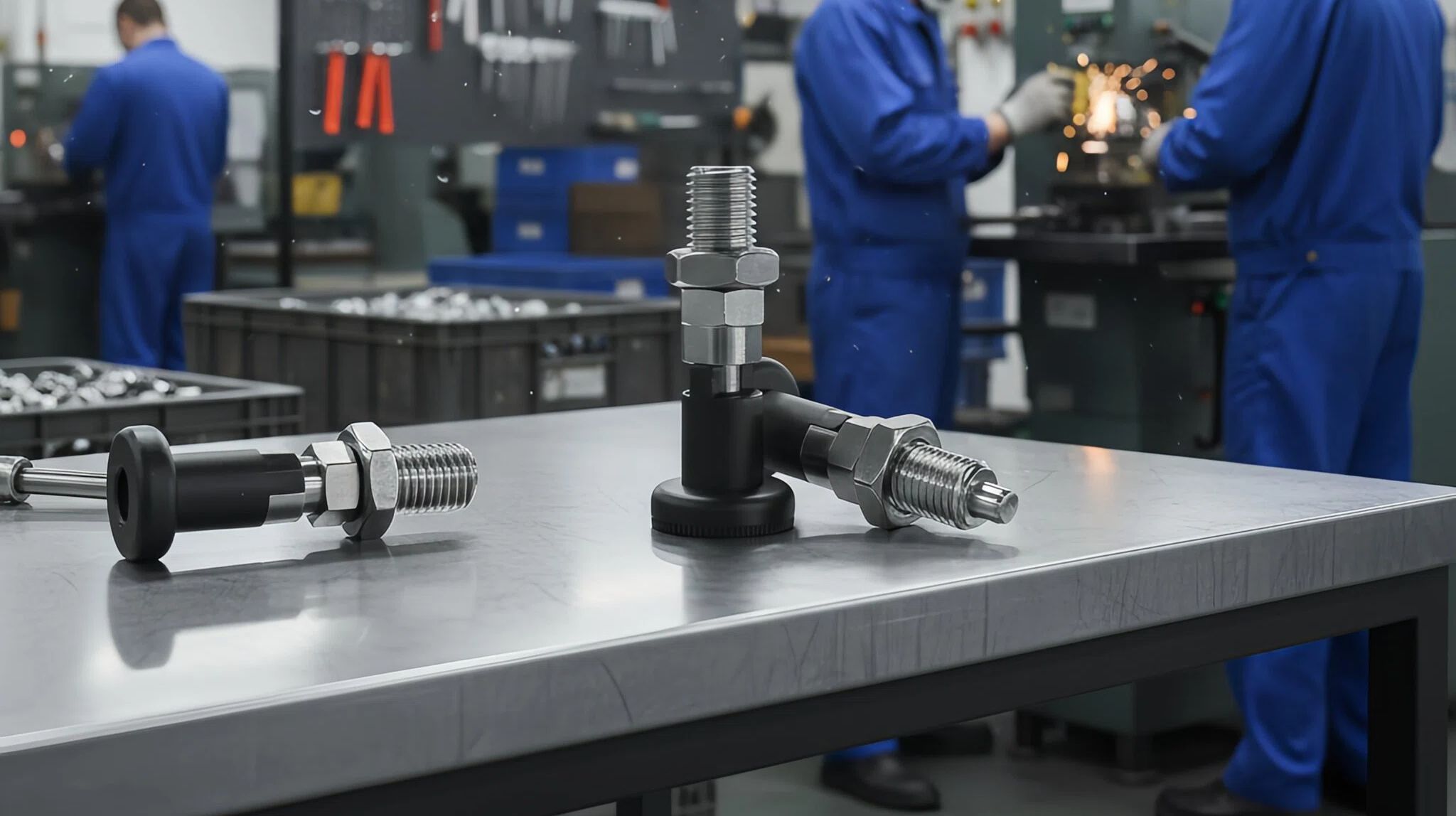
Self Locking Pins are a vital category of mechanical fasteners used across a wide range of industries to provide quick, secure connections. These pins are designed to lock into place without the need for additional tools or secondary fasteners. Their efficiency, reliability, and ease of use have made them a preferred component in fields such as aerospace, automotive, medical devices, machinery, and marine engineering.
This article provides a deep dive into the world of Self Locking Pins, examining their structure, working principles, material composition, benefits, and standard specifications.

What Are Self Locking Pins?
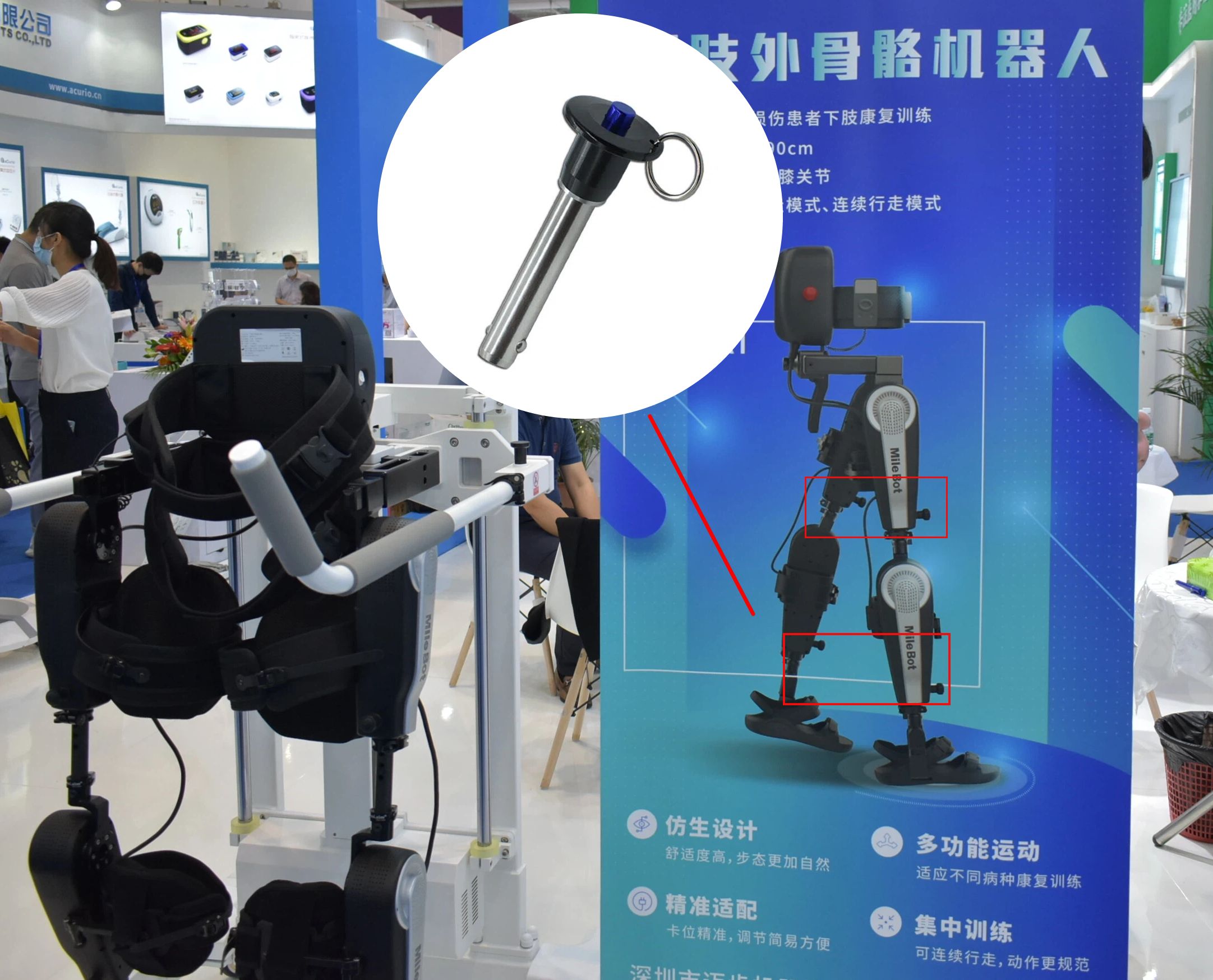
Self Locking Pins, also referred to as quick release locking pins, are fasteners that feature an internal locking mechanism. This mechanism typically involves a spring-loaded ball or plunger that engages automatically when the pin is inserted into a hole or mating part. The locking system ensures that the pin remains securely in place until it is intentionally released.
These pins are designed for repetitive use, making them ideal for assemblies that require frequent setup and disassembly without compromising on safety or efficiency.
How Self Locking Pins Work
The key element of a Self Locking Pin is its internal locking mechanism. There are several types of locking actions, but the most common involve:
-
Ball Locking Mechanism: Two or more balls are pushed outward by a spring to lock the pin in place. When the button or handle is pressed, the balls retract, allowing for removal.
-
Detent Pin Style: Features a spring-loaded ball that engages with the walls of the mating hole to hold the pin in place.
-
Push Button Release: A button is pressed to disengage the locking mechanism, allowing for quick removal.
These mechanisms make the pins self-retaining and prevent unintentional disengagement due to vibration or movement.
Advantages of Self Locking Pins
Self Locking Pins offer a multitude of benefits that make them indispensable in high-performance applications:
-
Tool-Free Operation: Easy installation and removal without wrenches or other tools.
-
Fast and Secure: Immediate locking for safe and rapid assembly.
-
Vibration Resistance: Designed to withstand shock and movement without loosening.
-
Corrosion Resistance: Often made from stainless steel or treated for harsh environments.
-
Customizable: Available in various sizes, materials, and handle styles to meet specific needs.
Common Applications
The versatility of Self Locking Pins allows them to be used in numerous industries and settings:
Aerospace
Used for securing panels, access doors, and structural components where weight, precision, and safety are critical.
Automotive
Ideal for assembling body components, seat systems, and adjustable parts requiring frequent maintenance or adjustment.
Medical Equipment
Utilized in surgical and diagnostic tools for quick assembly and disassembly while maintaining high safety standards.
Marine Industry
Resistant to saltwater corrosion, Self Locking Pins are used in rigging systems and boating hardware.
Construction and Machinery
Employed in temporary joints, scaffolding systems, and mechanical linkages where repeat engagement is required.
Material Selection and Finishes
The performance of Self Locking Pins depends heavily on the materials used. Common materials include:
-
Stainless Steel (Grades 303, 304, 316): Excellent corrosion resistance for marine and medical use.
-
Aluminum: Lightweight applications where strength-to-weight ratio matters.
-
Alloy Steel (Zinc-plated or black oxide finish): High-strength applications with moderate corrosion resistance.
Surface treatments can enhance durability and include:
-
Passivation
-
Anodizing
-
Zinc Plating
-
Black Oxide
Design Variations
Self Locking Pins are available in various configurations to suit specific use cases:
Handle Types
-
T-Handle
-
L-Handle
-
Ring Handle
-
Button Head
-
Recessed Button
Shank Types
-
Solid
-
Hollow
-
Threaded End
-
Grooved for Lanyards
Locking Mechanisms
-
Spring-loaded balls
-
Detent pins
-
Push-pull release mechanisms
Each variant provides unique advantages in terms of grip, accessibility, and user experience.
Installation and Safety Guidelines
Although Self Locking Pins are simple to use, proper installation and maintenance ensure longevity and safety:
-
Ensure Cleanliness: Dust and debris can interfere with the locking mechanism.
-
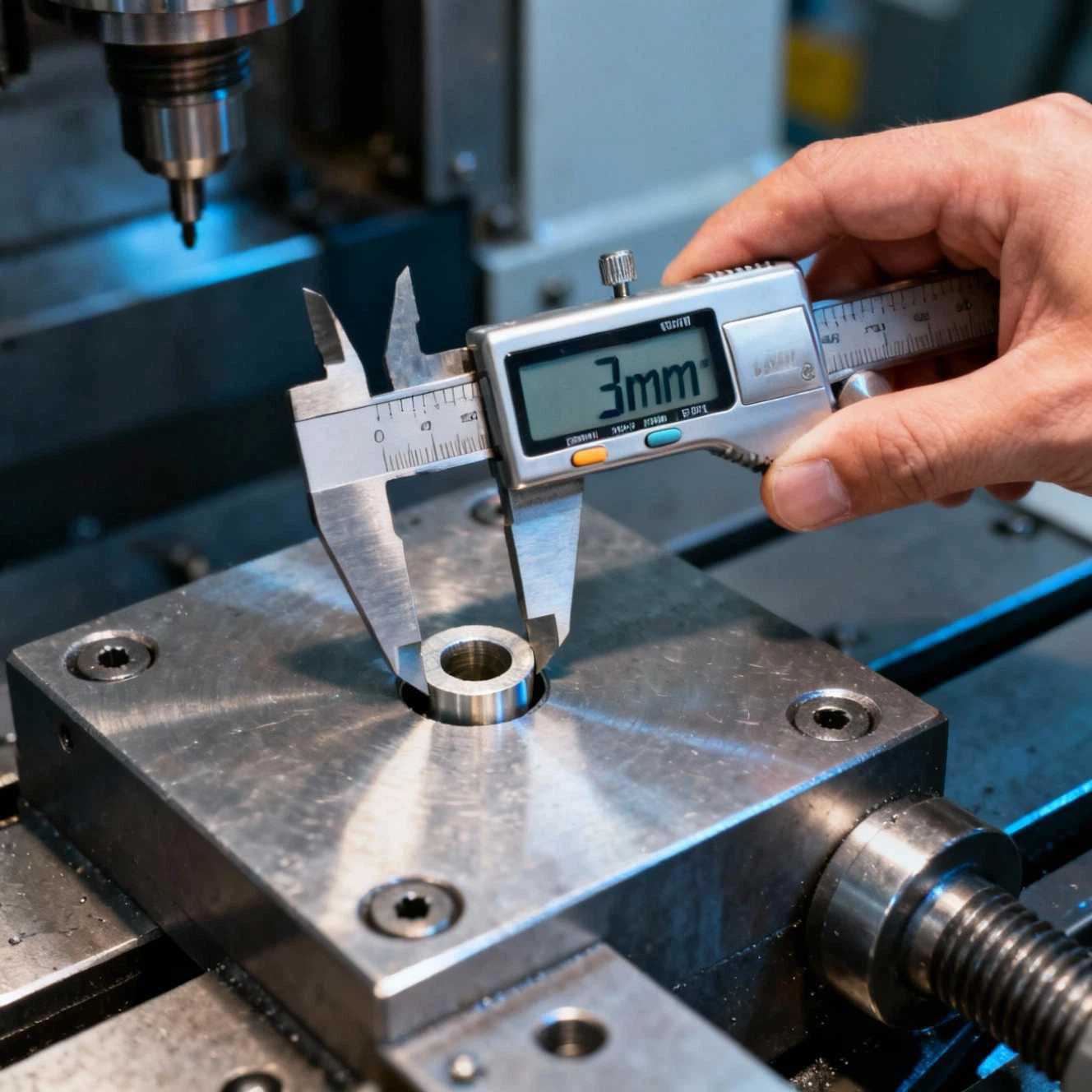
Verify Fit: The pin diameter should match the hole tolerance precisely.
-
Check for Wear: Regular inspection of the pin and the locking mechanism can prevent failure.
-
Use Lanyards: When pins are removed frequently, attaching lanyards can prevent loss.
Maintenance and Lifecycle
With proper care, Self Locking Pins can withstand thousands of cycles without loss of performance. Maintenance tips include:
-
Lubricating internal parts to reduce friction.
-
Cleaning after use in dirty or corrosive environments.
-
Replacing pins showing signs of deformation or corrosion.
Recent Innovations in Self Locking Pins
Manufacturers are constantly enhancing pin designs for modern requirements:
-
Quick Push-Release Buttons: For faster operation with enhanced ergonomics.
-
Color-Coded Handles: For easy identification in complex assemblies.
-
Smart Pins: Emerging technologies may include RFID tags for tracking and digital monitoring.
Choosing the Right Self Locking Pin
When selecting a Self Locking Pin, consider the following:
-
Load Capacity: Match the pin strength to the application’s load.
-
Operating Environment: Choose corrosion-resistant materials for harsh conditions.
-
Frequency of Use: Select pins rated for high cycle applications if frequent removal is required.
-
Industry Standards: Ensure compliance with relevant standards for your application.
Upgrade your hardware with self-locking pins, offering secure and reliable fastening for industrial, automotive, and machinery applications. Durable, easy to use, and perfect for efficient and seamless operations.
Self Locking Pins offer an elegant and efficient solution for fastening applications that demand speed, reliability, and safety. Their innovative locking mechanisms eliminate the need for additional tools or hardware, making them a staple in high-precision and high-performance industries.
As manufacturing and assembly processes continue to evolve, Self Locking Pins will remain essential due to their adaptability, convenience, and robust design. Whether you're operating in aerospace, automotive, medical, or general machinery, these pins offer a secure hold you can trust.
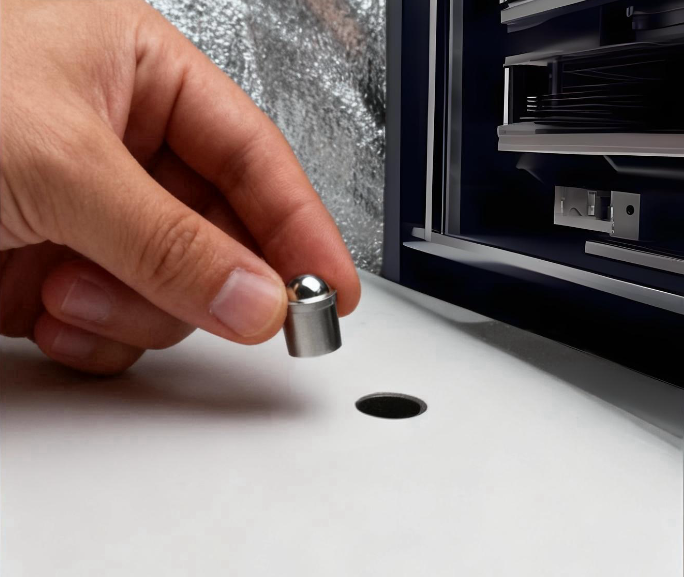
Retractable Spring
Lock Ball