Shear Resistance of Quick release Pin
Shear Resistance of Quick release Pin
In mechanical design and industrial manufacturing, the performance of fasteners and connectors often determines the overall safety and reliability of a structure. Among these, quick release pins are widely used in equipment installation, structural fastening, and tooling fixtures due to their ease of operation and flexible application. When evaluating the performance of quick release pins, shear resistance stands as one of the most critical metrics.
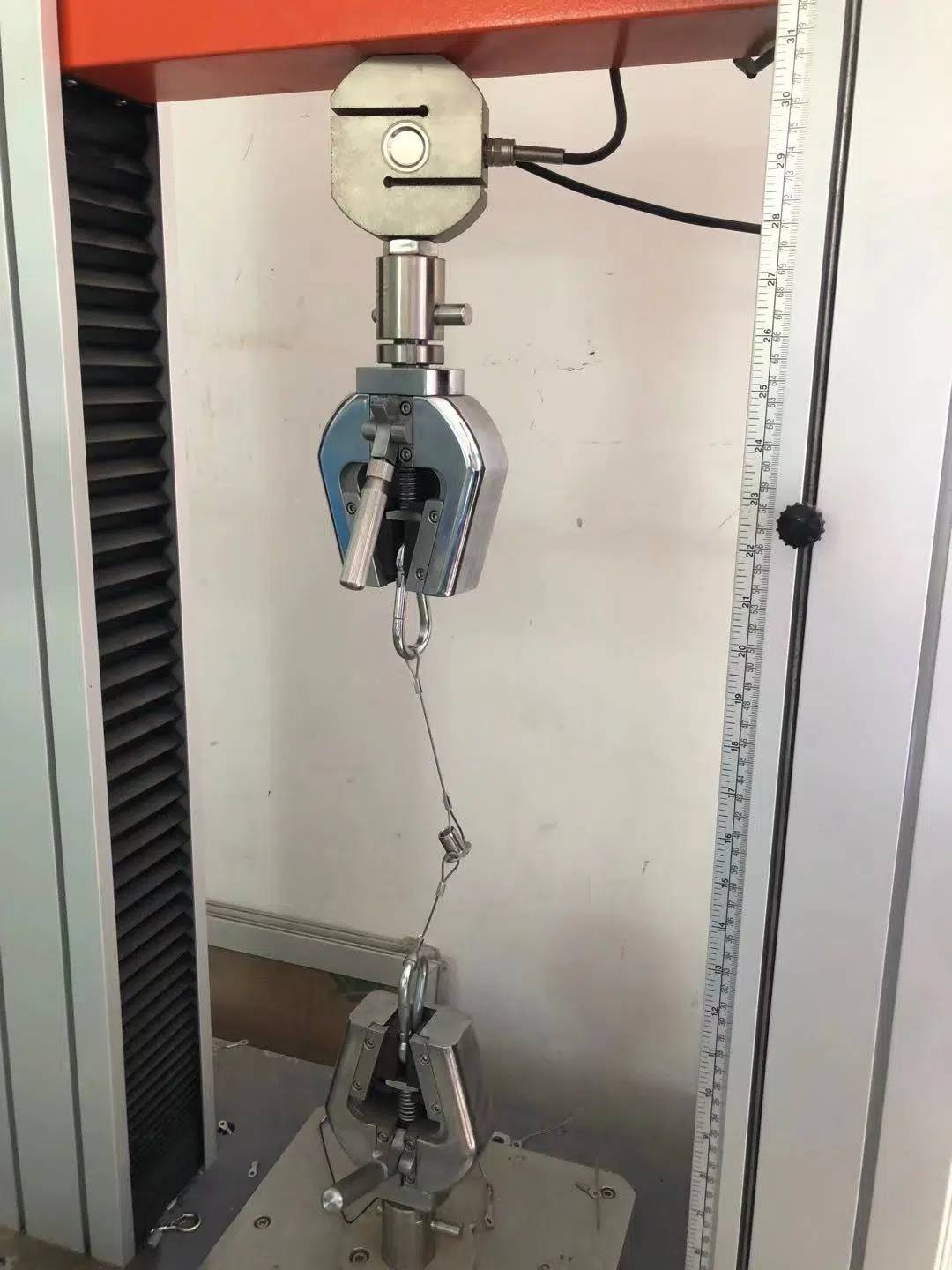
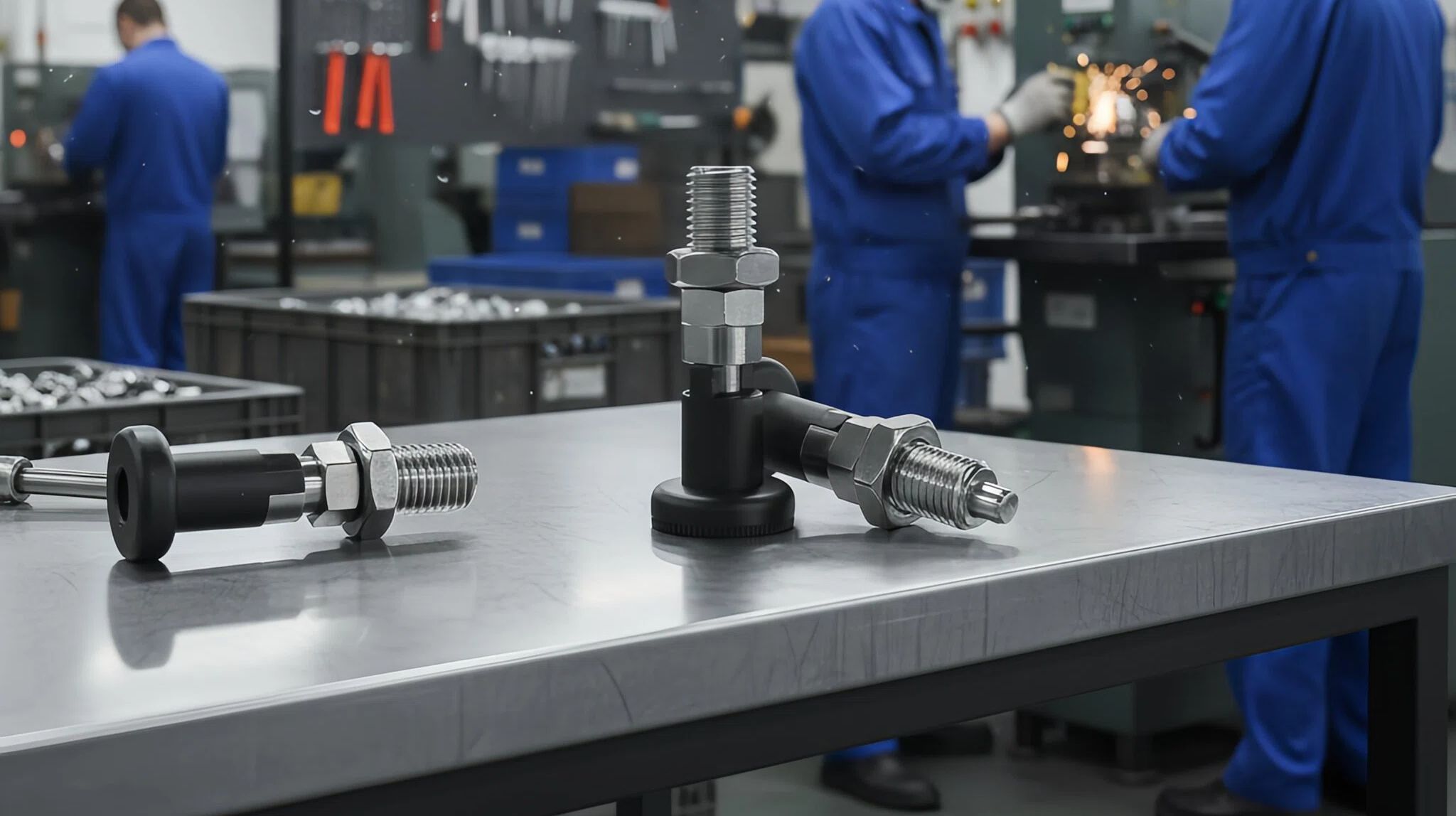
(Our Lanyard With Quick Release Pin Testing Process)
Shear resistance is a critical metric for evaluating a component's ability to withstand lateral cutting forces without failure. Simply put, it represents the critical load capacity at which a part can be “sheared” under stress.
In mechanical fasteners, shear strength determines whether a part can maintain stability under load. For example, when quick release pins are used to position and connect two components, they must withstand lateral forces. Insufficient shear strength may cause loosening or fracture, posing safety hazards.
In mechanical fasteners, shear strength determines whether a part can maintain stability under load. For example, when quick release pins are used to position and connect two components, they must withstand lateral forces. Insufficient shear strength may cause loosening or fracture, posing safety hazards.
Shear strength is typically influenced by the following factors:
Material properties: Strength variations between materials like stainless steel and alloy steel;
Pin diameter: Larger diameters offer greater resistance to shear;
Structural design: Presence of stress concentration zones;
Manufacturing precision: Processing tolerances may affect stress distribution.
Therefore, understanding the concept of shear resistance is crucial for selecting appropriate quick release pins.
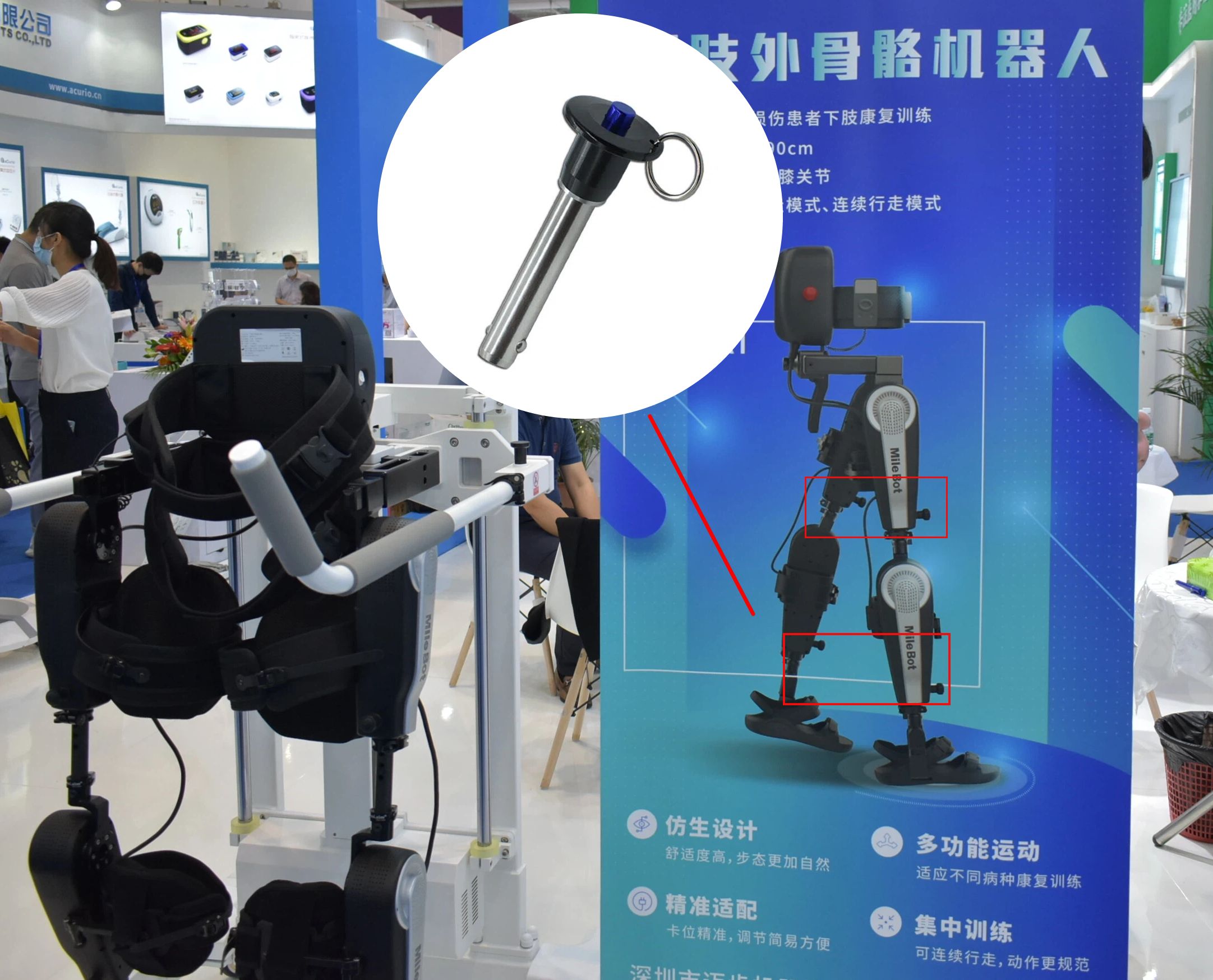
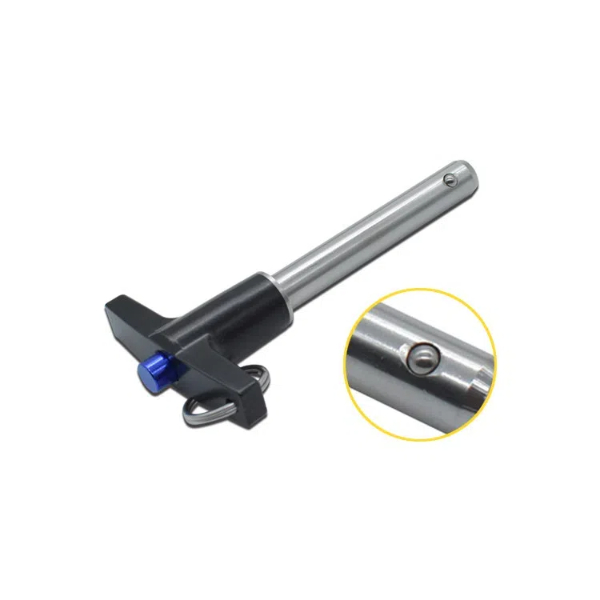
Quick release pins are a common mechanical fastener primarily used for rapid connection, positioning, and securing. Compared to traditional bolts and screws, their key advantages include:
- Easy operation: Insertion or removal requires no additional tools;
- Efficient assembly/disassembly: Ideal for scenarios involving frequent assembly and adjustment;
- Structural stability: Secure locking ensured through ball bearings, springs, or snap-fit mechanisms.
- Efficient assembly/disassembly: Ideal for scenarios involving frequent assembly and adjustment;
- Structural stability: Secure locking ensured through ball bearings, springs, or snap-fit mechanisms.

In practical applications, quick release pins are commonly found in:
Connecting components in industrial equipment;
Securing assemblies in aerospace applications;
Positioning pins for tooling fixtures;
Rapid assembly of stage structures and engineering frameworks.
Regardless of the application field, shear resistance remains the core metric determining the safe and reliable use of quick release pins.
Relationship Between Quick Release Pins and Shear Resistance
In mechanical environments, quick release pins typically endure two primary load types:
In mechanical environments, quick release pins typically endure two primary load types:
- Axial tensile force: Tensile stress applied along the pin's direction;
- Transverse shear force: Shear stress perpendicular to the pin's direction.
Transverse shear force is the most common scenario. For instance, when quick release pins connect two steel plates, shear forces concentrate on the pin's cross-section. In this scenario, the pin's shear resistance directly determines the integrity of the connection. Get precision-made quick release pin that delivers outstanding shear resistance, long service life, and smooth operation for industrial projects.
High shear resistance enables the pin to effectively resist lateral forces, ensuring structural stability. Conversely, insufficient shear strength risks pin failure through shearing, potentially leading to structural collapse.
Gym Components-Indexing Plunger
Cnc Machine What Does It Stand For