How To Mill Small Metal Parts
How to Mill Small Metal Parts
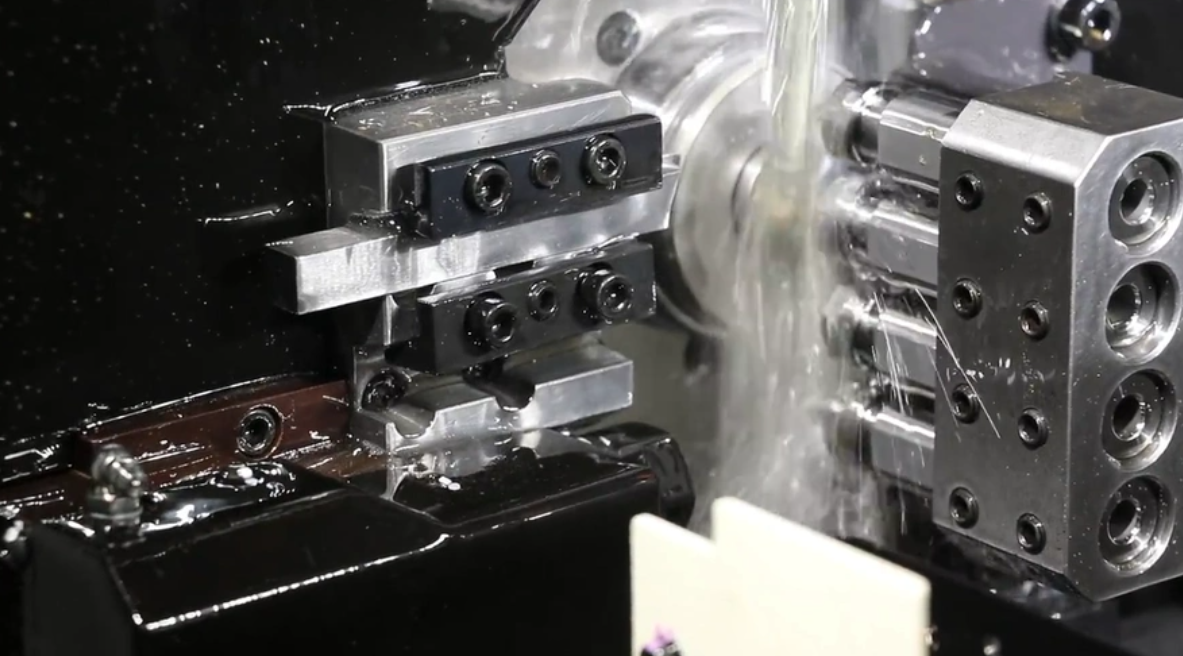
As a factory manufacturer specializing in precision machining, milling small metal parts requires a combination of advanced equipment, skilled operators, and strict quality control. Whether producing components for automotive, aerospace, medical devices, or electronics, achieving high precision is crucial. This article outlines the key steps, best practices, and challenges involved in milling small metal parts from a manufacturer’s perspective.
1. Understanding the Requirements
Before starting the milling process, manufacturers must fully understand the requirements of the part. This includes:
-
Material Selection: Different metals require different cutting speeds, tool types, and cooling methods. Common materials include:
- Aluminum – Lightweight and easy to machine.
- Stainless Steel – Corrosion-resistant but harder to cut.
- Brass – Used for precision components with good machinability.
- Titanium – Strong and lightweight but requires special tooling.
-
Dimensional Accuracy & Tolerances: Small metal parts often require tight tolerances (e.g., ±0.01mm). Manufacturers must use high-precision machines to meet these specifications.
-
Surface Finish Requirements: The final application determines whether the part needs a polished, anodized, or coated surface.
2. Selecting the Right Milling Equipment
The choice of milling machine significantly impacts the efficiency and accuracy of production.
2.1 CNC Milling Machines
For small metal parts, CNC (Computer Numerical Control) milling machines are the best choice due to their precision and repeatability. High-end CNC machines offer:
- Multi-axis machining (3-axis, 4-axis, 5-axis) for complex geometries.
- Automated tool changers for efficient production.
- High spindle speeds (up to 60,000 RPM) for fine detail work.
2.2 Tooling for Small Metal Parts
Choosing the right cutting tools ensures efficiency and precision. Recommended tools include:
- Micro end mills – Best for fine details and intricate cuts.
- Carbide cutters – Provide durability and precision for hard materials.
- Ball nose end mills – Used for curved surfaces and 3D milling.
2.3 Workholding Solutions
Securing small parts during milling is crucial to prevent movement or vibration. Common techniques include:
- Precision vises and clamps – Used for rigid workpiece holding.
- Vacuum chucks – Ideal for delicate parts that cannot be clamped.
- Custom fixtures – Designed for batch production to increase efficiency.
3. The Milling Process
Once the setup is complete, the milling process follows a structured workflow:
3.1 Rough Milling
- The first step removes excess material quickly using larger tools and deeper cuts.
- Feeds and speeds are adjusted based on material properties to balance efficiency and tool life.
3.2 Precision Finishing
- After roughing, smaller tools refine the details and achieve the required tolerance and surface finish.
- Multi-pass cutting ensures that delicate features are not damaged.
3.3 Coolant Application
- High-speed milling generates heat, which can affect accuracy and tool life.
- Manufacturers use oil-based or water-soluble coolants to maintain optimal temperatures.
3.4 Quality Inspection During Machining
- In-process measurement using probe systems ensures that parts stay within tolerance.
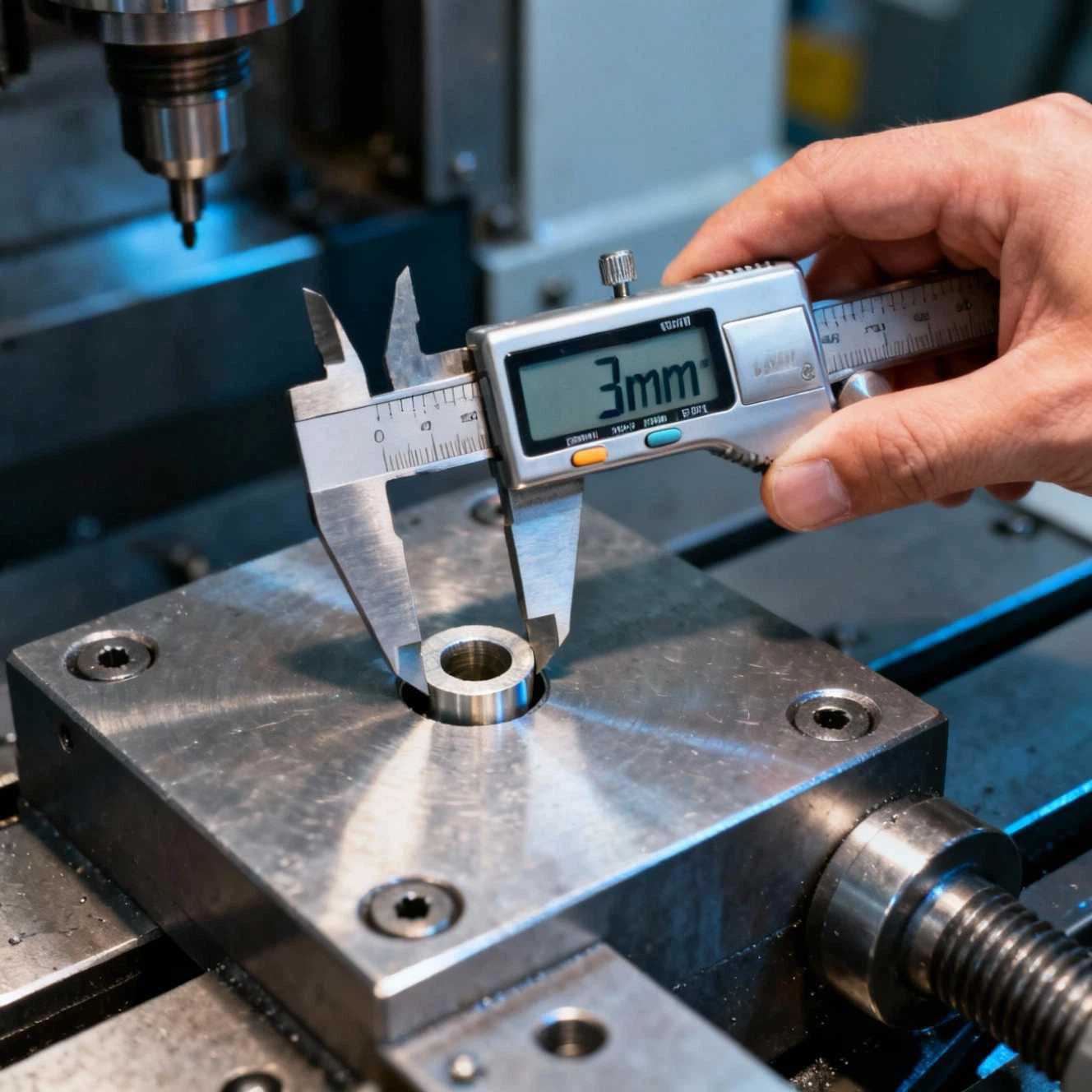
- Micrometers and calipers check dimensions after key milling stages.
4. Post-Machining Processes
Once the milling is complete, additional steps ensure that the parts meet customer requirements.
4.1 Deburring & Edge Finishing
- Small metal parts often have sharp edges after milling.
- Automated deburring machines, ultrasonic cleaning, or hand polishing are used to refine edges.
4.2 Surface Treatments
Depending on the application, different finishes can be applied:
- Anodizing (for aluminum) – Adds corrosion resistance.
- Electroplating – Enhances conductivity and appearance.
- Powder Coating – Provides durability and aesthetic appeal.
4.3 Final Quality Control
- CMM (Coordinate Measuring Machine) inspection ensures precision.
- Visual and functional testing verifies compliance with client specifications.
- Batch tracking maintains quality consistency in mass production.
5. Best for Milling Small Metal Parts
To maintain high efficiency and precision, manufacturers should follow these best practices:
Use High-Precision CNC Machines – Investing in quality equipment ensures consistent accuracy.
Optimize Cutting Speeds & Feed Rates – Adjust parameters for each material to extend tool life.
Minimize Vibration – Secure small parts properly to prevent defects.
Automate Quality Control – Use in-line measuring tools to detect errors early.
Implement Efficient Workflows – Reduce cycle times by optimizing setups and using multi-part fixturing.
Discover small metal parts and learn how to mill small metal parts with precision tools and techniques for manufacturing, engineering, and DIY projects. Achieve flawless results and durability.
What Are The Standard Sizes Of Spring Ball Plungers
How to Order the Quick Lock Pin: A Step-by-Step Guide