Spring Loaded Locking Pins
Spring Loaded Locking Pins: A Reliable Solution for Secure, Rapid Connections
Introduction: Engineering Efficiency Through Precision Components
In the world of precision manufacturing and mechanical design, where stability and efficiency are paramount, small components often make the biggest difference. Among such vital parts is the Spring Loaded Locking Pin, a versatile and robust fastener widely used across industries like aerospace, automotive, marine, and industrial machinery. These mechanical devices provide quick, repeatable, and secure locking solutions that reduce assembly times and increase operator convenience.
This article delves into the mechanics, applications, benefits, and future of Spring Loaded Locking Pins, offering a comprehensive understanding for engineers, procurement managers, and industry insiders alike.

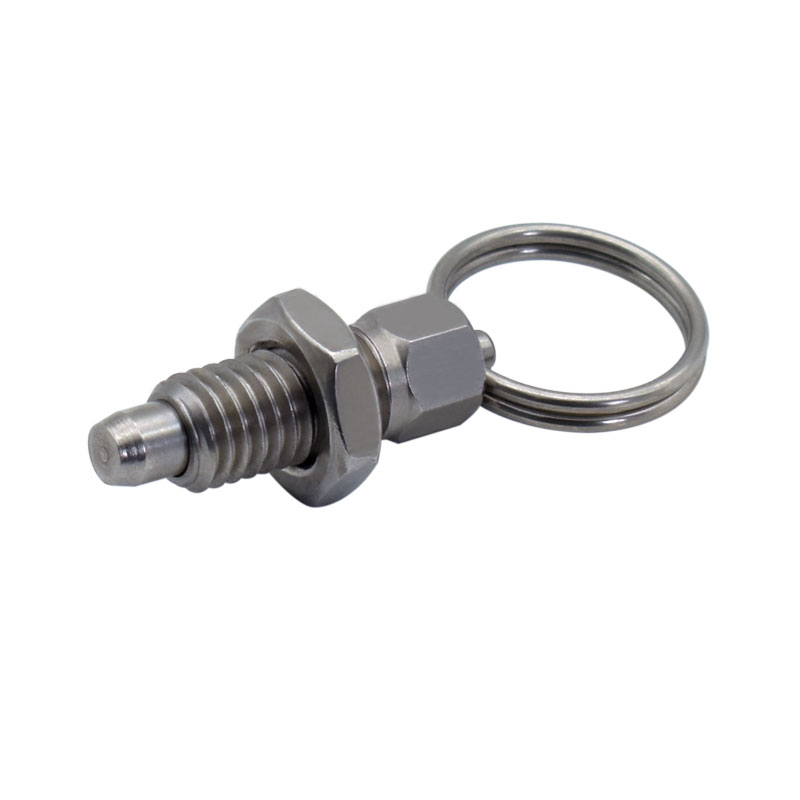
Understanding the Design of Spring Loaded Locking Pins
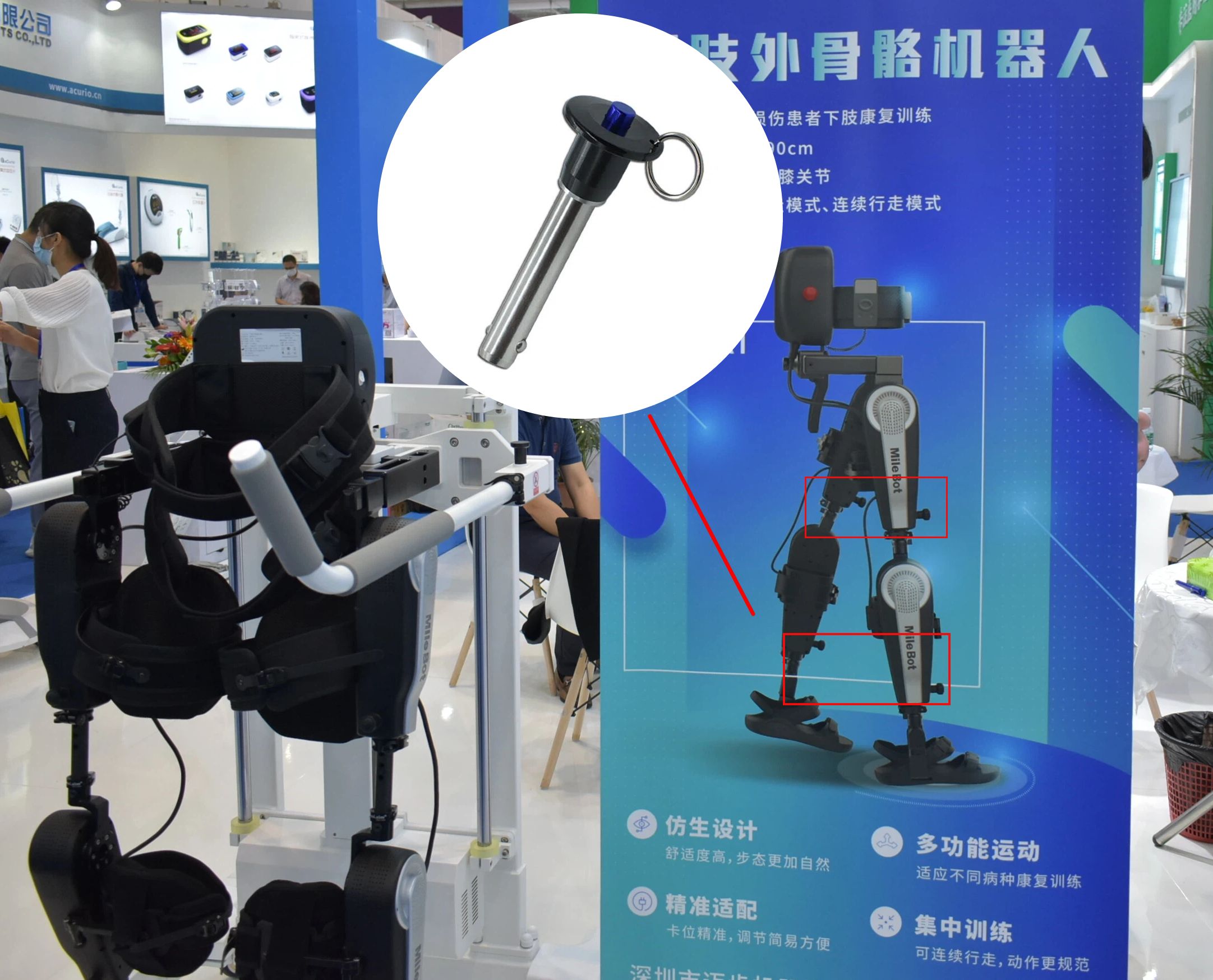
Spring Loaded Locking Pins are made up of several core components:
-
Pin body: Often cylindrical and crafted from high-strength materials such as stainless steel or carbon steel.
-
Spring mechanism: Located internally, it provides the retraction and extension force for locking or unlocking.
-
Locking ball or plunger: This element engages in a hole or slot to lock the pin in place.
-
Actuation button or ring: Used for quick manual retraction of the pin for disengagement.
When the actuator is depressed, the spring retracts the locking mechanism, allowing for removal or adjustment. Once released, the mechanism extends and secures the pin automatically.
Material Choices and Why They Matter
Durability and resistance to harsh environments are crucial. Therefore, Spring Loaded Locking Pins are manufactured using:
-
Stainless Steel (304/316): Excellent corrosion resistance for marine and outdoor applications.
-
Carbon Steel (Plated or Coated): Suitable for general industrial use.
-
Aluminum Alloy: Lightweight applications requiring moderate strength.
Surface treatments such as zinc plating, black oxide coating, or passivation further enhance corrosion resistance and wear life.
Applications Across Diverse Industries
Spring Loaded Locking Pins are indispensable in settings where components must be quickly connected or adjusted without the use of tools. Their typical applications include:
1. Aerospace and Defense
Used to secure removable panels, adjustable aircraft seats, and modular weapon mounts. The reliability and strength of locking pins are crucial under high vibration and safety-critical environments.
2. Automotive and Motorsports
Quick-release systems, adjustable suspension components, or removable panels benefit greatly from these pins' tool-free operation and secure engagement.
3. Construction and Scaffolding
Heavy-duty locking pins ensure quick assembly and adjustment of scaffolding, support frames, and construction equipment, reducing downtime and enhancing worker safety.
4. Industrial Machinery
Spring loaded pins are used for fixture setups, clamping, positioning, or quick tool change mechanisms on manufacturing equipment.
5. Marine and Recreational Vehicles
Ideal for securing boat seats, folding ladders, or equipment racks where corrosion resistance is paramount.
Advantages Over Traditional Fastening Methods
Spring Loaded Locking Pins offer a host of advantages:
-
Quick installation and removal – no tools required.
-
Consistent and reliable engagement – reduces risk of accidental disengagement.
-
Reusable and durable – withstands repeated cycles.
-
Time and labor-saving – perfect for assembly lines and temporary setups.
-
Secure hold – ideal for high-vibration environments.
These qualities make them ideal for maintenance-heavy and high-efficiency operations.
Variants of Spring Loaded Locking Pins
Depending on specific application needs, Spring Loaded Locking Pins come in a variety of styles:
-
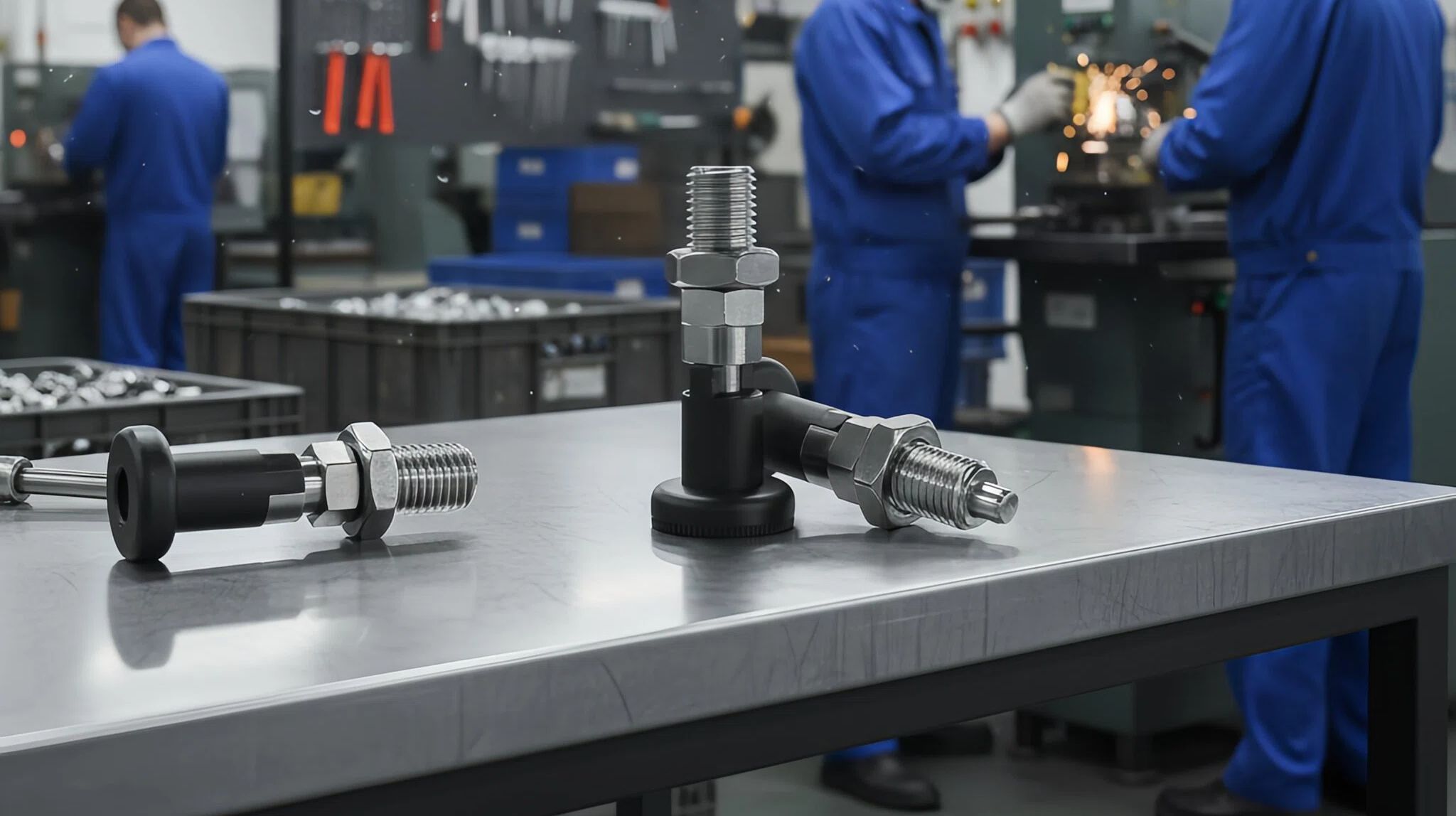
T-handle or L-handle pins: Easier manual operation for larger components.
-
Push-button locking pins: Allow one-hand operation with a recessed button.
-
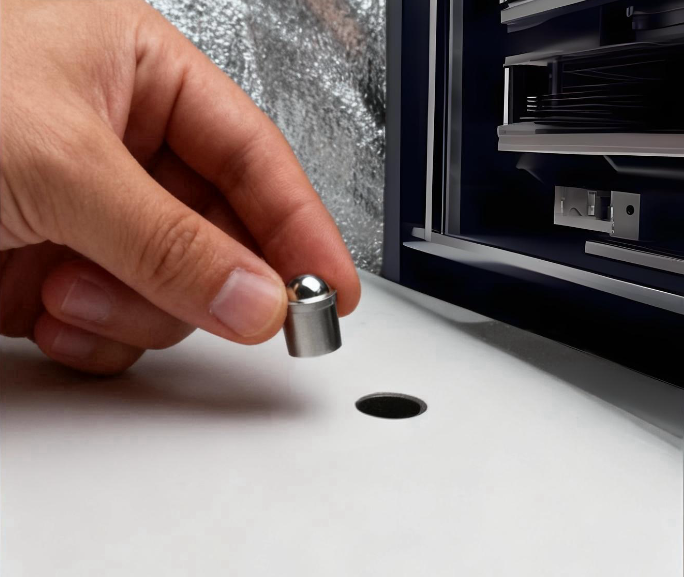
Detent pins: Feature spring-loaded balls that snap into place for temporary holding.
-
Ball locking pins: Use retractable balls to lock into corresponding holes.
-
Knob-style pins: Ideal for tool-free applications where ergonomic grip is beneficial.
Installation Considerations
Correct installation ensures safety and performance:
-
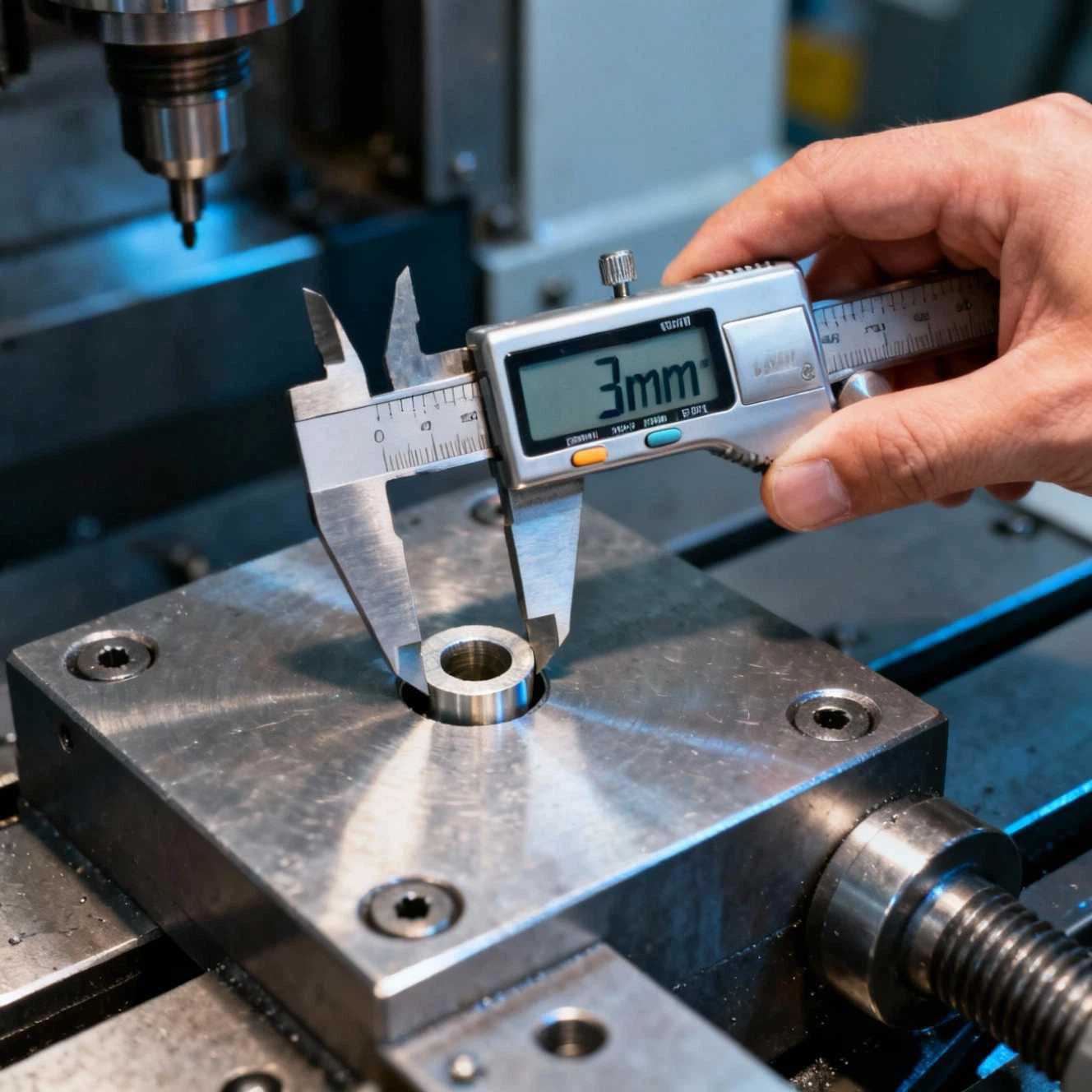
Hole alignment: Mating parts must be properly drilled to allow secure engagement.
-
Load-bearing requirements: Always select a pin that meets or exceeds the mechanical load demands.
-
Environmental exposure: Choose materials and coatings that suit the operating environment.
-
Frequency of operation: High-use applications should opt for wear-resistant and ergonomic models.
Customization Options
Manufacturers often offer customization, including:
-
Custom pin lengths and diameters
-
Special materials (e.g., titanium or high-nickel alloys)
-
Modified actuation handles
-
Color-coded handles for easy identification
-
Threaded ends or lanyards for retention
These options ensure compatibility with proprietary designs or industry-specific requirements.
Industry Standards and Certifications
To ensure reliability and interoperability, many Spring Loaded Locking Pins conform to:
-
MIL and NAS standards (for aerospace and defense)
-
ISO 9001-certified production processes
-
REACH and RoHS compliance (for environmental safety)
Quality assurance is essential, especially in regulated industries where safety is a top concern.
Maintenance and Lifecycle
Proper maintenance ensures long-term performance:
-
Regular cleaning: Removes debris or corrosive elements.
-
Lubrication: Prevents wear in high-cycle applications.
-
Inspection: Look for signs of fatigue, corrosion, or spring degradation.
Well-maintained pins can function reliably for thousands of locking cycles.
Emerging Trends and Innovations
Recent innovations in this field include:
-
Composite-body locking pins: Lighter and more corrosion-resistant.
-
Smart locking systems: Incorporate RFID or sensors for automated engagement monitoring.
-
One-touch quick-release systems: Designed for faster actuation in high-speed applications.
As automation increases and efficiency becomes paramount, expect to see Spring Loaded Locking Pins evolve to include more integrated technology.
Choosing the Right Supplier
Key considerations when selecting a supplier include:
-
Reputation and certifications
-
Customization capabilities
-
Material sourcing and quality control
-
Technical support and CAD availability
-
Delivery and logistics support
Reliable suppliers, like Mocayo and other precision component manufacturers, offer not only standard products but also engineering support and design consultation.
Upgrade your hardware with quick release pins, detent pins, and quick release locking pins. Offering secure and rapid fastening, they’re ideal for industrial, automotive, and machinery applications. Durable and reliable!
Spring Loaded Locking Pins might be small, but their impact is vast. From aerospace to agriculture, they serve as a critical component in quick-assembly, safety, and secure fastening applications. With continuous innovation in materials and designs, their role will only grow in the future of engineering and manufacturing.
For engineers seeking performance, safety, and time-saving installation, Spring Loaded Locking Pins remain a top-tier fastening solution — combining strength, simplicity, and speed.
Heavy Duty Spring Loaded Locking Pin
Spring Pull Pin