Spring Loaded Release Pin
Understanding Spring Loaded Release Pins: Functionality, Applications, and Design Standards
Introduction to Spring Loaded Release Pins
Spring Loaded Release Pins are essential components in many mechanical and industrial systems, providing a fast, efficient, and secure way to connect and disconnect parts. These pins are engineered to simplify assembly and disassembly processes without the need for tools, relying on spring tension and internal locking mechanisms to ensure reliability and precision. As industries move toward more streamlined and modular designs, the importance of reliable fastening mechanisms such as spring loaded pins continues to grow.

How Spring Loaded Release Pins Work
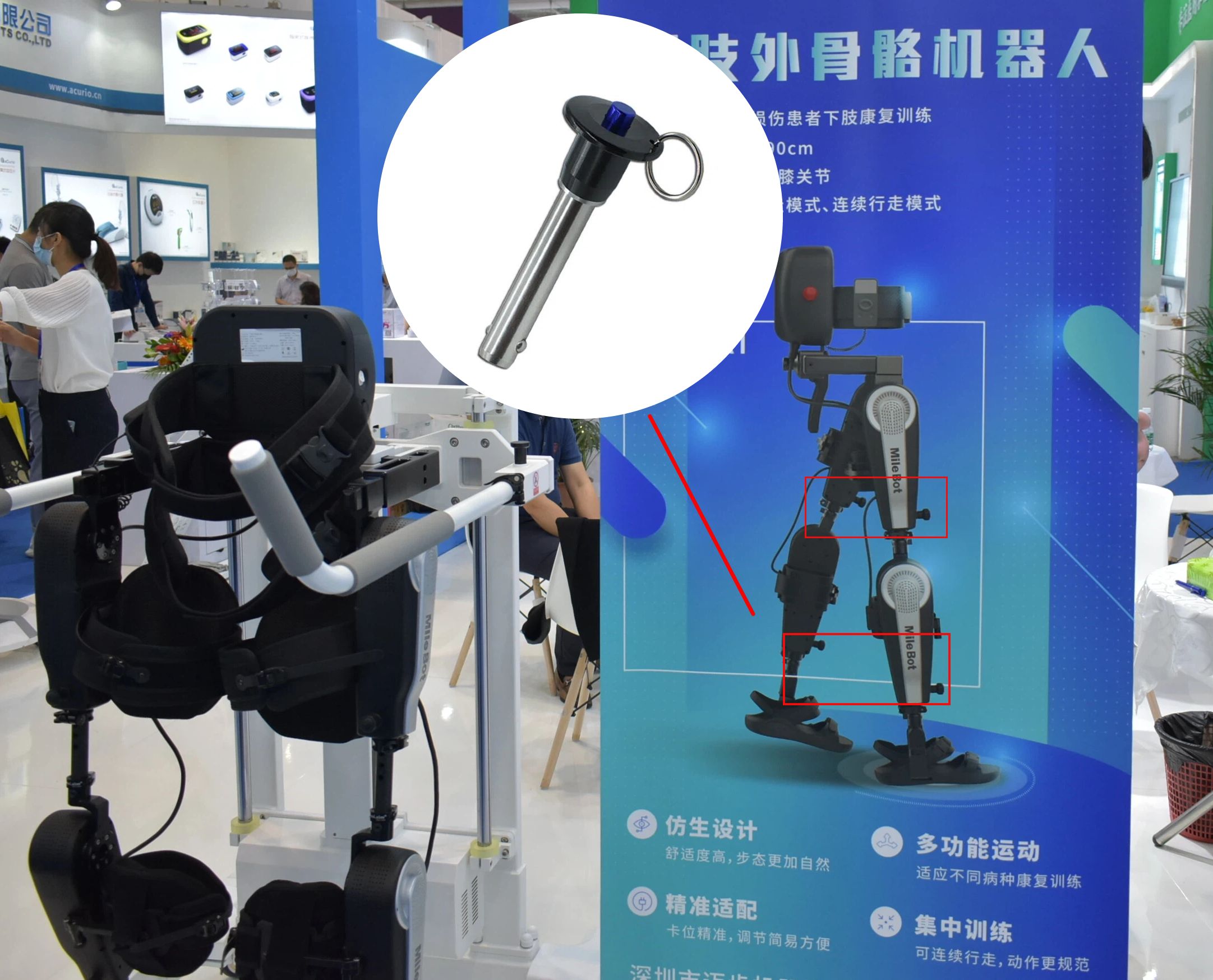
The basic working principle of a Spring Loaded Release Pin involves a plunger or pin body that is loaded with an internal spring. When pressed, the spring compresses, allowing the pin to retract and be removed or repositioned. Upon release, the spring forces the pin back into its locked position. Many designs also feature locking balls or detents to secure the pin in place under load or vibration.
This intuitive mechanism allows for:
-
Quick one-hand operation
-
Positive locking or non-locking designs
-
High repeatability and reusability
Key Features and Advantages
Spring Loaded Release Pins offer several advantages that make them ideal for use in a wide variety of applications. These include:
-
Quick Engagement and Release: Enables fast setup and takedown of equipment or structures.
-
Tool-Free Operation: Eliminates the need for additional tools, reducing downtime and improving efficiency.
-
Secure Locking: Mechanisms such as detents or ball-locks ensure pins stay in place under stress.
-
Compact Design: Saves space while maintaining high holding power.
-
Corrosion Resistance: Often made from stainless steel or treated alloys for outdoor or marine environments.
-
Customization Options: Available in various sizes, handle types, and materials to suit different applications.
Common Applications
Spring Loaded Release Pins are widely used in industries where fast and secure pin engagement is required. Some of the most common application areas include:
-
Aerospace: For rapid assembly and secure mounting of aircraft components.
-
Defense: Used in tactical equipment, field installations, and vehicle armor systems.
-
Automotive: Useful in testing rigs and removable paneling.
-
Construction: Securing scaffolding or temporary structures.
-
Manufacturing: Changeover parts in production lines and jig fixtures.
-
Medical Equipment: Quick-access panels and modular systems.
Types of Spring Loaded Release Pins
There are several design variations of spring loaded release pins, each catering to specific needs. These include:
T-Handle Release Pins
Characterized by a T-shaped handle for firm grip and easy pulling, ideal for high-draw-force applications.
Ring Handle Pins
Feature a loop or ring at the top for manual or tool-assisted pulling.
Button Handle Pins
Compact and ideal for tight-space environments where finger pressing is easier than pulling.
Lanyard Pins
Attached to a lanyard to prevent loss and ensure convenient re-use, often in field or mobile settings.
Detent Pins
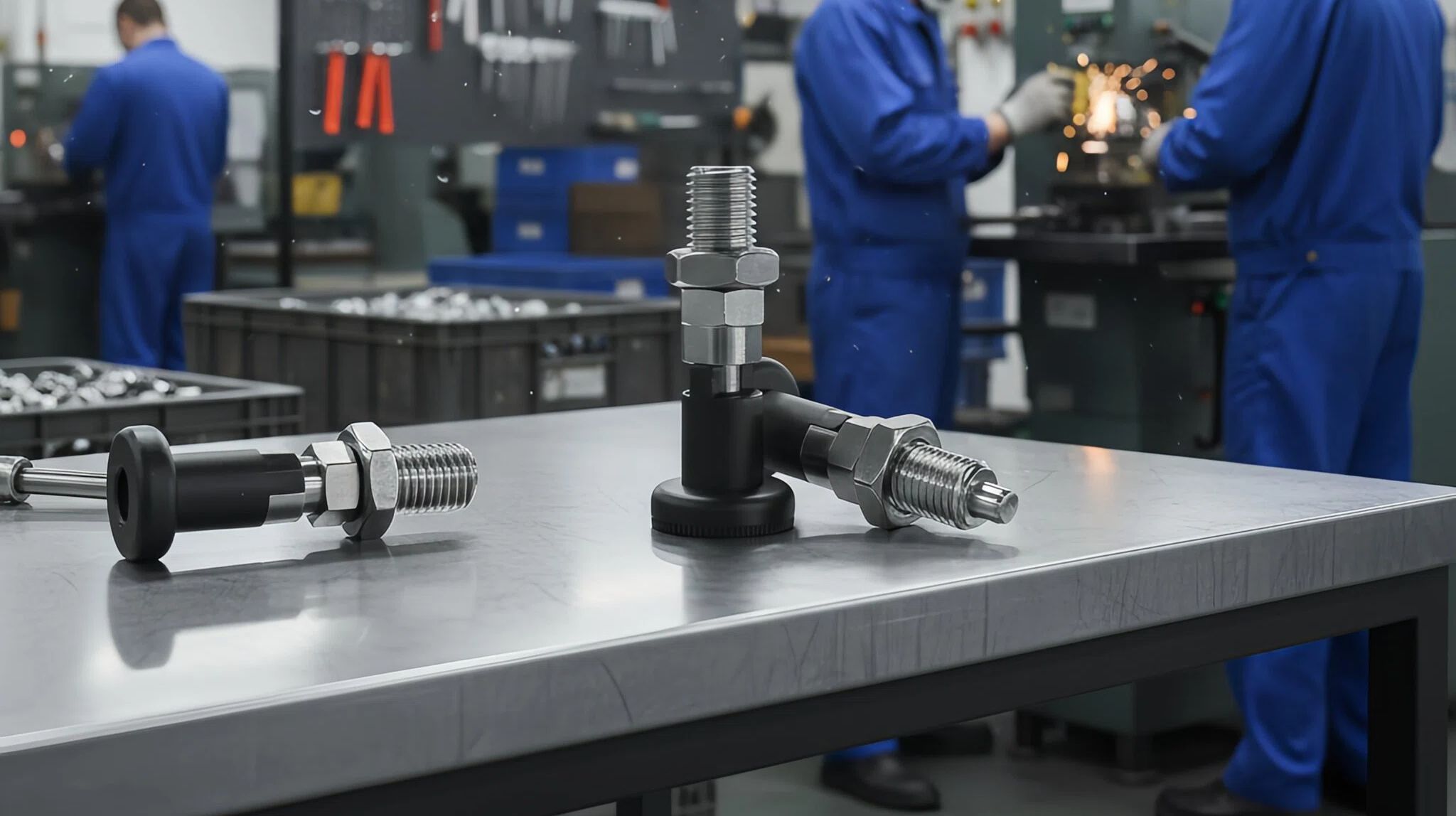
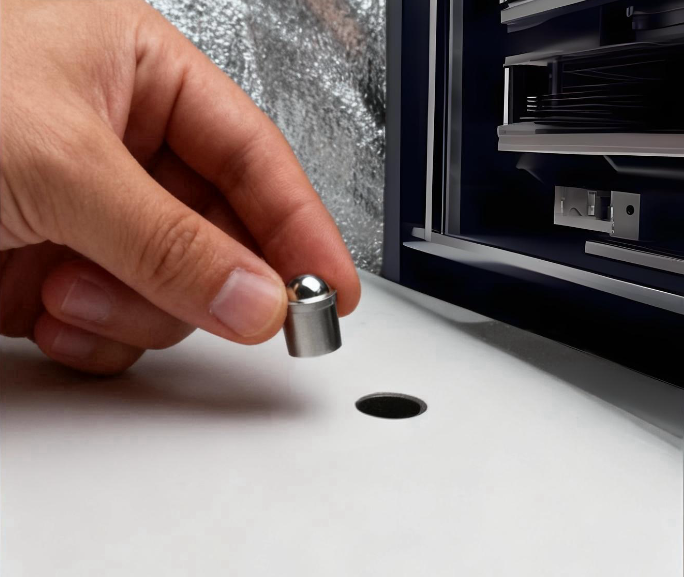
Incorporate spring-loaded balls that snap into place to resist unintentional removal, especially under vibration.
Material Selection
Spring Loaded Release Pins are manufactured from a variety of materials to suit different working environments:
-
Stainless Steel: Corrosion-resistant and high strength, suitable for marine, medical, or clean-room applications.
-
Carbon Steel: High durability and cost-effective for general industrial use.
-
Aluminum: Lightweight and resistant to corrosion, useful in aerospace and automotive sectors.
-
Plastic/Composite Handles: Reduce weight and are ergonomically designed for comfort.
Industry Standards and Compliance
Spring Loaded Release Pins are often produced to comply with international standards to ensure compatibility and reliability across applications. These standards may include:
-
ANSI / ASME B18.8.2
-
MIL-P-21143 (U.S. Military Standard)
-
DIN 7979 (German standard for cylindrical pins)
-
ISO 8752 (International Spring Pin Standard)
Following these standards ensures that the pins meet precise tolerances, load-bearing capacities, and corrosion resistance requirements for global usage.
Design Considerations
When selecting or designing Spring Loaded Release Pins for a particular application, consider the following factors:
-
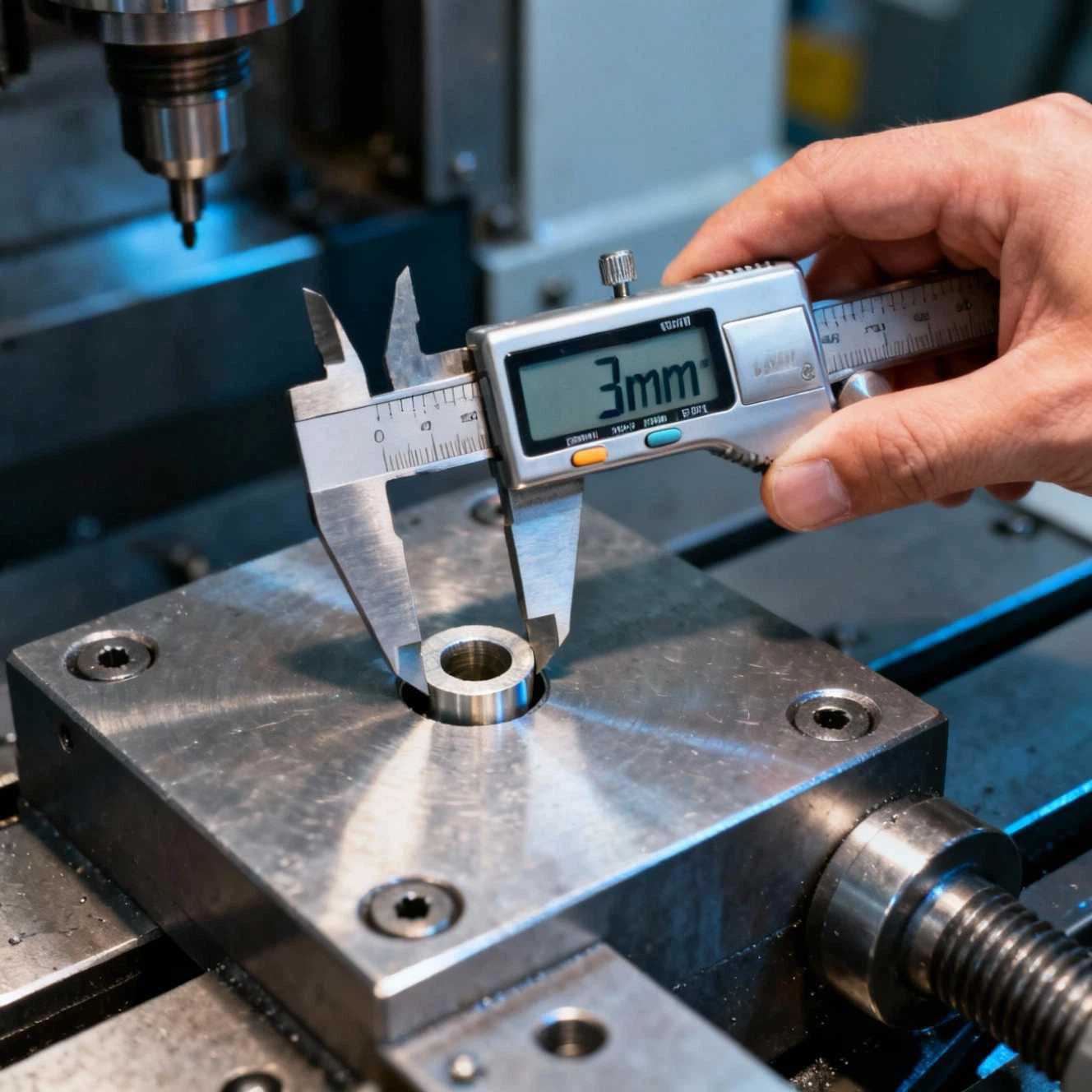
Shear Strength Requirements: Depending on the load applied perpendicular to the pin axis.
-
Material Compatibility: Ensures the pin won’t corrode or degrade when in contact with the host material.
-
Ease of Use: Handle type, grip size, and visibility for operator ergonomics.
-
Cycle Life: Number of engagement and disengagement operations over time.
-
Temperature Resistance: Material and spring design to handle high or low operating temperatures.
-
Environmental Factors: Exposure to moisture, chemicals, or outdoor conditions.
Installation and Maintenance
Installing Spring Loaded Release Pins is typically straightforward, but ensuring longevity and consistent performance requires basic maintenance:
-
Visual Inspection: Check for corrosion, wear, or damage before use.
-
Lubrication: Occasionally lubricate the moving parts to maintain smooth operation.
-
Cleaning: Remove debris and dirt regularly to prevent jamming or incomplete locking.
-
Replacement: Replace pins that no longer retract smoothly or show signs of spring fatigue.
Recent Innovations
Recent advancements in pin manufacturing have focused on:
-
Smart Pins: Embedded with RFID or sensors to track engagement/disengagement cycles or provide feedback.
-
Self-Locking Mechanisms: Enhanced security features to prevent accidental release.
-
Miniature and Micro Pins: For medical and electronic applications requiring ultra-compact solutions.
-
Toolless Customization: Modular pins that can be adjusted on-site for length or engagement force.
Market Outlook and Demand Trends
The demand for Spring Loaded Release Pins is expected to grow steadily due to increasing automation and modular equipment design trends across manufacturing, defense, and transportation industries. End-users are increasingly prioritizing:
-
Lightweight but strong components
-
Time-saving fasteners
-
Reusable, environmentally friendly parts
The global market is also seeing higher demand for custom-engineered pins to meet niche specifications in robotic systems, electric vehicles, and smart manufacturing equipment.
Enhance your hardware with spring loaded release pins, offering secure and quick-release functionality for industrial, automotive, and machinery applications. Durable, reliable, and easy to use—perfect for efficient operations.
Spring Loaded Release Pins continue to prove themselves as versatile, reliable, and indispensable components in a wide range of industrial applications. With continued innovations in material science and user-centric design, these pins are adapting to meet the demands of high-speed, high-efficiency modern manufacturing.
Whether in aerospace, automotive, or consumer electronics, Spring Loaded Release Pins offer the essential qualities of speed, strength, and simplicity. Understanding their types, materials, applications, and standards is key for engineers and purchasing professionals aiming to optimize performance and minimize downtime.
Positive Locking Pins
Threaded Spring Plungers