Spring Loaded Screw
Spring Loaded Screws: Enhancing Precision and Efficiency in Modern Fastening Applications
Introduction
In the world of precision engineering and modern manufacturing, fastening solutions have evolved dramatically. Among the most innovative developments is the spring loaded screw, a unique mechanical component designed to offer controlled tension, precise engagement, and enhanced performance in dynamic environments. With widespread applications in electronics, aerospace, medical devices, and industrial machinery, spring loaded screws are playing a vital role in advancing mechanical reliability, ease of assembly, and performance consistency. This comprehensive article explores the design, working principle, applications, advantages, and future trends of spring loaded screws.
What is a Spring Loaded Screw?
A spring loaded screw is a specialized fastener that integrates a spring mechanism within its body or alongside its structure. This built-in spring provides an automatic force or pressure that ensures constant contact, improved vibration resistance, and automatic adjustment in fluctuating environments. These screws are often used where controlled torque, repeatable load, or consistent seating pressure is required.


Core Components and Design Features
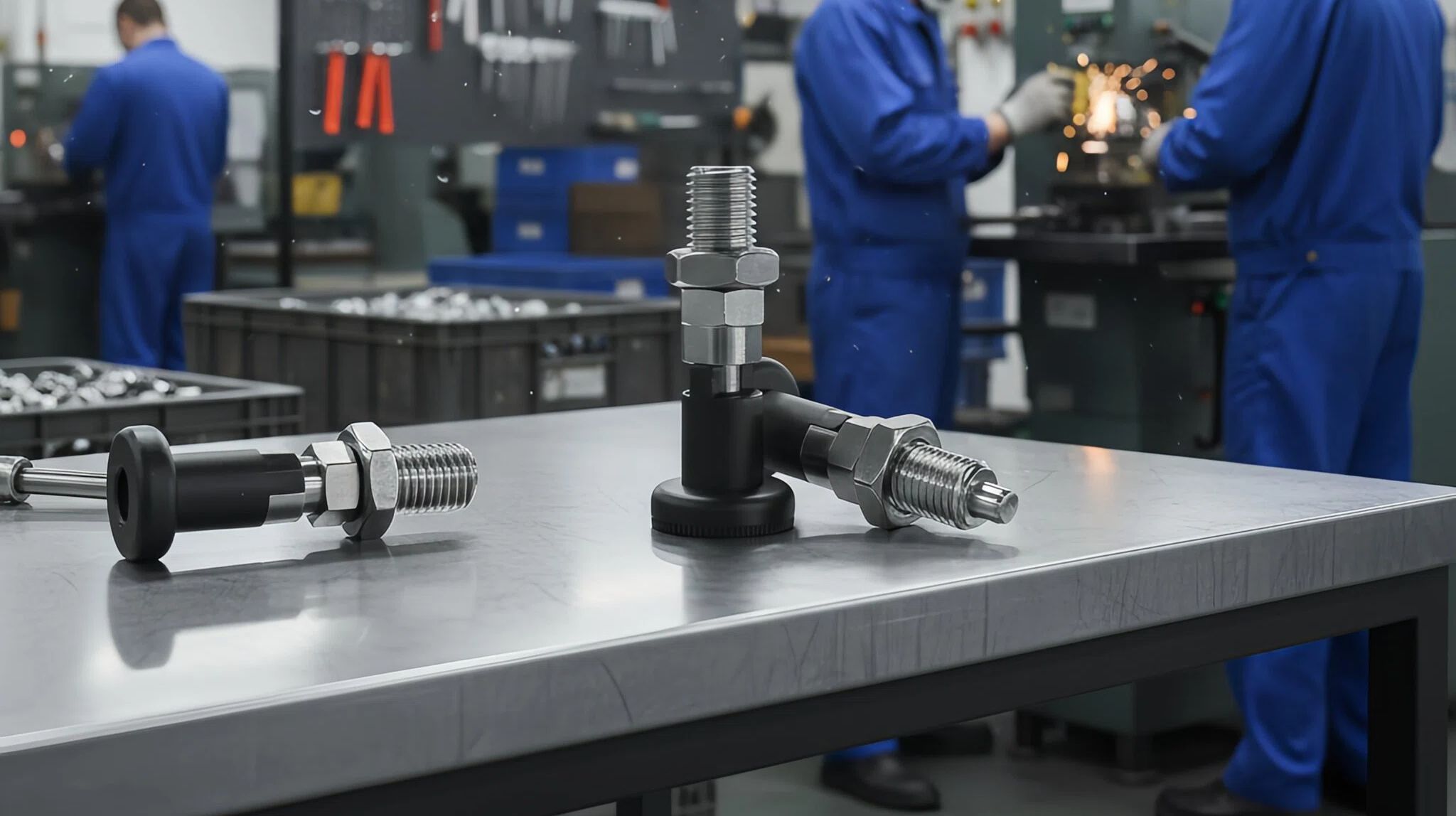
The typical construction of a spring loaded screw includes:
-
Threaded Body: The screw shaft that engages with the mating part.
-
Integrated Spring: A compression or tension spring built into the screw’s head or shaft.
-
Retaining Mechanism: Keeps the spring in place and directs the applied force.
-
Plunger Tip or Movable Element: In some variants, this part moves under the spring’s influence.
Designs vary depending on the application, with configurations that offer adjustable preload, captive operation, or tool-less installation.
Working Principle
The working mechanism of a spring loaded screw relies on the stored energy of the spring. When the screw is tightened or released, the spring either compresses or decompresses, exerting a controlled force on the adjoining component. This ensures that the fastened components remain secure even under thermal expansion, vibration, or mechanical shock.
Advantages of Spring Loaded Screws
-
Consistent Pressure Application: Maintains even contact and pressure on components.
-
Vibration Resistance: Ideal for dynamic applications where loosening is a concern.
-
Automatic Adjustment: Accommodates variations due to temperature or stress.
-
Quick Assembly: Often eliminates the need for washers or locking elements.
-
Compact and Space-Efficient: Combines multiple functions into a single unit.
-
Enhanced Safety and Reliability: Reduces the risk of fastener failure.
Types of Spring Loaded Screws
There are several variations of spring loaded screws, each tailored to specific uses:
-
Captive Spring Screws: Feature a spring-loaded plunger that stays attached to a panel.
-
Thumb Screws with Springs: Enable manual operation without tools.
-
Adjustable Preload Screws: Allow the user to control the spring tension.
-
PCB Mount Screws: Used in electronics for consistent board contact.
-
Detent and Indexing Screws: Provide tactile feedback and positioning.
Applications Across Industries
Spring loaded screws are widely used across various sectors due to their versatile functionality:
-
Electronics: For grounding, consistent contact pressure, and anti-vibration features.
-
Aerospace and Defense: For secure fastening in high-vibration, high-altitude environments.
-
Medical Equipment: Tool-free access and consistent clamping in diagnostic instruments.
-
Automotive: For trim panels, sensors, and modular assemblies.
-
Industrial Machinery: In jigs, fixtures, and equipment that require adjustable tension.
Design and Material Considerations
When selecting or designing a spring loaded screw, the following factors must be considered:
-
Material Compatibility: Stainless steel for corrosion resistance, alloy steel for strength, brass for conductivity.
-
Spring Force Ratings: Must match the load requirements of the application.
-
Head Styles: Slotted, Phillips, hex, or custom knobs for tool or hand operation.
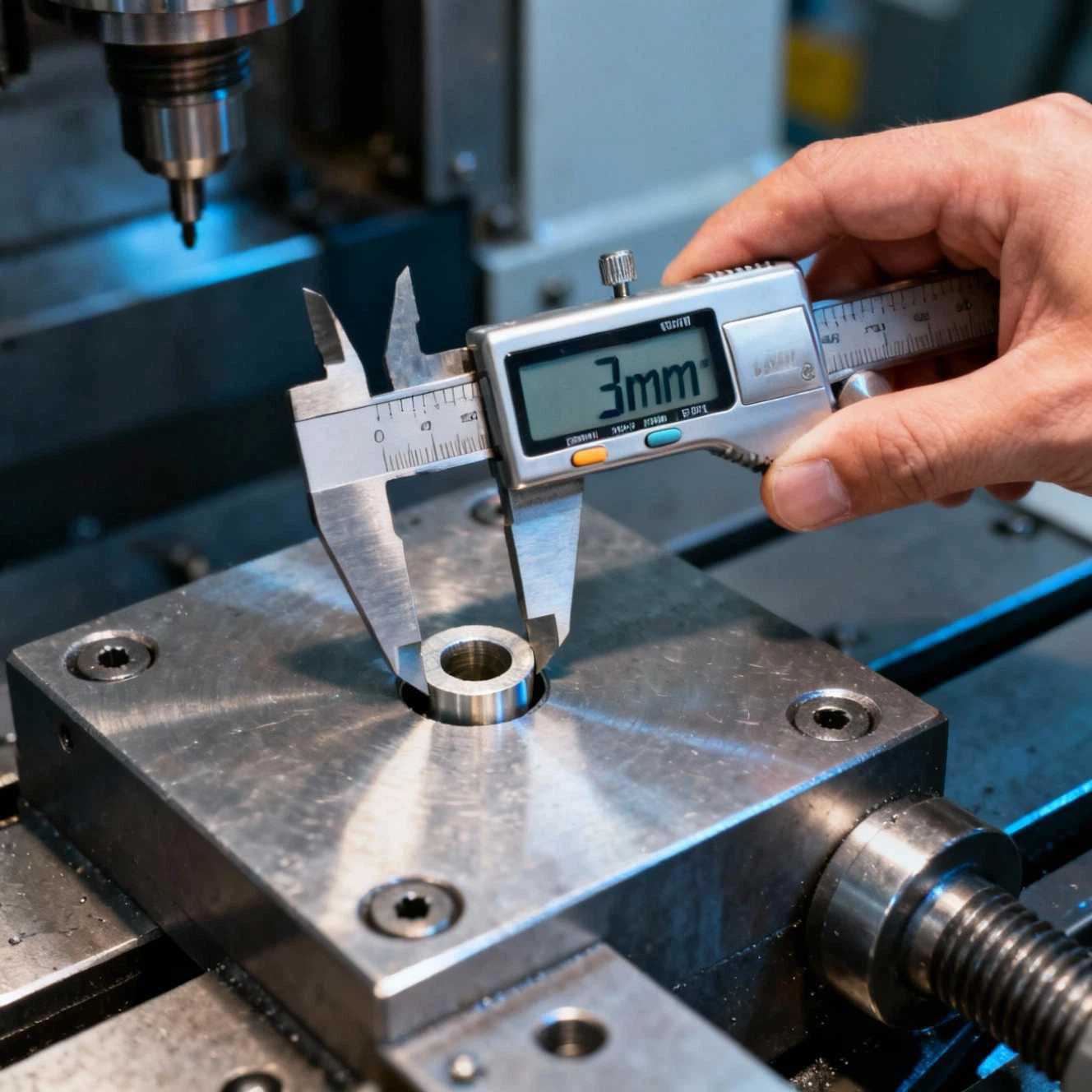
-
Thread Sizes and Lengths: Standardized or customized per system specifications.
-
Finish and Coating: Zinc plating, passivation, anodizing, or PTFE coatings for enhanced durability.
Installation Guidelines
Proper installation of spring loaded screws ensures their functionality and longevity:
-
Align components correctly before fastening.
-
Apply uniform torque to avoid over-compression.
-
Ensure the spring is seated properly.
-
Conduct periodic inspections in critical applications.
Performance and Testing Standards
Spring loaded screws must meet certain performance metrics:
-
Torque Resistance: Ability to hold under rotational stress.
-
Cycle Life: Number of compressions the spring can endure.
-
Corrosion Resistance: Especially critical in marine or chemical settings.
-
Thermal Stability: Operation under varying temperature conditions.
They may conform to international standards such as:
-
DIN Standards
-
ISO 9001/14001
-
RoHS and REACH Compliance
-
MIL-SPEC for military-grade applications
Market Trends and Innovations
The demand for spring loaded screws is on the rise, driven by miniaturization and smart device trends. Key innovations include:
-
Miniature Screws: For wearable electronics and micro-devices.
-
Smart Screws: With embedded sensors for load or position monitoring.
-
Eco-Friendly Materials: Biodegradable plastics and recyclable alloys.
-
Custom Engineering: Tailored solutions for aerospace, biotech, and automation.
Challenges in Application
Despite their advantages, spring loaded screws also present challenges:
-
Complexity of Design: Requires precise engineering.
-
Higher Manufacturing Cost: Compared to standard screws.
-
Risk of Spring Fatigue: Over time, especially under extreme conditions.
Solutions include advanced materials, precision machining, and proper usage guidelines.
Case Study 1: Spring Loaded Screws in Electronics
A leading smartphone manufacturer integrated spring loaded screws in its PCB design to ensure consistent grounding and shock resistance. The result was improved device durability, reduced returns, and enhanced user satisfaction.
Case Study 2: Medical Imaging Devices
In high-end MRI scanners, spring loaded thumb screws allowed for tool-less panel access while maintaining EMI shielding. The medical staff could easily remove and replace panels during routine maintenance, improving service efficiency.
Comparison With Traditional Screws
| Feature | Spring Loaded Screws | Traditional Screws |
|---|---|---|
| Pressure Consistency | High | Variable |
| Vibration Resistance | Excellent | Moderate |
| Tool-Free Operation | Available | Rare |
| Customization | High | Limited |
| Cost | Higher | Lower |
Environmental Considerations
With increasing emphasis on sustainable manufacturing, spring loaded screws are now produced with:
-
Recyclable materials
-
Non-toxic coatings
-
Reduced carbon footprints during production
-
Longer life cycles reducing waste
Supplier and Manufacturing Best Practices
When sourcing spring loaded screws, manufacturers should:
-
Provide engineering support
-
Offer prototype and testing services
-
Maintain ISO-certified quality systems
-
Allow for low MOQ custom runs
Discover precision-engineered spring loaded screws for secure, vibration-resistant fastening. Ideal for electronics, medical, and industrial applications. Durable and easy to install.
Spring loaded screws have transformed how engineers approach fastening solutions in modern mechanical design. Offering unparalleled consistency, versatility, and reliability, they support innovation across industries from aerospace to consumer electronics. As demands for efficiency, miniaturization, and smart integration grow, spring loaded screws will continue to evolve, offering even more intelligent and application-specific solutions. For any product designer or mechanical engineer seeking enhanced fastening reliability and efficiency, spring loaded screws remain an indispensable asset.
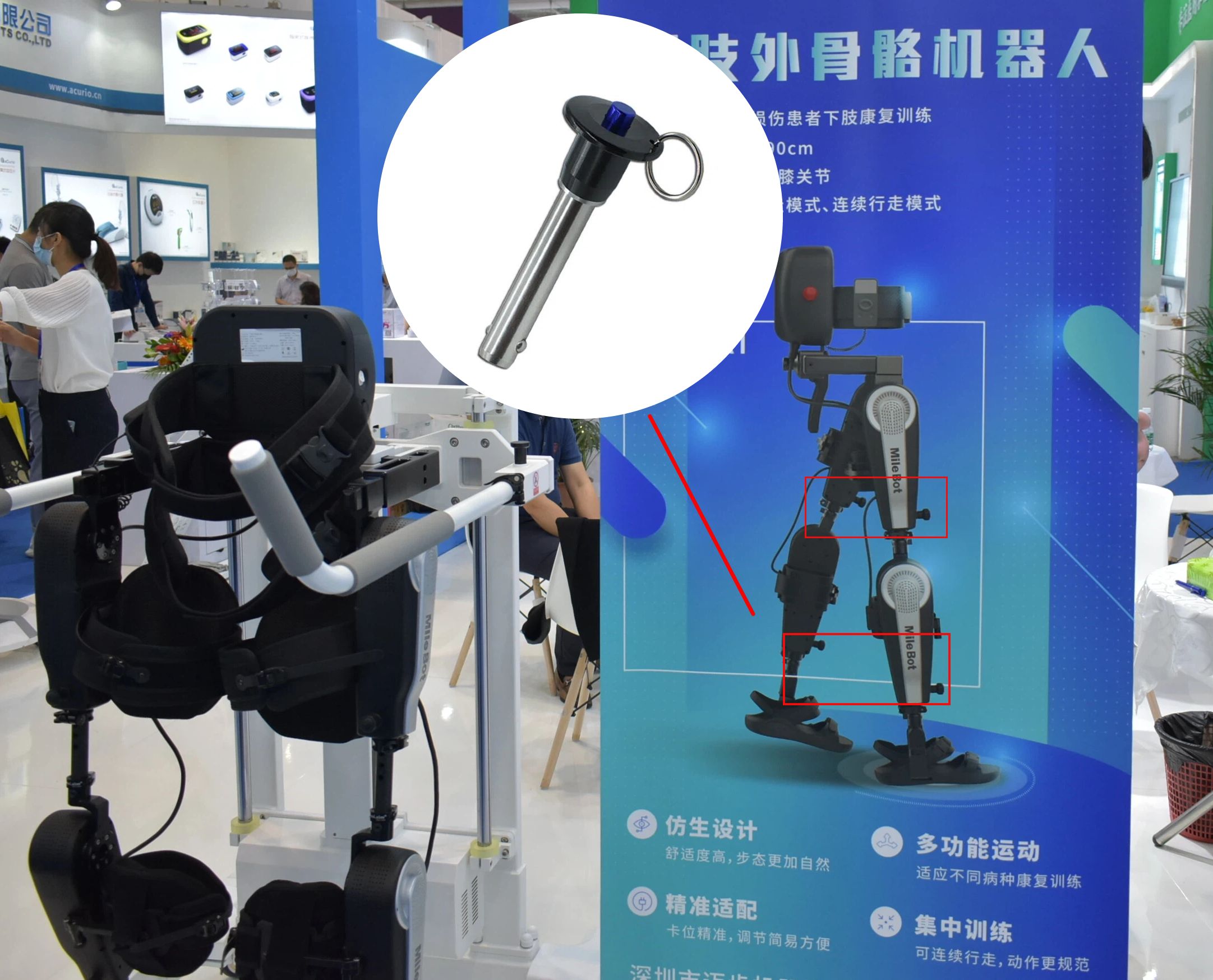
Spring Loaded Quick Release Pin
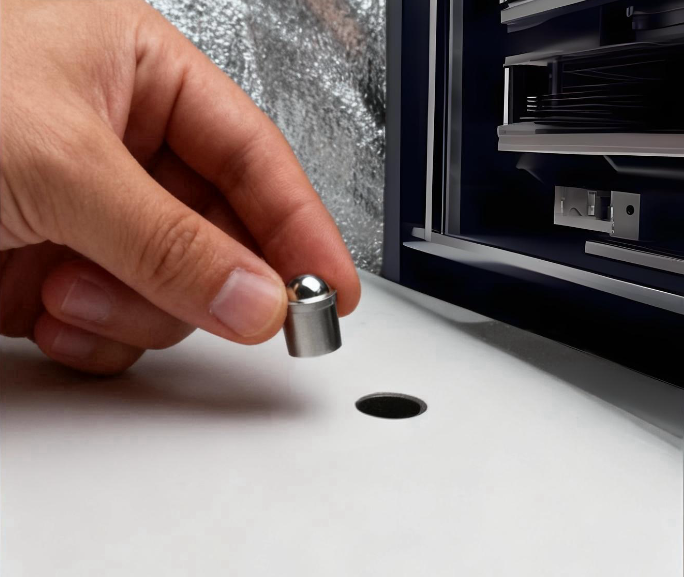
Stainless Steel Spring Pins