Spring Locating Pins
Spring Locating Pins: Precision in Motion and Alignment
Introduction
In the world of mechanical design and industrial manufacturing, precision and repeatability are paramount. Components must align, hold, and release reliably to ensure the functionality of complex systems. One small yet crucial device that fulfills this role is the Spring Locating Pin. This compact component is integral to applications requiring accurate positioning, temporary locking, and quick engagement or disengagement.
This article explores the design, functionality, types, materials, applications, and advantages of Spring Locating Pins, with a special focus on their role in precision mechanics.
What Are Spring Locating Pins?
Spring Locating Pins are mechanical devices that consist of a pin body housed within a spring-loaded mechanism. When engaged, the spring forces the pin into a locating hole or slot, providing accurate positioning or locking between parts. They are often used in jigs, fixtures, modular tooling systems, and assembly setups where parts need to be aligned or temporarily fixed during operation.


Basic Components and Design
1. Pin Body
Typically cylindrical and precision-machined, the pin is designed to fit snugly into corresponding locating holes.
2. Spring Mechanism
The internal compression spring applies axial force, ensuring the pin automatically returns to its extended or resting position.
3. Actuation Mechanism
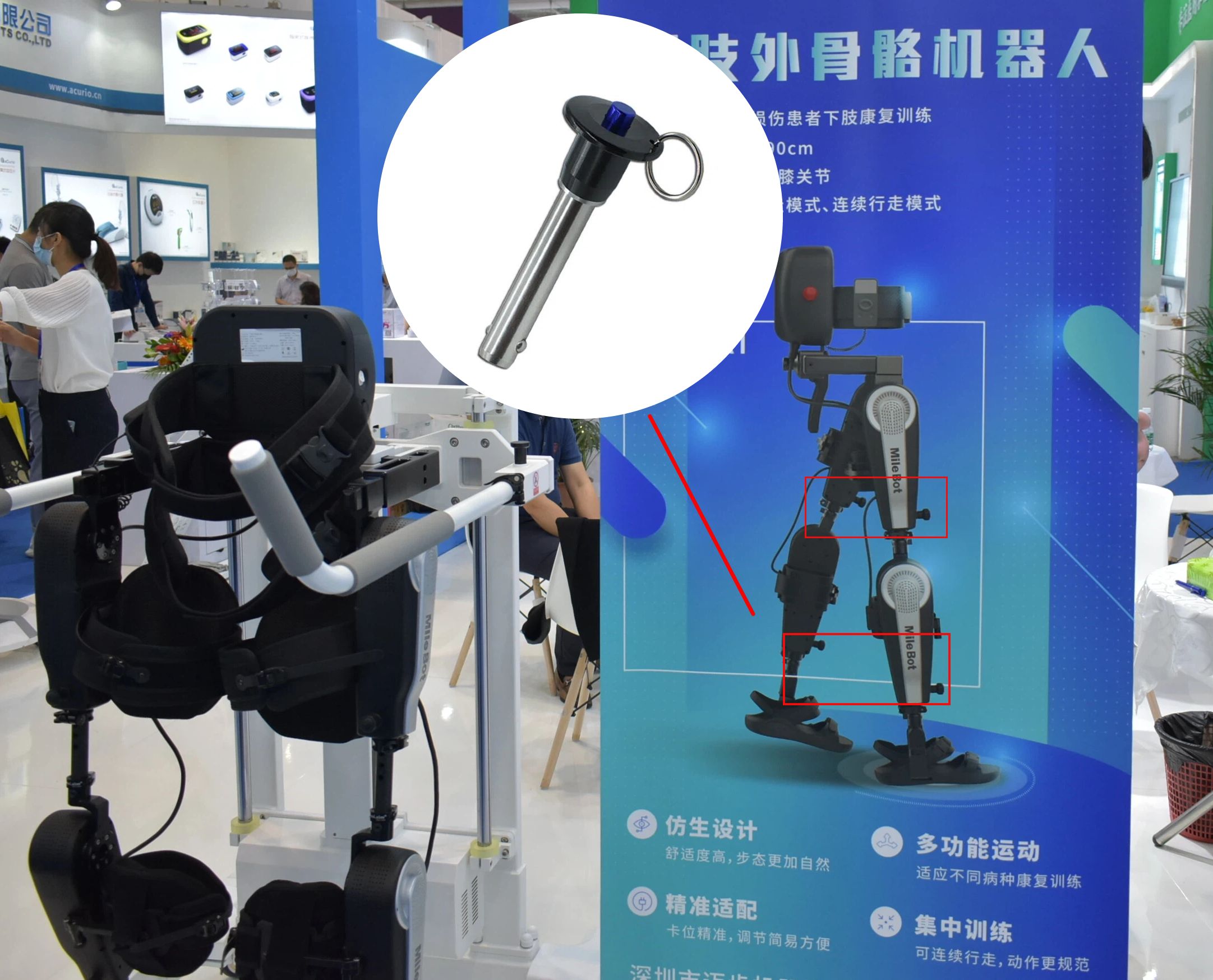
Many designs include a manual actuation method such as a pull ring, T-handle, or push button, allowing users to retract the pin easily.
Types of Spring Locating Pins
There are several types of Spring Locating Pins depending on their structure and use cases:
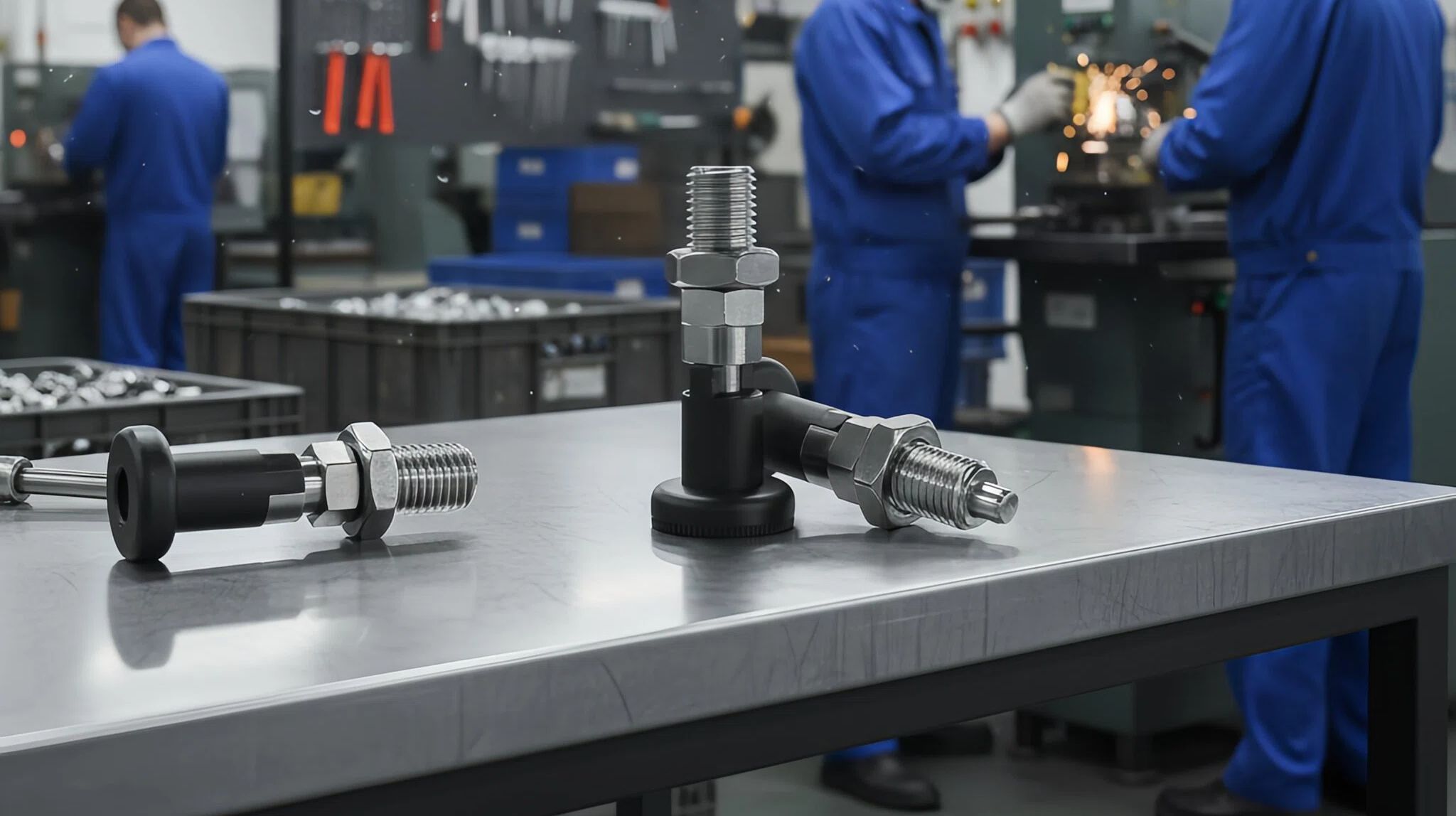
1. Fixed Locating Pins
These are permanently mounted and used for repeatable alignment. They do not retract, but the spring may serve to preload the mechanism.
2. Retractable Spring Pins
Ideal for applications requiring temporary engagement. They retract under manual or automatic force and are re-extended by the internal spring.
3. Quick Release Spring Pins
Integrated with mechanisms for fast engagement/disengagement. Often used in modular setups where speed is essential.
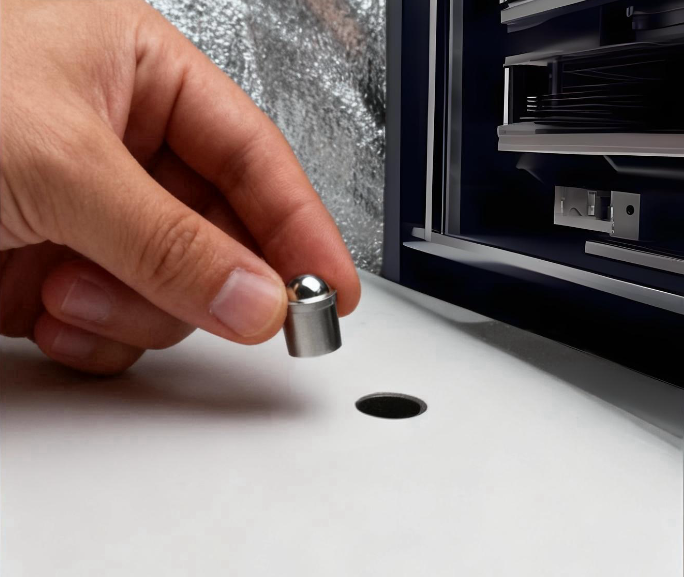
4. Ball-Detent Style Spring Pins
Include a ball at the tip that compresses into the housing and expands when aligned with a corresponding groove, offering secure but releasable engagement.
Material Selection
The choice of material significantly influences the pin's durability, corrosion resistance, and performance under stress.
-
Stainless Steel (e.g., 303, 304, 316): Ideal for corrosion resistance in marine or medical environments.
-
Alloy Steel (e.g., 4140, 4130): Offers strength and wear resistance; often heat-treated for durability.
-
Plastic (e.g., POM, Nylon): Lightweight and corrosion-resistant; used in electronics or light-duty applications.
Springs are typically made from stainless steel or music wire depending on the required life cycle and load.
Key Features and Functional Advantages
Spring Locating Pins are appreciated for several key features:
-
Self-Returning Mechanism: The spring ensures the pin automatically resets after retraction.
-
Precision Alignment: Designed for accurate repeatability in high-tolerance applications.
-
Ease of Use: Many versions come with ergonomic handles for user-friendly operation.
-
Secure Holding Force: The spring pressure keeps the pin securely engaged under moderate vibration and motion.
-
Customizability: Available in various sizes, materials, and head styles to fit specific engineering requirements.
Applications Across Industries
The versatility of Spring Locating Pins makes them applicable in numerous fields:
1. Manufacturing and Automation
Used in fixtures for CNC machining, welding jigs, and robotic arms to ensure accurate positioning of components.
2. Aerospace
Essential in temporary panel locks and tool positioning where weight savings and secure locking are critical.
3. Automotive
Employed in assembly lines for alignment, as well as in modular testing setups.
4. Electronics
Used in precise jig alignment or in delicate component handling, especially in automated pick-and-place systems.
5. Medical Devices
Non-corrosive, sterile versions of locating pins are used in surgical equipment and diagnostic machinery.
Design Considerations for Engineers
When selecting or designing Spring Locating Pins, engineers must evaluate:
-
Load Rating: How much axial or lateral load the pin must withstand.
-
Engagement Frequency: For high-cycle applications, fatigue resistance is crucial.
-
Corrosion Resistance: Environments like marine or chemical processing need non-corrosive materials.
-
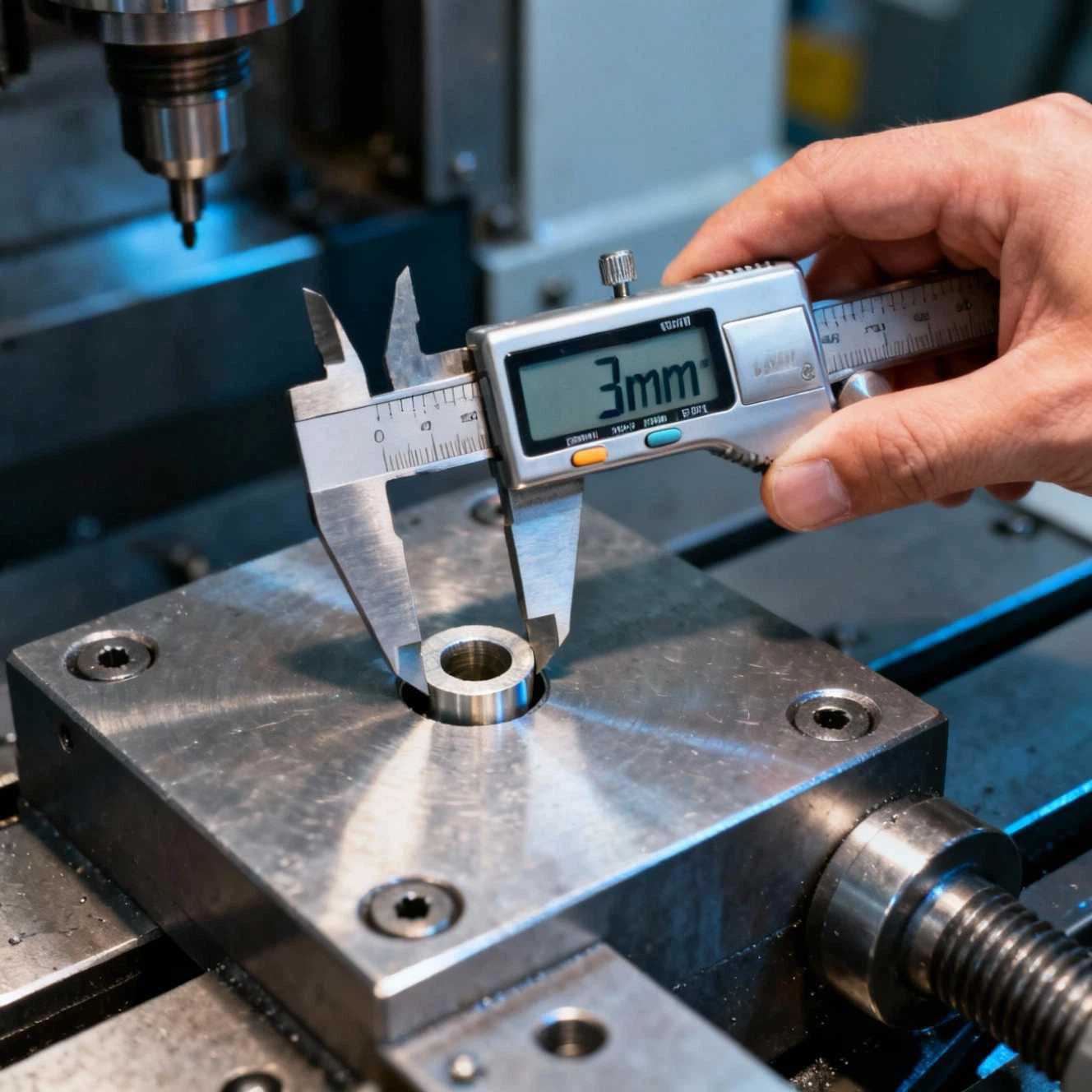
Tolerance Matching: The pin’s diameter should match the mating hole within tight tolerances for precise alignment.
-
Handle or Actuation Needs: Should the pin be pulled, pushed, or auto-actuated?
Installation and Maintenance Tips
Installation:
-
Ensure proper alignment with mating holes before securing.
-
Use thread-locking compound if vibration is expected.
Maintenance:
-
Regularly inspect for wear or deformation.
-
Keep the spring mechanism clean and lightly lubricated.
-
Replace any bent pins to avoid misalignment or operational failure.
Standards and Specifications
Spring Locating Pins are often produced in accordance with industry standards such as:
-
ISO 8752 / DIN EN ISO 8752 – For spring pins.
-
ASME B18.8.2 – U.S. standard for spring pins and similar fasteners.
Manufacturers also offer custom or proprietary sizing depending on the application.
Benefits of Using Spring Locating Pins
-
Enhanced Repeatability: Essential in jigs and fixtures where part-to-part consistency is needed.
-
Speed and Efficiency: Reduce the time required for aligning or setting up machinery.
-
Versatility: From light-duty to industrial-grade applications, they perform reliably in various settings.
-
Compactness: Delivers function in a small footprint, ideal for space-constrained systems.
-
Cost Efficiency: Reduces the need for complex alignment mechanisms, lowering overall system cost.
Emerging Trends and Innovation
As automation and precision engineering evolve, so do Spring Locating Pins. New trends include:
-
Smart Pins with Sensors: Embedded sensors detect pin position for use in IoT-enabled machinery.
-
Lightweight Composites: Carbon fiber or engineered plastics reduce weight without sacrificing strength.
-
Quick-Change Modular Fixtures: Designed for use in flexible manufacturing systems (FMS) with minimal changeover time.
Upgrade your hardware with spring locating pins, offering precise positioning and secure fastening for industrial, automotive, and machinery applications. Durable, reliable, and easy to use—perfect for efficient operations.
Spring Locating Pins may be small, but their impact on industrial accuracy and efficiency is monumental. Whether aligning parts in a robotic assembly line or locking components in a medical device, their role is vital in maintaining reliability and speed. With a wide range of types, materials, and customization options available, engineers and manufacturers can rely on these components to keep systems running smoothly.
As technology progresses, the integration of sensors and smart actuation mechanisms may take Spring Locating Pins into the next era of precision mechanics.
Pull Pin
Ball Lock Quick Release Pins