Spring Plungers: Versatile & Strong
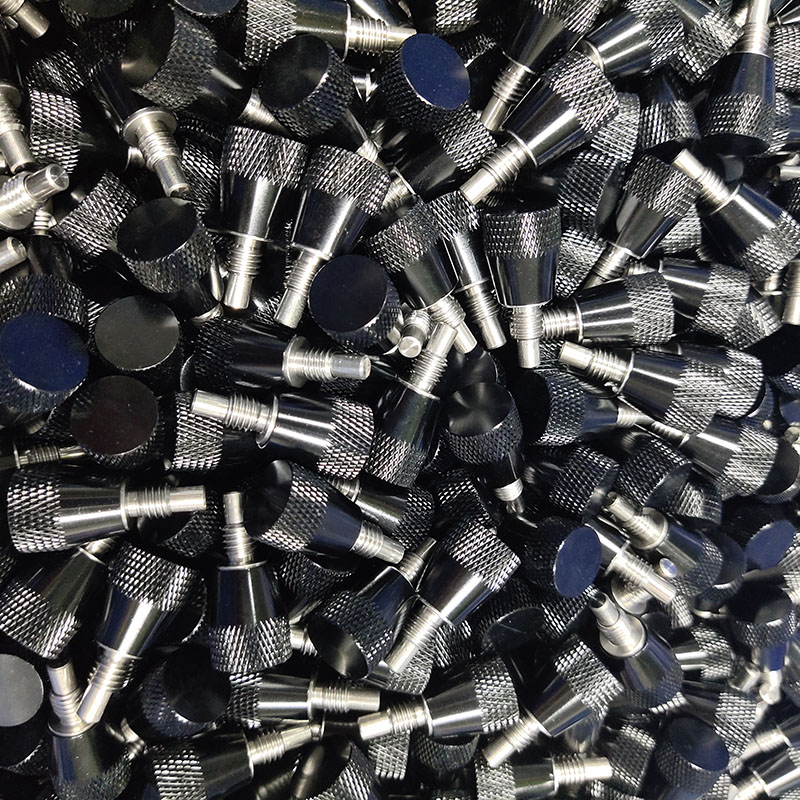
Spring Plungers: Versatile & Strong
Industrial spring plungers withstand extreme conditions while offering precise control. Simplify locking, indexing, and component retention. Trusted durability.
Spring Plungers: Versatile & Strong - The Unsung Heroes of Precise Mechanics
In the intricate world of machinery, automation, and precise positioning, certain components work tirelessly behind the scenes, enabling smooth operation and reliable performance. Among these essential workhorses, spring plungers stand out for their remarkable combination of versatility and inherent strength. Far from being just simple fasteners, these compact devices play a critical role in countless applications across diverse industries.
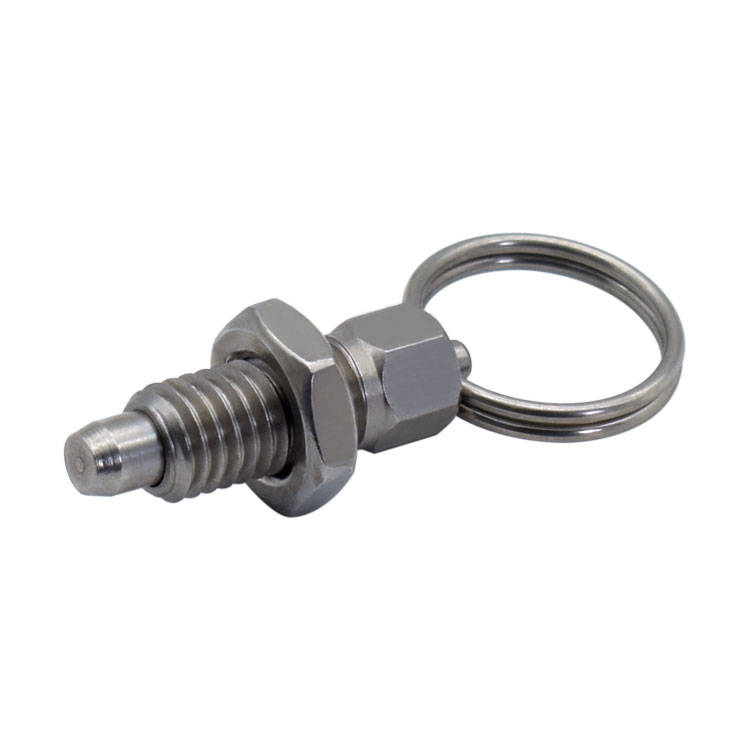
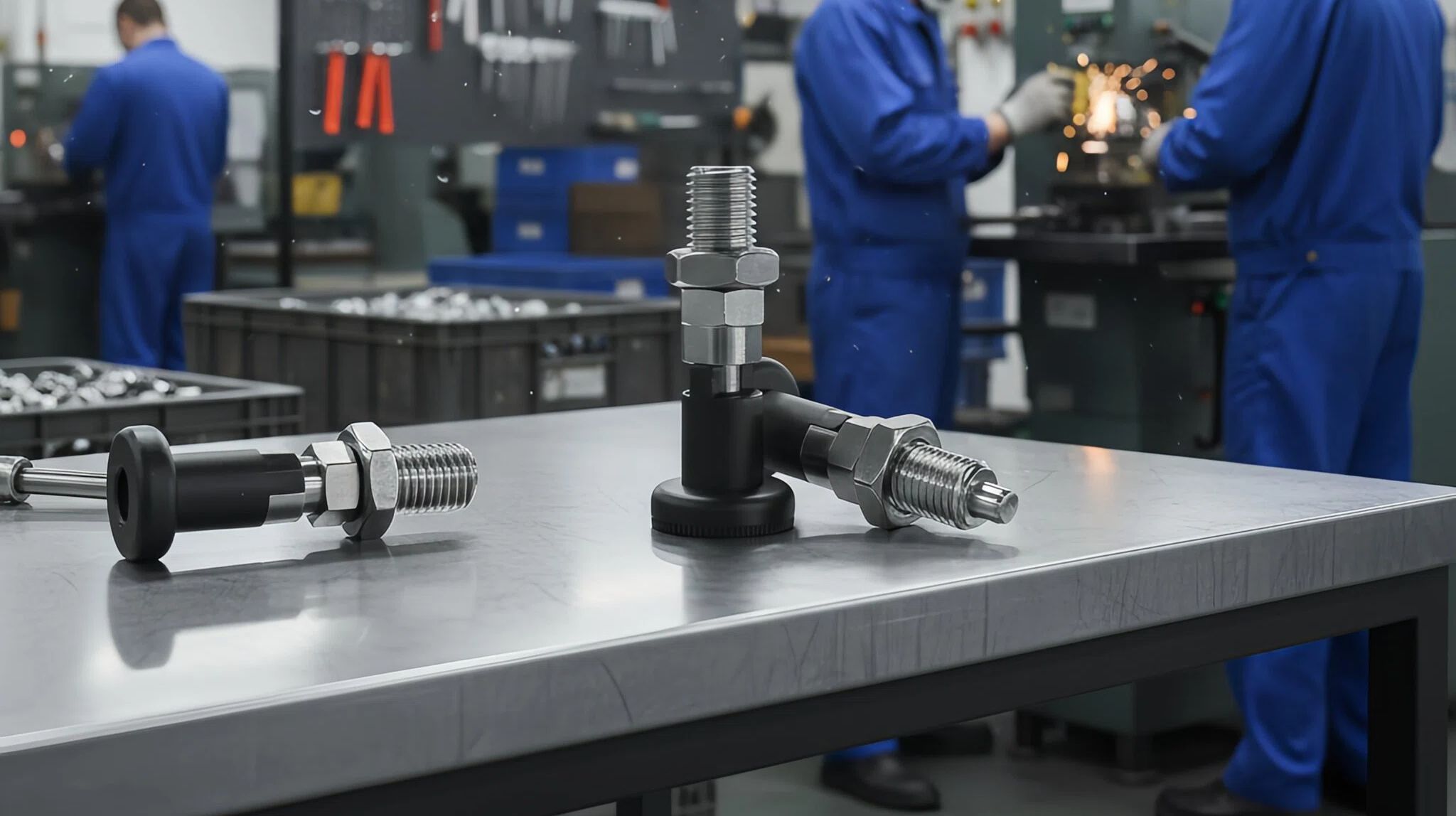
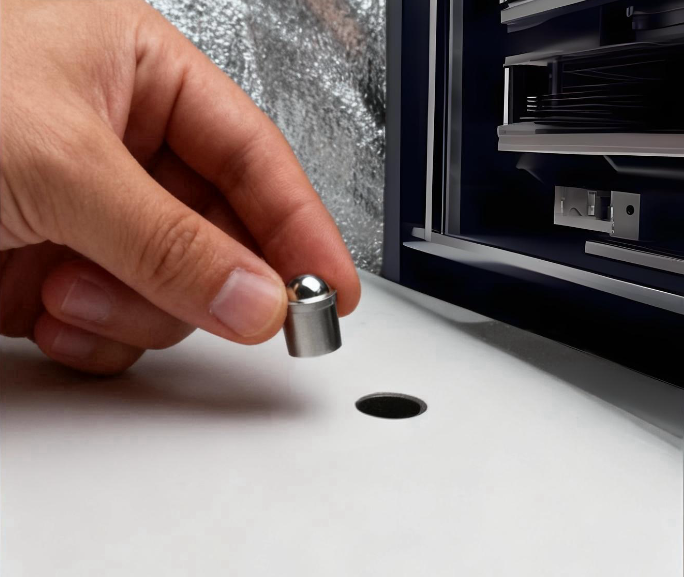
At their core, spring plungers are elegantly straightforward mechanical components. They typically consist of a threaded body (often steel or stainless steel for durability), a hardened plunger tip (which can be ball, nose, or flat styles), and an internal compression spring. This simple trio works in unison: the spring exerts a constant, calibrated force, pushing the plunger tip outward. When the tip encounters an opposing surface – be it a detent hole, a cam profile, or another component – it retracts against the spring pressure, providing controlled resistance, positive location, indexing, or ejection force. This fundamental principle is incredibly powerful in its simplicity.
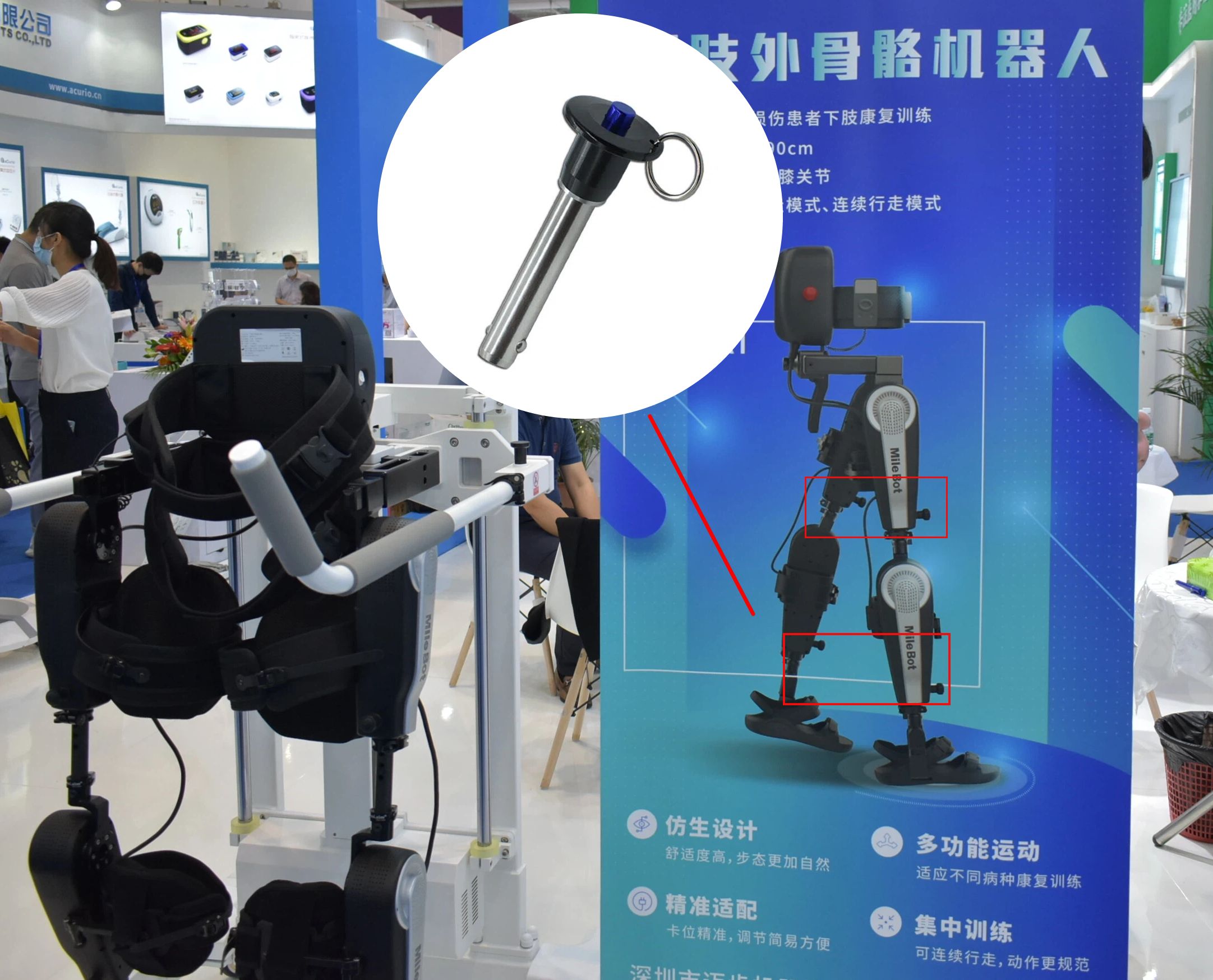
The true power of spring plungers lies in their sheer versatility. Their ability to provide adjustable, consistent force makes them indispensable in a staggering array of situations. They are the silent partners ensuring parts lock securely into position within jigs and fixtures during machining operations. They provide the satisfying, positive "click" felt when adjusting levers or selecting gears in control mechanisms. They act as reliable ejectors, gently but firmly pushing finished parts out of molds or off assembly lines. They maintain tension in linkages, index rotating tables with precision, act as overload protection devices by yielding under excessive force, and serve as adjustable stops or limits. This wide applicability spans industries from automotive and aerospace manufacturing to medical device assembly, packaging machinery, electronics production, and heavy equipment. Wherever precise positioning, controlled movement, or repeatable force application is needed, a spring plunger is often the robust and cost-effective solution.

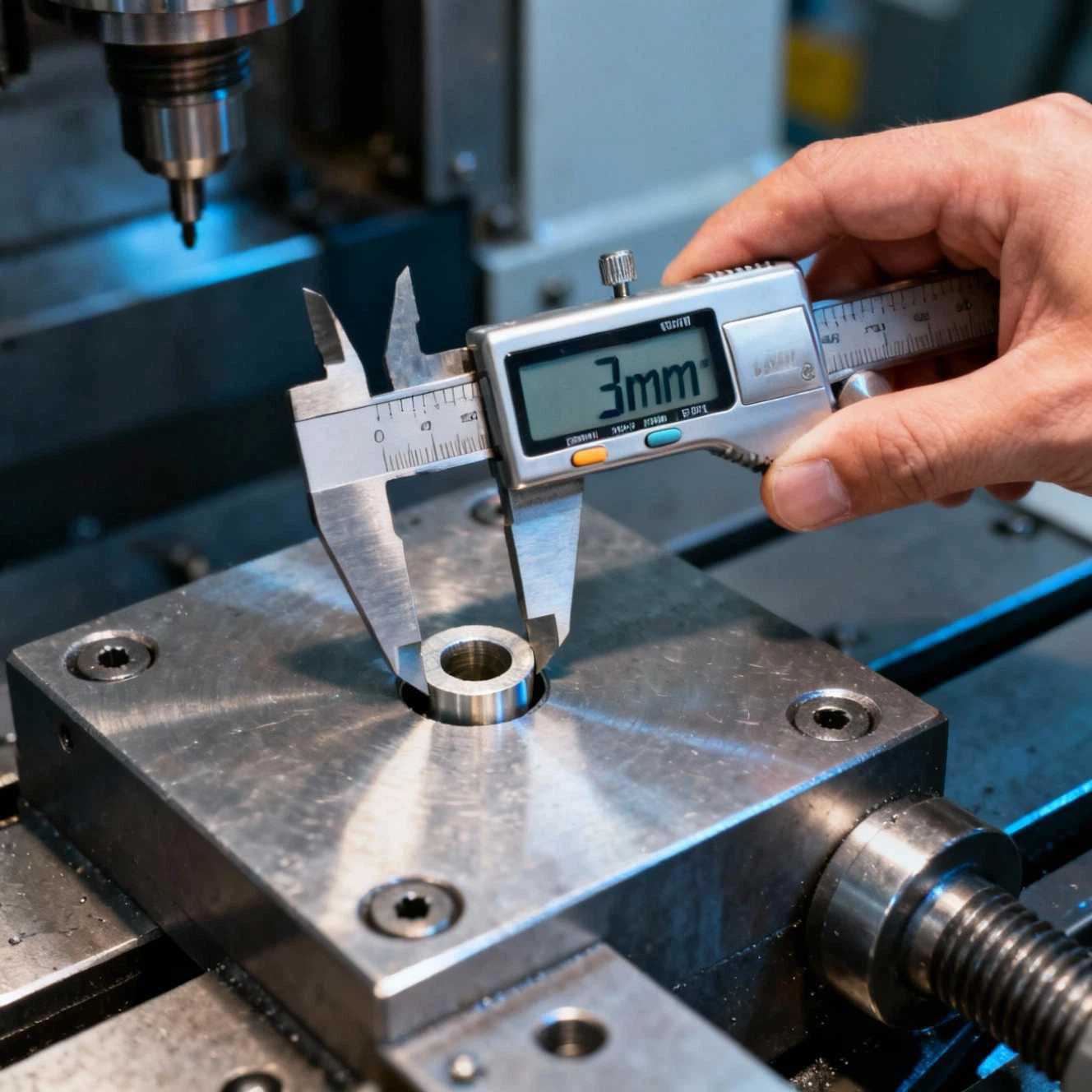
Complementing this versatility is the inherent strength and durability engineered into quality spring plungers. Built to withstand repeated cycles and demanding environments, they rely on robust materials. Bodies are commonly crafted from high-tensile steel or corrosion-resistant stainless steel. Plunger tips undergo hardening processes to resist wear and deformation. The internal springs are manufactured to exacting standards, ensuring consistent force output over millions of cycles without significant fatigue or loss of tension. This inherent toughness allows them to handle vibration, shock loads, exposure to coolants or mild chemicals (especially stainless variants), and the constant demands of industrial settings. Their strength isn't just about brute force; it's about reliable, long-lasting performance under pressure. Choosing the right specification – considering load capacity, spring force, tip style, and material – is crucial to unlocking their full potential in any given application.
While often small and unassuming, the impact of spring plungers on mechanical design and function is significant. Their strength provides the reliability engineers depend on, while their versatility offers designers a simple yet powerful tool to solve complex challenges involving positioning, indexing, tensioning, and ejection. They exemplify how robust engineering principles, applied to a compact form factor, can deliver consistent, high-performance results. In a world increasingly focused on complexity, the enduring value of these versatile and strong mechanical components remains clear. They are a testament to the power of fundamental mechanics done well, quietly ensuring precision and reliability in machines large and small.
Computer Numerical Control Definition
Cnc Machine Metal-Cnc Custom Parts