Spring Pull Pin
Innovative Engineering: The Role and Rise of Spring Pull Pins in Modern Industry
Introduction
In the ever-evolving landscape of industrial components, Spring Pull Pins have emerged as indispensable devices, offering unmatched efficiency in locking, locating, and adjustment applications. Their design simplicity, combined with versatile functionality, has led to widespread usage across sectors like aerospace, automotive, manufacturing, and heavy machinery. This article delves deep into the world of Spring Pull Pins, exploring their design, materials, types, applications, benefits, and future trends.

Understanding Spring Pull Pins
What Are Spring Pull Pins?
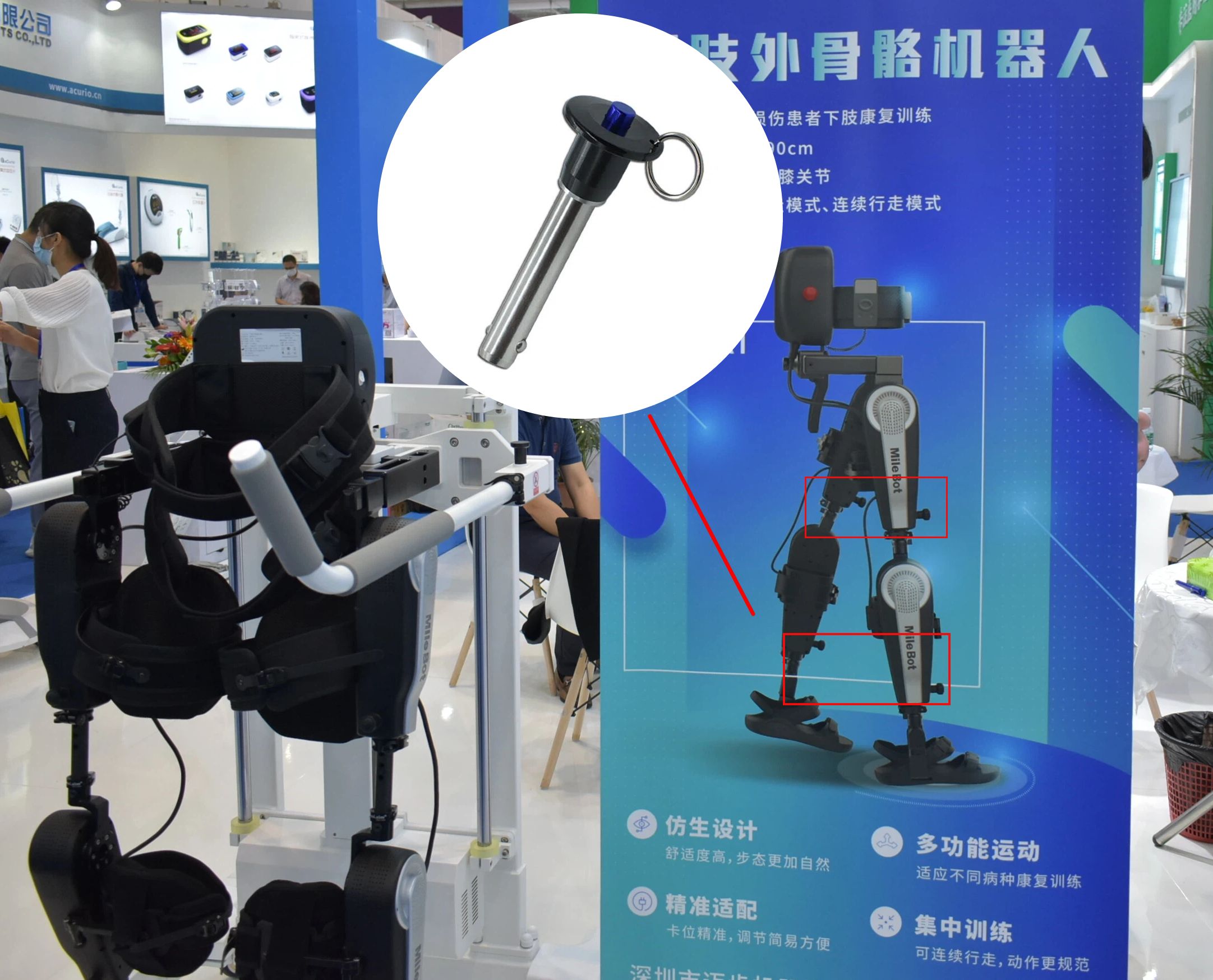
A Spring Pull Pin is a mechanical fastener designed to quickly engage and disengage components in a secure and repeatable manner. The "spring-loaded" mechanism allows for effortless operation—pulling the pin releases the locking element, and releasing it enables the pin to automatically lock into position.
Key Components
-
Pin Body: Typically cylindrical, made from hardened steel or stainless steel.
-
Spring Mechanism: Ensures automatic retraction and engagement.
-
Handle or Ring: Allows easy manual pulling for disengagement.
-
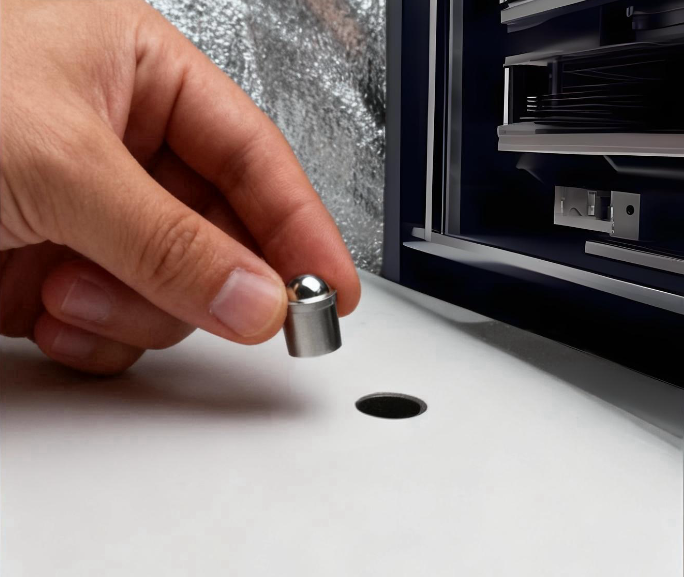
Locking Ball/Plunger Tip: Ensures firm positioning into pre-drilled holes or aligned parts.
Materials and Construction
The longevity and performance of Spring Pull Pins heavily depend on their materials. The most commonly used materials include:
-
Stainless Steel (304/316): Corrosion-resistant and suitable for harsh environments.
-
Carbon Steel with Zinc Plating: Cost-effective with basic corrosion protection.
-
Aluminum Components: Lightweight applications.
-
Plastic Knobs or Handles: Used for ergonomic or electrical isolation purposes.
High-quality pins may feature heat-treated plungers, double-spring mechanisms, or custom lanyards for tethered use.
Types of Spring Pull Pins
Spring Pull Pins come in a variety of configurations to suit diverse industrial needs. Some common types include:
-
T-Handle Spring Pins: Ergonomically designed for easy grip and pull.
-
Ring Handle Pull Pins: Ideal for applications requiring cable attachments.
-
Button Head Spring Pins: Compact and low-profile for limited-space assemblies.
-
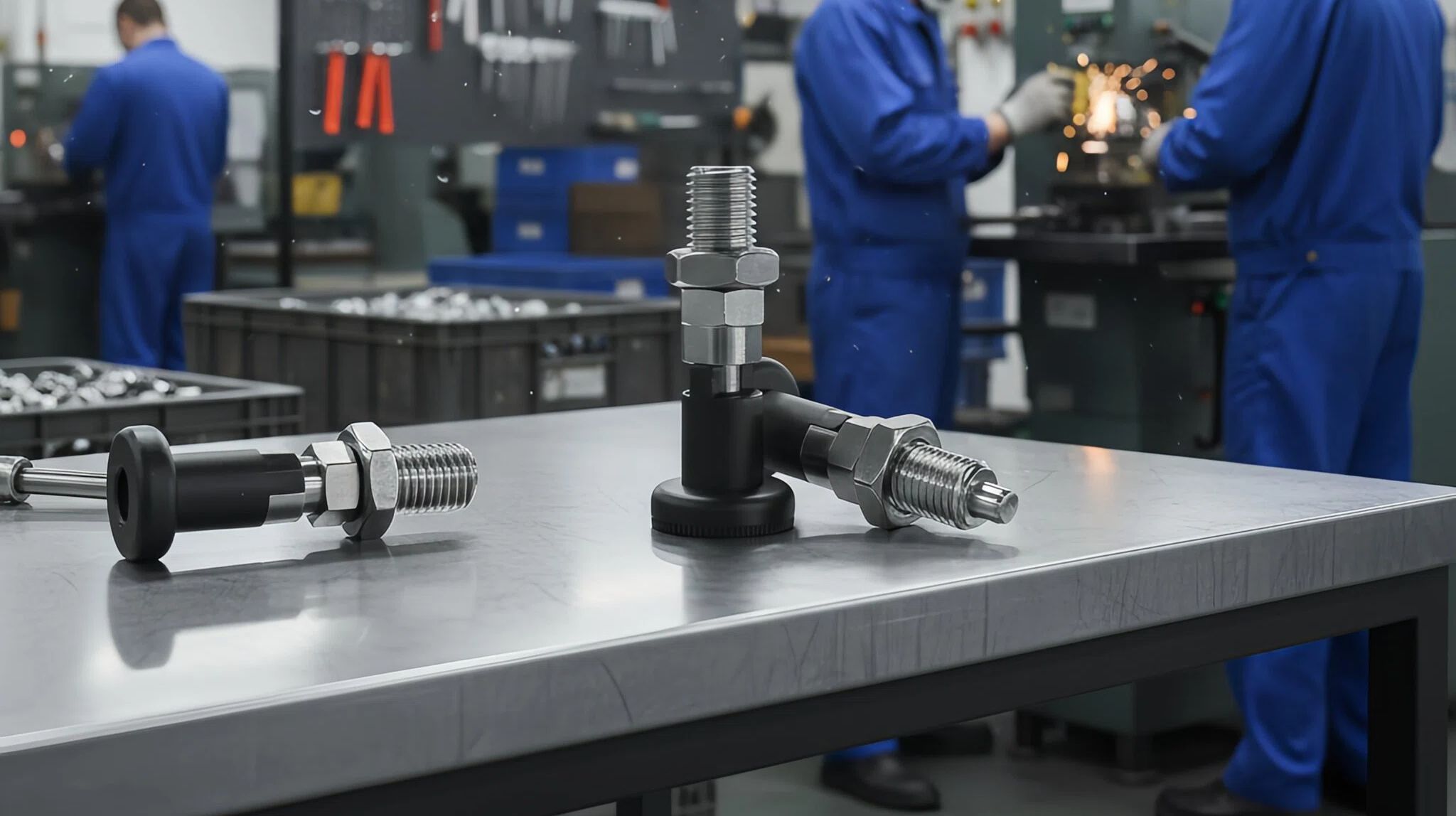
Threaded Base Pins: Allow secure installation into threaded holes.
Each type offers different operational benefits depending on the space, load requirements, and access conditions.
Working Principle
The working of a Spring Pull Pin is elegantly simple:
-
Engaged Position: The spring inside pushes the plunger or ball outward, locking the pin into a designated hole or slot.
-
Disengagement: Pulling the handle compresses the spring and retracts the locking mechanism.
-
Re-engagement: Releasing the handle lets the spring force re-extend the pin, engaging the locking mechanism again.
This intuitive mechanism ensures fast, repeatable, and reliable positioning without needing additional tools or complex adjustments.
Applications Across Industries
Manufacturing and Assembly Lines
Spring Pull Pins are used to lock jigs, fixtures, and conveyor elements. Their quick-action design allows for faster setup and teardown in high-volume production environments.
Aerospace and Aviation
In aircraft interiors and mechanical assemblies, Spring Pull Pins enable rapid adjustments and component replacements while minimizing downtime.
Automotive Engineering
These pins are used for quick component swapping, especially in test rigs, vehicle fixtures, and production lines.
Medical Devices and Equipment
Due to their precision and reliability, they find applications in adjustable stands, diagnostic devices, and surgical tables.
Agricultural and Construction Equipment
For field machinery, Spring Pull Pins simplify the mounting of attachments, panels, and adjustable elements in rugged conditions.
Advantages of Using Spring Pull Pins
-
Quick and Easy Operation: Tool-free engagement/disengagement saves time and effort.
-
Reliable Locking: Maintains secure positioning under vibration or movement.
-
Versatility: Available in various sizes, materials, and head styles to suit custom needs.
-
Compact Design: Minimal space requirements while providing strong retention.
-
Customization Options: From color-coded knobs to integrated tethers and thread types.
Installation and Maintenance
Installation Tips
-
Ensure alignment between the hole and the pin for smooth engagement.
-
For threaded types, apply appropriate torque without over-tightening.
-
If using in rotating parts, consider using a retaining wire or lanyard.
Maintenance Guidelines
-
Periodic lubrication can extend the life of internal springs.
-
Inspect for wear, especially in high-frequency or load-bearing applications.
-
Clean regularly in dusty or corrosive environments to prevent jamming.
Customization Trends
With industries demanding high levels of specificity, manufacturers are now offering:
-
Custom handle designs
-
Laser-engraved identification
-
Color-coded components for organization
-
Corrosion-resistant finishes for marine or chemical exposure
OEMs often request unique pull strengths or spring forces tailored to their equipment’s needs.
Safety Considerations
Although Spring Pull Pins are generally safe, consider the following precautions:
-
Confirm compatibility with load-bearing requirements.
-
Use safety clips or detent mechanisms in critical systems.
-
Educate users on proper pull-release-reinsert sequences.
-
Replace worn or damaged pins immediately to avoid failure.
The Future of Spring Pull Pin Technology
The market for Spring Pull Pins is set to grow, propelled by automation and smart manufacturing. Expected innovations include:
-
Smart Locking Pins: Integration with sensors to detect engagement status.
-
Tool-less Adjustability Enhancements: Making pins even more intuitive to operate.
-
Biodegradable or Sustainable Materials: As part of eco-friendly initiatives.
-
Miniaturized Pins: For compact robotics and electronic assemblies.
As industries continue to demand safer, faster, and more efficient mechanical solutions, Spring Pull Pins will remain at the forefront of innovation.
Upgrade your hardware with spring pull pins, offering secure and quick-release functionality for industrial, automotive, and machinery applications. Durable, reliable, and easy to use—perfect for efficient operations.
Spring Pull Pins are a cornerstone of modern fastening and positioning systems. Their intelligent design and adaptability make them suitable for a vast array of industries and applications. As technology evolves, so will the design and function of these compact yet powerful components, ensuring they remain an essential part of mechanical engineering for decades to come.
Spring Loaded Locking Pins
Plunger Spring Pin