Stainless Steel Material Properties
Stainless Steel Material Properties
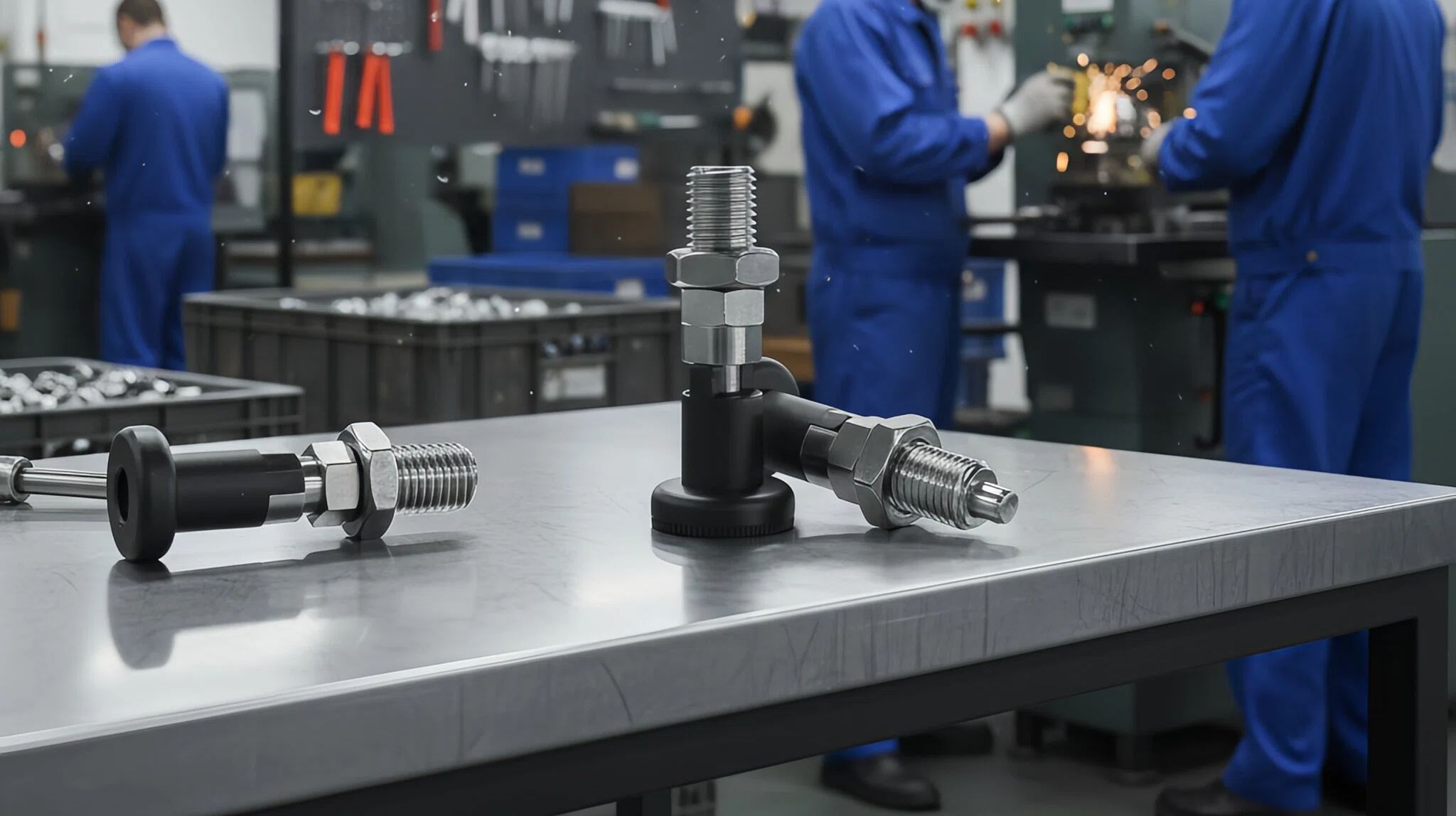
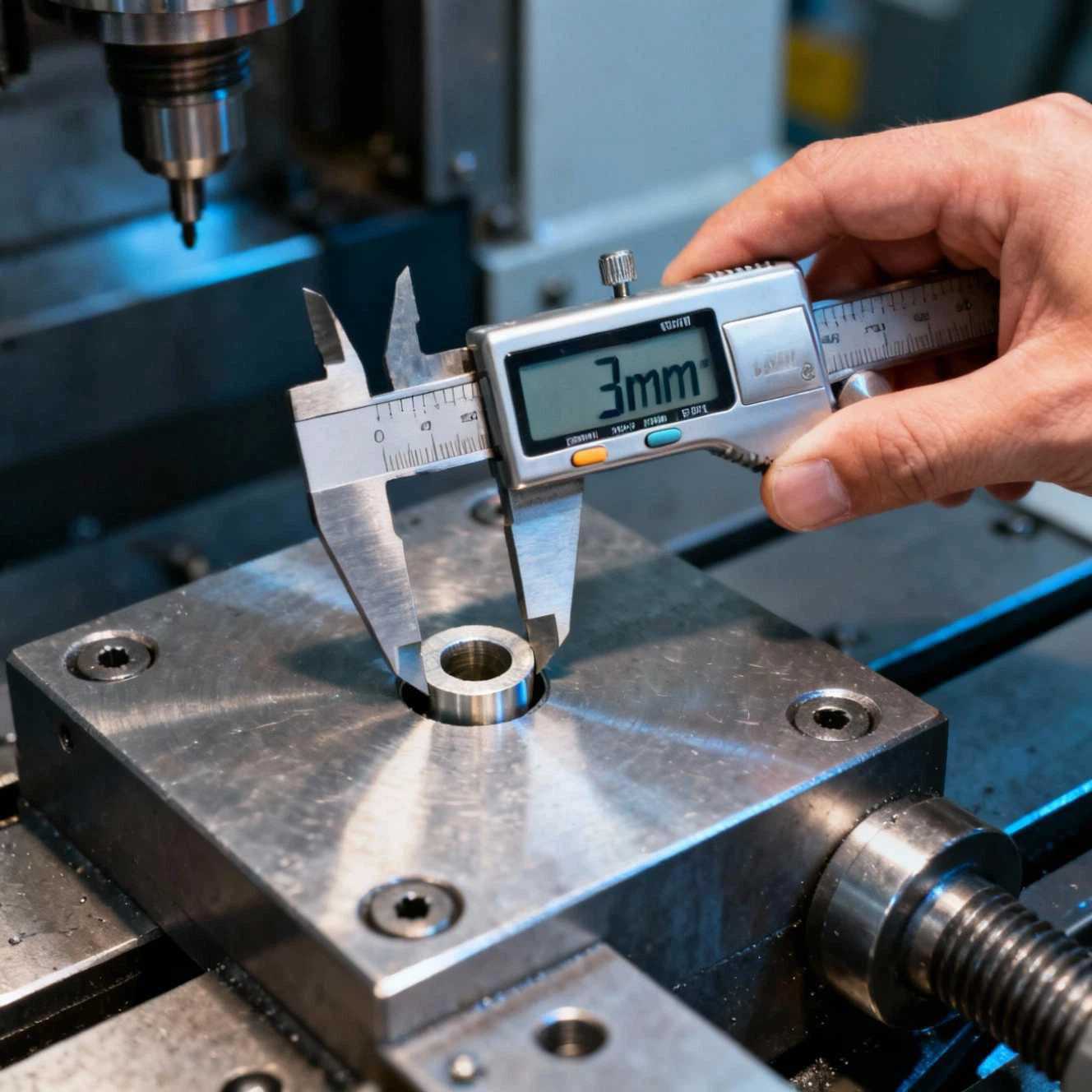
In modern manufacturing, the performance of materials directly affects the service life, safety, and applicability of products. Especially in mechanical structures, industrial fixtures, and high-frequency assembly operations, the selection of materials is particularly critical. Stainless steel material properties have become one of the core factors determining product quality and performance. This article will delve into the common performance characteristics of stainless steel and focus on how stainless steel ball lock pins demonstrate superior performance in practical applications.

Common stainless steel grades and their characteristics are as follows:
- 304 stainless steel: A general-purpose stainless steel with strong corrosion resistance and good machinability, widely used in mechanical components and food equipment.
- 316 stainless steel: Based on 304 stainless steel, it adds molybdenum to enhance acid and alkali resistance and high-temperature resistance, making it suitable for harsh environments such as marine and chemical industries.
- 303 stainless steel: Features excellent machinability, suitable for components with high machining requirements.
- 17-4PH Stainless Steel: A precipitation-hardening type stainless steel with high strength and wear resistance, suitable for high-load-bearing connection components.
- 440C Stainless Steel: A high-carbon stainless steel with high hardness and excellent wear resistance, commonly used in tools and precision bearings.
Through these different grades of stainless steel, we can meet a wide range of application requirements, from general corrosion-resistant environments to high-strength and high-wear conditions, demonstrating the diversity and broad adaptability of stainless steel material properties.
Performance and Structural Advantages of Stainless Steel Ball Lock Pins
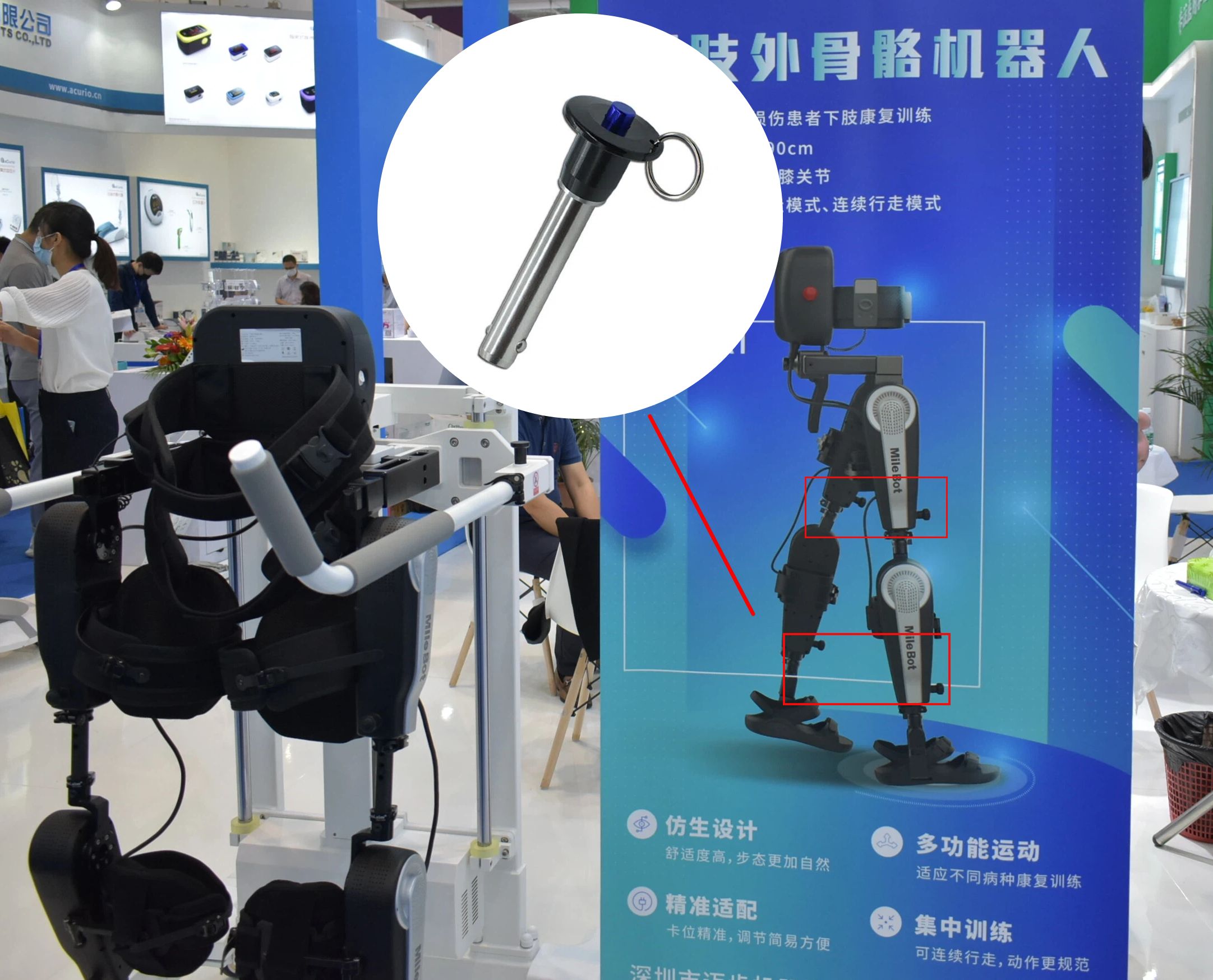
In various connection, positioning, and quick assembly applications, ball lock pins are widely used in industrial fixtures, mechanical equipment, aerospace, automation systems, and other fields due to their convenience and safety. This product is made of stainless steel, and its performance is directly influenced by the characteristics of the stainless steel material.
In various connection, positioning, and quick assembly applications, ball lock pins are widely used in industrial fixtures, mechanical equipment, aerospace, automation systems, and other fields due to their convenience and safety. This product is made of stainless steel, and its performance is directly influenced by the characteristics of the stainless steel material.
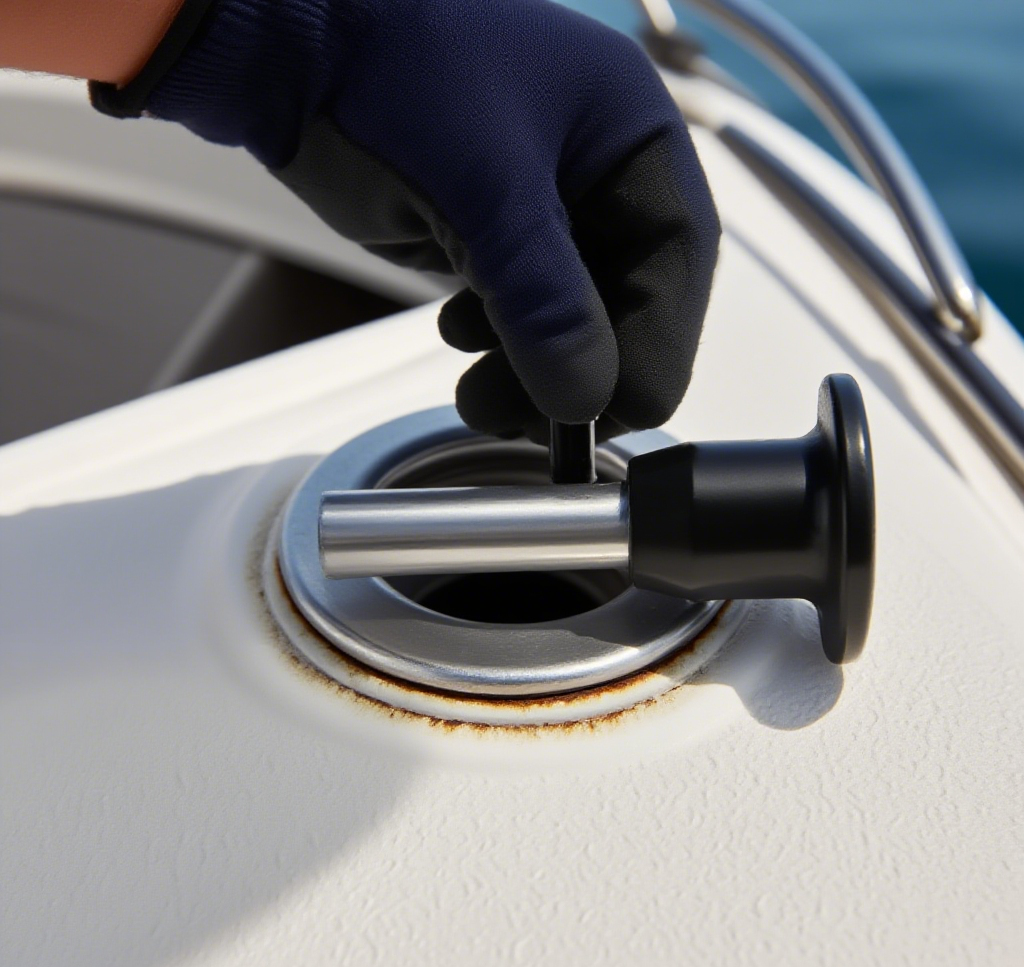
Structural Components of the Ball Lock Pin:
- Pin Body: The primary load-bearing component, typically made from 304, 316, or 17-4 stainless steel to ensure strength and corrosion resistance.
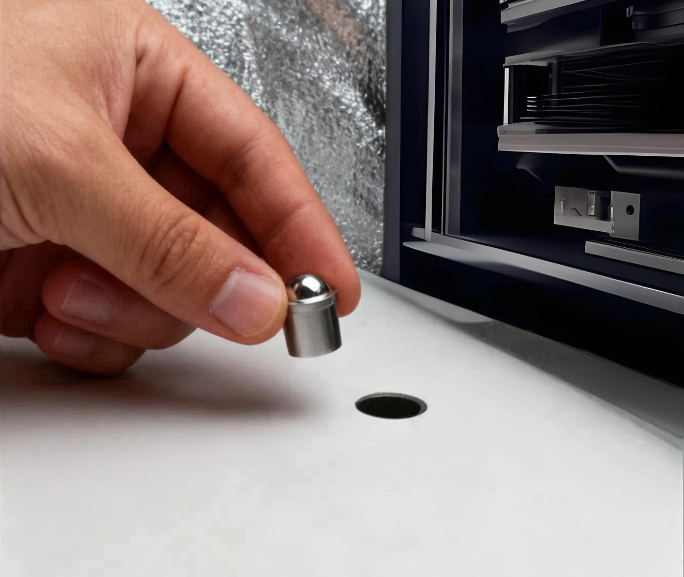
- Lock Ball and Spring: Located at the front end of the pin body, the lock ball retracts when the button on the head is pressed, enabling quick insertion or removal.
- Button Head: Used to control the lock ball's movement, it can be made from metal or engineering plastic, with some designs featuring anti-slip patterns.
The reliable performance of ball lock pins is supported by high-quality stainless steel materials, which also reflects the importance of stainless steel material properties in precision machinery. Upgrade your equipment with a ball lock pin designed from high-grade stainless steel—benefit from excellent material properties and strength.
AISI 316 Stainless Steel Ball Locking Pins
Ball Locking Pins for Medical