Stainless Steel Surface Treatment
Stainless Steel Surface Treatment
Stainless steel is widely used in various mechanical components due to its excellent corrosion resistance, mechanical strength, and aesthetic appeal. However, the material alone is not sufficient to ensure that parts maintain stable performance in harsh environments. Stainless steel surface treatment is therefore required to further optimize performance.

Definition of Stainless Steel Surface Treatment
Stainless steel surface treatment is a process that improves the performance and texture of stainless steel products through physical, chemical, or electrochemical methods. It not only enhances the corrosion resistance of parts but also improves surface finish, reduces friction coefficients, and enhances wear resistance, thereby extending the service life of parts.
In manufacturing, Stainless Steel Surface Treatment has become an important process in ensuring product quality.
Stainless steel surface treatment is a process that improves the performance and texture of stainless steel products through physical, chemical, or electrochemical methods. It not only enhances the corrosion resistance of parts but also improves surface finish, reduces friction coefficients, and enhances wear resistance, thereby extending the service life of parts.
In manufacturing, Stainless Steel Surface Treatment has become an important process in ensuring product quality.
Common Stainless Steel Surface Treatment Methods
Polishing: Removes minor surface defects to enhance brightness and flatness;
Passivation: Removes free iron through chemical treatment to form a protective oxide film, improving corrosion resistance;
Sandblasting: Uses high-speed particle jets to clean the surface, increasing friction or preparing it for subsequent treatments;
Electropolishing: Using electrochemical methods to make the surface smoother and denser, enhancing corrosion resistance;
Brushing: Creating uniform linear textures that are both aesthetically pleasing and can conceal minor scratches.
The primary objectives of stainless steel surface treatment
Enhancing corrosion resistance: Maintaining stable performance in harsh environments such as high humidity and salt fog;
Improving aesthetic quality: Suitable for equipment components with high aesthetic requirements;
Increasing wear resistance and hardness: Delaying wear and maintaining long-term precision;
Optimizing assembly and operational experience: Reducing friction and improving usability.
As such, Stainless Steel Surface Treatment is not merely cosmetic but a critical technology for performance optimization.
Mocayo Company Index Plunger Surface Treatment and Applications
1. Introduction to Mocayo Company
Shenzhen Mocayo Precision Technology Co., Ltd. was established in 2012, specializing in the research, development, production, and sales of precision hardware tools and accessories. The company's products include quick-release pins, positioning balls, spring plungers, knob plungers, ball plungers, ball screws, and various mechanical and fixture components, serving industries such as industrial automation, mold manufacturing, and aerospace.
1. Introduction to Mocayo Company
Shenzhen Mocayo Precision Technology Co., Ltd. was established in 2012, specializing in the research, development, production, and sales of precision hardware tools and accessories. The company's products include quick-release pins, positioning balls, spring plungers, knob plungers, ball plungers, ball screws, and various mechanical and fixture components, serving industries such as industrial automation, mold manufacturing, and aerospace.
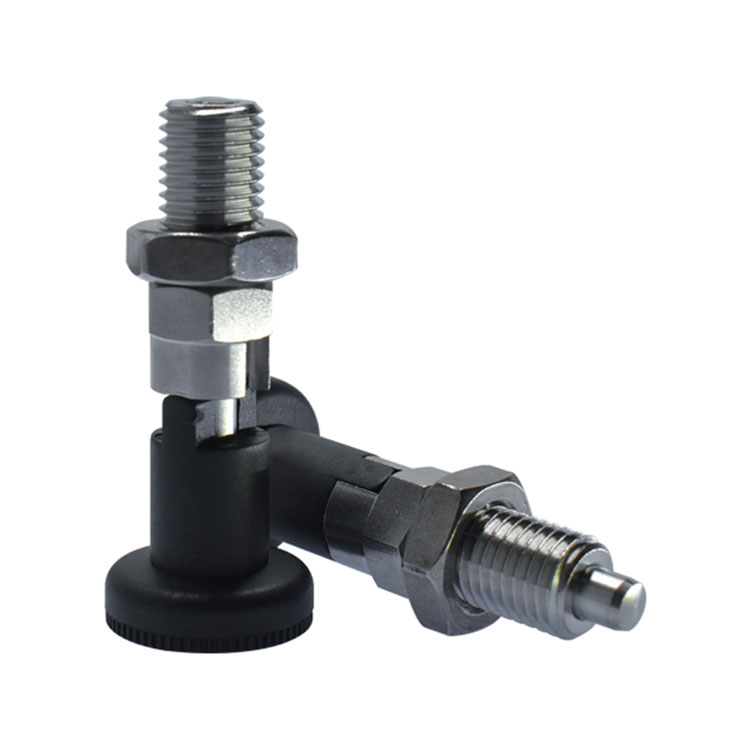
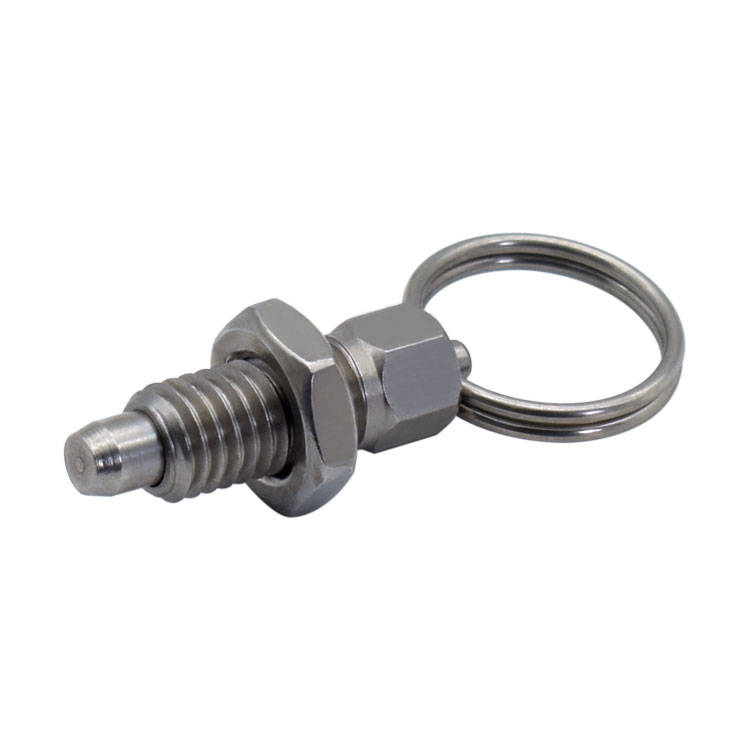
2. Introduction to Index Plungers
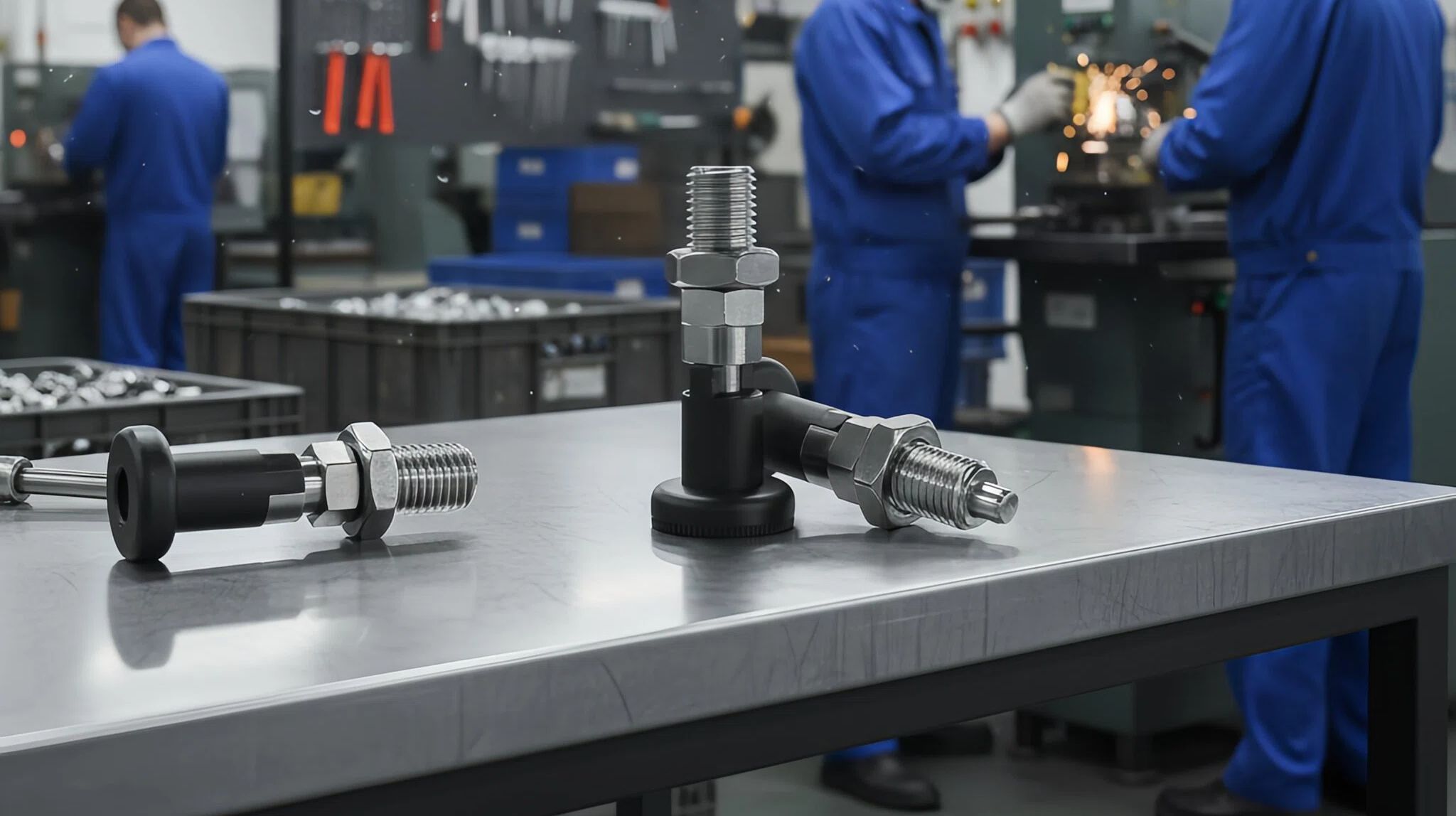
An index plunger is a mechanical positioning and locking component that achieves precise positioning and locking through the extension and retraction of the plunger head. It is commonly used in tooling fixtures, mechanical structures, and equipment components to ensure the stability of part positions and the accuracy of repeatable positioning. Mocayo's index plungers are typically manufactured from high-quality stainless steel, combined with advanced processing techniques, ensuring high durability and smooth operation.
An index plunger is a mechanical positioning and locking component that achieves precise positioning and locking through the extension and retraction of the plunger head. It is commonly used in tooling fixtures, mechanical structures, and equipment components to ensure the stability of part positions and the accuracy of repeatable positioning. Mocayo's index plungers are typically manufactured from high-quality stainless steel, combined with advanced processing techniques, ensuring high durability and smooth operation.
3. Stainless Steel Surface Treatment Processes for Index Plungers
Mocayo understands the importance of surface treatment for index plunger performance, therefore employing multiple stainless steel surface treatment processes in production:
Mocayo understands the importance of surface treatment for index plunger performance, therefore employing multiple stainless steel surface treatment processes in production:
Passivation Treatment: Removes trace free iron and forms a passivation film, significantly enhancing corrosion resistance;
Mechanical Polishing: Improves surface finish and reduces friction resistance;
Sandblasting: Increases surface friction under specific requirements to enhance operational stability;
Electrolytic Polishing: Makes the surface structure more dense, further enhancing corrosion resistance.
These processes ensure that Mocayo's index plungers maintain outstanding performance even under frequent insertion/removal and complex environmental conditions. Reliable index plungers with advanced stainless steel surface treatment, designed for precision, rust resistance, and smooth engagement.
Improve Fastener Performance
CNC Customized