Threaded Spring Plungers
The Evolution and Utility of Threaded Spring Plungers in Modern Engineering
Introduction to Threaded Spring Plungers
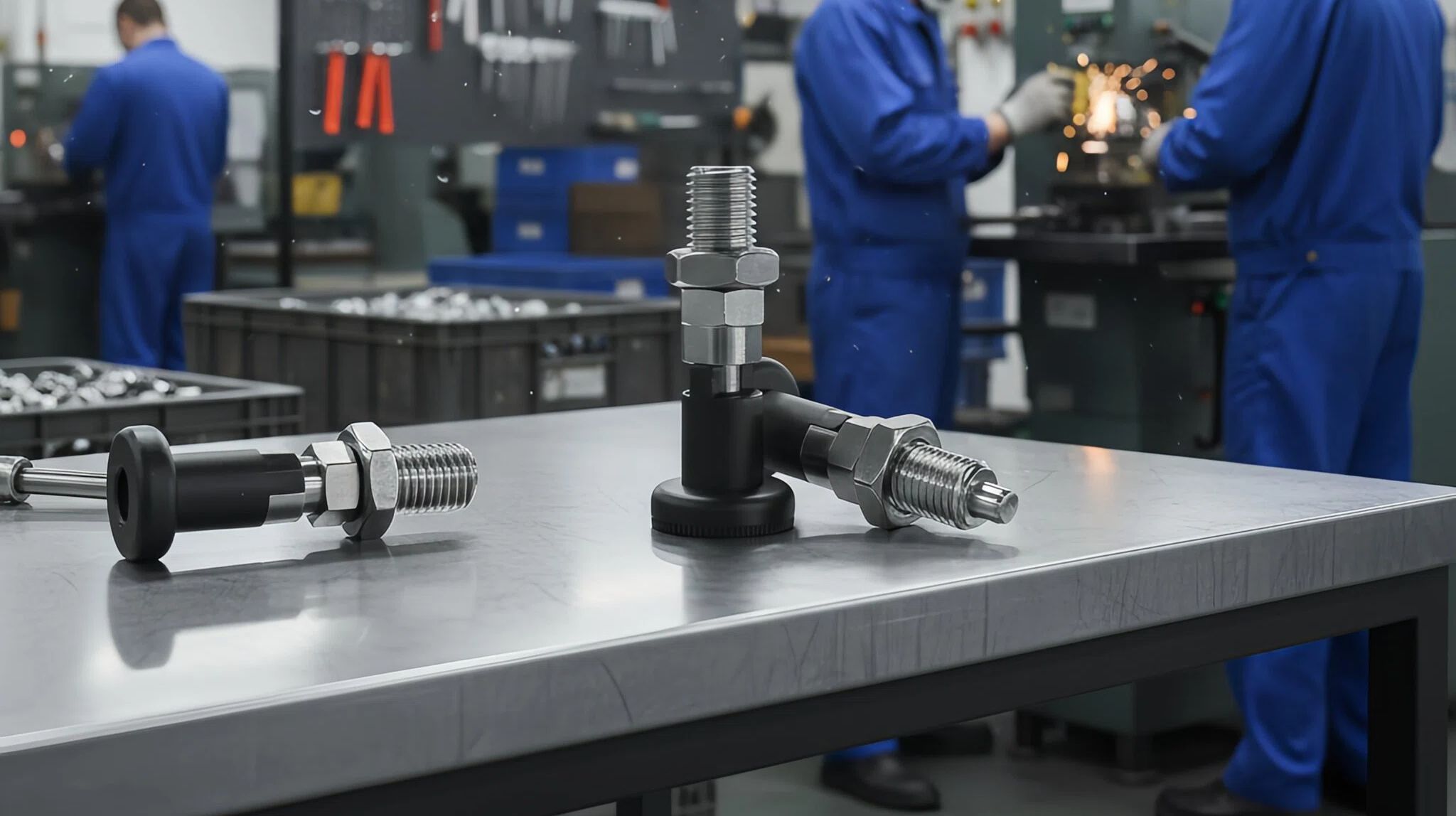
Threaded spring plungers are small yet indispensable components used in countless industrial applications. These devices provide accurate indexing and positioning, utilizing a spring mechanism housed within a threaded body to exert consistent force. Commonly found in jigs, fixtures, and mechanical assemblies, their importance lies in their ability to secure, locate, and hold parts reliably in place without the need for complex setups or tools.


Design and Construction
The basic design of a threaded spring plunger includes a threaded body (usually stainless steel or alloy steel), an internal compression spring, and a plunger tip (ball or pin) that protrudes when uncompressed. The threaded body allows for easy installation into pre-tapped holes, and the plunger tip exerts force against an opposing surface or object.
Key Components:
-
Threaded Body: Provides secure installation and structural integrity.
-
Spring Mechanism: Applies uniform pressure, allowing for retraction and extension.
-
Plunger Tip: Can be a ball, flat pin, or rounded pin depending on application requirements.
-
Optional Features: Nylon patches, locking elements, or handles for manual retraction.
Types of Threaded Spring Plungers
Threaded spring plungers come in multiple styles, tailored to specific industrial needs. Some of the most common types include:
1. Ball Nose Spring Plungers
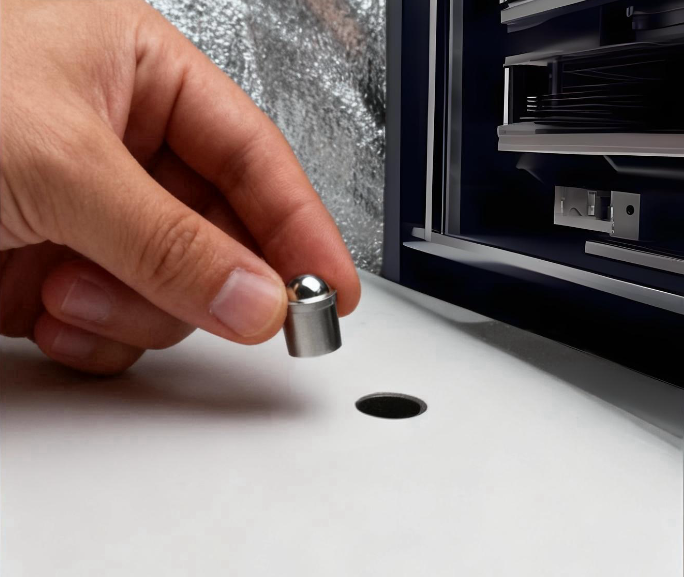
Equipped with a rounded ball tip, these are perfect for soft contact and repeated engagement applications. They're ideal for positioning and indexing.
2. Pin Nose Spring Plungers
These plungers use a cylindrical or flat-ended tip to provide more direct contact, especially in locking or holding scenarios where ball tips may deform or slide.
3. Stainless Steel Spring Plungers
Used in environments requiring corrosion resistance, such as marine or food processing industries.
4. Indexing Plungers with Threaded Bodies
These combine the benefits of indexed locking with spring loading, suitable for machinery requiring frequent adjustments.
5. Locking and Non-Locking Variants
Locking plungers can stay retracted until manually released, while non-locking versions automatically return via spring force.
Applications Across Industries
Threaded spring plungers are found in a wide range of fields, offering unmatched precision, safety, and ease of use.
Manufacturing and Automation
Used to position mechanical parts for machining or assembly operations. They ensure that parts stay in exact alignment during fast-paced production.
Automotive and Aerospace
Precision components in engines and assembly jigs often use spring plungers to hold elements in place or provide adjustable positioning under dynamic conditions.
Medical Devices
Miniaturized plungers are used in surgical tools and diagnostic devices, where space-saving and precision are crucial.
Consumer Electronics
Assembly lines for phones, laptops, and electronics use these plungers to ensure precision and reduce human error.
Advantages of Using Threaded Spring Plungers
High Accuracy and Repeatability
Threaded spring plungers offer excellent repeatability in position, crucial in jigs and fixtures.
Ease of Installation
With threaded designs, installation is simple and secure—often needing only a hex key or screwdriver.
Durability
Made from hardened steel or stainless steel, many versions offer thousands of cycles of use before any wear is noticed.
Compact and Versatile
They provide a lot of utility in a small package, which is essential in space-restricted assemblies.
Standard Materials and Finishes
The performance of a threaded spring plunger is heavily influenced by the material and finish.
-
Materials: Carbon steel, stainless steel (303, 316), brass, nylon tip, Delrin.
-
Finishes: Zinc plating, black oxide, electropolishing, passivation (for stainless steel).
These finishes enhance corrosion resistance and improve mechanical properties.
Installation and Maintenance
Installing threaded spring plungers is generally straightforward:
-
Prepare the Threaded Hole: Ensure proper size and depth.
-
Screw in the Plunger: Tighten to manufacturer-specified torque.
-
Test Actuation: Ensure smooth movement of the plunger.
Maintenance Tips:
-
Clean regularly to prevent debris build-up.
-
Lubricate periodically for smooth operation.
-
Inspect springs for fatigue in high-cycle applications.
Thread and Size Standards
Threaded spring plungers adhere to a variety of international standards, including:
-
Metric Threads: M4, M6, M8, M10, M12, M16.
-
Imperial Threads: ¼”-20, 5/16”-18, ⅜”-16, ½”-13.
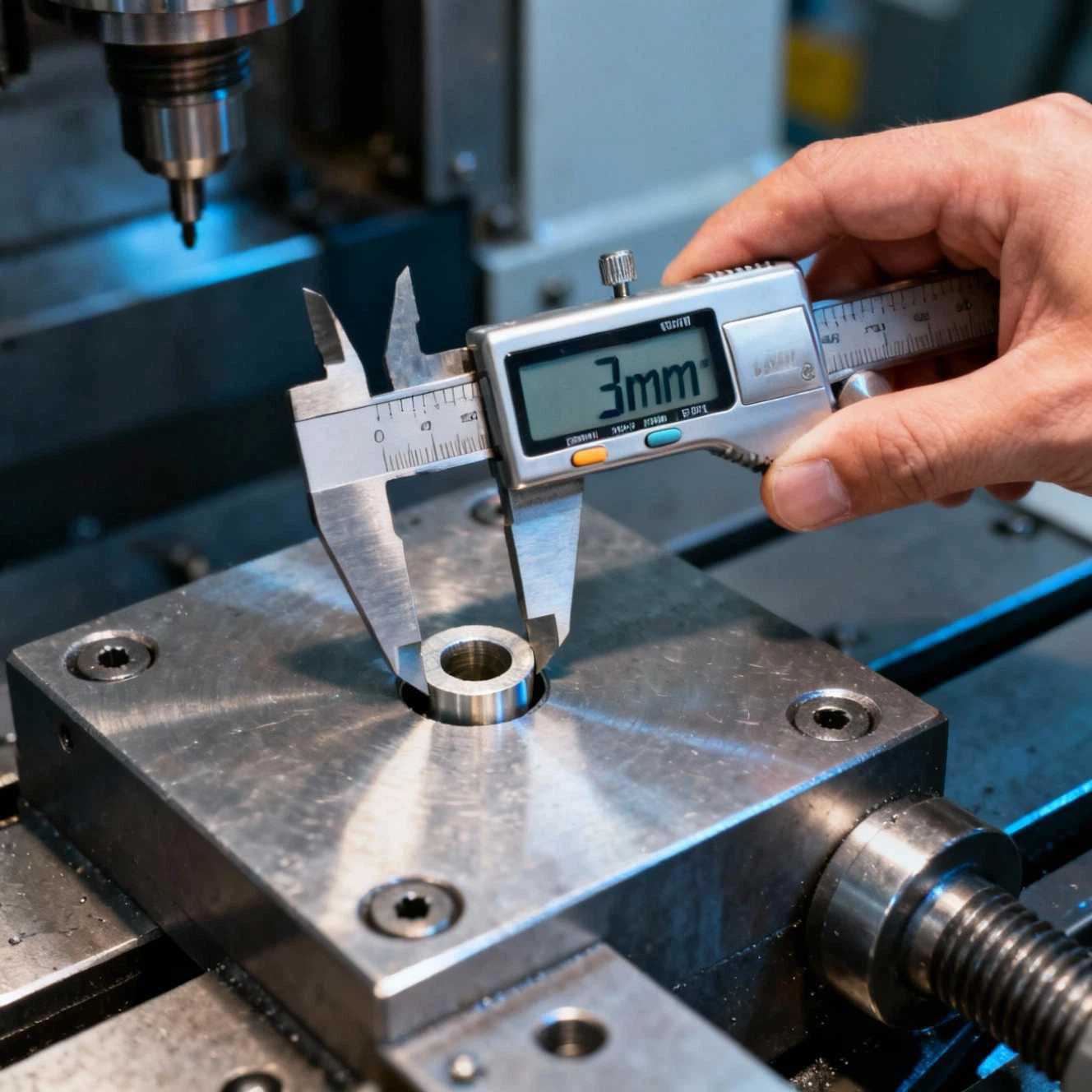
Common Lengths: Vary by application, from short stubs (10mm) to extended plungers (50mm+).
Thread conformity may follow ISO, DIN, or ANSI standards depending on the region and manufacturer.
Typical Use Case Scenarios
Fixture Design
A machine shop creating custom fixtures uses threaded plungers to quickly lock and release components, reducing setup time.
Assembly Line Stops
Manufacturers install spring plungers to serve as mechanical stops, guiding parts into place during automated production.
Safety Mechanisms
Spring plungers act as quick locking devices for guarding doors or mechanical hatches that must remain secure under vibration.
3D Printing and CNC Machines
Used in tool changers or positioning tables to ensure repeatable placement of components.
Emerging Trends and Innovations
Smart Spring Plungers
Integration of sensors into plungers is an emerging trend—allowing digital feedback on position, wear, and actuation count.
Miniaturization
For applications like microelectronics or medical devices, manufacturers are pushing the limits on how small and precise spring plungers can be.
Hybrid Materials
Use of engineering plastics and ceramics for high-temp or chemically aggressive environments is growing.
Quick-Release Mechanisms
Some plungers now include built-in quick-release buttons or levers for faster manual operation.
Quality Standards and Certifications
Reliable manufacturers ensure their threaded spring plungers meet international quality standards:
-
ISO 9001: General quality management.
-
RoHS/REACH: Environmental and chemical safety compliance.
-
DIN 6325 / ISO 8750: Standard geometries and tolerances for plungers.
Selection Tips for Engineers and Buyers
When selecting a threaded spring plunger, consider:
-
Tip Type: Ball or pin?
-
Load Force: Light, medium, or heavy spring force.
-
Material Compatibility: Will it contact aluminum, steel, or plastic?
-
Operating Environment: Corrosive? High-temp? Cleanroom?
-
Thread Type and Size: Match existing threads in your application.
Future of Threaded Spring Plungers
The demand for smarter, more durable, and miniaturized plungers will continue to grow. As automation evolves, so will the precision and adaptability of these seemingly simple components.
Advancements in additive manufacturing may also enable customized plunger geometries with quicker prototyping and shorter lead times.
Upgrade your hardware with threaded spring plungers, offering precise positioning and secure fastening for industrial, automotive, and machinery applications. Durable, reliable, and easy to install—perfect for efficient operations.
Threaded spring plungers, though often overlooked, are essential to modern mechanical engineering and automation. Their simplicity, precision, and reliability make them an enduring choice for professionals seeking effective indexing and positioning solutions. Whether you’re an engineer designing complex machinery or a buyer sourcing components, understanding the role and potential of threaded spring plungers can enhance both performance and productivity.
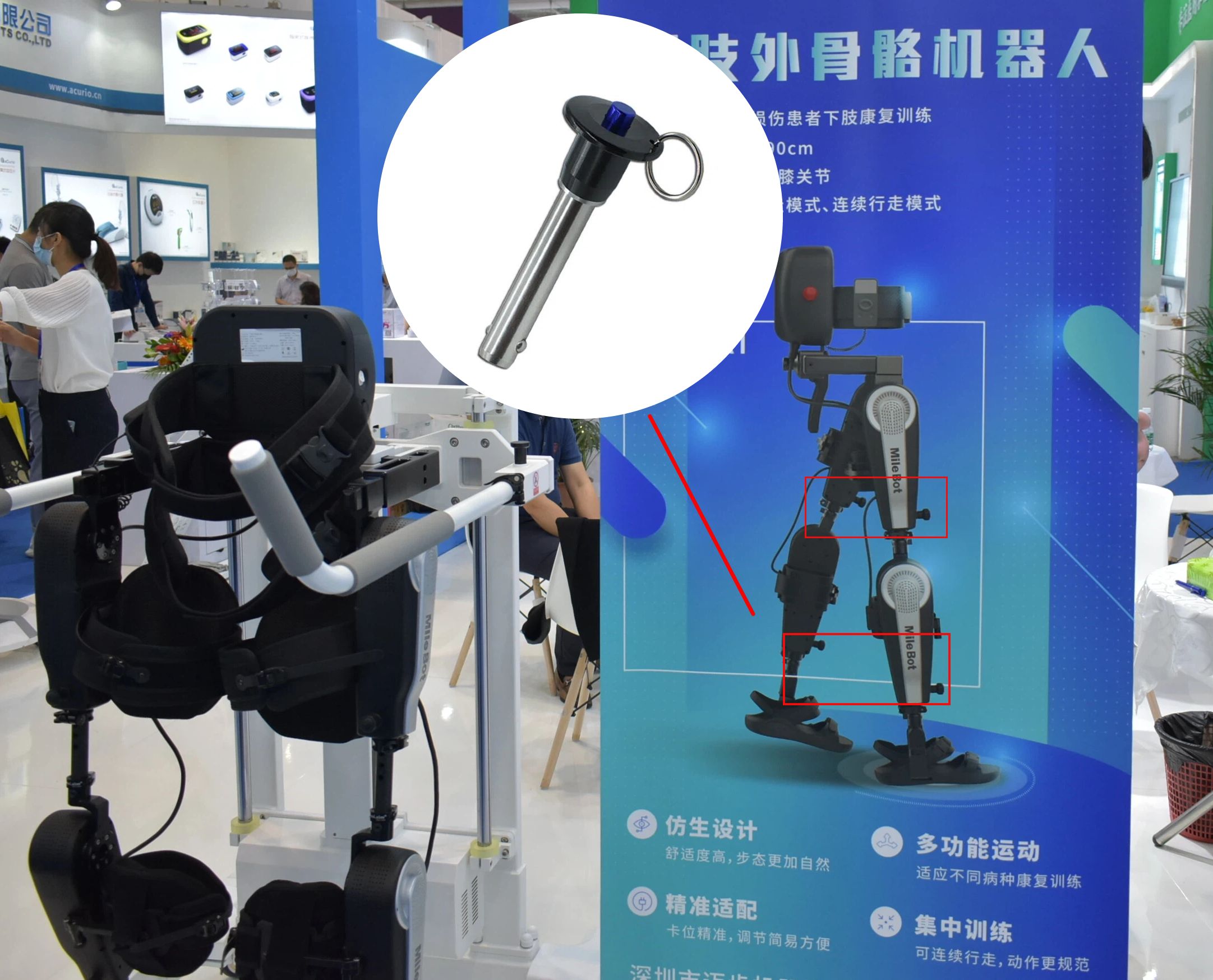
Spring Loaded Release Pin
Positive Lock Pins