Types of Quick Release Pins
Types of Quick Release Pins: A Comprehensive Guide to Fastening Solutions
Introduction
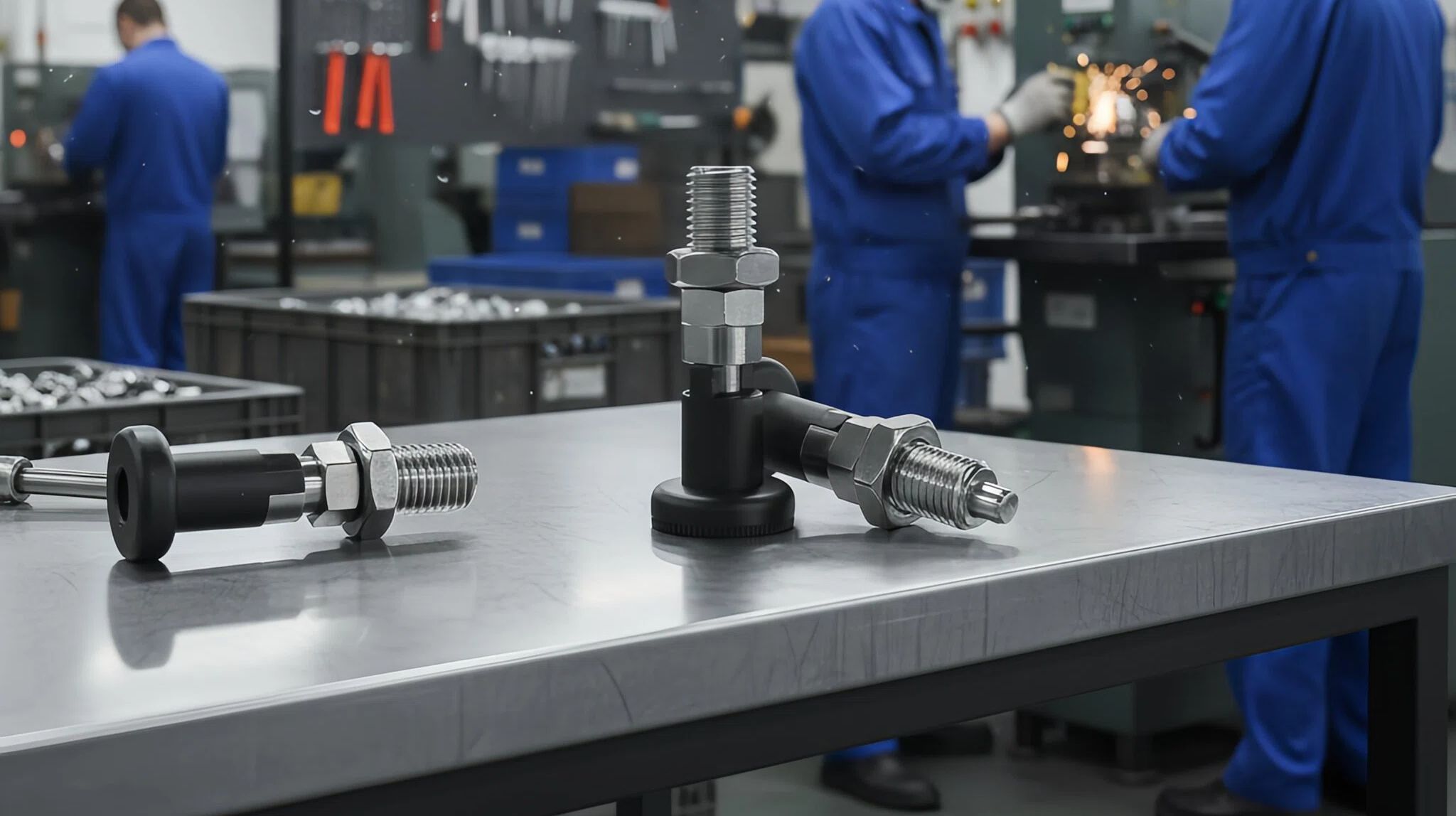
Quick Release Pins are essential components in industries where efficiency, reliability, and ease of use are paramount. These fasteners are designed to securely hold components together while allowing for rapid disassembly, making them ideal for applications requiring frequent adjustments or maintenance. With a variety of types available, each suited to specific needs, Quick Release Pins are revolutionizing how industries approach fastening challenges. This article explores the different types of Quick Release Pins, their unique features, and their applications.
What Are Quick Release Pins?
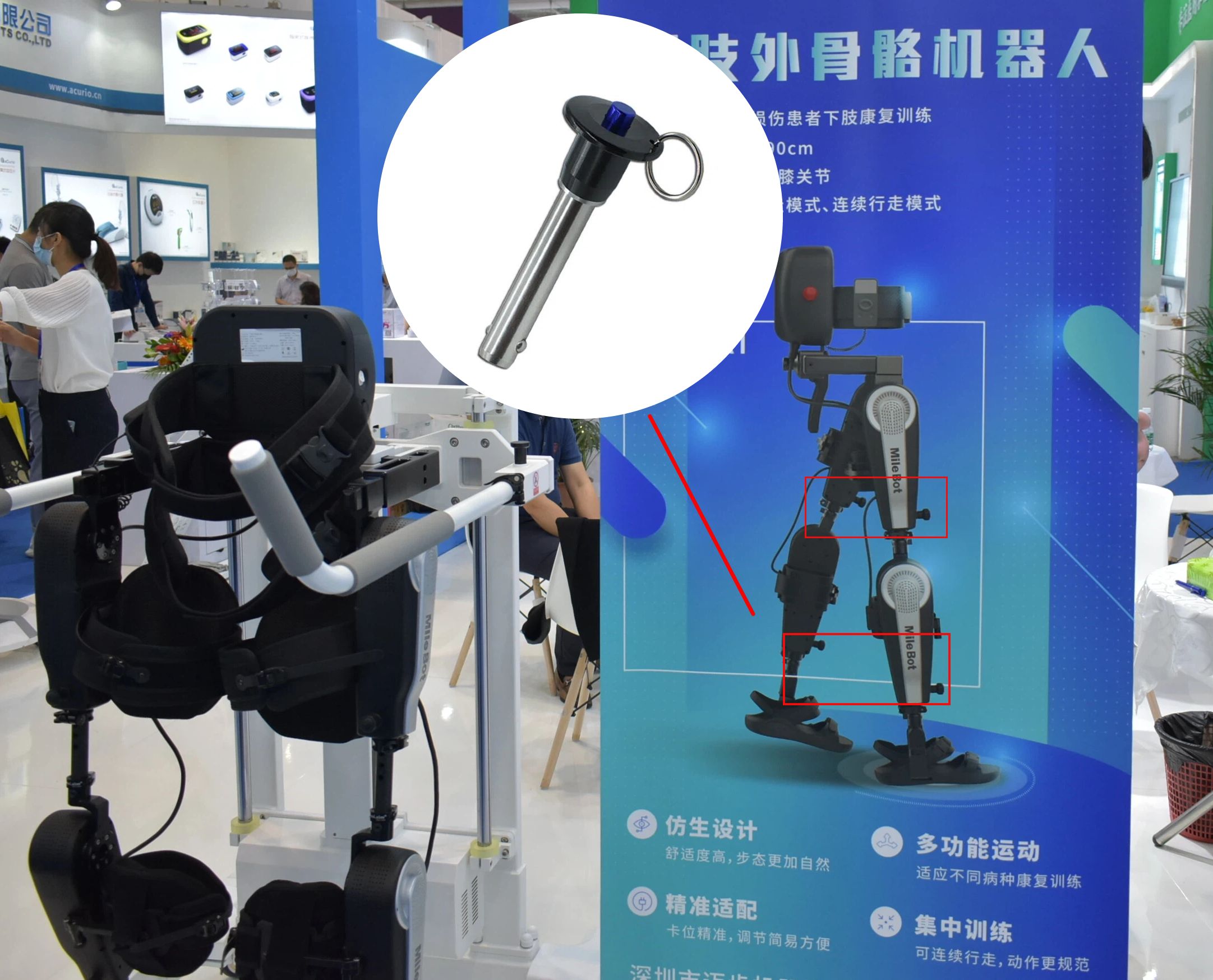
Quick Release Pins are mechanical fasteners that use a spring-loaded mechanism to securely lock components in place. They can be quickly released by activating a button, lever, or ring, enabling rapid disassembly without the need for tools. These pins are widely used in industries such as automotive, aerospace, industrial machinery, and consumer electronics, where speed and precision are critical.
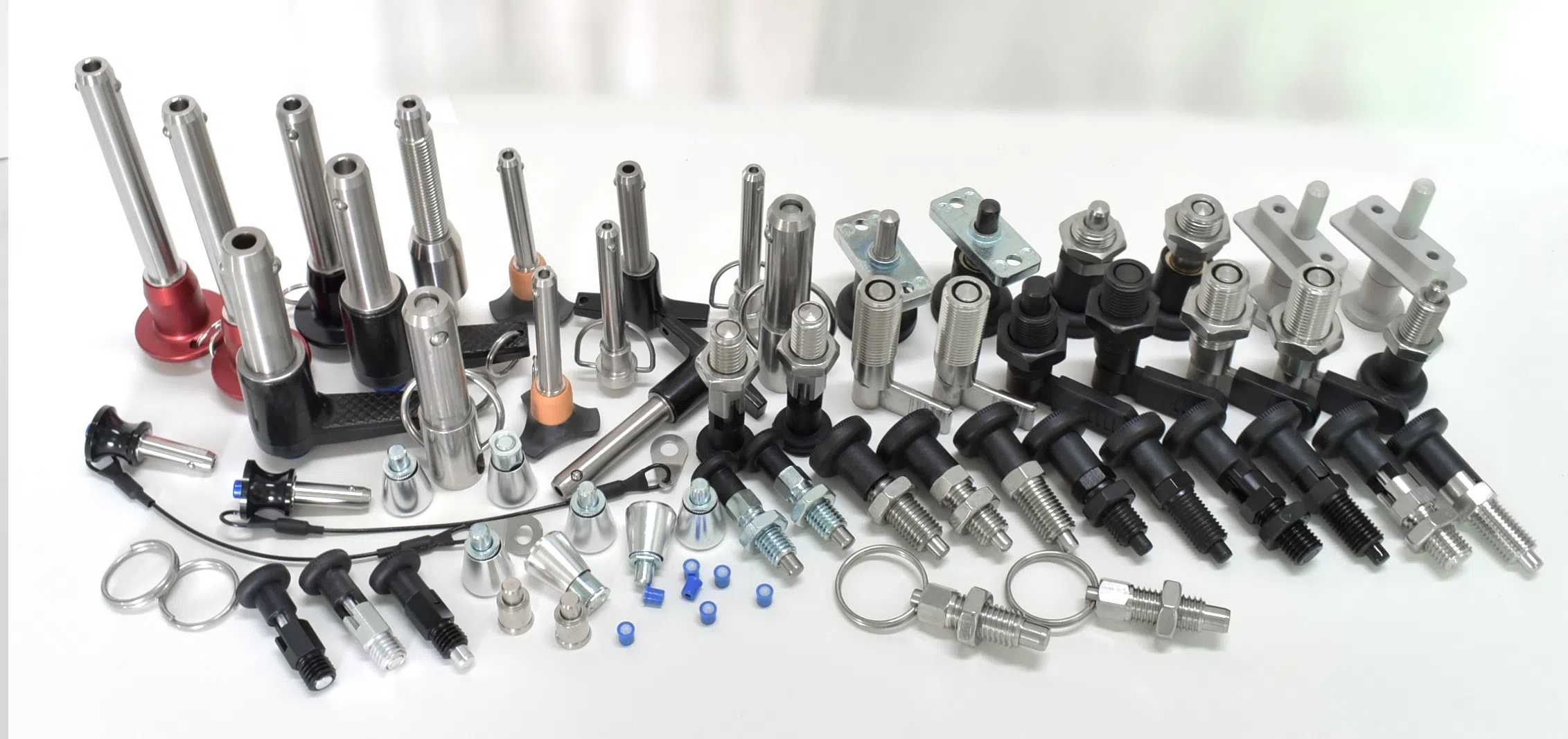
Types of Quick Release Pins
Quick Release Pins come in various designs, each tailored to specific applications. Below are the most common types:
1. Ball Lock Pins
-
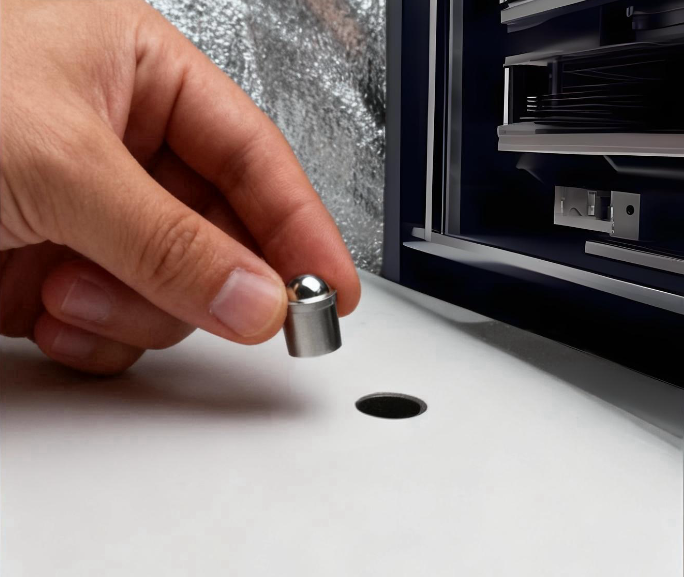
Design: Feature spring-loaded balls that protrude from the pin’s body to lock it in place.
-
Release Mechanism: A push-button or ring retracts the balls, allowing the pin to be removed.
-
Applications: Ideal for securing panels, fixtures, and machinery components.

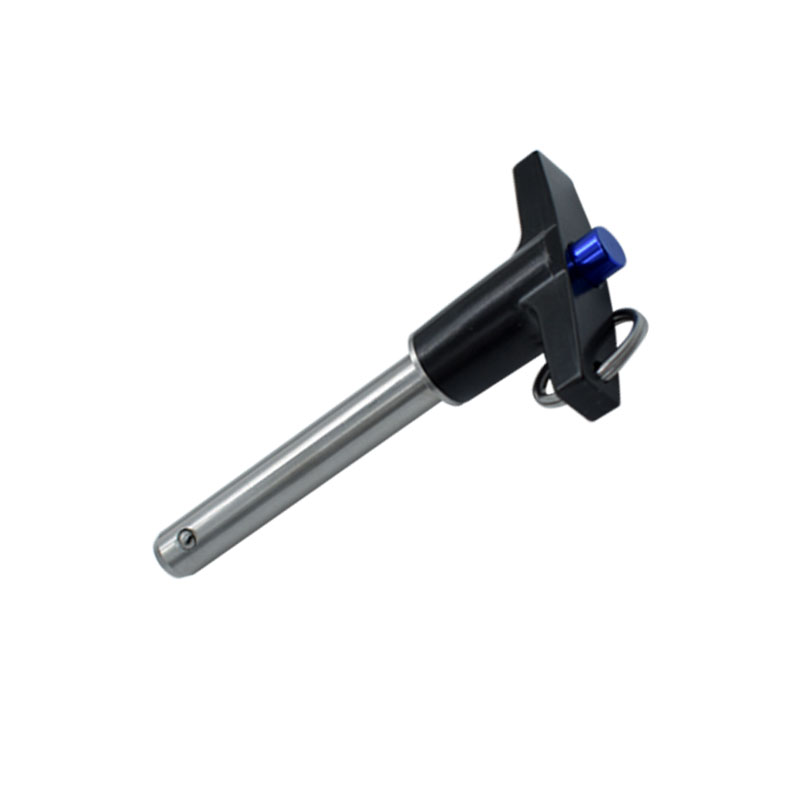
2. T-Handle Pins
-
Design: Equipped with a T-shaped handle for easy gripping and operation.
-
Release Mechanism: The handle is pulled to retract the locking mechanism.
-
Applications: Commonly used in automotive, aerospace, and industrial settings for heavy-duty applications.
3. Button Release Pins
-
Design: Feature a push-button mechanism to release the pin.
-
Release Mechanism: Pressing the button retracts the locking balls or pins.
-
Applications: Suitable for applications requiring quick and frequent adjustments, such as furniture and consumer electronics.

4. Ring Handle Pins
-
Design: Include a ring-shaped handle for easy pulling and release.
-
Release Mechanism: Pulling the ring retracts the locking mechanism.
-
Applications: Used in machinery, construction, and marine environments where ease of use is critical.

5. Lanyard Pins
-
Design: Feature a lanyard or cord attached to the pin for easy retrieval and operation.
-
Release Mechanism: The lanyard is pulled to release the pin.
-
Applications: Ideal for applications where pins may be dropped or lost, such as in aerospace or marine settings.

6. Push-Pull Pins
-
Design: Combine a push-button and pull mechanism for dual-action operation.
-
Release Mechanism: Pushing or pulling the pin activates the locking or release mechanism.
-
Applications: Used in industrial machinery and equipment requiring precise control.


7. Flange Pins
-
Design: Include a flange or collar for added stability and secure mounting.
-
Release Mechanism: Typically use a push-button or ring for release.
-
Applications: Suitable for applications requiring a stable and robust fastening solution, such as automotive and aerospace.

8. Hitch Pins
-
Design: Feature a simple, straight pin with a spring-loaded locking mechanism.
-
Release Mechanism: A cotter pin or clip secures the pin in place.
-
Applications: Commonly used in agricultural equipment, trailers, and heavy machinery.
Applications of Quick Release Pins
Quick Release Pins are used in a wide range of industries and applications, including:
-
Automotive: Securing seats, panels, and engine components.
-
Aerospace: Fastening access panels, doors, and cargo systems.
-
Industrial Machinery: Holding together machine parts, fixtures, and tools.
-
Construction: Securing scaffolding, temporary structures, and equipment.
-
Consumer Electronics: Assembling devices like laptops, cameras, and foldable gadgets.
-
Marine: Fastening components in saltwater environments where corrosion resistance is critical.
Advantages of Quick Release Pins
-
Time Efficiency: Reduces assembly and disassembly time significantly.
-
Ease of Use: Simplifies the process, making it accessible even for non-technical users.
-
Durability: Made from high-strength materials, ensuring long-lasting performance.
-
Versatility: Available in various designs to suit different applications.
Challenges in Using Quick Release Pins
While these pins offer many benefits, there are some challenges to consider:
-
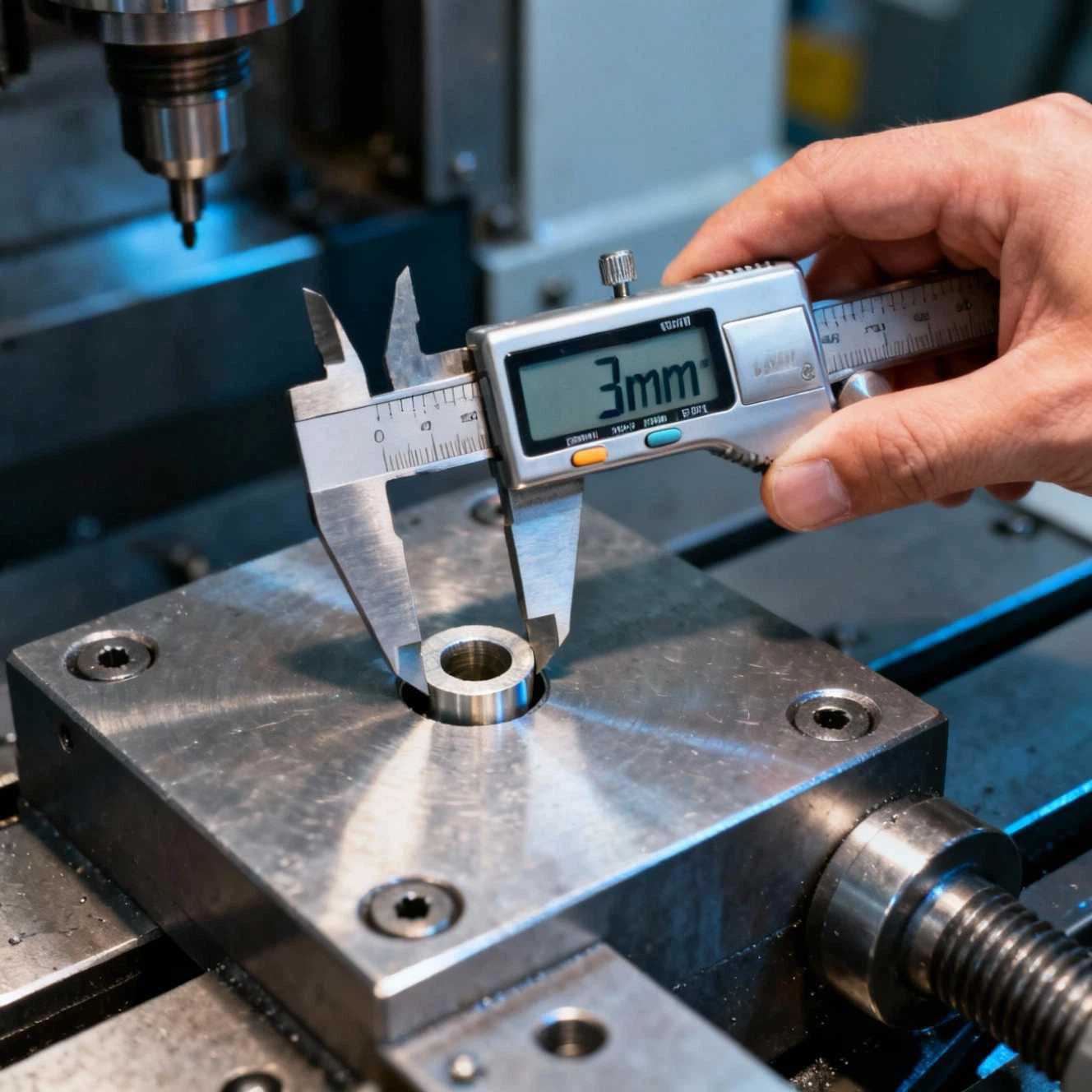
Precision Requirements: Requires precise alignment and hole sizing for proper operation.
-
Load Capacity: May not be suitable for extremely high-load applications.
-
Cost: Can be more expensive than traditional fasteners due to their advanced design.
Innovations in Quick Release Pins
As technology advances, Quick Release Pins are being enhanced with new features:
-
Corrosion-Resistant Coatings: Improving durability in harsh environments.
-
Ergonomic Designs: Adding features like textured grips for easier operation.
-
Smart Pins: Integrating sensors to monitor tension and wear in real time.
Expert Insights
Dr. Emily Carter, a mechanical engineering expert, explains:
"Quick Release Pins are a perfect example of how thoughtful design can simplify complex tasks. Their ability to combine speed, security, and versatility makes them indispensable in modern engineering."
Explore the types of quick release pins for secure and efficient fastening in industrial applications. Durable and reliable, they ensure smooth operation. Contact us for custom solutions tailored to your needs.
Heavy Duty Quick Release Bolts
Quick Release Fasteners For Metal