What Are Lock Nuts? Functional Insights and Indexing Plunger Anti-Loosening Solutions
What Are Lock Nuts? Functional Insights and Indexing Plunger Anti-Loosening Solutions
1. What Are Lock Nuts: Definition and Core Functions
When exploring what are lock nuts, it's crucial to understand that they are far more than ordinary fasteners in mechanical joints. From an engineering perspective, a lock nut is a fastening component designed with specific structural features to provide additional anti-loosening functionality beyond standard thread engagement. In modern industries, lock nuts generally fall into three major categories based on their working principles:
-
Elastic Deformation Type (e.g., nylon insert lock nuts)
-
Mechanical Locking Type (e.g., double-flanged lock nuts)
-
Chemical Adhesive Type (e.g., pre-applied thread locking adhesives)
Each type corresponds to different anti-loosening mechanisms and application scenarios.

In terms of performance, high-quality lock nuts must meet stringent technical criteria. For example, aerospace-standard lock nuts, such as those conforming to NASM 25027, are required to achieve:
-
Vibration Test: Retain at least 80% preload after 2,000 Junker tests (DIN 65151 standard)
-
Temperature Resistance: Nylon materials must endure operational temperatures from -54°C to +121°C (per MS21042 specifications)
-
Reuse Capability: Aviation-grade lock nuts should maintain 70% or more anti-loosening effectiveness after 5 disassemblies
Advancements in material science continue to push lock nut technology forward. Our laboratory’s latest testing indicates that replacing traditional nylon inserts with PEEK (Polyether Ether Ketone) boosts thermal resistance up to 200°C and triples vibration resistance lifespan. In heavy-load sectors, metal thread deformation-type lock nuts (such as DIN 980 standards) achieve stable performance over 1,000 vibration cycles through precision-controlled thread plastic deformation.
2. Typical Applications of Lock Nuts and Selection Guidelines
Special Requirements in Heavy-Duty Industries
When discussing what are lock nuts used for, heavy industries provide clear examples. In wind energy, for instance, M36 lock nuts used at the tower base of a 5MW turbine must meet:
-
Preload Accuracy: Within ±3% (EN 14399-3 standard)
-
Tensile Strength: ≥1200MPa
-
Long-Term Reliability: Maintain anti-loosening effectiveness over a 30-year design life
Our specially developed hydraulic tensioning lock nut system, featuring integrated strain gauges for real-time monitoring, has reduced bolt fracture rates at tower bases from 1.2% to less than 0.05%.
Breakthroughs in Vibration-Intense Environments
In railway transportation, lock nuts installed on bogies face unique challenges. Testing data show vibration accelerations up to 15G across frequencies of 20–2000Hz. Traditional lock nuts typically loosen after around 300 hours under such conditions. However, our new composite solution, combining double-wave spring washers and tapered threads, has extended anti-loosening lifespan beyond 5,000 hours, successfully deployed in China's "Fuxing" bullet trains.
Miniaturized Solutions for Precision Equipment
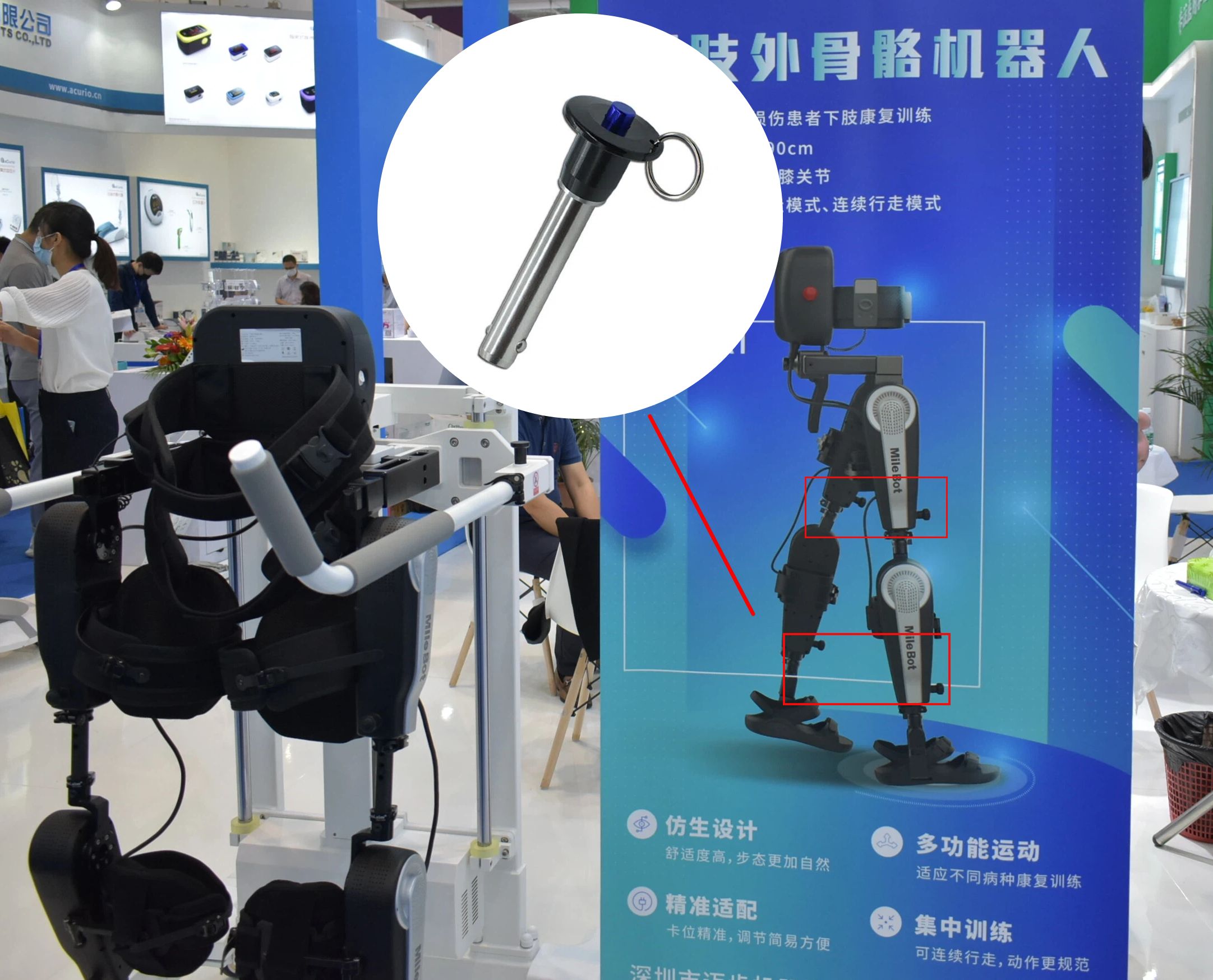
Medical robotics pose very specific demands on lock nuts:
-
Size Constraints: Typically ≤5mm in diameter
-
Non-Magnetic Requirements: Titanium alloys or ceramic materials
-
Torque Precision: Tolerance within ±0.1N·m
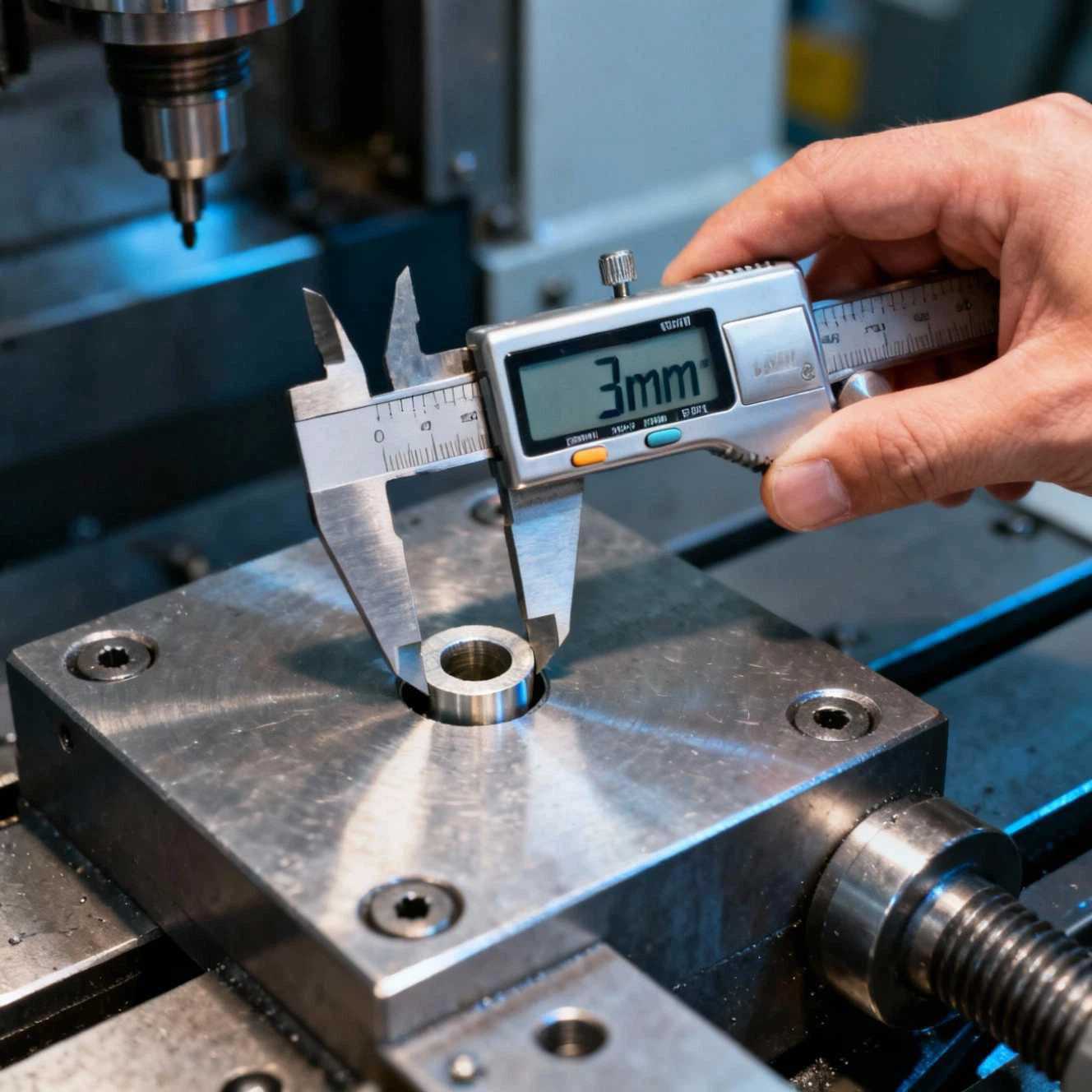
To address these needs, our micro lock nut system uses laser-micro-machined threads, achieving 8N·m holding torque in a 3mm-diameter component, fully MRI-compatible.
Selection Decision Tree Recommendation:
-
Determine vibration level (per ISO 16156)
-
Assess operating temperature range (note the glass transition temperature for nylon)
-
Calculate required preload force (using VDI 2230 formulas)
-
Select surface treatments (zinc plating, Dacromet coating, etc.)
3. Mocayo’s Innovative Solution: Indexing Plunger + Lock Nut Hybrid Systems
Integrating Technologies for New Value
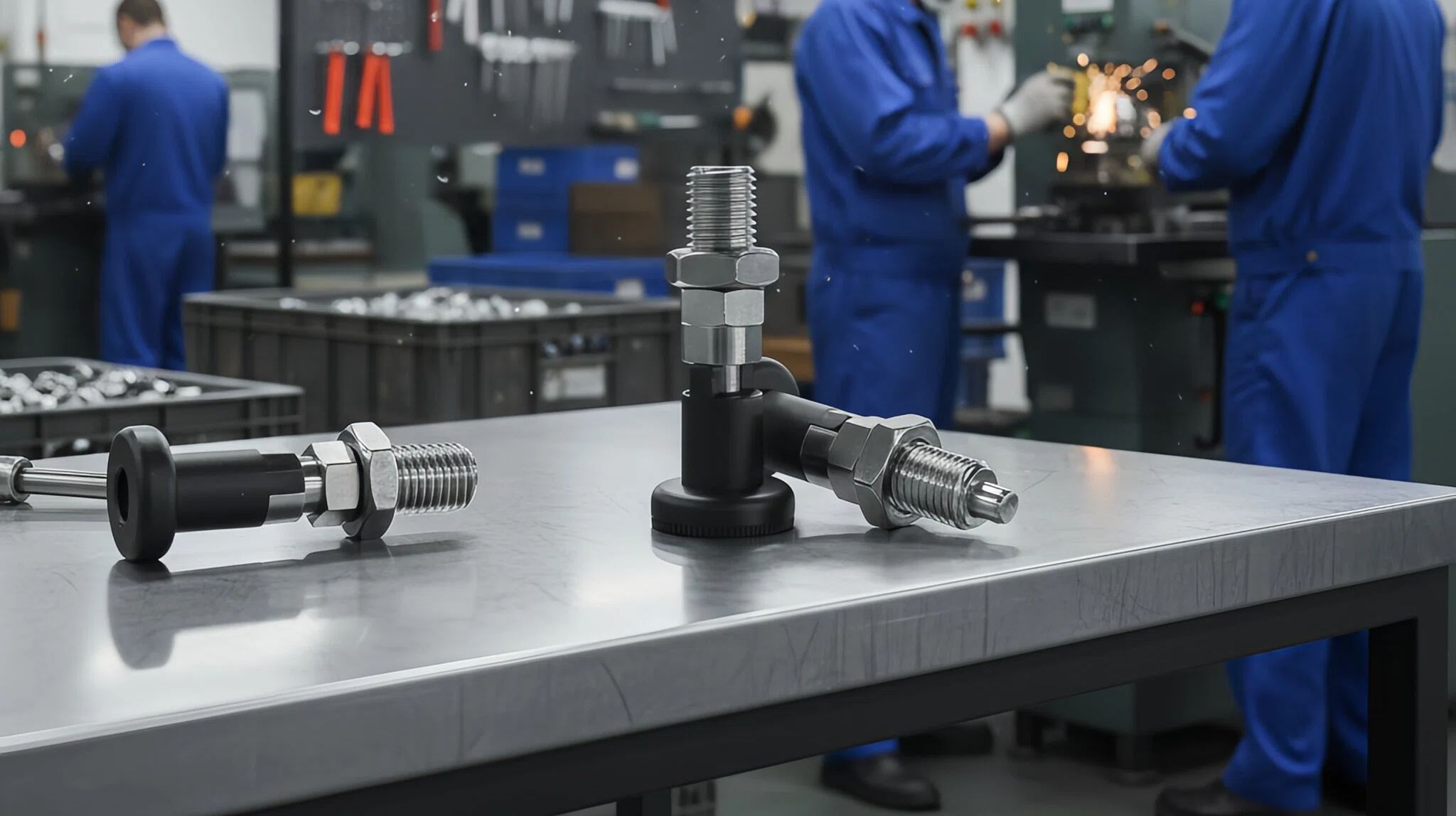
In response to evolving demands, Mocayo has combined the precision positioning of indexing plungers with the robust anti-loosening features of lock nuts, creating a new generation hybrid lock system. Core technical advantages include:
-
Nano-Level Positioning: Diamond-turned plunger surfaces (Ra ≤ 0.05μm)
-
Smart Loosening Detection: Lock nuts embedded with piezoelectric sensors for real-time preload monitoring
-
Full Standards Compliance: Nuts conform to ISO specifications
Mocayo Standard Technical Parameters
| Standard No. | Type | Description |
|---|---|---|
| ISO 4032 | Hexagon Nut Type 1 (General Purpose) | General nuts, A/B grade |
| ISO 8675 | Hexagon Nut Type 1 (High Strength) | Emphasizing mechanical properties |
| ISO 4034 | Hexagon Nut Type 2 (Thick Nuts) | Higher load-bearing capability |

ISO 4032 (Hex Nuts, Type 1, Product Grade A/B) defines dimensional specifications.
ISO 898-2 (Mechanical Properties of Nuts) specifies strength levels.
ISO 8675 nuts are widely used across mechanical manufacturing, automotive, aerospace, and construction industries where high reliability and strength are paramount.
Industry Case Studies
In aerospace, our hybrid system successfully addressed the solar panel deployment locking challenges of a satellite:
-
Temperature Endurance: Maintained zero gap connection from -120°C to +120°C
-
Durability: Retained 0.02mm positioning accuracy after 1,000 deployment cycles
-
Weight Reduction: 40% lighter compared to traditional systems
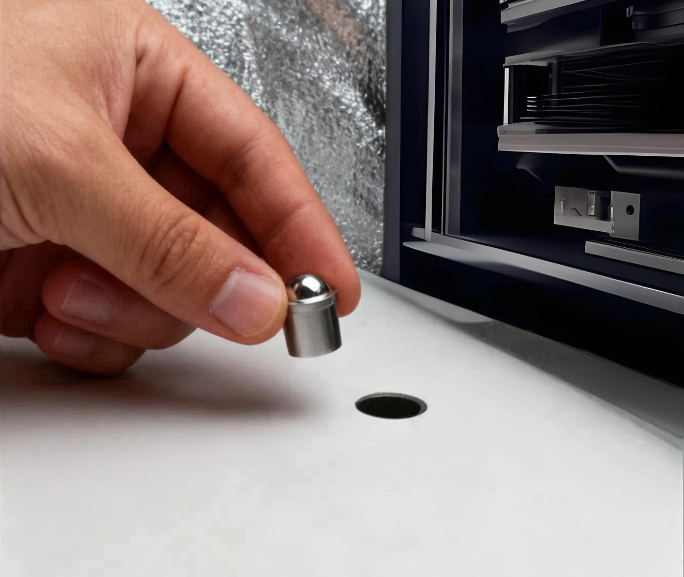
For medical devices, our sterile-grade lock nut systems feature for index plunger:
-
EO Sterilization Certification: Compliant with ISO 11135
-
Ultra-Smooth Surface: Ra<0.2μm to inhibit bacterial growth
-
Ergonomic Installation Kits: Designed for human factors engineering
4. Installation, Maintenance, and Emerging Trends
Scientific Installation Methodology
We recommend a four-step quality control framework for lock nut installation:
-
Surface Preparation: Achieve Sa2.5 blasting grade (ISO 8501-1)
-
Torque Control: Apply staged tightening (initial 30% torque, followed by two-phase final tightening)
-
Lubrication Management: Use specialized thread lubricants (coefficient of friction 0.10–0.14)
-
Final Validation: Ultrasonic preload measurement (±3% precision)
Smart Maintenance Technologies
Our Lock Nut smart monitoring system includes:
-
Wireless Torque Sensors: 100Hz sampling rate
-
Edge Computing Nodes: Predictive loosening algorithms
-
Visual Management Platforms: Supporting both PC and mobile applications
Deployment in wind farms shows our lock nut reduces unscheduled maintenance by 60% and increases equipment availability by 8%.
What Are Lock Nuts?Lock nuts are specialized fasteners designed to prevent loosening under vibration. Commonly used with bolts in automotive, machinery, and construction, they ensure secure, long-lasting connections.
Can Stainless Steel Corrode
What Is A Fastener