What Are The Differences Between Ball Rollers and Ball Transfer Units
What Are The Differences Between Ball Rollers and Ball Transfer Units
Table of Contents
Basic Definitions | Structure & Function Overview | Product Composition Comparison | Working Principle | Main Application Scenarios
Basic Definitions | Structure & Function Overview | Product Composition Comparison | Working Principle | Main Application Scenarios
Basic Definitions
Ball Rollers are mechanical components used for conveying and supporting workpieces. Typically mounted beneath conveyor belts, mechanical slides, or assembly lines, they facilitate smooth movement of workpieces in a specific direction. Featuring a simple structure—usually comprising a main ball, housing, and internal bearing—they can withstand substantial linear loads.
Ball Rollers are mechanical components used for conveying and supporting workpieces. Typically mounted beneath conveyor belts, mechanical slides, or assembly lines, they facilitate smooth movement of workpieces in a specific direction. Featuring a simple structure—usually comprising a main ball, housing, and internal bearing—they can withstand substantial linear loads.


Ball Transfer Units represent another type of ball-based conveying mechanism. They utilize a large ball working in conjunction with multiple smaller support balls to achieve 360° omnidirectional rotation. This design allows workpieces to slide effortlessly in any direction, making them ideal for conveying systems requiring flexible turning or positioning.
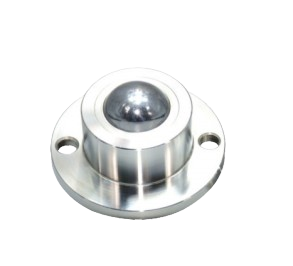

Structure & Function Overview
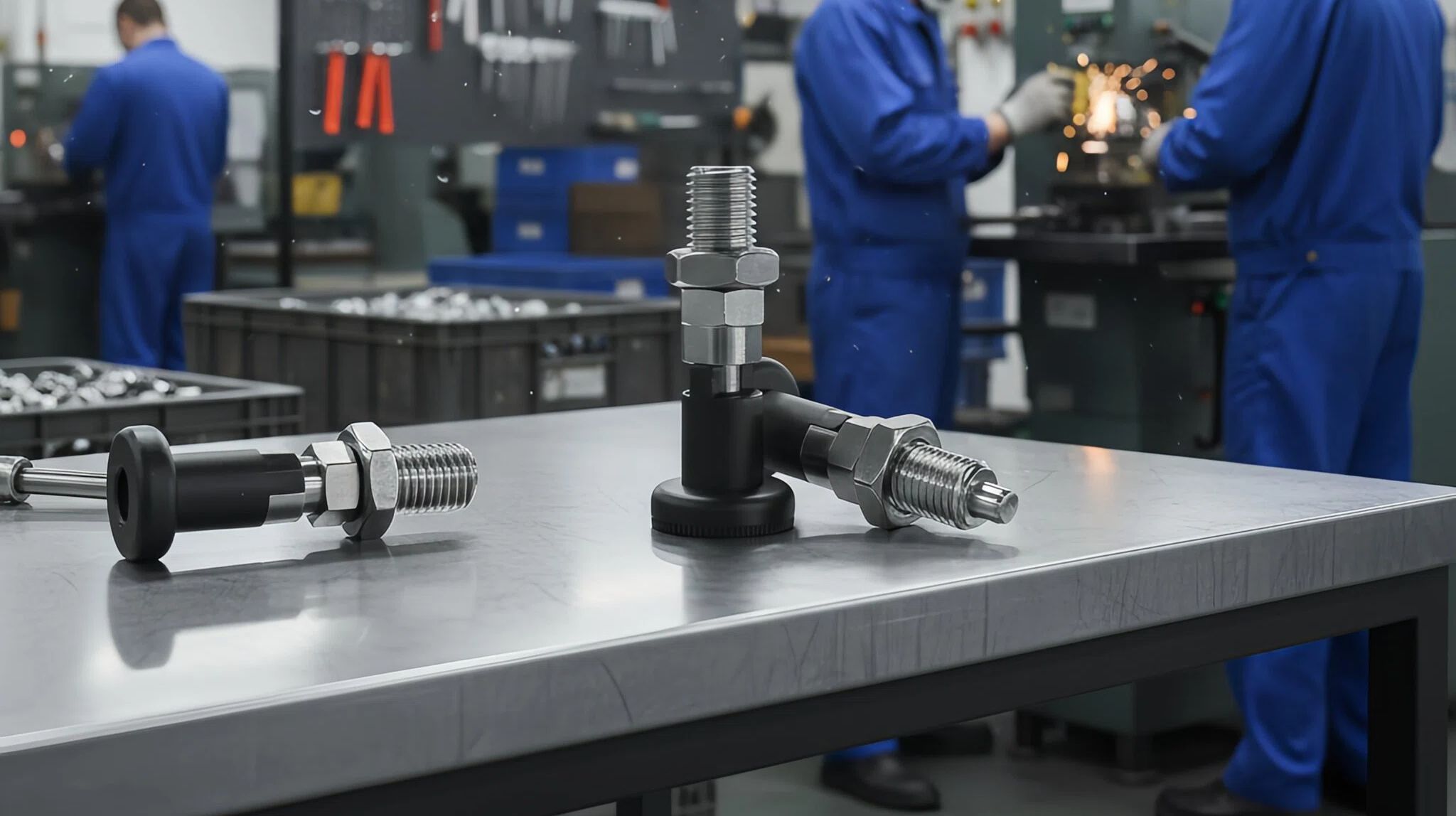
Visually, Ball Rollers generally feature a cylindrical or hemispherical shape, suitable for installation beneath conveyor belts to form linear rolling surfaces. Ball Transfer Units, however, resemble a metal ball head embedded within a metal housing, typically arranged in a modular configuration on a platform.
Functionally, Ball Rollers are suited for straight-line conveyance or directional support, while Ball Transfer Units emphasize multi-directional flexible movement. Both can be manufactured from stainless steel, ensuring excellent corrosion resistance and extended service life.
Visually, Ball Rollers generally feature a cylindrical or hemispherical shape, suitable for installation beneath conveyor belts to form linear rolling surfaces. Ball Transfer Units, however, resemble a metal ball head embedded within a metal housing, typically arranged in a modular configuration on a platform.
Functionally, Ball Rollers are suited for straight-line conveyance or directional support, while Ball Transfer Units emphasize multi-directional flexible movement. Both can be manufactured from stainless steel, ensuring excellent corrosion resistance and extended service life.
Product Composition Comparison
Ball Rollers typically feature a cylindrical or hemispherical shape and are often installed in rows or arrays to form rolling support surfaces. Their primary characteristics include unidirectional motion and high load-bearing capacity.
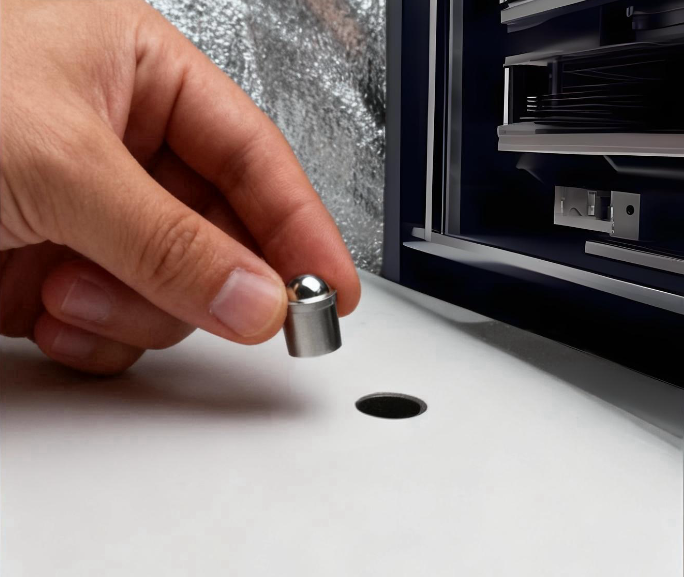
Ball Transfer Units, typically hemispherical in structure, feature a large ball embedded within a metal housing at the top. Multiple smaller balls inside enable flexible rotation. They achieve omnidirectional movement on horizontal surfaces, offering significantly greater flexibility than Ball Rollers.
Both are commonly manufactured using stainless steel to ensure corrosion resistance, wear resistance, and long-term stable operation.
Ball Rollers typically feature a cylindrical or hemispherical shape and are often installed in rows or arrays to form rolling support surfaces. Their primary characteristics include unidirectional motion and high load-bearing capacity.
Ball Transfer Units, typically hemispherical in structure, feature a large ball embedded within a metal housing at the top. Multiple smaller balls inside enable flexible rotation. They achieve omnidirectional movement on horizontal surfaces, offering significantly greater flexibility than Ball Rollers.
Both are commonly manufactured using stainless steel to ensure corrosion resistance, wear resistance, and long-term stable operation.
Conclusion: Ball Rollers use a single main ball in conjunction with a bearing to achieve linear rolling, and are more suitable for concentrated loads;
Ball Transfer Units achieve multi-directional movement through rolling contact between the main ball and a number of smaller balls, and are more flexible but relatively complex.
Ball Transfer Units achieve multi-directional movement through rolling contact between the main ball and a number of smaller balls, and are more flexible but relatively complex.
Working Principle
Ball Rollers operate based on linear rolling friction. When a workpiece contacts the ball surface, the ball rolls along a specified direction supported by bearings, thereby reducing frictional resistance and ensuring smooth conveyance. Due to the fixed rolling direction, they are suitable for unidirectional motion systems such as linear conveyance, guidance, or support.
In contrast, Ball Transfer Units achieve multidirectional rotation through the coordinated action of a main ball and supporting smaller balls. When the workpiece pushes the main ball, it rolls supported by multiple smaller balls, enabling arbitrary horizontal rotation. This structure significantly enhances conveying flexibility, making it particularly suitable for work platforms requiring turning, sorting, and rotational operations.
Ball Rollers operate based on linear rolling friction. When a workpiece contacts the ball surface, the ball rolls along a specified direction supported by bearings, thereby reducing frictional resistance and ensuring smooth conveyance. Due to the fixed rolling direction, they are suitable for unidirectional motion systems such as linear conveyance, guidance, or support.
In contrast, Ball Transfer Units achieve multidirectional rotation through the coordinated action of a main ball and supporting smaller balls. When the workpiece pushes the main ball, it rolls supported by multiple smaller balls, enabling arbitrary horizontal rotation. This structure significantly enhances conveying flexibility, making it particularly suitable for work platforms requiring turning, sorting, and rotational operations.

Main Application Scenarios
Ball Rollers are commonly used in automated assembly lines, machine rails, packaging lines, conveyor aisles and material slide systems. Due to their high load carrying capacity and compact design, they are ideal for equipment that requires linear conveying.
Ball Rollers are commonly used in automated assembly lines, machine rails, packaging lines, conveyor aisles and material slide systems. Due to their high load carrying capacity and compact design, they are ideal for equipment that requires linear conveying.
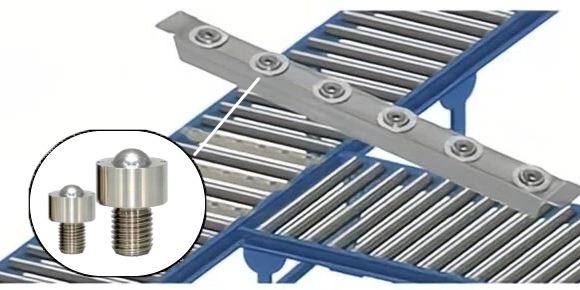
The applications of Ball Transfer Units are even more diverse and are commonly found in:
- Logistics and warehousing systems: for fast turning and sliding of goods on platforms.
- Logistics and warehousing systems: for fast turning and sliding of goods on platforms.
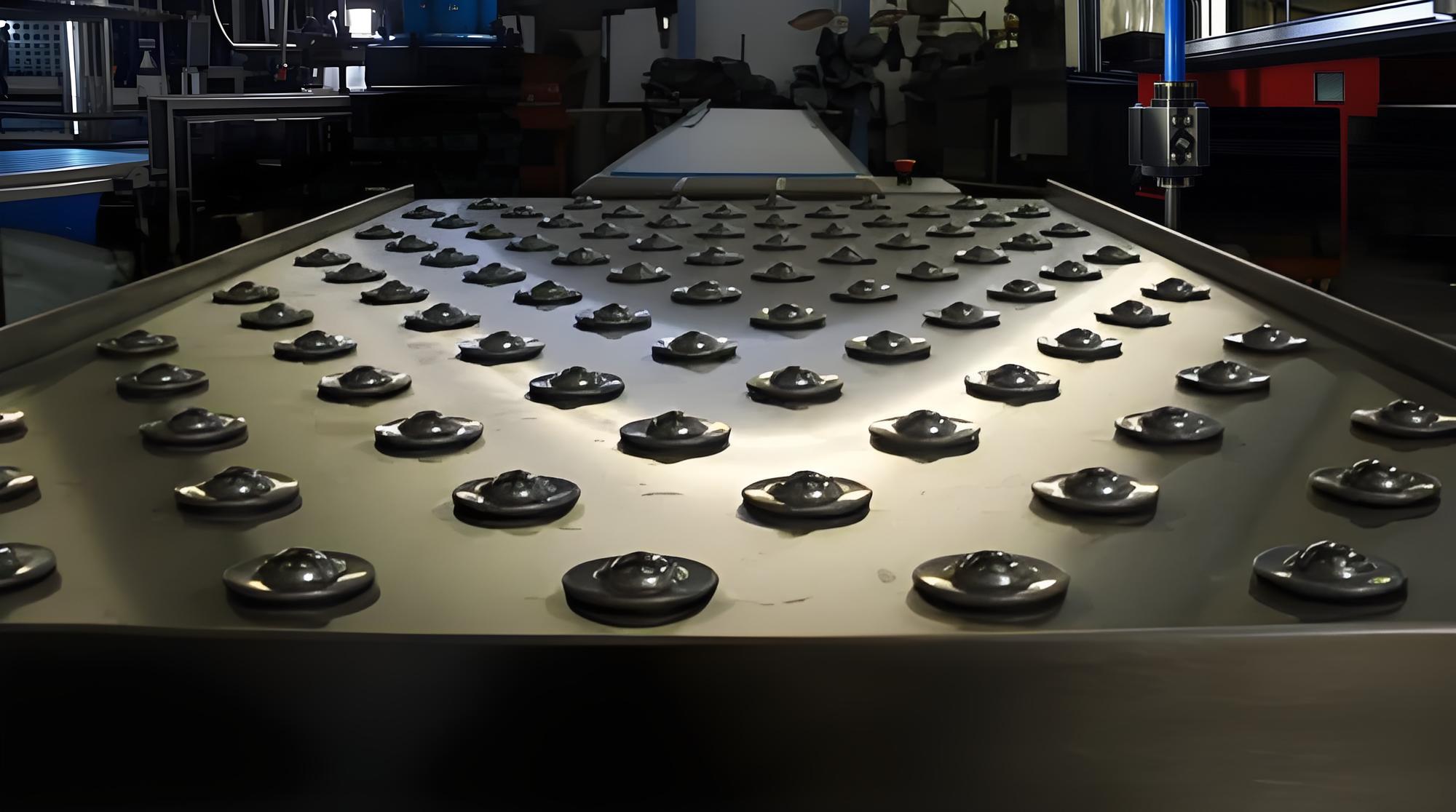
- Airport Baggage Conveyors: to allow baggage to move freely on the sorting table and improve handling efficiency.
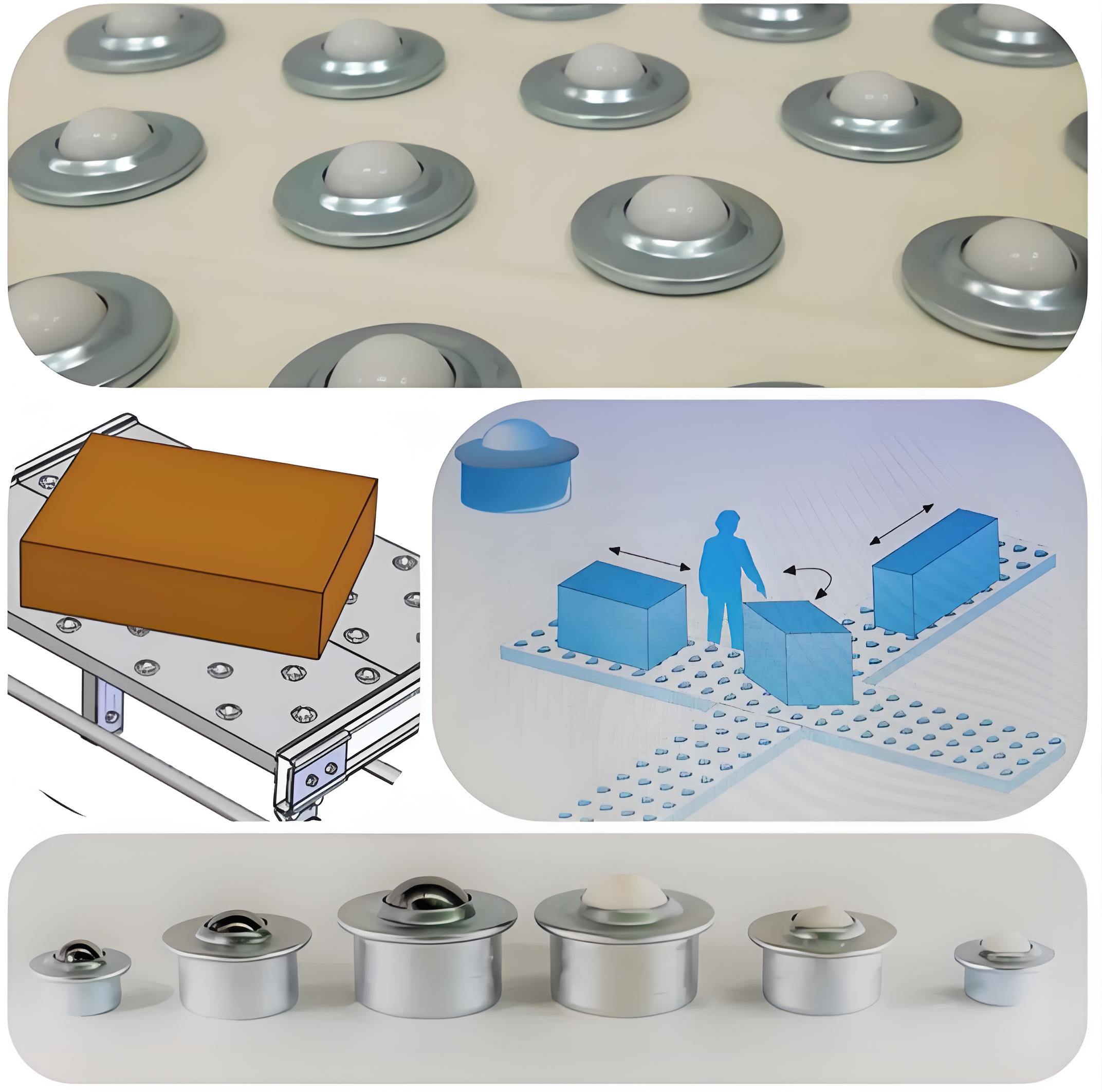
- Worktops and assembly platforms: to facilitate the rotation, positioning and inspection of workpieces.
- Electronics manufacturing and packaging production: for conveying light materials and improving handling flexibility.
The design of Ball Transfer Units is particularly advantageous when multi-angle steering and positioning are required on the same platform. For fixed-direction, high-speed linear conveying, Ball Rollers are the more cost-effective choice. Smooth and quiet operation with premium ball rollers and ball transfer units — perfect for conveyor tables.
- Electronics manufacturing and packaging production: for conveying light materials and improving handling flexibility.
The design of Ball Transfer Units is particularly advantageous when multi-angle steering and positioning are required on the same platform. For fixed-direction, high-speed linear conveying, Ball Rollers are the more cost-effective choice. Smooth and quiet operation with premium ball rollers and ball transfer units — perfect for conveyor tables.
How To Use The Ball Lock System
Lateral Spring Plunger Guideline