What Is A Fastener In Automotive
What Is a Fastener in Automotive? The Backbone of Vehicle Assembly and Safety
Introduction
In the automotive industry, every component of a vehicle must work together seamlessly to ensure performance, safety, and durability. Among these components, fasteners play a critical yet often overlooked role. From holding together the chassis to securing the engine, fasteners are the unsung heroes of automotive assembly. But what exactly is a fastener in the automotive context, and why is it so important? This article explores the types, functions, and significance of fasteners in the automotive industry.
What is a Fastener in Automotive?
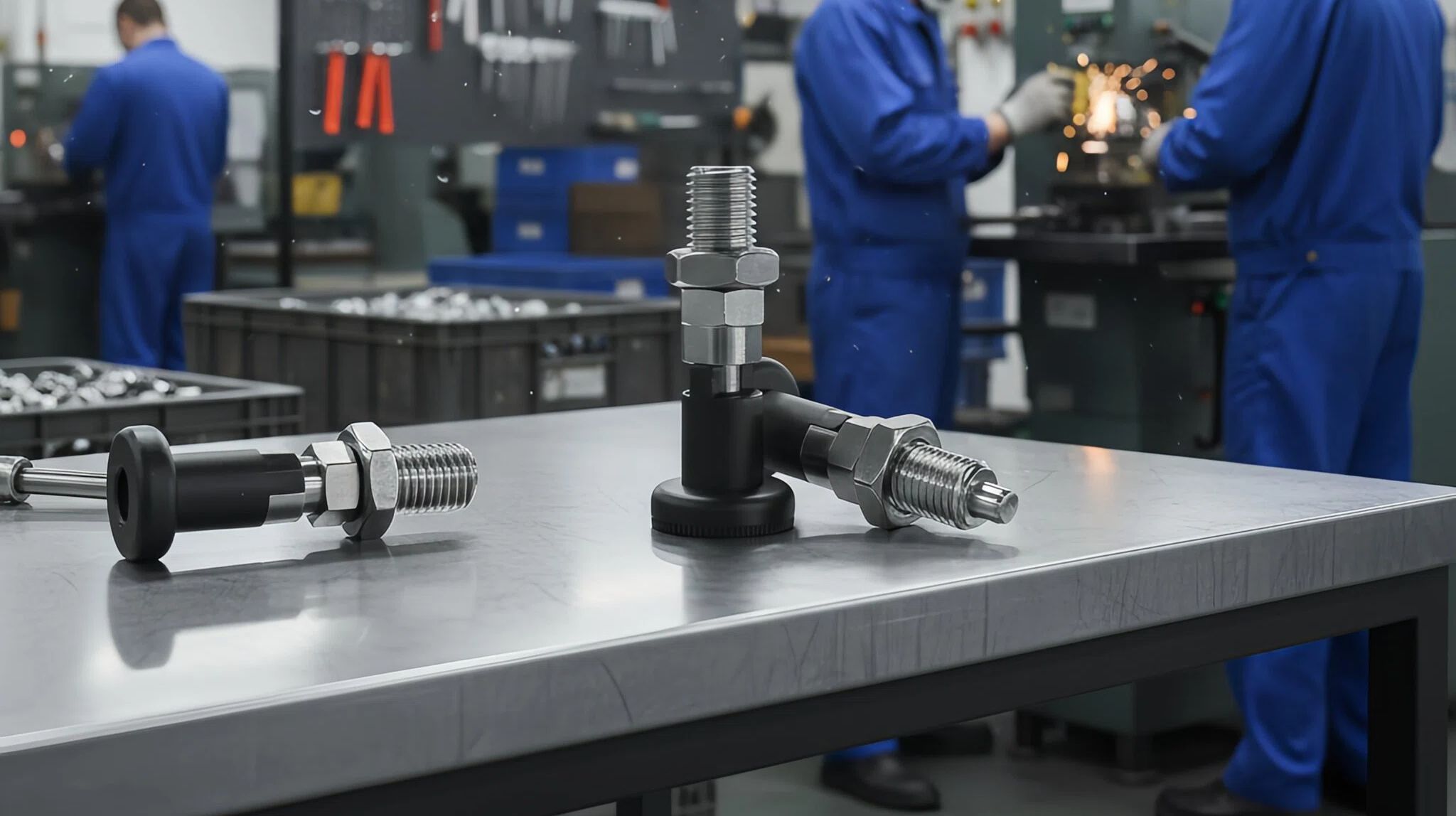
A fastener in automotive refers to any hardware device used to join or secure two or more components in a vehicle. Fasteners come in various shapes, sizes, and materials, each designed for specific applications and load requirements. They are essential for ensuring the structural integrity, safety, and reliability of vehicles.
Types of Fasteners Used in Automotive
-
Bolts and Nuts: Used for heavy-duty applications, such as securing the engine, transmission, and suspension systems.
-
Screws: Ideal for attaching smaller components like interior panels, trim, and electrical systems.
-
Rivets: Provide permanent fastening for body panels and structural components.
-
Clips and Clamps: Used to secure wiring harnesses, hoses, and other flexible components.
-
Washers: Distribute load and prevent loosening of bolts and nuts.
-
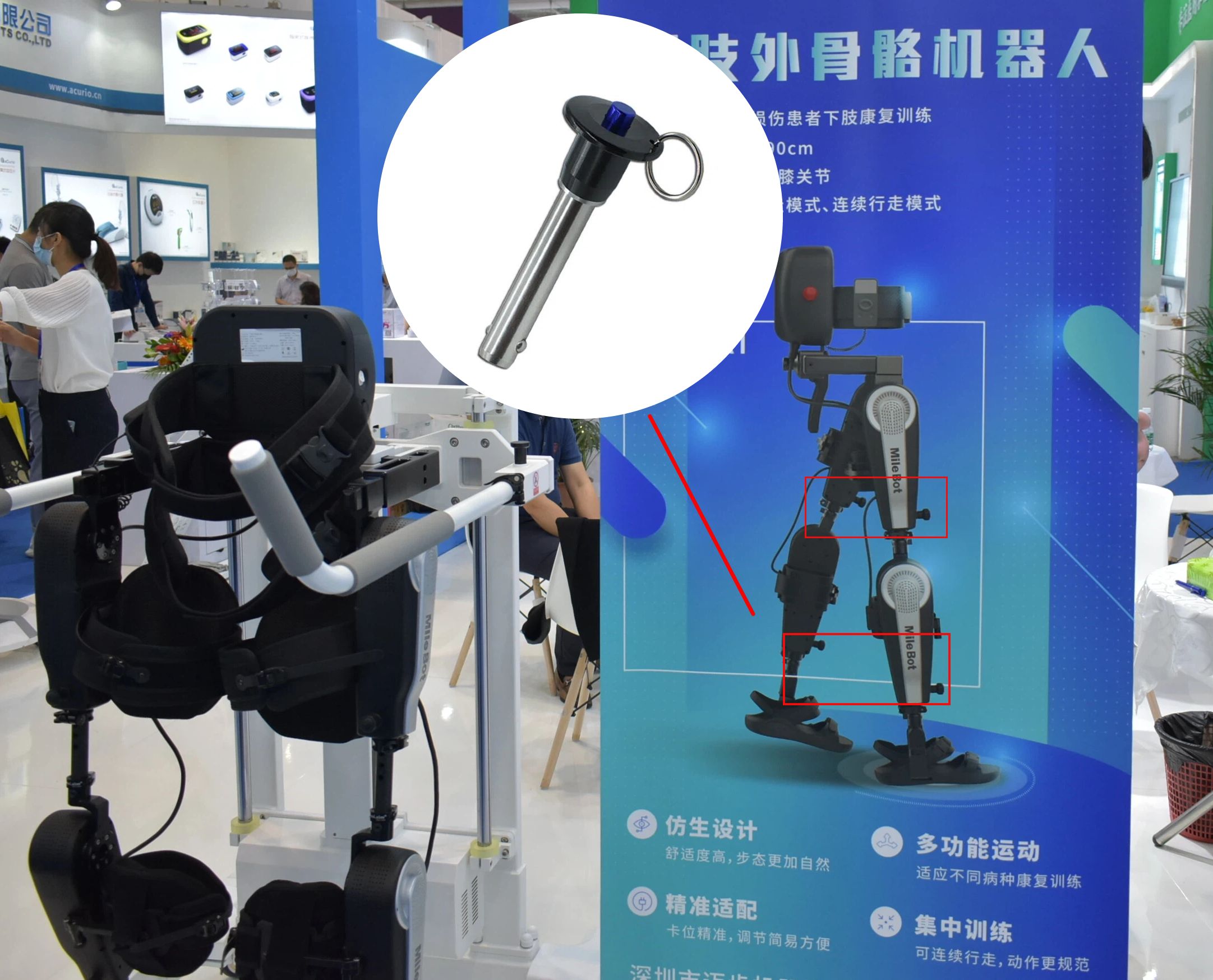
Pins and Retainers: Secure moving parts like brake calipers and suspension linkages.
Why Are Fasteners Important in Automotive?
Fasteners are critical in automotive applications for several reasons:
-
Structural Integrity: They ensure that components are securely joined, preventing failures or accidents.
-
Safety: Properly installed fasteners reduce the risk of components coming loose during operation.
-
Durability: High-quality fasteners resist corrosion, vibration, and wear, extending the lifespan of the vehicle.
-
Performance: Fasteners help maintain the alignment and functionality of critical systems like the engine, suspension, and brakes.
Applications of Fasteners in Automotive
Fasteners are used in virtually every part of a vehicle, including:
-
Engine Assembly: Securing engine blocks, cylinder heads, and other components.
-
Chassis and Frame: Holding together the vehicle’s structural framework.
-
Suspension Systems: Attaching shock absorbers, control arms, and other suspension components.
-
Interior and Exterior Trim: Fastening panels, seats, and decorative elements.
-
Electrical Systems: Securing wiring harnesses, connectors, and sensors.
-
Braking Systems: Attaching brake calipers, rotors, and pads.
Challenges in Automotive Fastener Selection
Choosing the right fastener for automotive applications involves considering several factors:
-
Load and Stress: Fasteners must withstand the forces exerted by the vehicle’s movement and weight.
-
Material Compatibility: Fasteners must be compatible with the materials they are joining to prevent corrosion or weakening.
-
Environmental Conditions: Fasteners must resist factors like moisture, temperature changes, and exposure to chemicals.
-
Vibration Resistance: Automotive fasteners must remain secure under constant vibration and movement.
Innovations in Automotive Fasteners
As automotive technology advances, fasteners are evolving to meet new demands:
-
Lightweight Materials: Using aluminum and titanium to reduce vehicle weight and improve fuel efficiency.
-
Corrosion-Resistant Coatings: Enhancing durability in harsh environments.
-
Smart Fasteners: Equipped with sensors to monitor tension, load, and wear in real time.
-
Self-Tightening Fasteners: Designed to resist loosening under vibration and stress.

Expert Insights
John Matthews, an automotive engineering consultant, explains, "Fasteners are the backbone of vehicle assembly. Their quality and proper installation can make the difference between a safe, reliable vehicle and one that fails prematurely."
Conclusion
Fasteners may be small, but their role in the automotive industry is monumental. From ensuring structural integrity to enhancing safety and performance, these essential components are the glue that holds vehicles together. As automotive technology continues to evolve, fasteners will remain a critical element, driving innovation and reliability in the industry.
Learn what is a fastener in automotive—components like bolts, screws, and clips that secure parts, ensuring vehicle safety, durability, and optimal performance on the road.
Disclaimer: This article is for informational purposes only. The views expressed are those of the author and do not necessarily reflect the official policy or position of any organization.
What Is A Fastener In Construction
What Are Fasteners In Construction