What Is A Fastener
What Is a Fastener? Comprehensive Analysis of Core Components and Application Solutions
1. Definition and Basic Classification of Fasteners
What is a fastener? A fastener, as a fundamental mechanical component in the field of mechanical connections, refers to a type of mechanical element that connects two or more parts through mechanical engagement or friction. According to the ISO 1891 standard, fasteners are classified based on their functional characteristics into three major categories: threaded fasteners, non-threaded fasteners, and special-function fasteners.
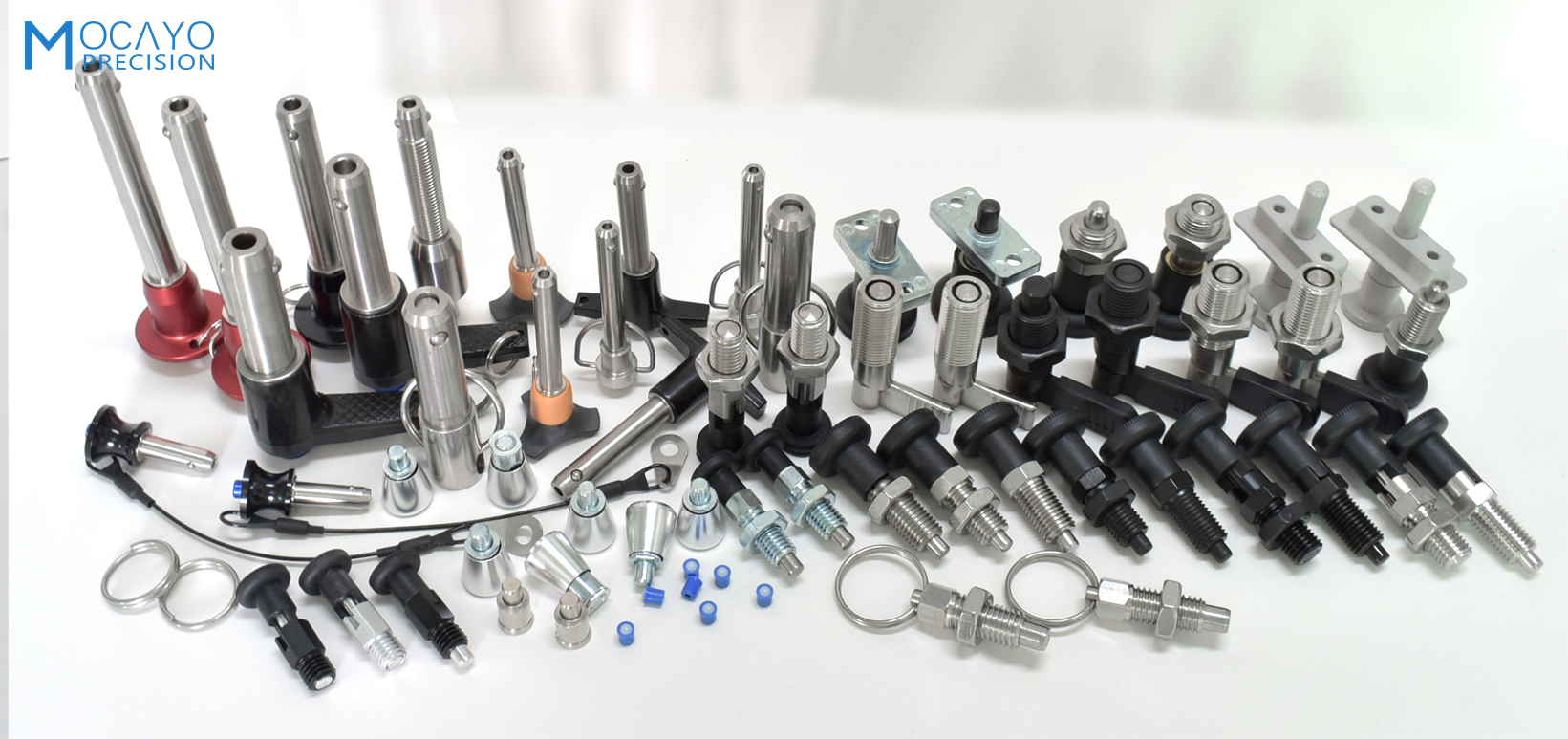
Threaded fasteners are the most widely used category and primarily include bolts (used in conjunction with nuts), screws (directly driven into the connected parts), and studs (double-ended threaded rods). These fasteners generate axial clamping force through the principle of threaded engagement, and their mechanical performance must strictly comply with the strength grades defined in ISO 898-1. It is noteworthy that high-strength bolts of grade 8.8 and above have become standard components in heavy-duty applications such as wind power and bridge construction.
Non-threaded fasteners cover a broader range of technologies, including:
-
Pin Fasteners: such as cylindrical pins (GB/T 119) and taper pins (GB/T 117), achieving positioning through interference fit.
-
Riveting Fasteners: such as blind rivets (GB/T 12615), forming permanent connections via plastic deformation.
-
Clamping Fasteners: such as retaining rings (GB/T 894), generating constraining force through elastic deformation.
Special-function fasteners are developed for specific operational conditions, such as anti-loosening fasteners under NASA standards and corrosion-resistant fasteners certified to MIL-SPEC standards. In terms of material selection, besides conventional carbon steels (such as SWCH18A), special materials like AISI 316 stainless steel and TC4 titanium alloys are increasingly adopted in aerospace and medical industries.
2. The Critical Role of Fasteners in Industry and Construction
When discussing what is a fastener and its importance, it becomes clear that the performance of fasteners directly affects the reliability and safety of entire structures within modern industrial systems. In the automotive manufacturing sector, for example, a mid-sized vehicle typically requires approximately 3,000 to 5,000 fasteners. Among these, high-strength bolts of grade 10.9, used in the engine compartment, must withstand alternating stresses up to 900 MPa. According to the latest patents released by Tesla, a specially designed anti-loosening fastener used in their battery modules can reduce the probability of loosening under vibration conditions by 72%.
In the field of construction engineering, the requirements for fasteners are even more stringent. For instance, the Shanghai Tower project utilized M36 ultra-high-strength bolts (grade 12.9) that had to meet the following technical specifications:
-
Tensile strength ≥ 1,220 MPa
-
Yield strength ≥ 1,080 MPa
-
Fracture elongation ≥ 9%
All these parameters were tested and certified in accordance with ASTM F606 standards.
In the renewable energy sector, fastener technologies are facing new challenges. Stainless steel fasteners used in photovoltaic mounting structures must pass a 5,000-hour salt spray test (ISO 9227 standard), while bolts used in wind power installations are required to maintain impact toughness at -40°C, in accordance with EN ISO 148-1 standards. In the medical equipment sector, the requirements are even more stringent: titanium alloy fasteners for orthopedic implants must comply with ISO 13485, the medical device quality management system standard.
Some of the most common technical challenges fasteners must address include:
-
Galvanic corrosion: caused by contact between dissimilar metals
-
Hydrogen embrittlement failure: a typical failure mode for high-strength steels
-
Creep relaxation: a typical problem under high-temperature conditions
Understanding what is a fastener also means recognizing that overcoming these challenges demands continuous innovation in materials science and structural optimization.
3. Mocayo Innovative Product Recommendations: Indexing Plungers and Quick Release Pins
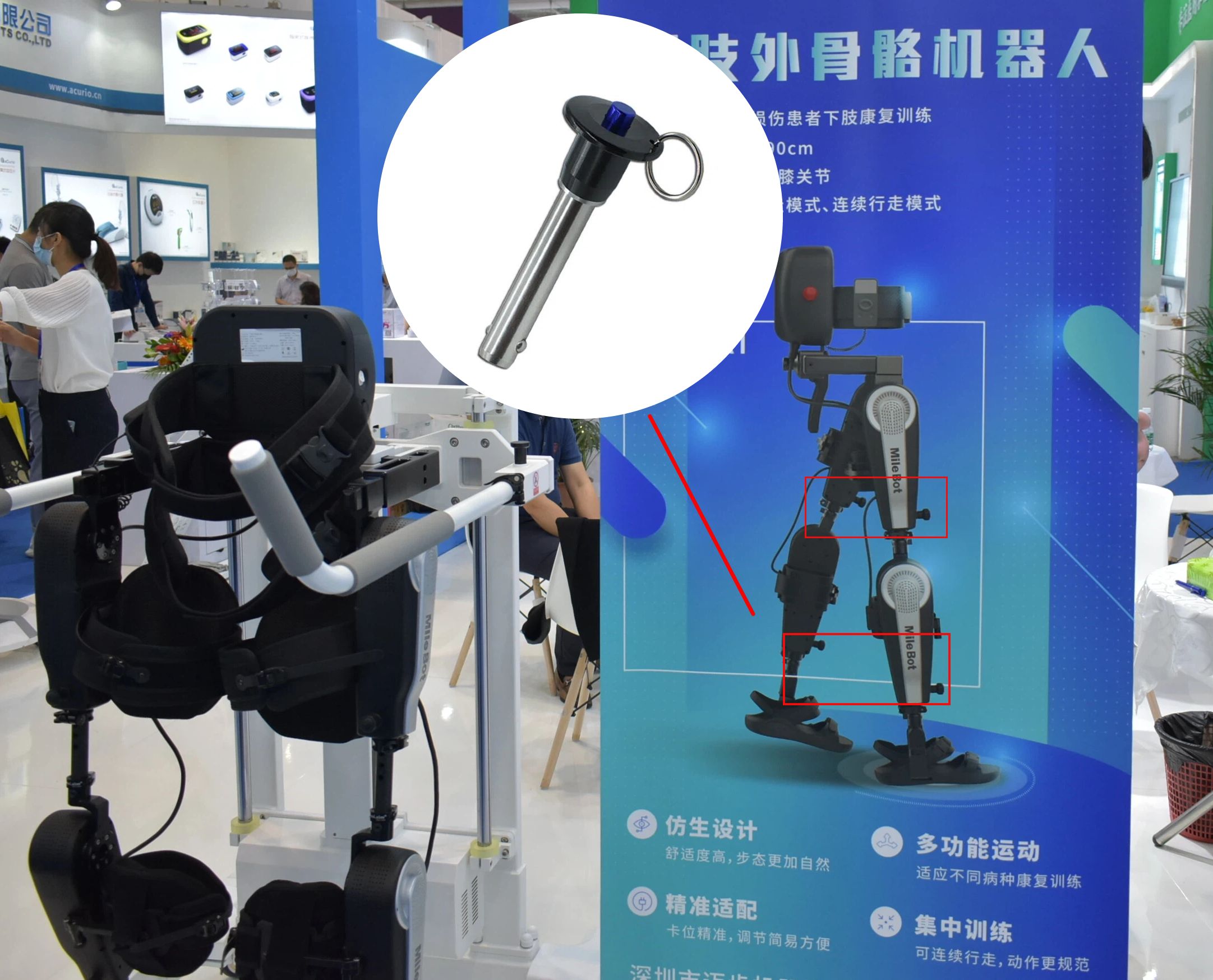
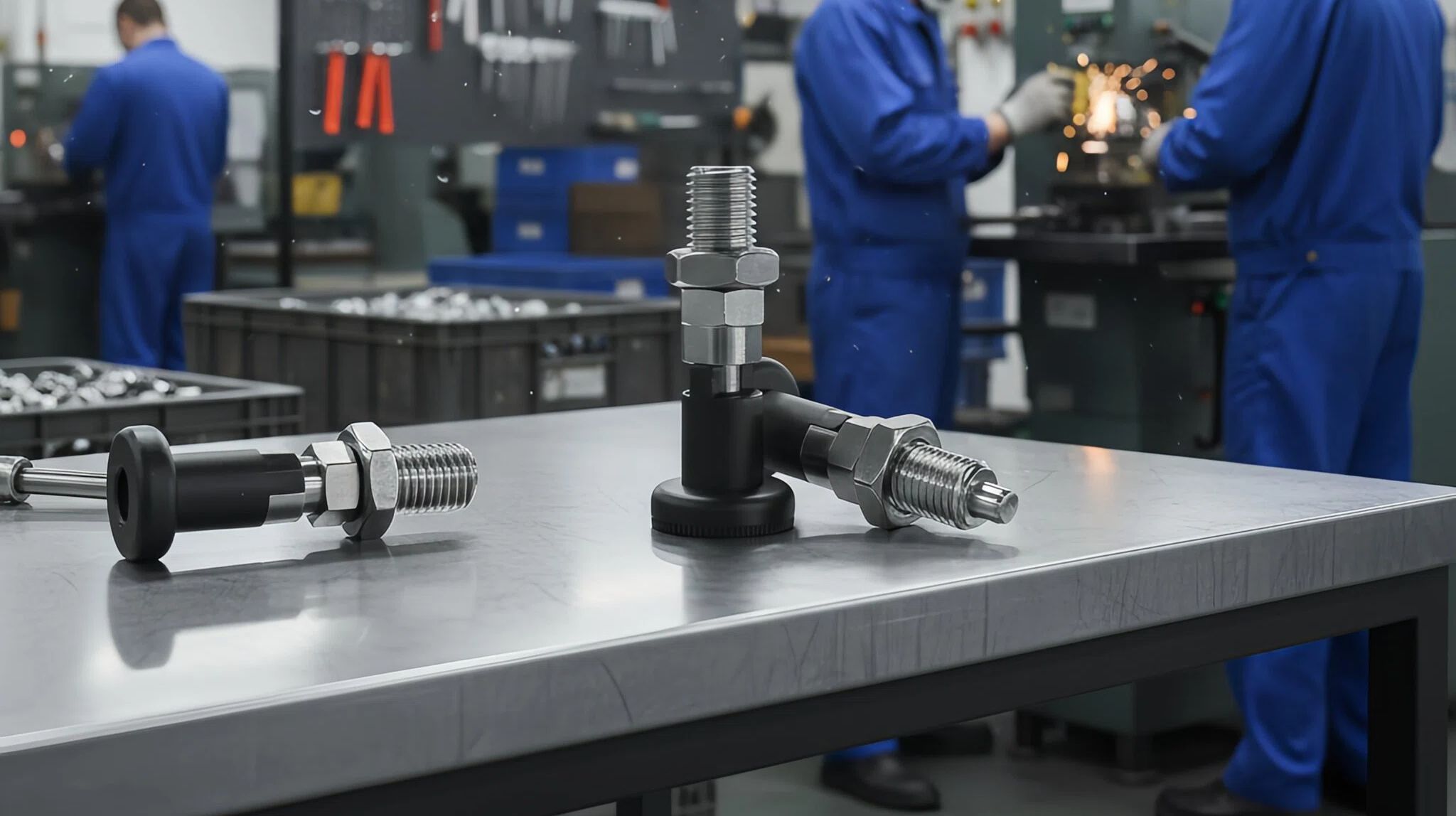
When discussing what is a fastener beyond traditional bolts and screws, indexing plungers and quick release pins represent a new frontier in precision fastening solutions. As a benchmark enterprise in the field of precision fastening technology, Mocayo, supported by a national engineering technology research center, has developed a new generation of indexing plunger and quick release pin systems.
Breakthroughs in Indexing Plunger Technology
Our MS1170 series indexing plungers incorporate three core technologies:
-
Nano-scale Surface Treatment: Utilizing PVD (Physical Vapor Deposition) coating technology, achieving a surface hardness above HV 1200.
-
Elastic Deformation Compensation Structure: Mocayo's patented tapered sleeve design automatically compensates for 0.02 mm of deformation, enhancing positioning precision.
-
Temperature-Adaptive Materials: A specially formulated alloy with a thermal expansion coefficient matched to aerospace-grade aluminum alloys (23.6×10⁻⁶/°C).
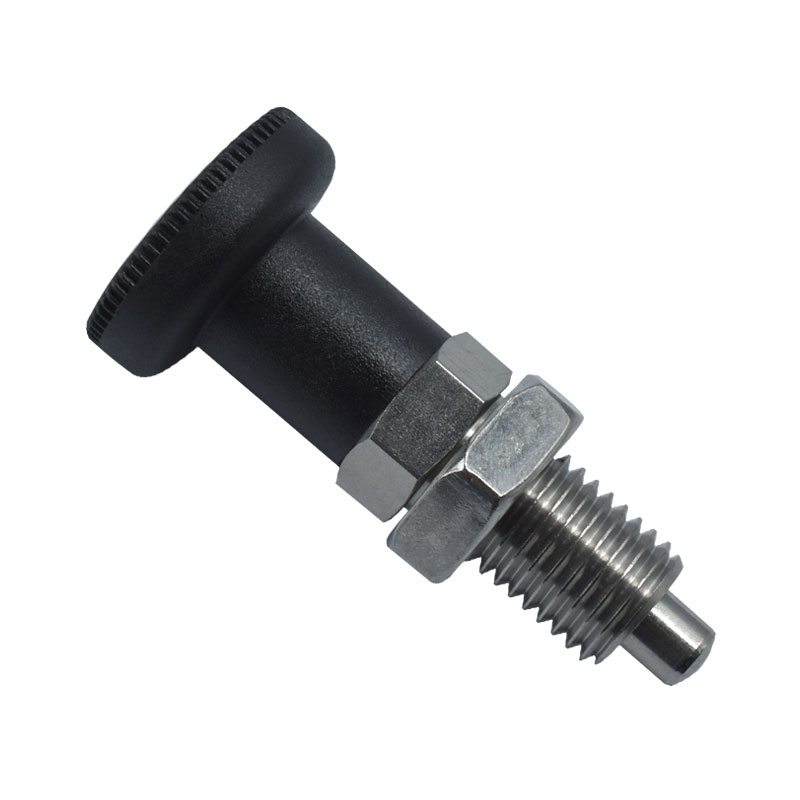
Technical Parameter Comparison Table:
| Parameter | Industry Standard | PrecisionLock Series |
|---|---|---|
| Repetitive Positioning Accuracy | ±0.1 mm | ±0.025 mm |
| Dynamic Load Capacity | 2 kN | 5 kN |
| Assembly/Disassembly Life | 500 cycles | 3,000 cycles |
Understanding what is a fastener in advanced applications requires recognizing that indexing plungers are essential for achieving high-precision positioning and frequent locking/unlocking in aerospace, semiconductor, and precision manufacturing industries.
Revolutionary Quick Release Pin Systems
The MOX quick release pin series features a revolutionary design concept:
-
Electromagnetic Assisted Unlocking: Integrated micro-electromagnet enabling remote-controlled release.
-
Smart Preload Monitoring: Built-in MEMS (Micro-Electro-Mechanical Systems) sensors providing real-time clamping force feedback.
-
Modular Interface: Fully compliant with SAE AS9100 aerospace standards.
According to Mocayo’s simulated testing data, our quick release pins demonstrated only 1/8th the clamping force attenuation rate compared to traditional products under simulated space environment conditions (alternating between -180°C and 150°C).

Typical Application Cases:
-
New Energy Vehicles: Insulated quick release pins designed for an 800V high-voltage platform, certified to UL94 V-0 flammability standard.
-
Semiconductor Equipment: Cleanroom-specialized indexing plungers with a particle emission rate of fewer than 5 particles/ft³ (compliant with ISO Class 3 standards).
-
Military Equipment: Quick-disconnect solutions meeting MIL-DTL-38999 III series standards.
In the field of high-performance fastening, understanding what is a fastener extends far beyond simple mechanical joining—it involves integrating smart sensing, extreme environment tolerance, and modular design philosophy.
We provide full-chain technical services, from material analysis to failure diagnostics, including:
-
Finite Element Analysis (FEA): Using ANSYS simulation
-
Fatigue Life Testing: Referencing ISO 12107 standards
-
Microstructural Examination: Including metallography and SEM (Scanning Electron Microscopy) analysis
4. How to Select the Right Fastener? Mocayo Professional Guide
Understanding what is a fastener is only the first step. Selecting the right fastener for a specific application requires a systematic evaluation of multiple factors. Based on years of engineering experience, Mocayo has developed a scientific fastener selection model:
FAST-Lock Selection Framework:
| Dimension | Key Considerations |
|---|---|
| F - Force | Tensile, shear, torsional, and dynamic loads that the fastener must withstand |
| A - Application | Specific industry requirements, including aerospace, automotive, medical devices |
| S - Substrate | Material type and treatment of the components being joined (e.g., aluminum, CFRP) |
| T - Temperature | Operating temperature range, thermal expansion behavior, and heat resistance |
| Lock - Locking Mechanism | Selection of locking method: thread locking, mechanical lock, or smart lock |
When engineers ask what is a fastener in today's world, the answer must consider its ability not only to connect, but also to adapt intelligently to environmental and operational challenges.
Practical Selection Case Study
Case Study: An aerospace customer required fasteners for satellite modular components, with key technical challenges:
-
Temperature range: -200°C to +180°C
-
Weight constraint: Fastener mass must not exceed 120g
-
Quick assembly/disassembly within 30 seconds
-
Zero particle emission (outgassing control)
Selection Solution:
-
Material: Ti-6Al-4V aerospace titanium alloy
-
Structure: Smart preload-sensing quick release pin
-
Surface Treatment: PVD anti-cold-welding coating
-
Special Design: Double-lock system preventing accidental release during high-vibration launch
Final delivery included not only fasteners but a complete data package: mechanical properties, fatigue life charts, and environmental test reports.
When you truly understand what is a fastener, you realize it's no longer a simple mechanical part, but a key enabler for system reliability and efficiency.
Mocayo’s Professional Support Services:
-
Pre-sales Consultation: Application environment analysis and fastener preliminary selection
-
In-process Support: 3D modeling integration support for fasteners
-
After-sales Assurance: Traceable quality certification and continuous technical upgrades
In today's intelligent manufacturing environment, when discussing what is a fastener, Mocayo firmly believes that a fastener should be an active, intelligent, and evolving component within a mechanical system—not just a passive connector.
What is a fastener? A fastener is a hardware device like screws, bolts, or nails used to securely join materials together. Essential in construction, manufacturing, and DIY projects, fasteners ensure strong, durable connections.
The future of answering what is a fastener will revolve around one word — adaptability. Fasteners must evolve together with the equipment they serve, dynamically responding to changes in load, temperature, and environment.
At Mocayo, we are not only manufacturing fasteners; we are engineering the future of mechanical connectivity. Through continuous innovation in material science, intelligent sensing, and precision manufacturing, we redefine what is a fastener for the challenges of tomorrow.
When you next hold a tiny bolt, a locking pin, or a spherical roller, we invite you to look deeper. Behind each fastener lies decades of engineering wisdom, millions of dollars in R&D, and a relentless pursuit of perfect, secure, and intelligent connections.
At Mocayo, what is a fastener is a commitment — to excellence, to innovation, and to you.
What Are Lock Nuts? Functional Insights and Indexing Plunger Anti-Loosening Solutions
What Type of Fastener is Suitable For Use In Wallboard