What Is Cnc Equipment
What Is CNC Equipment?
Introduction: The Evolution of Manufacturing
The manufacturing landscape has drastically changed over the past few decades. One of the most pivotal advancements in this transformation has been the development of CNC (Computer Numerical Control) equipment. CNC equipment has revolutionized the way parts are designed, fabricated, and assembled across numerous industries—from aerospace and automotive to electronics and medical devices. But what exactly is CNC equipment, and why does it hold such critical importance?
Understanding CNC: Definition and Basics
CNC equipment refers to a broad category of machines that are controlled via computer instructions. These machines are capable of executing highly precise and repeatable tasks that were once labor-intensive and prone to human error. The basic idea behind CNC is to convert a digital design, typically created using CAD (Computer-Aided Design) software, into a set of instructions that direct machine movements.
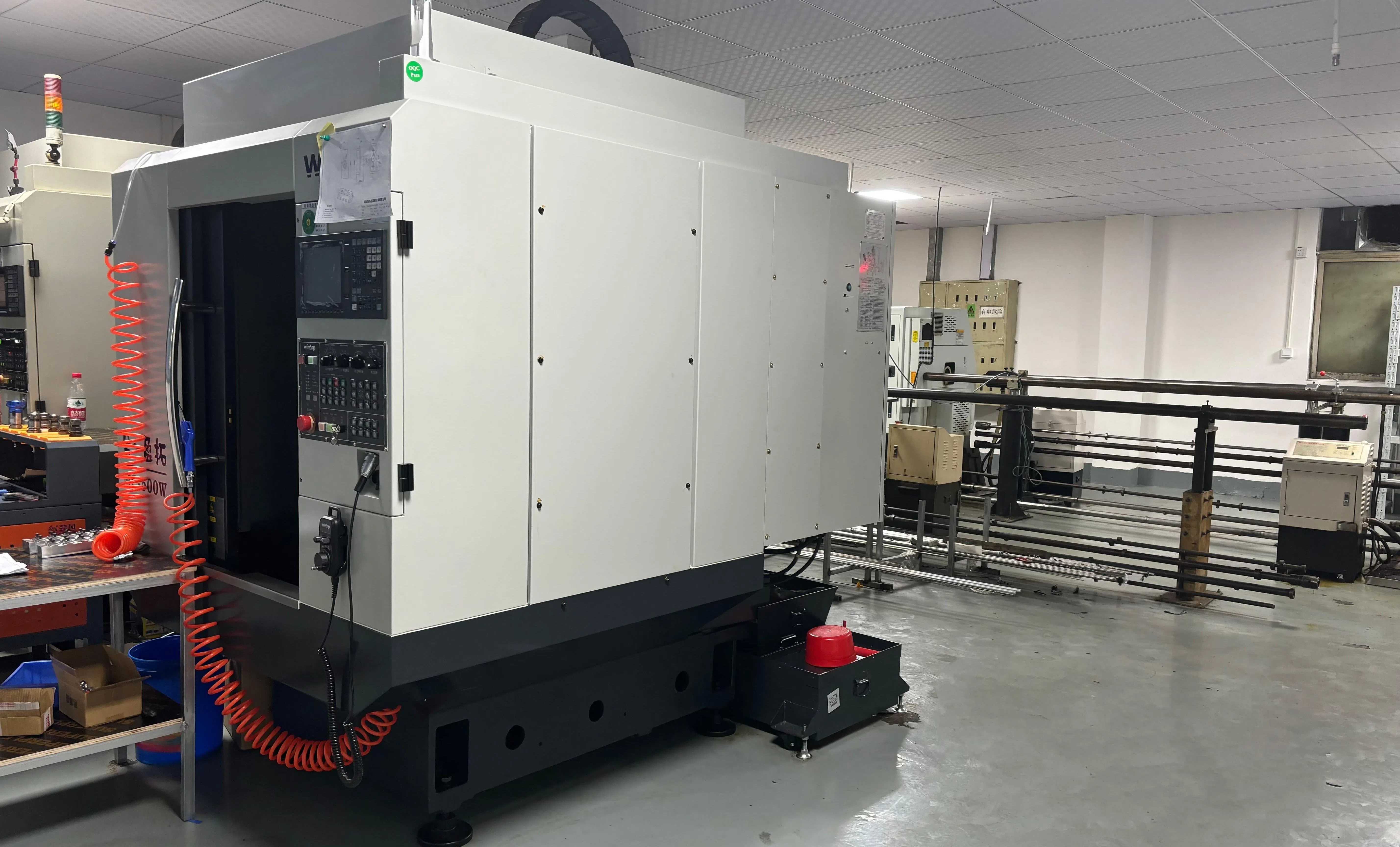
Common CNC machines include:
-
CNC mills
-
CNC lathes
-
CNC routers
-
CNC grinders
-
CNC plasma cutters
-
CNC EDM (Electrical Discharge Machines)
Each of these machines performs a unique function in the manufacturing process, but all share the common trait of being digitally controlled for high efficiency and accuracy.
How CNC Equipment Works
The operation of CNC equipment starts with a CAD model, which is then transformed into G-code—a numerical control programming language. This code acts as a set of instructions that tells the machine:
-
What tools to use
-
Where to move
-
How fast to operate
-
How deep to cut
The code is uploaded to the CNC machine, which uses servo motors, encoders, and other feedback mechanisms to guide its tool paths with exact precision.
Types of CNC Equipment
1. CNC Milling Machines
CNC mills use rotating cutting tools to remove material from a stationary workpiece. These machines are ideal for creating parts with complex geometries and high dimensional accuracy.
2. CNC Lathes
CNC lathes rotate the workpiece against a fixed cutting tool. These machines are perfect for symmetrical parts like shafts, bushings, and pins.
3. CNC Routers
Popular in woodworking and plastics, CNC routers operate similarly to mills but are typically used for softer materials and larger workpieces.
4. CNC Plasma Cutters
These machines use a high-powered plasma torch to cut through electrically conductive materials such as steel and aluminum.
5. CNC EDM Machines
EDM (Electrical Discharge Machining) removes material using electrical sparks, perfect for hard metals and intricate cavities.
6. CNC Grinding Machines
Used for achieving ultra-fine finishes and tight tolerances, these machines are essential in the tool-making and finishing stages.
Materials Compatible with CNC Equipment
CNC machines can work with a wide variety of materials, including:
-
Metals (aluminum, steel, brass, titanium)
-
Plastics (ABS, PEEK, polycarbonate)
-
Wood
-
Composites
-
Foam and wax (for prototyping)
This versatility makes CNC equipment indispensable across different manufacturing sectors.
Applications Across Industries
CNC equipment plays a vital role in numerous industries, including:
-
Aerospace: Precision parts for turbines, wings, and structural supports.
-
Automotive: Engine components, custom body parts, and interior elements.
-
Medical: Surgical instruments, prosthetics, and implants.
-
Electronics: Enclosures, connectors, and circuit boards.
-
Defense: Components for weapons systems and vehicles.
Each industry requires different tolerances and materials, but all benefit from the repeatability and quality that CNC equipment provides.
Advantages of CNC Equipment
1. Precision and Accuracy
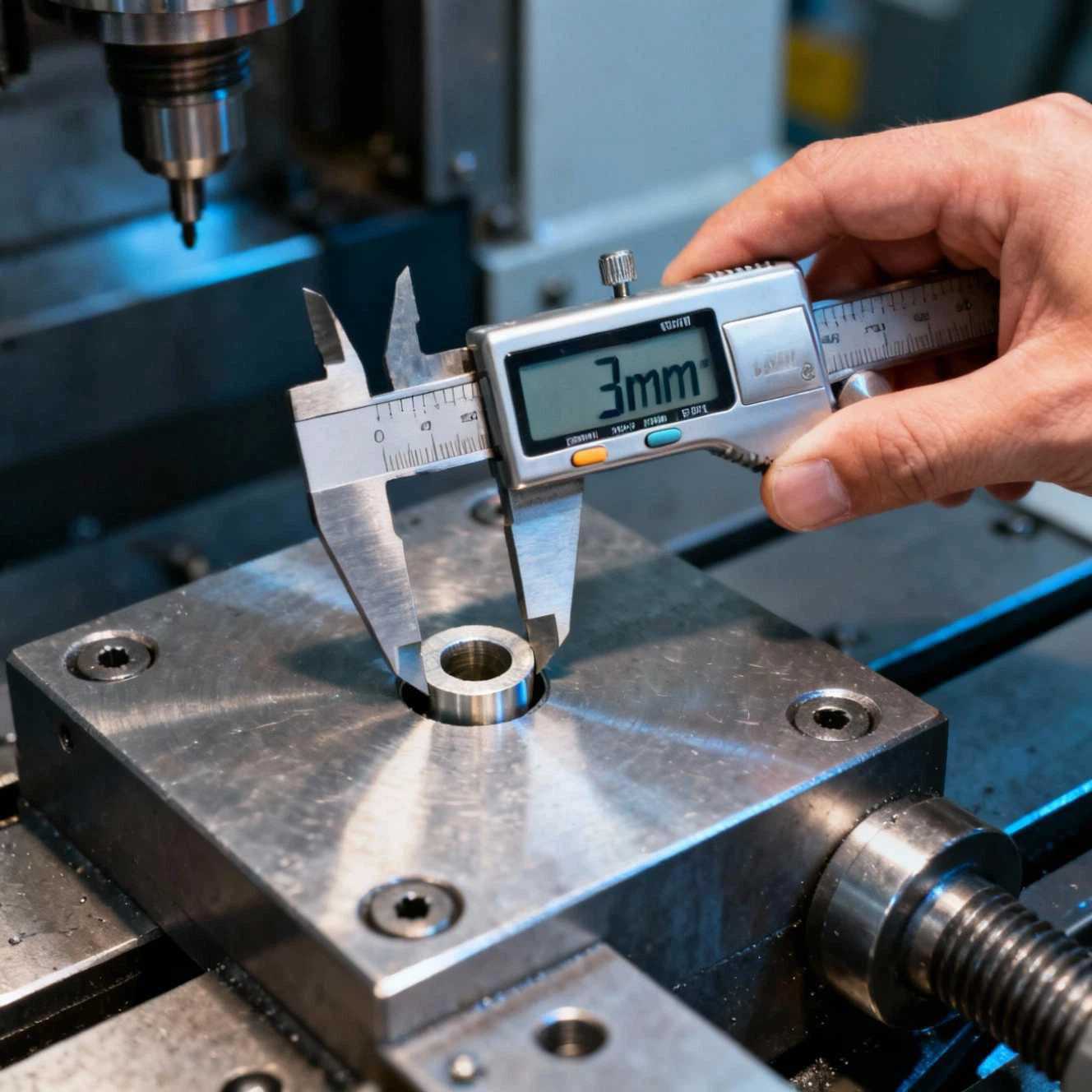
CNC machines can operate within tolerances of just a few microns, ensuring high-precision outcomes.
2. Repeatability
Once a program is written, it can be reused countless times, allowing for consistent batch production.
3. Efficiency
Automated operations reduce the need for manual labor and speed up production timelines.
4. Safety
CNC operations are generally safer than manual machining, as operators are not directly exposed to cutting tools.
5. Reduced Waste
By optimizing cutting paths and minimizing errors, CNC machines contribute to sustainable manufacturing practices.
Challenges and Limitations
Despite its benefits, CNC equipment comes with challenges:
-
High Initial Cost: Machines and software can be expensive.
-
Skilled Labor Requirement: Operators must be trained in CAD/CAM and G-code programming.
-
Maintenance: These machines require regular servicing to remain accurate.
CNC Equipment and Industry 4.0
As the world enters the era of Industry 4.0, CNC equipment is becoming smarter and more connected. Integration with IoT (Internet of Things), AI (Artificial Intelligence), and cloud computing allows for:
-
Predictive maintenance
-
Remote monitoring
-
Real-time data analytics
-
Automated toolpath adjustments
This smart manufacturing trend enhances productivity, minimizes downtime, and increases quality control.
Future Trends in CNC Equipment
The future of CNC technology includes:
-
Hybrid Machines: Combining additive and subtractive manufacturing (e.g., 3D printing with CNC).
-
Miniaturization: Development of compact CNC equipment for desktop manufacturing.
-
Green Manufacturing: Focus on energy efficiency and reduced emissions.
-
Advanced Materials: Capability to machine composites and ultra-hard materials like carbon fiber and ceramics.
What is CNC equipment? Learn about these precise and automated tools for manufacturing custom parts in industrial, automotive, and machinery applications. Discover how CNC enhances production and quality.
CNC equipment has evolved from a revolutionary concept to a cornerstone of modern manufacturing. Its ability to produce complex parts with incredible precision, speed, and consistency makes it essential in nearly every major industry. As technology continues to evolve, CNC equipment will remain at the forefront—driving innovation, improving production, and shaping the future of global manufacturing.
What Is Cnc Machining
What Is A Cnc