What Is Cnc Milling Used For
What Is Cnc Milling Used For
In modern manufacturing, CNC milling has become one of the core technologies for achieving high-precision part machining. For businesses and engineers seeking to understand what CNC milling is used for, it serves not only as an efficient machining method but also as a vital means of advancing customized production. This article will provide a detailed overview of CNC milling concepts and primary applications, while delving into the advantages and challenges of CNC custom parts to help you quickly grasp this critical manufacturing process.
Check what is CNC milling used for for perfect-fit CNC custom parts solutions.

CNC (Computer Numerical Control) milling is a machining method that uses computer programs to control the movement of machine tool cutting tools. Compared to traditional manual milling, CNC milling achieves higher precision and repeatability through automated programming.
Definition: CNC milling involves inputting machining parameters through a numerical control system, where the tool cuts raw material along a predefined path to produce the desired part geometry.
Advantages: High precision, automation, strong stability, and the ability to continuously process complex three-dimensional structures.
When addressing the question “What Is CNC Milling Used For?”, we find this technology is widely applied to process various materials including metals, plastics, and composites, enabling the entire workflow from roughing to finishing operations.
As market demands diversify, standardized parts can no longer meet the personalized needs of all enterprises. CNC custom parts have thus become an essential component of industrial production.
1. Definition
CNC custom parts refer to personalized components manufactured through CNC milling according to specific customer designs, dimensions, and functional requirements.
2. Advantages
Highly Customizable: CNC custom parts precisely match client drawings, enabling personalized designs.
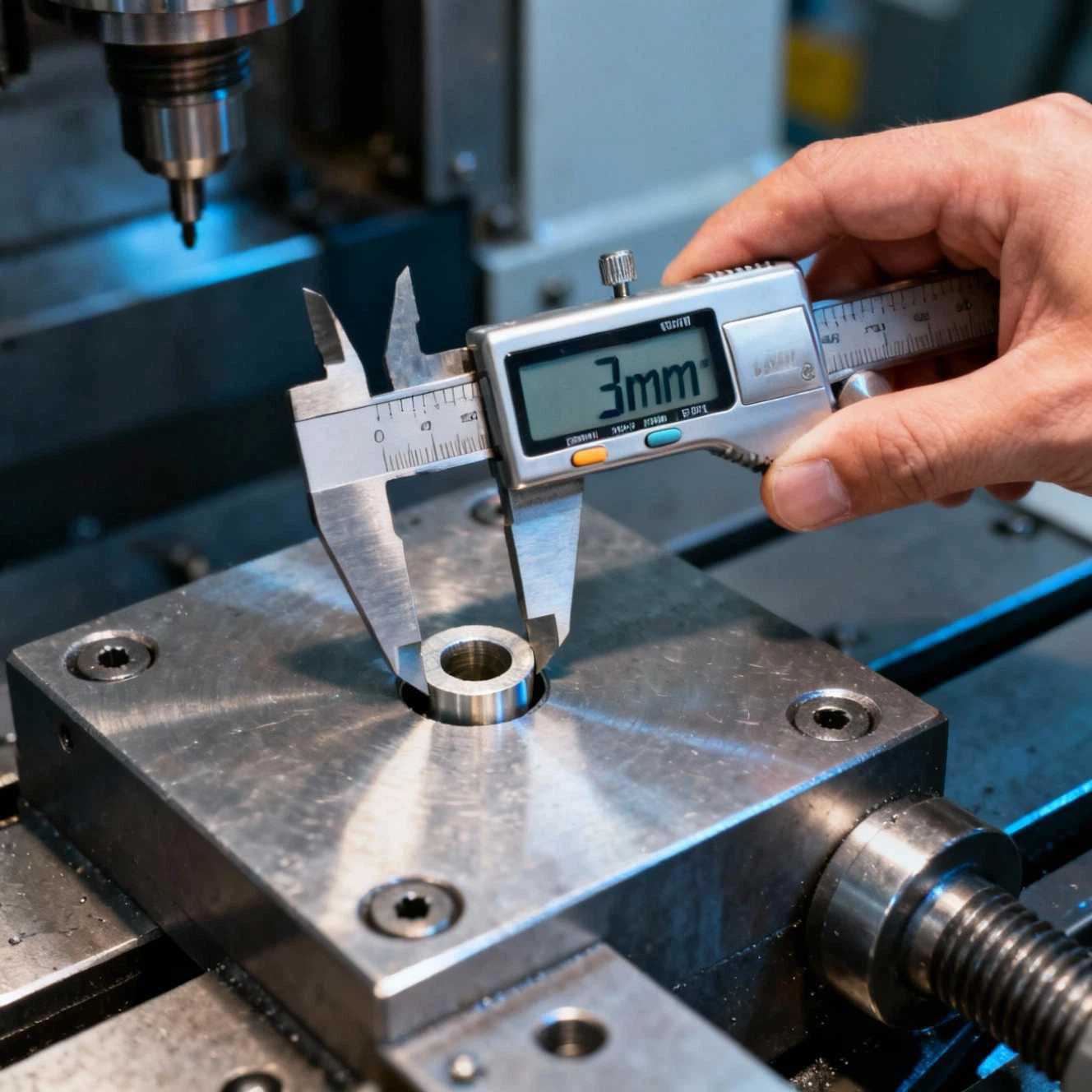
High Machining Precision: Consistent specifications across repeated production meet stringent standards.
Rapid Delivery: Short turnaround from design to finished product, ideal for prototyping and small-batch production.
Material Flexibility: Suitable for aluminum, stainless steel, plastics, and more, adapting to diverse applications.
3. Disadvantages
Relatively Higher Cost: Unit pricing for small-batch custom orders typically exceeds that of standard components.
Extended Setup Time: Requires programming and machine tool calibration.
High Equipment Demands: Demands precision machine tools and skilled operator expertise.
When enterprises require specialized production solutions, CNC custom parts offer indispensable flexibility and reliability.
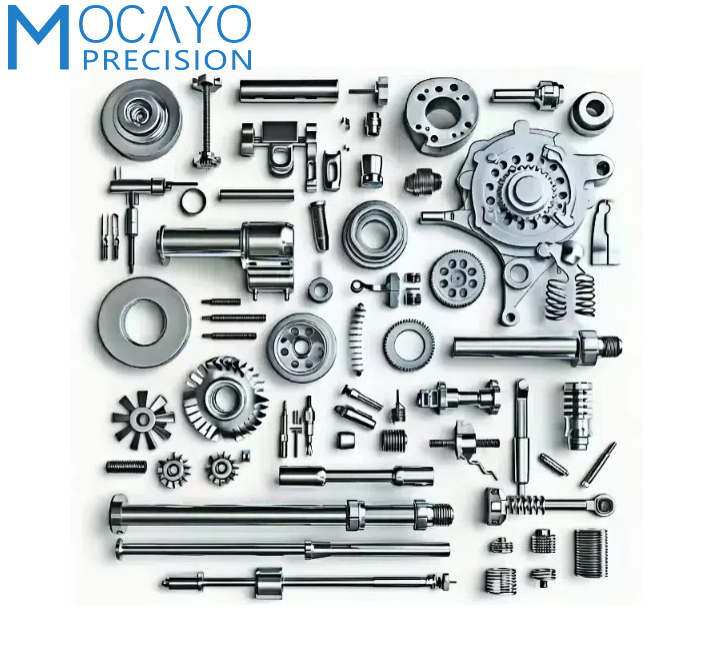
Primary Applications of CNC Milling
1. Industrial Manufacturing
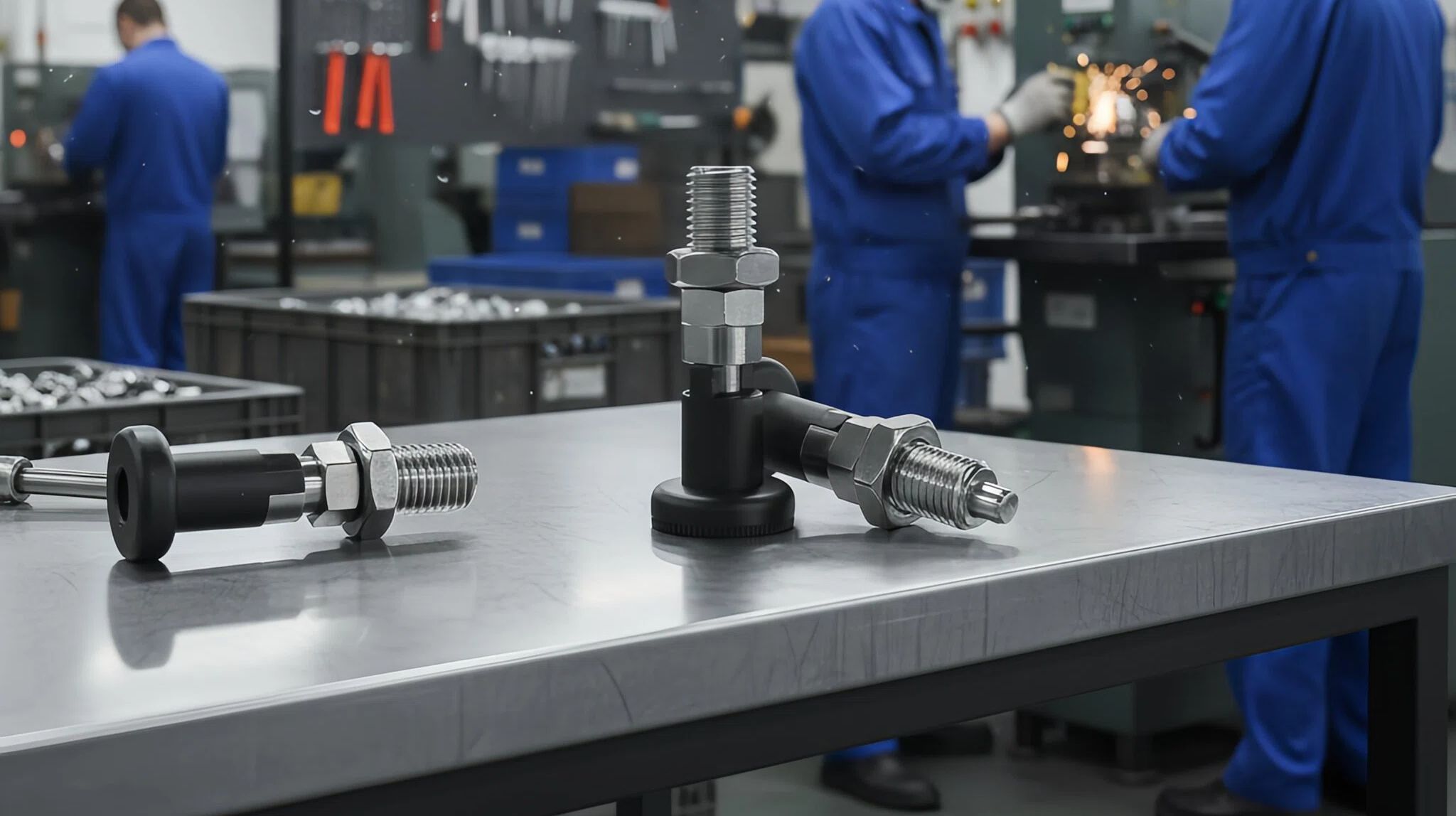
Machinery components, mold production, and automated assemblies represent key applications for CNC milling. Its high efficiency and precision deliver significant cost advantages for mass-producing industrial parts.
2. Electronics and Automotive Industries
For electronic enclosures requiring micron-level precision, CNC milling delivers flawless surface finishes. In automotive manufacturing, complex engine components and transmission structures are routinely produced via CNC milling.
3. Aerospace and Medical Devices
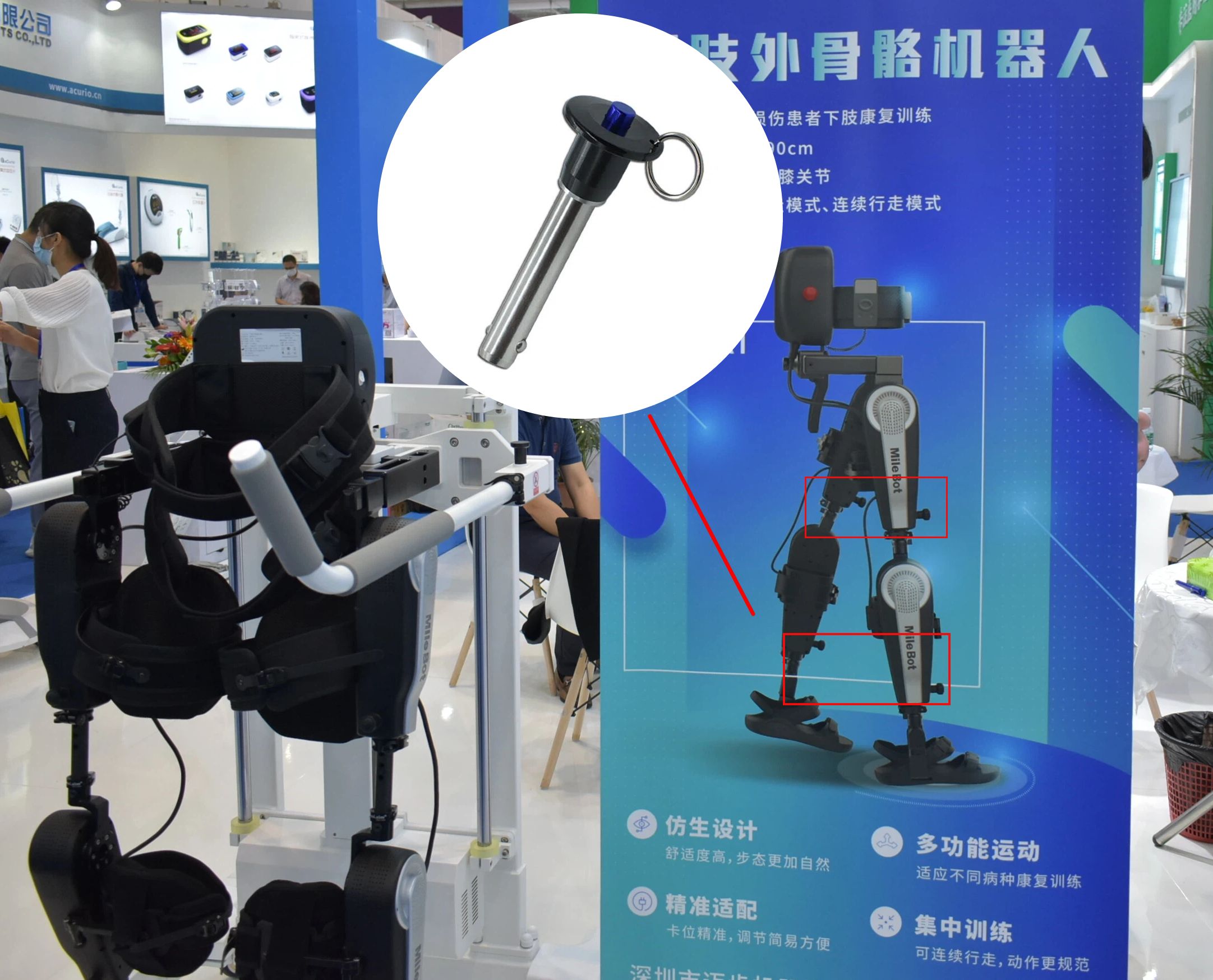
The aerospace sector demands extreme precision and strength in components. CNC milling effortlessly processes high-strength materials like titanium alloys and aluminum alloys. Medical devices, such as orthopedic implants, also rely heavily on CNC technology to ensure dimensional accuracy and surface finish.
These practical applications effectively answer the question “What Is CNC Milling Used For?” and demonstrate the irreplaceable role of CNC milling across diverse industries.
What Are Cnc Milling Machines Used For
What Is Steel