What Is Fasteners
What Is Fasteners? A Deep Dive Into the Backbone of Modern Assembly
Introduction: What Is Fasteners and Why It Matters
What is fasteners? It may seem like a simple question, but it opens the door to a world that underpins modern civilization. Fasteners are more than just nuts, bolts, and screws — they are essential components that make mechanical assemblies possible, from everyday household items to high-performance aerospace systems.
Without fasteners, entire industries would collapse, buildings would fall, and machines would cease to function. But despite their importance, fasteners often go unnoticed, hidden behind panels, beneath surfaces, or inside mechanisms. In this comprehensive article, we aim to unpack the mystery of fasteners — from their definition and historical background to their types, materials, and future in advanced technology.

The Basic Definition: What Is Fasteners in Simple Terms
To understand what is fasteners, we must start with the most fundamental definition: a fastener is a hardware device that mechanically joins or affixes two or more objects together. These joints may be permanent, semi-permanent, or temporary.
Unlike welding or adhesive bonding, fasteners often allow for disassembly and reassembly, making them ideal for situations where maintenance, transport, or flexibility is necessary. They are used in woodworking, construction, automotive, electronics, aerospace, and countless other applications.
At its core, asking "What is fasteners?" is really asking, “How do we hold the world together?”
A Brief History of Fasteners
Although the term “fastener” might sound modern, humans have used various fastening methods since ancient times. Wooden pegs held together early timber structures. The Egyptians used copper rivets to join metal and leather for chariots. But what we now call industrial fasteners truly emerged during the 18th and 19th centuries with the advent of precision machining and mass production.
The Industrial Revolution marked a turning point. The development of interchangeable parts gave rise to standardized fasteners, enabling quicker assembly lines and better maintenance protocols. Since then, fasteners have evolved in complexity, material, and function — yet their fundamental role remains the same.
Types of Fasteners: An Overview of Categories
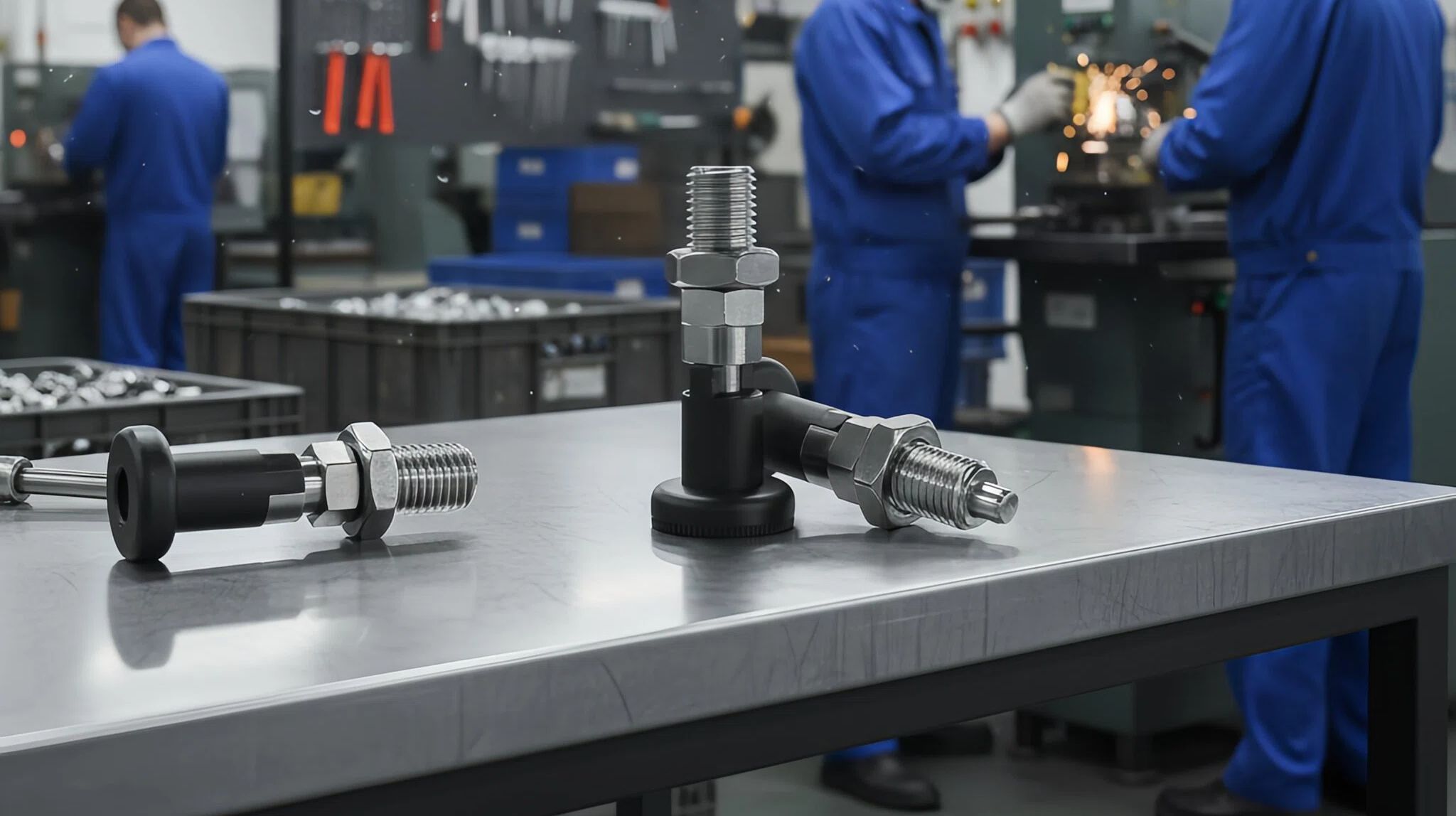
What is fasteners? It's not a singular answer. Fasteners come in many shapes and sizes, each serving a unique purpose. Let's explore some major categories:
1. Screws
Screws are among the most common fasteners. They have threaded shafts that grip the material as they are driven into it. They often do not require nuts.
Types include:
-
Wood screws
-
Machine screws
-
Self-tapping screws
-
Sheet metal screws
2. Bolts and Nuts
Bolts require a nut for securing. They are used in heavier applications and provide high tensile strength.
Examples:
-
Hex bolts
-
Carriage bolts
-
Flange bolts
3. Washers
Washers are used to distribute the load of the fastener and prevent wear or damage to the surface.
Types:
-
Flat washers
-
Spring washers
-
Lock washers
4. Rivets
These are permanent fasteners that are deformed after insertion to hold components together. They’re popular in aviation and metalwork.
5. Anchors
Anchors expand inside a material (like drywall or concrete) to hold fasteners in place. They’re vital for structural mounting.
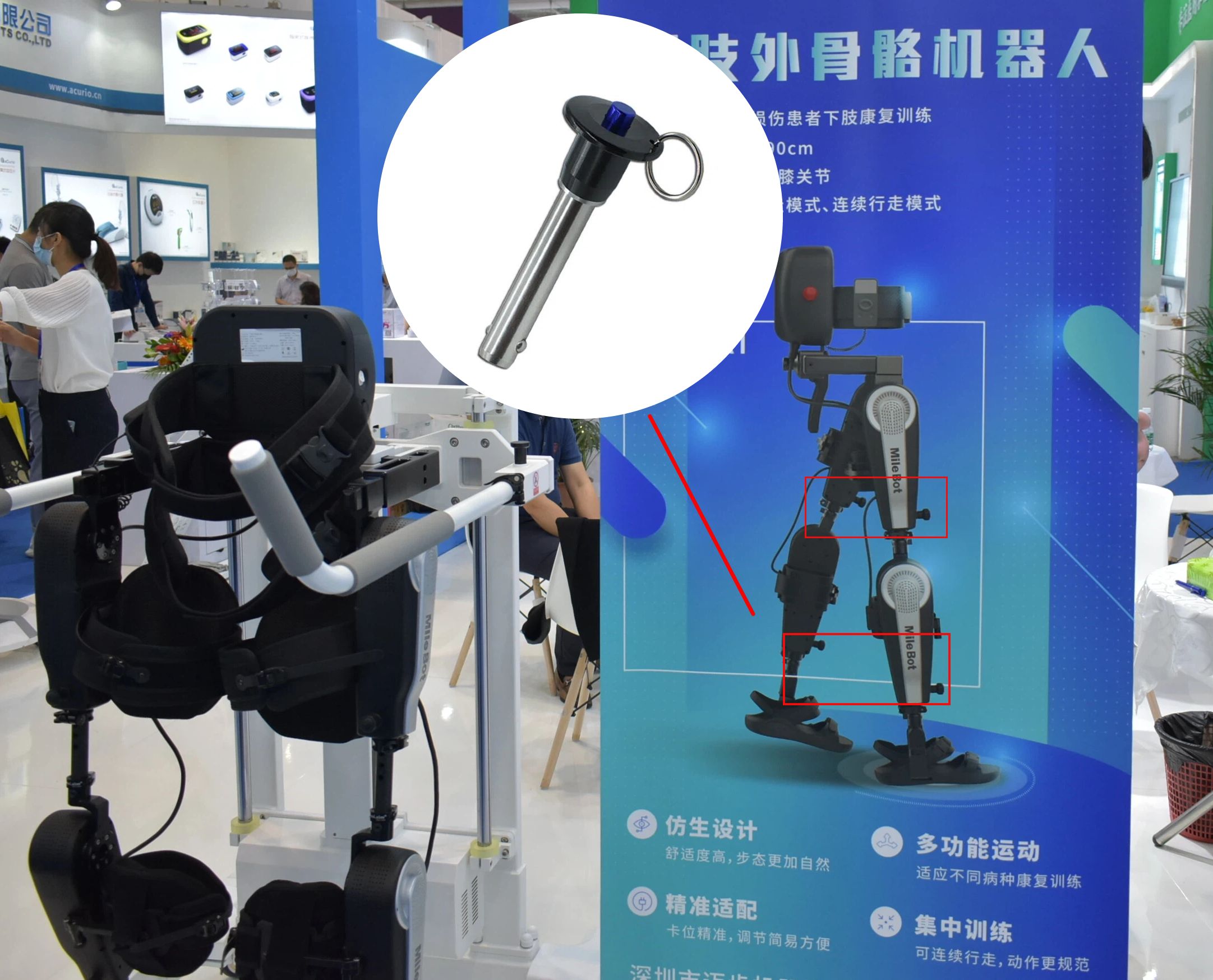
6. Clips, Clamps, and Pins
Specialized fasteners like cotter pins, retaining rings, or spring clips serve unique functions in machinery and tools.
Understanding these categories deepens our grasp of the question: what is fasteners?
Material Matters: What Fasteners Are Made From
What is fasteners in terms of material composition? The answer depends on application, cost, and environmental conditions.
1. Carbon Steel
The most widely used material in fastener manufacturing. It offers strength and affordability for general use.
2. Stainless Steel
Corrosion-resistant and aesthetically pleasing, stainless steel fasteners are ideal for outdoor, marine, or food-grade applications.
3. Brass and Bronze
These materials resist rust and offer excellent electrical conductivity, making them suitable for electronics and decorative uses.
4. Aluminum
Lightweight and corrosion-resistant, aluminum fasteners are favored in automotive and aerospace for weight reduction.
5. Titanium and Exotic Alloys
Used in critical aerospace or medical environments, these materials offer unmatched strength-to-weight ratios and corrosion resistance — but at a premium price.
Applications: Where Are Fasteners Used?
What is fasteners used for? Everywhere.
1. Construction
From residential housing to skyscrapers and bridges, fasteners hold beams, trusses, and joints in place. Structural bolts and concrete anchors are vital.
2. Automotive Industry
Cars contain thousands of fasteners — holding engine components, body panels, electrical systems, and more.
3. Aerospace
High-grade fasteners withstand extreme pressure, temperature, and vibration while keeping aircraft safe and airworthy.
4. Electronics
Tiny screws, clips, and soldered fasteners hold together mobile phones, laptops, and appliances.
5. Home and DIY Projects
Furniture, shelves, wall mounts, and even kitchen cabinets all rely on fasteners. Screws and bolts are household staples.
Wherever you look, asking “what is fasteners” reveals they are absolutely everywhere.
How to Select the Right Fastener
Choosing the right fastener can make or break an application — literally. Here’s a breakdown of selection criteria:
-
Material Compatibility: Galvanic corrosion can occur between dissimilar metals.
-
Strength Requirements: Tensile, shear, and yield strength must be matched to the load.
-
Environmental Conditions: Humidity, saltwater, temperature extremes can degrade certain materials.
-
Ease of Assembly: Reusable vs. permanent fasteners, tool compatibility, and operator skill are all factors.
-
Aesthetics: Especially important in decorative or visible applications.
When answering what is fasteners in a practical sense, these variables are essential.
Fasteners and Engineering Standards
To ensure safety, reliability, and interoperability, fasteners are governed by various global standards.
Some examples include:
-
ISO (International Organization for Standardization)
-
DIN (German Institute for Standardization)
-
ANSI/ASME (American National Standards Institute)
-
JIS (Japanese Industrial Standards)
Understanding and following these ensures that fasteners meet performance and compatibility benchmarks — especially in safety-critical environments.
Challenges in Fastener Design and Use
Despite their simplicity, fasteners present engineering challenges.
-
Loosening under vibration
-
Corrosion and fatigue failure
-
Over-torquing or stripping threads
-
Difficulty in inspection or maintenance
Modern industries invest in R&D to solve these issues through better coatings, locking mechanisms, and smarter designs.
Future Trends: The Evolution of Fasteners
As technology evolves, so does the definition of what is fasteners.
1. Smart Fasteners
With embedded sensors, these advanced fasteners monitor load, strain, and environmental conditions in real-time.
2. 3D Printed Fasteners
Additive manufacturing allows for rapid prototyping of custom fasteners that reduce weight and simplify assembly.
3. Sustainable Fasteners
New materials and designs prioritize recyclability and environmental impact.
The future of fasteners is not only functional but also digital, sustainable, and increasingly intelligent.
What Is Fasteners — The Unsung Heroes of Industry
So, what is fasteners?
They are more than mechanical connectors. They are the silent guardians of structural integrity, the enablers of innovation, and the key to maintaining the functionality of everything from the smallest device to the largest structure. The next time you see a building, a car, or even a piece of furniture, remember that it’s the fasteners working behind the scenes that hold it all together.
To truly understand the modern world, you must first understand what is fasteners — the small components with a massive impact.
What is fasteners? Learn about their types, uses, and applications in industrial, automotive, and machinery fields. Discover how fasteners ensure secure and durable connections for efficient operations.
What Type of Fastener is Suitable For Use In Wallboard
How To Remove Corrosion From Metal