What Is High Carbon Steel - Selection of Carbon Steel for Indexing Plungers
What Is High Carbon Steel — Selection of Carbon Steel for Indexing Plungers
In the field of precision machinery manufacturing, indexing plungers play a critical role as positioning components. Their material selection directly affects the positioning accuracy and durability of the equipment. Due to its outstanding mechanical properties, high carbon steel has become a preferred choice in the production of indexing plungers. This article will repeatedly explore what is high carbon steel, and how this material is used and selected in practical indexing plunger applications, especially by Mocayo.
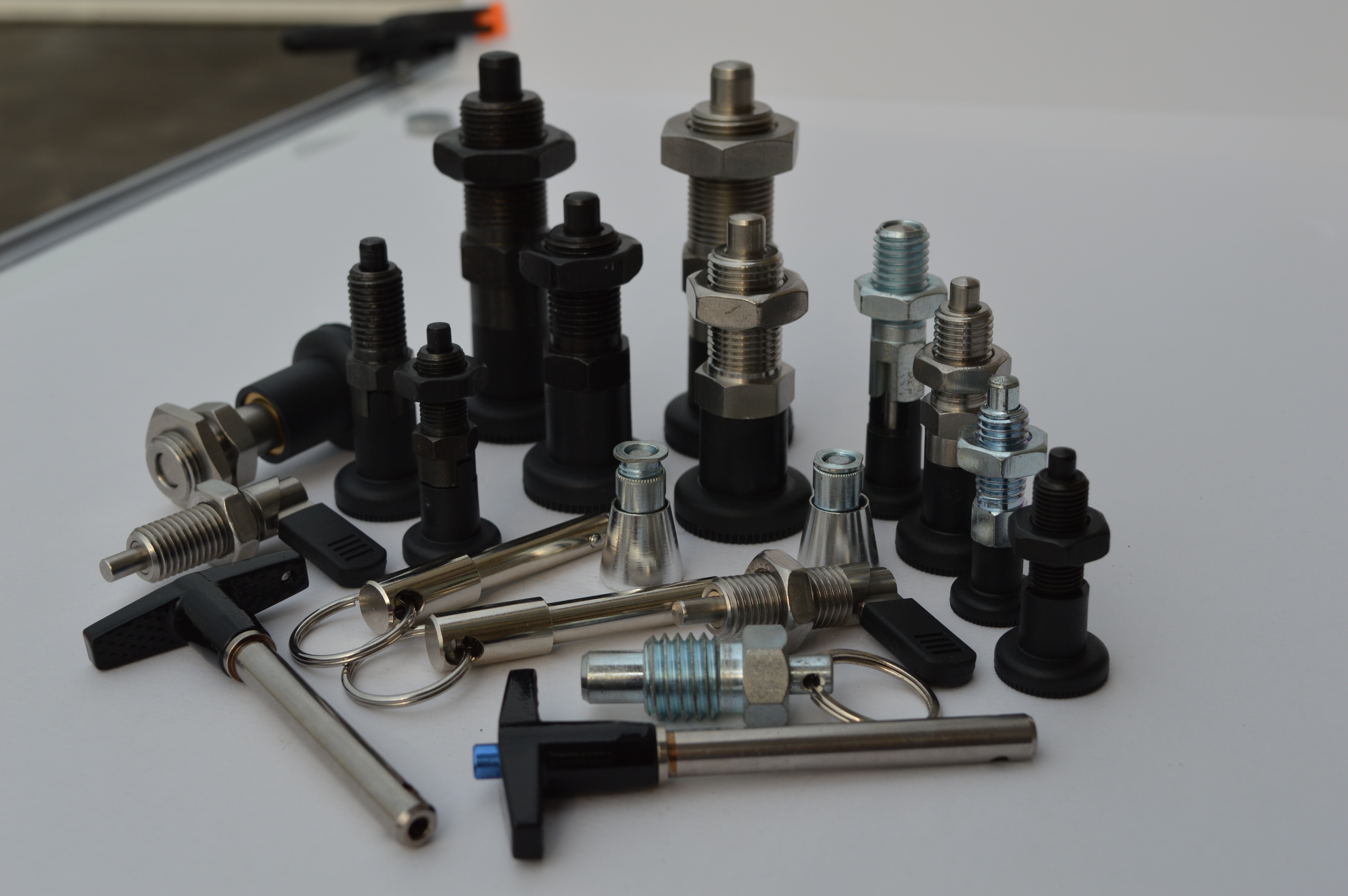
1. What Is High Carbon Steel – Key Mechanical Properties
To understand what is high carbon steel, we first define it as steel with a carbon content between 0.6% and 1.4%. This type of steel is well-known for its ability to achieve very high hardness and wear resistance after appropriate heat treatment. From a microstructural perspective, high carbon steel contains pearlite and cementite, which contribute to the following advantages:
-
Hardness: After quenching, high carbon steel can reach a hardness of HRC60–65, which is significantly higher than that of medium carbon steels.
-
Wear Resistance: Laboratory studies show that GCr15 high carbon steel offers 5 to 8 times the wear resistance of 45# carbon steel.
-
Cost Performance: Compared with alloy tool steel, it lowers material cost by 30%–50%.
When considering what is high carbon steel suitable for indexing plungers, commonly used grades include:
-
✓ GCr15 bearing steel (carbon content: 0.95%–1.05%)
-
✓ T10A carbon tool steel (carbon content: approx. 1.0%)
-
✓ SUJ2 high carbon chromium bearing steel (according to Japanese standard)
2. Key Factors in Selecting High Carbon Steel for Indexing Plungers
When selecting carbon steel for indexing plungers, especially when asking what is high carbon steel in context-specific applications, several performance factors must be evaluated:
Load Conditions
-
Static Load: GCr15 is recommended for stable conditions.
-
Dynamic Load: T10A with enhanced thermal processing is preferred.
-
Impact Load: Requires materials with improved toughness treatment.
Working Environment
-
Standard Environment: Regular quenching is sufficient.
-
Humid Environment: Hard chrome plating is recommended (coating thickness: 0.02mm).
-
High-Temperature: Requires specific tempering processes.
Precision Requirements
-
Standard Precision: IT7
-
High Precision: IT5 (with precision grinding)
-
Ultra Precision: IT3 (with special heat treatment + grinding)
According to Mocayo’s material selection matrix, in medium-load, dry environments, GCr15 high carbon steel indexing plungers provide the best cost-performance ratio. Again, understanding what is high carbon steel and matching it to practical load conditions is essential for optimal indexing plunger performance.
3. Mocayo’s Indexing Plunger Solutions Using High Carbon Steel
With years of technical expertise, Mocayo has developed a comprehensive product line of indexing plungers made from high carbon steel.
Standard Product Line
-
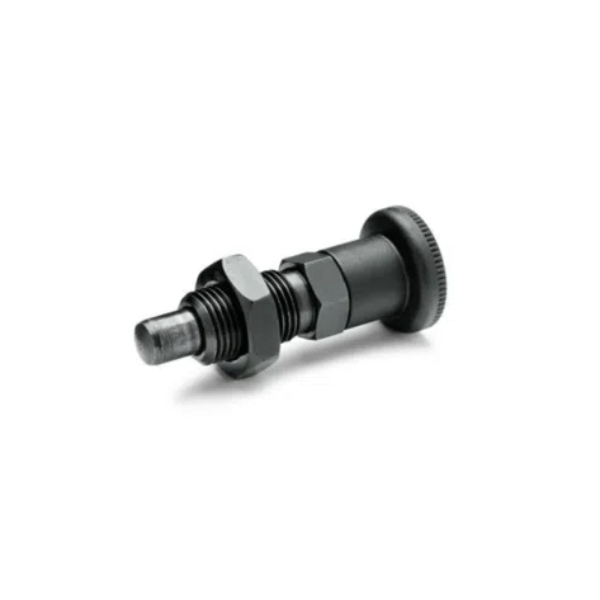
MS3170-ST Precision Indexing Plunger
-
Hardness: HRC62±1
-
Tolerance: ±0.005mm
-
Surface Finish: Superfine grinding (Ra0.2μm)
-
-
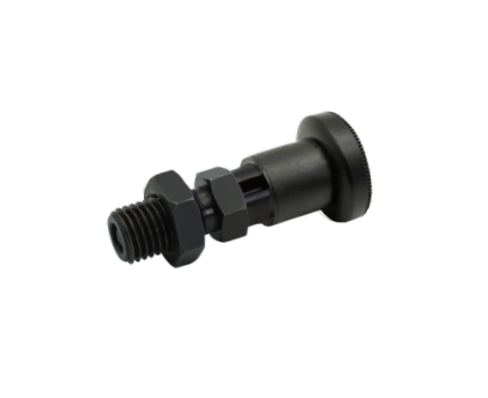
MS3171-ST Heavy-Duty Indexing Plunger
-
Compressive Strength: 1500MPa
-
Dynamic Load: 5 tons
-
Special Process: Vacuum heat treatment
-
Enhanced Performance Products
-
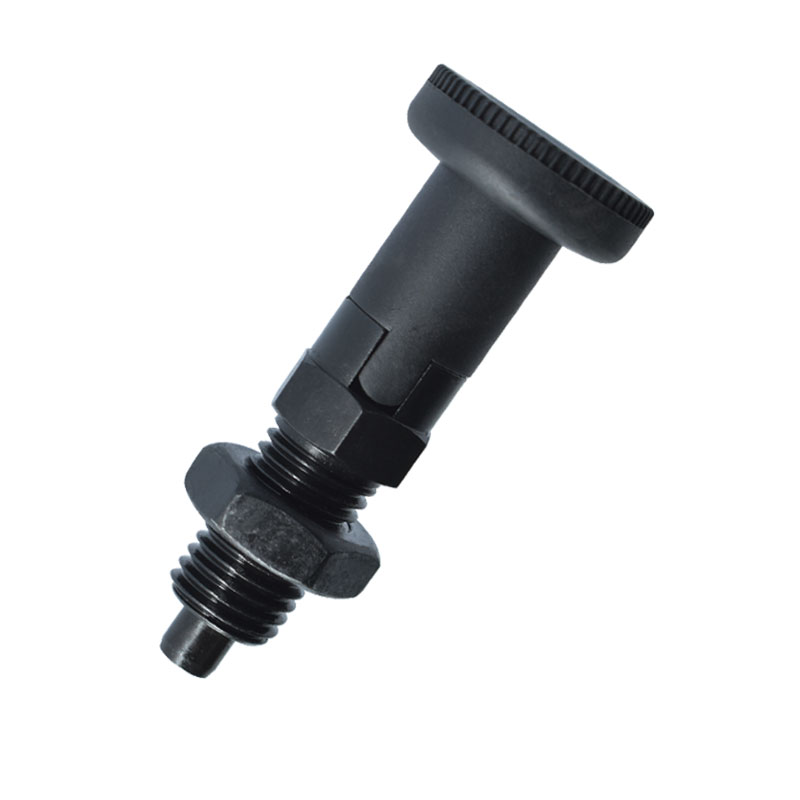
MS1171-ST
-
Salt Spray Resistance: 500 hours
-
Coating Thickness: 0.02mm
-
Coefficient of Friction: <0.15
-
-
MS1120-ST
-
Case Hardening Depth: 0.2mm
-
Surface Hardness: HV1100
-
Excellent anti-galling performance
-
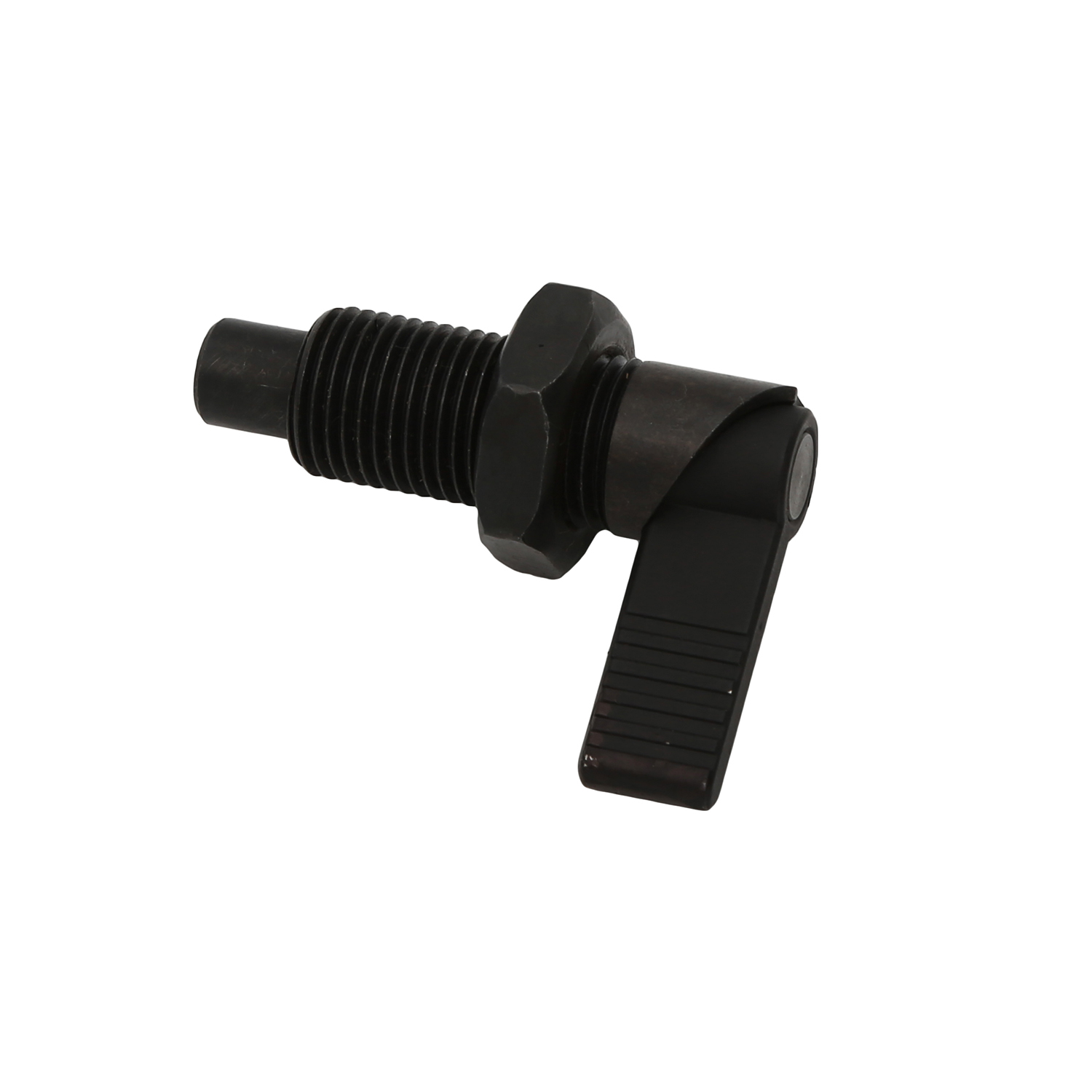
Customization Services
-
Diameter range: Ø3–Ø50mm
-
Custom heat treatment options
-
Special coating processes
-
Rapid prototyping: 5–7 working days
One automotive mold manufacturer applied our MS1170 indexing plungers and successfully extended their mold maintenance interval from one month to six months, reducing annual maintenance costs by over ¥500,000. This is a practical demonstration of the benefits of understanding what is high carbon steel and how to utilize it effectively.
4. Professional Usage and Maintenance Guidelines
To maximize the performance of high carbon steel indexing plungers, we recommend the following practices:
Installation Tips
-
Use dedicated press-fitting tools
-
Control pressing speed below 5mm/s
-
Ensure mating surfaces are clean
Maintenance Strategy
-
Check fit clearance every 500 hours
-
Apply designated lubricants
-
Establish wear alert systems
With a clear understanding of what is high carbon steel and proper maintenance, indexing plungers can deliver:
-
✓ 30% higher positioning accuracy
-
✓ 40% lower maintenance costs
-
✓ 25% greater equipment efficiency
What Is High Carbon Steel ?High carbon steel (0.6%-1.5% carbon) ensures durability for indexing plungers, ideal for precision industrial applications. Discover wear-resistant solutions today!
How Does Cnc Work-The Precise Positioning Solution of Ball Spring Plunger
How Does A Cnc Machine Work-The Application of Indexing Plungers and Spring Plungers in CNC