What is The Price of Steel
Understanding What Is The Price of Steel and the Mechanism Behind Steel Pricing
Steel, a cornerstone of modern industry, has a highly specialized pricing system. To understand what is the price of steel, one must first grasp its classification: carbon steel (over 60% of the market), alloy steel (e.g., chromium-molybdenum), and stainless steel (such as 304/316 grades). Steel is generally traded on a per-ton basis, though certain special types are priced per kilogram or per linear meter. In China, steel pricing mainly follows the Mysteel Index, while international markets use the CRU Index as the standard reference.
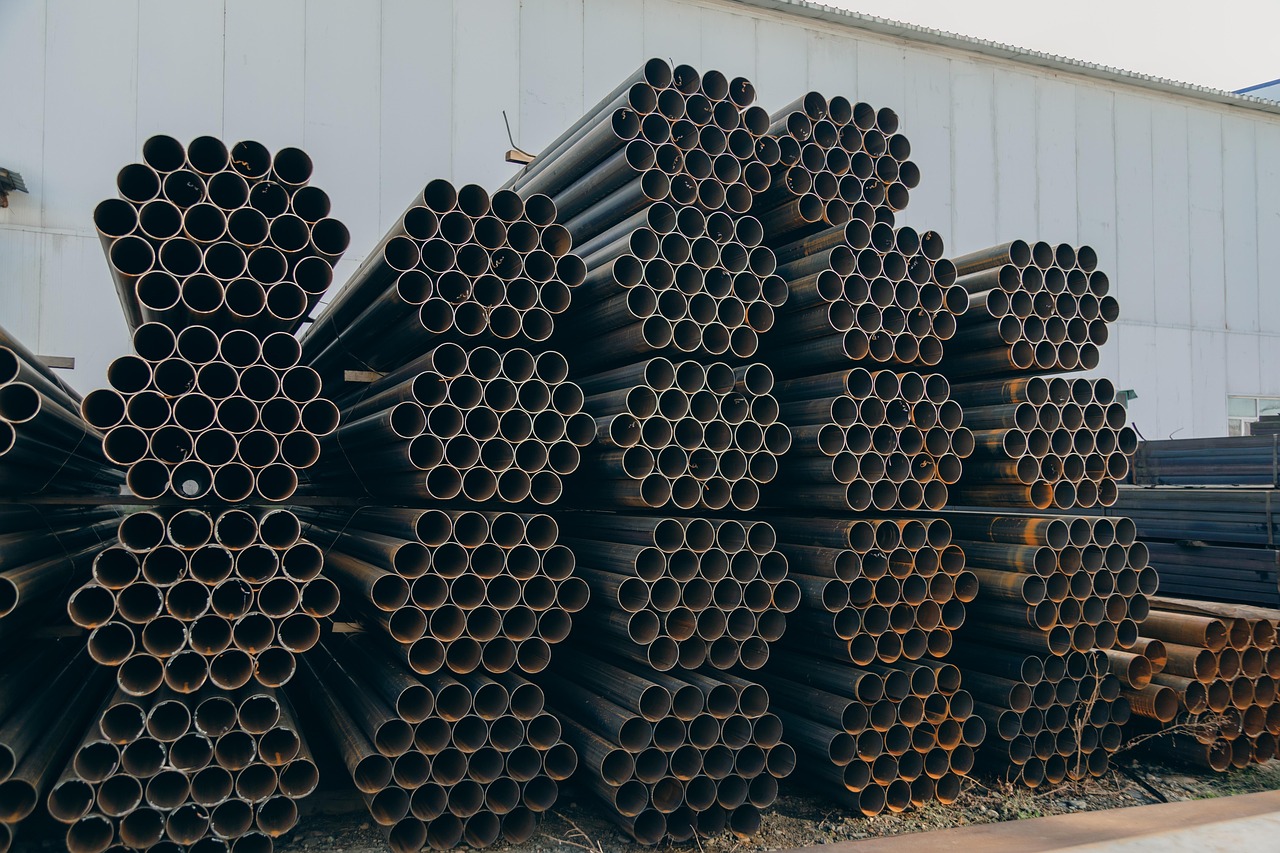
The pricing model of steel follows a fundamental "cost plus margin" structure. Raw material costs—including iron ore and scrap steel—make up about 60% of the total. Manufacturing costs, such as smelting and rolling, account for 30%, and the remaining 10% goes to logistics and trade margins. For instance, in December 2023, the price difference between standard Q235B hot-rolled coil and 304 stainless steel exceeded 3,000 RMB/ton. Understanding what is the price of steel begins with decoding these basic cost components—an essential step in developing sound purchasing strategies.
Key Drivers Behind Steel Price Fluctuations
To accurately answer what is the price of steel, it's vital to analyze the four major influencing factors:
1. Raw Material Market Volatility:
Iron ore alone accounts for nearly 40% of steel production costs, with pricing guided by the Platts Index. In 2023, fluctuations between $90–$120 per ton led to cost shifts of up to 300 RMB/ton. Scrap steel, crucial in electric arc furnace (EAF) processes, also shows considerable volatility.
2. Production Process Variations:
The integrated process (blast furnace–converter) costs around 500 RMB per ton, while EAF methods may exceed 800–1,000 RMB per ton, especially during electricity price spikes. Environmental upgrades for ultra-low emissions can add another 50–80 RMB per ton.
3. Supply and Demand Dynamics:
Over 50% of steel demand comes from the construction sector, which shows seasonal variability. Price trends often correlate with inventory cycles—if nationwide stock rises over 5% for three consecutive weeks, downward pressure on prices typically follows.
4. Policy and Regulation:
Changes in export tax rebates or environmental restrictions can cause regional and temporary price shifts. For example, during winter production cuts in Northern China, steel prices in that region tend to be 100–150 RMB/ton higher than in Eastern China.
Wondering what is the price of steel? Explore current steel pricing trends, market factors, and cost comparisons for different steel types in this guide.
2023 Market Review: What Is The Price of Steel Across Regions and Grades?
Here’s an overview of prevailing steel prices:
-
Rebar (HRB400E 20mm): 3,800–4,200 RMB/ton
-
Hot-Rolled Coil (Q235B 4.75mm): 4,000–4,400 RMB/ton
-
Cold-Rolled Coil (SPCC 1.0mm): 4,500–4,900 RMB/ton
-
304 Stainless Cold-Rolled (2mm): 15,500–16,500 RMB/ton
Regional Price Differences:
Eastern China, being the consumption hub, typically shows a 50–100 RMB/ton premium over Northern China. Southern China sees an additional 30–50 RMB due to higher logistics costs, while oversupply in the Western region pushes prices down by 100–150 RMB/ton.
Global Competition and Imports:
Southeast Asian hot-rolled coil imports are currently priced at about $530/ton (tax included), aligning closely with domestic rates. However, high-performance steel products—like advanced automotive sheets—still rely on imports, often commanding a 20–30% premium.
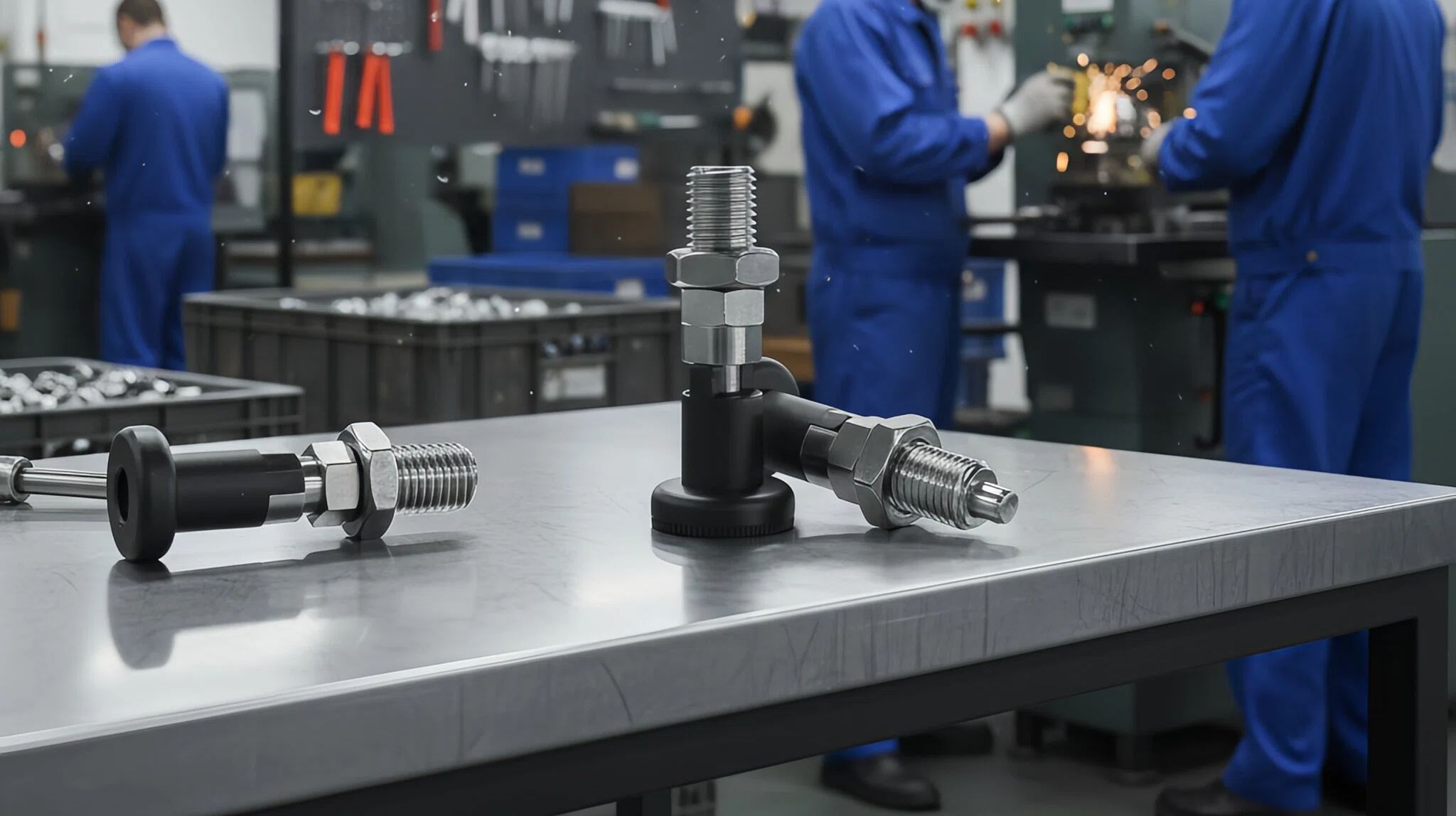
Indexing Plunger Applications in the Steel Industry
Mocayo's Indexing Plunger products are ideal for precise positioning in industrial steel processing equipment. For example:
-
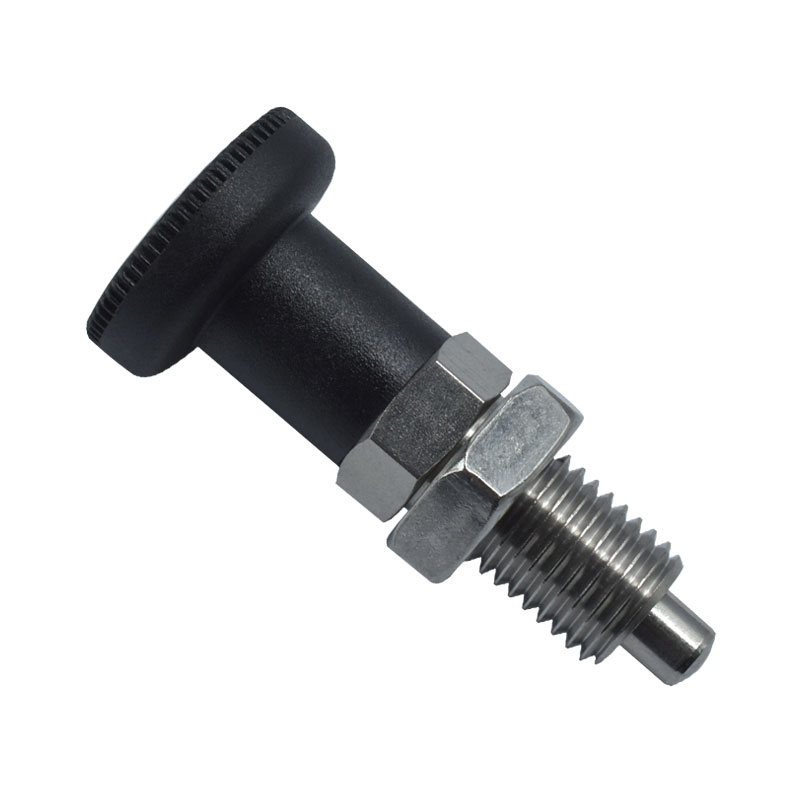
MS1170 Indexing Plunger: Offers customizable options to meet specific load, size, and finish requirements.
-
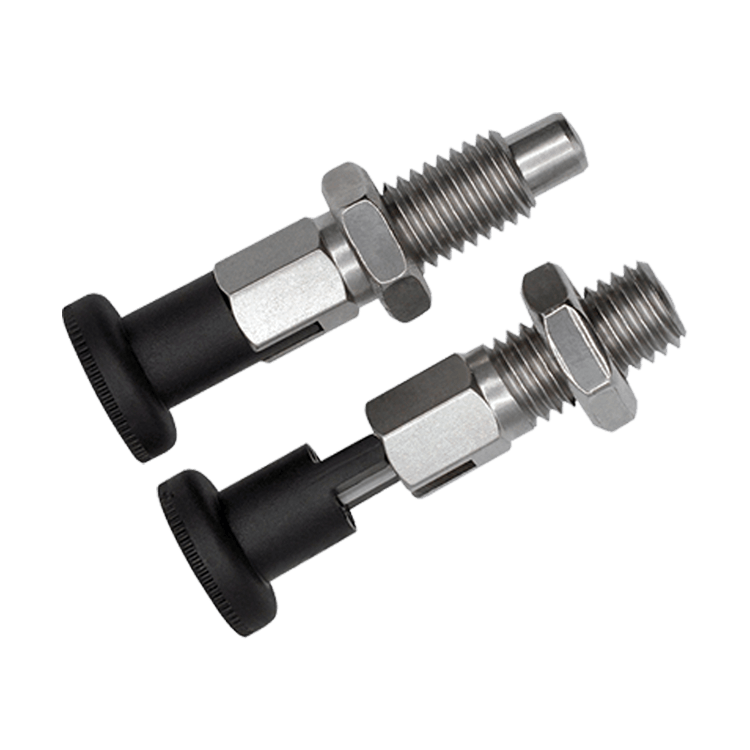
MS2171 Indexing Plunger: Manufactured under ISO 9001 standards, ensuring quality assurance through every production phase.
If you're involved in machinery, tooling, or assembly lines where steel components are critical, using high-quality Indexing Plungers can significantly improve reliability and accuracy.
Navigating What Is The Price of Steel
Understanding what is the price of steel requires a multi-dimensional view—combining raw material tracking, production methods, market trends, and policy impacts. Whether you're sourcing basic carbon steel or specialized stainless alloys, staying informed enables better decision-making.
For industries that rely on both steel materials and precision fastening components like Indexing Plungers, selecting the right supplier is crucial. Contact Mocayo today for expert advice, sample support, and tailored solutions in both steel-based components and magnetic positioning systems.
How Do You Cut Stainless Steel-Mocayo Ball Lock Pin
What Metals Are Magnetic