What Is Zinc Casting
What Is Zinc Casting
In modern manufacturing, metal casting techniques continue to play a vital role. Whether it be automotive components, electronic casings, or even commonplace hardware items in daily life, none can be produced without reliable casting technology. With the ever-increasing demand for high precision and quality, zinc casting has gradually entered the public eye. Many enterprises search for ‘What Is Zinc Casting?’ seeking to understand the definition, advantages, and applications of this process.
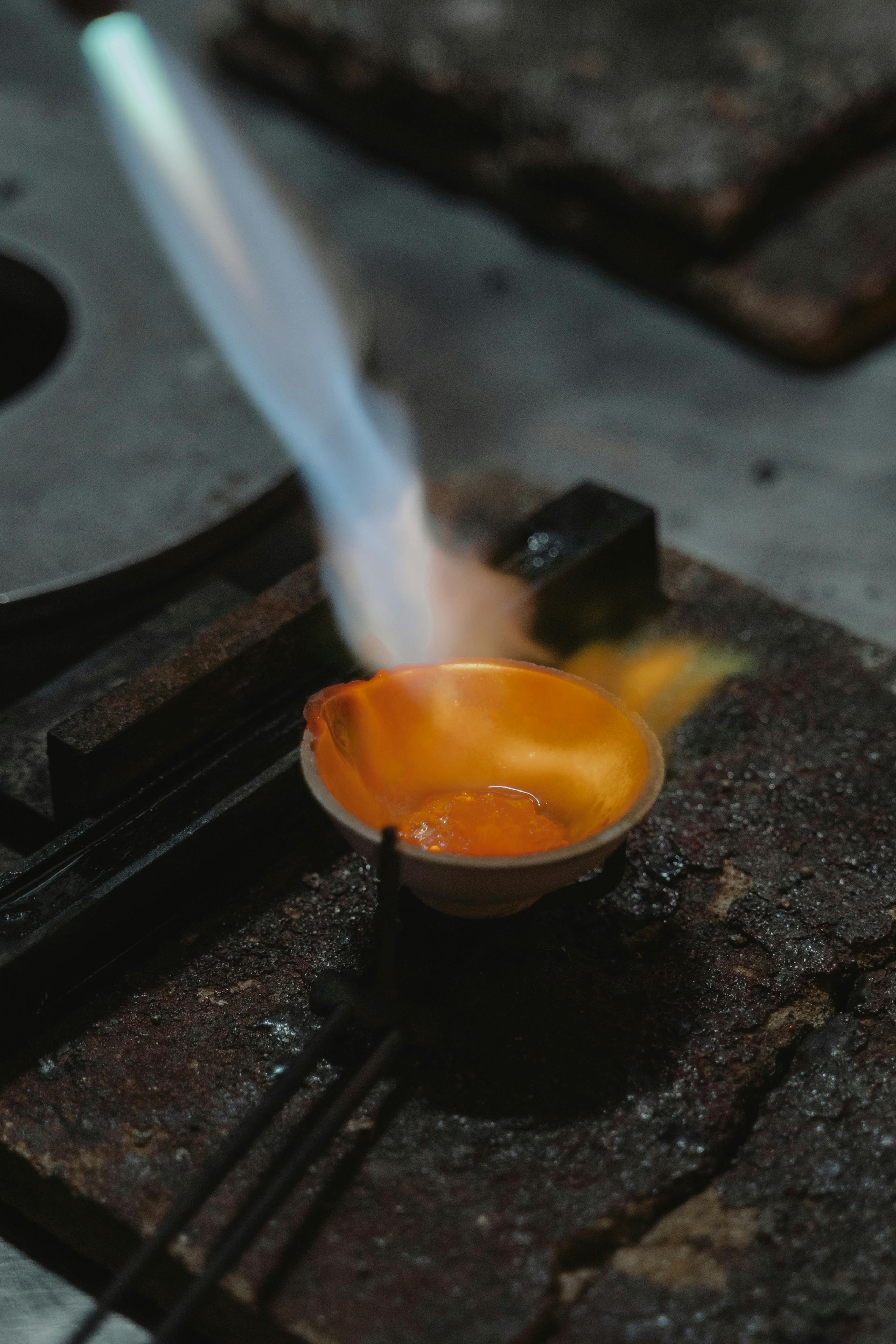
What Is Zinc Casting?
What Is Zinc Casting?
Simply put, zinc casting involves utilising zinc as the primary material, shaping it through various casting techniques. Zinc itself possesses characteristics such as a low melting point, excellent fluidity, and stable mechanical properties, making it highly suitable for producing components with precise dimensions and intricate details. Common techniques primarily include die casting and gravity casting.
- Die Casting: Molten zinc is injected into a mould under high pressure and rapidly cooled to form the casting. This method yields products with high precision and excellent surface finish.
- Gravity Casting: Liquid metal flows naturally into the mould under gravity to form the casting. This process is suitable for producing larger components or those with uniform wall thickness.
Regardless of the chosen process, subsequent surface treatment is often required to further enhance the part's performance and appearance.
Characteristics of Zinc as a Casting Material
Among all metals, zinc is widely favoured for its unique physical and chemical properties. With a melting point of approximately 419°C, this relatively low temperature translates to reduced energy consumption and enhanced processing efficiency. Concurrently, zinc products exhibit excellent wear resistance and stability, demonstrating minimal deformation during prolonged use.
Moreover, zinc castings exhibit a fine surface finish. Through appropriate surface treatments—such as electroplating, spraying, or polishing—they can achieve superior corrosion resistance and aesthetic appeal. This explains why zinc casting is favoured for the casings and decorative components of many high-end electronic products.
Among all metals, zinc is widely favoured for its unique physical and chemical properties. With a melting point of approximately 419°C, this relatively low temperature translates to reduced energy consumption and enhanced processing efficiency. Concurrently, zinc products exhibit excellent wear resistance and stability, demonstrating minimal deformation during prolonged use.
Moreover, zinc castings exhibit a fine surface finish. Through appropriate surface treatments—such as electroplating, spraying, or polishing—they can achieve superior corrosion resistance and aesthetic appeal. This explains why zinc casting is favoured for the casings and decorative components of many high-end electronic products.
Advantages of Zinc Casting
Why are an increasing number of enterprises focusing on What Is Zinc Casting? The reason lies in its several significant advantages:
- High Forming Precision
The die-casting process enables the realisation of complex shapes and minute details, reducing the need for subsequent machining.
- Low Mass Production Costs
Once the mould is designed, rapid mass production can be achieved, significantly lowering the unit cost.
- Exceptional Durability
With appropriate surface treatment, zinc castings resist environmental factors such as humidity and oxidation, delivering outstanding longevity.
- Superior Aesthetic Finish
Cast zinc products feature smooth surfaces that, when machined, meet diverse decorative requirements across various markets.
Although zinc casting offers high precision moulding results, its durability and aesthetic appeal may be significantly compromised without appropriate surface treatment. Common processing methods include:
- Electroplating: Enhances corrosion resistance while improving appearance.
- Spraying: Expands colour and texture options, frequently used for decorative components.
- Polishing: Removes surface imperfections to achieve a smoother finish.
- Anodising: Further enhances wear resistance and weathering resistance.
Mocayo Lock Pin Mechanism
Gym Components-Indexing Plunger