What Type of Fastener is Suitable For Use In Wallboard
What Type of Fastener is Suitable For Use In Wallboard-Innovative Applications of Indexing Pins
Fastening Needs and Technical Challenges in Wall Panel Installation
In modern construction and decoration, the quality of wall panel installation directly impacts the functionality, safety, and aesthetics of a project. As the construction industry shifts towards modularity and high precision, traditional fastening methods are facing unprecedented technical challenges. Different types of wall panels, such as drywall, metal composite panels, and medical-grade cleanroom panels, present diverse fastening system requirements. For instance, medical cleanroom panels demand dust-free installations and frequent disassembly for maintenance; modular partition systems in high-end office spaces require precise alignment and repeatable positioning.
Traditional fasteners like indexing pins and spring plungers often reveal limitations: repeated disassembly can cause loosening of fixed points, which compromises the stability of the wall panel system; common fasteners fail to meet the ±0.5mm precision required for seamless joints; and vibration can cause loosening and noise. According to industry research, over 65% of wall panel engineering issues are due to improper fastening system choices. These defects can lead to severe consequences, especially in specialized environments like medical rooms, laboratories, and data centers.


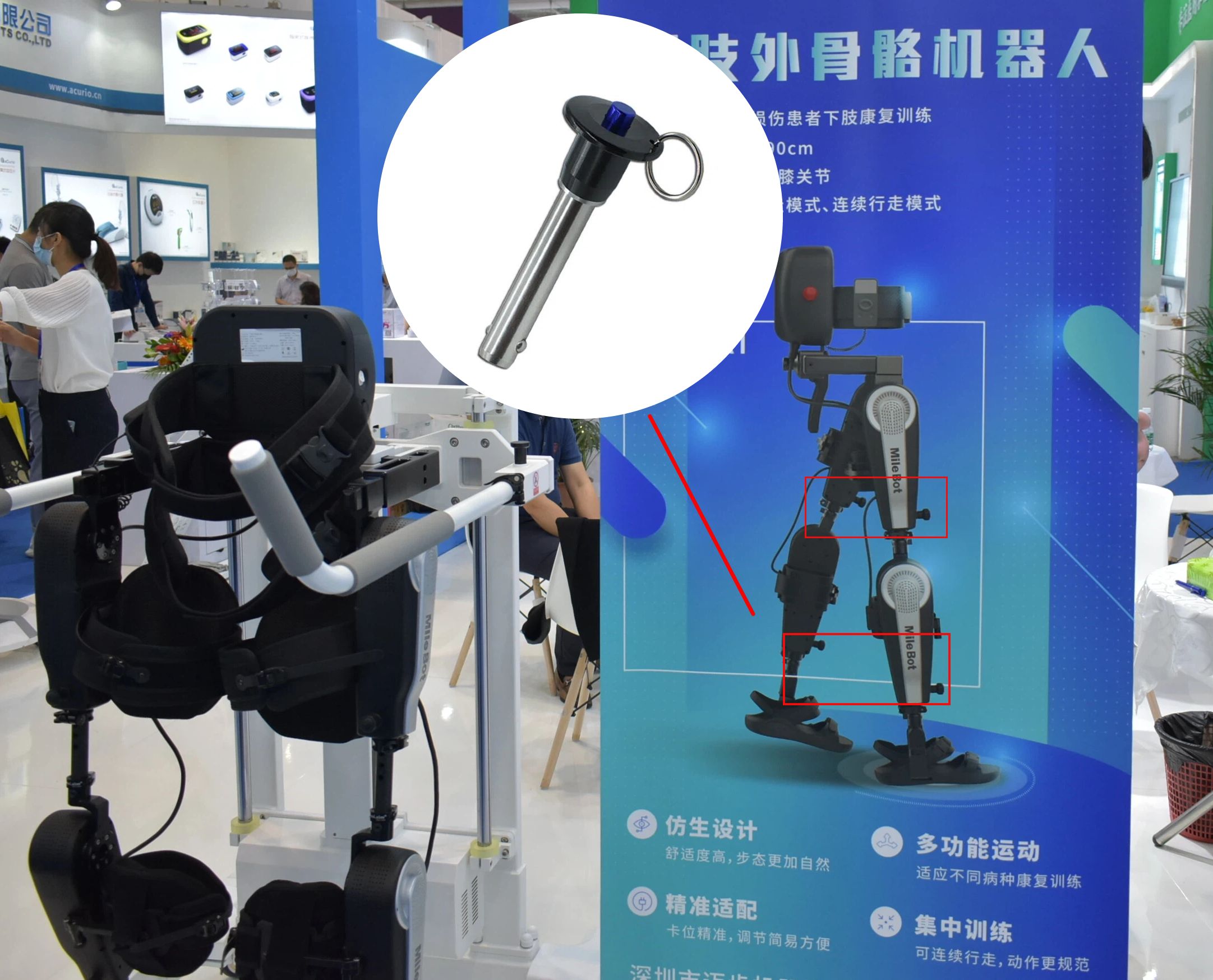
To address these challenges, indexing pin technology was developed. Unlike traditional fasteners, indexing pin systems use precise mechanical positioning to achieve repeatability within ±0.1mm and offer excellent vibration resistance and ease of disassembly. This innovative solution is reshaping the technical standards in wall panel installation.
Indexing Pin Technology: A Revolutionary Solution for Wall Panel Installation
The core value of indexing pin technology lies in its unique positioning mechanism and structural design. This system, made of high-precision pins and corresponding positioning sleeves, is manufactured using aerospace-grade processing techniques to ensure that every disassembly returns to the original positioning accuracy. Compared to traditional fastening methods, indexing pin systems offer three significant advantages: micron-level positioning accuracy, making them ideal for high-end panel projects requiring seamless joints; self-locking anti-vibration design, which has been tested to withstand seismic vibrations of up to magnitude 8 without loosening; and quick disassembly features, improving maintenance efficiency by over 50%.
In practice, the indexing pin system demonstrates exceptional adaptability. For example, in a cleanroom project at a top hospital in Shenzhen, medical wall panels installed with indexing pins achieved a completely dust-free construction process, with joint gaps controlled to within 0.2mm, far exceeding industry standards. In the high-end office spaces of a financial center in Shanghai, modular partition systems using indexing pins allowed for multiple quick layout adjustments within a single day, significantly improving space efficiency.
Notably, the indexing pin system provides perfect solutions for specialized environments. In biological laboratories, its sealing design prevents microbial accumulation; in data centers, the anti-static version ensures equipment safety; and in cleanrooms, medical-grade stainless steel meets GMP certification requirements. These features make indexing pins the preferred solution for high-end wall panel projects.
Recommended Indexing Pin Product Series from Mocayo Company
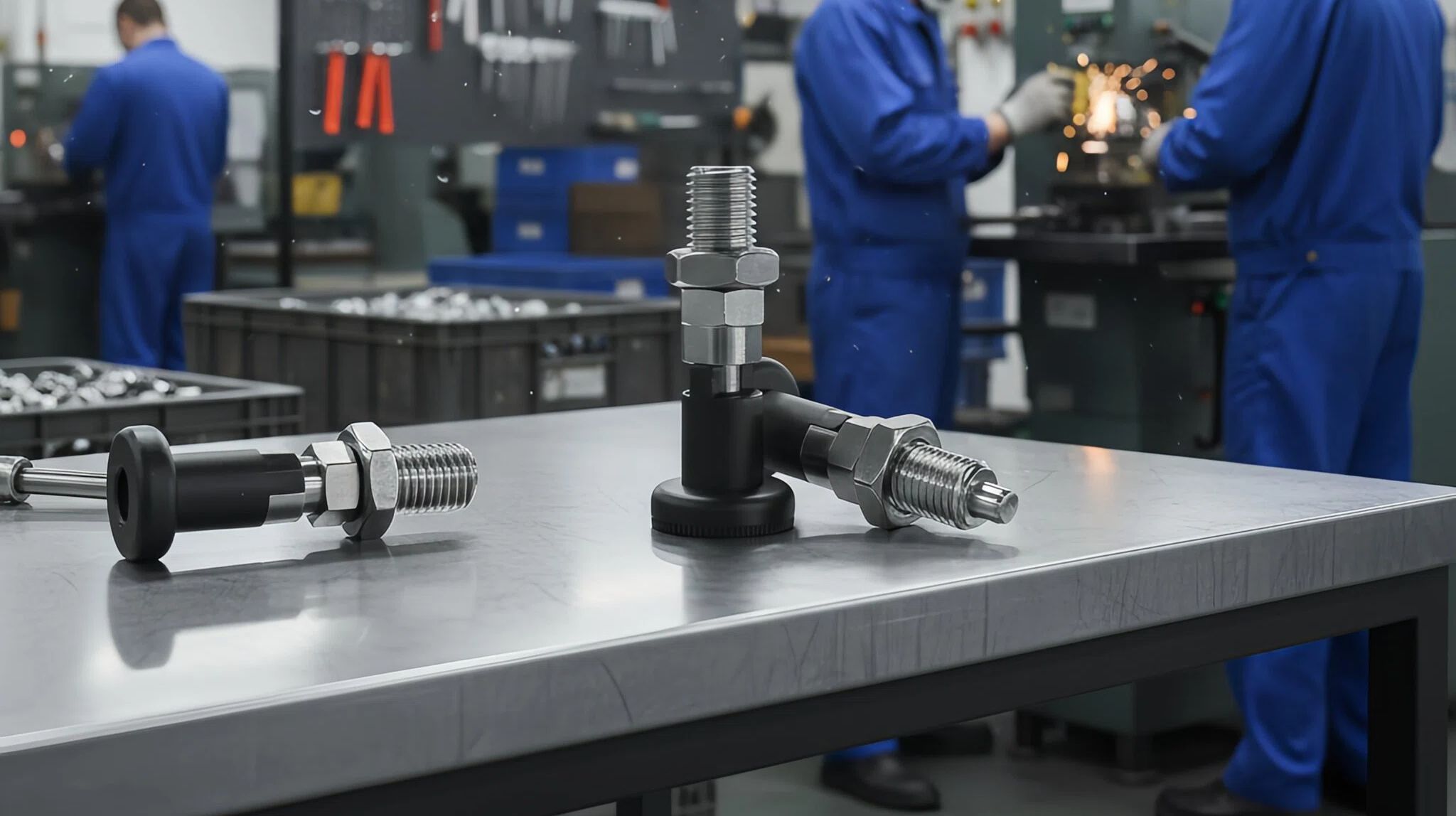
As an industry leader in indexing pin technology, Mocayo has developed a comprehensive range of wall panel-specific indexing pin products based on over a decade of research and development. Our products are processed using CNC equipment imported from Germany and precision testing instruments from Switzerland, ensuring military-grade quality standards. All materials are RoHS certified, and our core products are ISO 14644-1 cleanroom certified.
The MS1171 series is our basic model designed for standard wall panels, available in sizes ranging from 6mm to 12mm, with positioning accuracy of ±0.15mm. It is highly cost-effective and has been successfully applied in several large commercial projects. The MS1120 series is a professional choice for medical cleanroom environments, made from 316L stainless steel with special electro-polished surfaces to meet Class 1000 cleanroom requirements. Feedback from a biopharmaceutical company in Wuhan indicated that this series helped reduce wall maintenance costs by 40%.


For the modular construction market, our latest MS1071-ST series combines multiple patented technologies: a quick-locking mechanism for single-person operation, a patented anti-vibration design that passed seismic testing up to magnitude 8, and a special surface coating that can withstand over 200 disassemblies. After adopting this series, a high-end shared office space in Beijing reduced their space reconfiguration time by 60%, receiving high praise from the property owner.

In addition to standard products, Mocayo offers comprehensive custom services, including adjustments to positioning accuracy (up to ±0.05mm), special material options (e.g., titanium alloy), and the development of smart indexing pins with integrated sensors. Our engineering team has extensive project experience and provides full-process services, from design consultation to on-site guidance.
Indexing Pin System Installation and Maintenance Guide
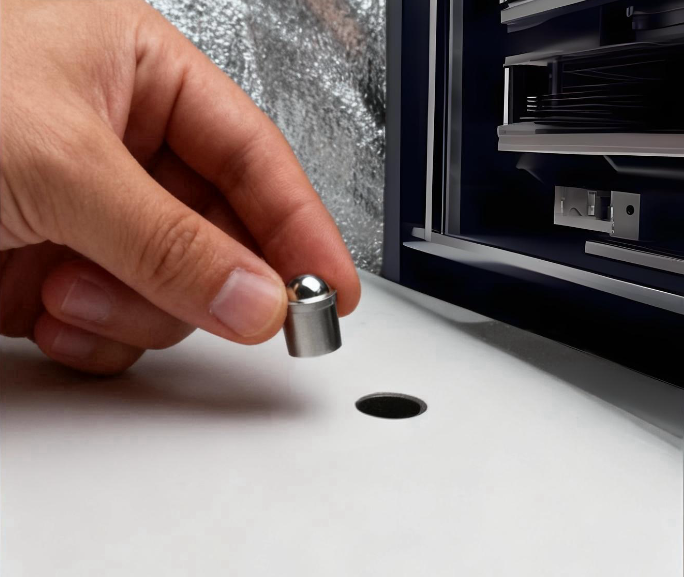
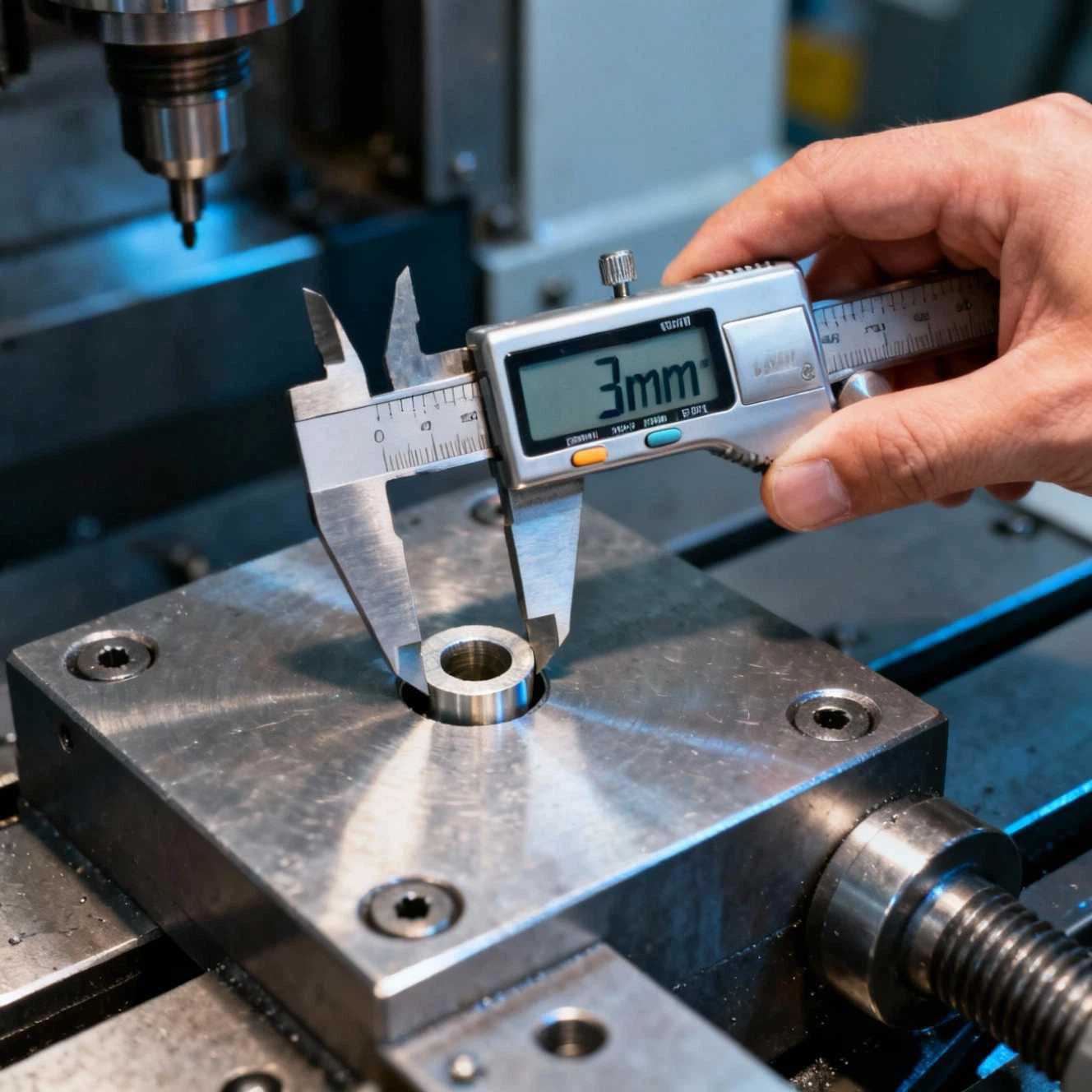
To ensure optimal performance of the indexing pin system, proper installation procedures are critical. Before construction, three preparations are necessary: using a laser level to determine the reference line, pre-processing positioning holes according to design drawings (tolerance controlled to H7), and preparing a dedicated toolset. We recommend conducting a sample test before mass installation to verify that all parameters meet the requirements.
The standard installation process involves five key steps: First, clean all contact surfaces to ensure no impurities; second, accurately insert the positioning sleeves into the base; third, insert the indexing pins and perform initial positioning; fourth, tighten using a torque wrench to the standard value (usually 5-8 N·m); finally, check the positioning accuracy with a dial indicator. Throughout the process, special attention should be paid to maintaining cleanliness to avoid dust affecting alignment precision.
For routine maintenance, we recommend a comprehensive check every quarter: use dedicated tools to measure positioning accuracy degradation, check the locking mechanism, clean the contact surfaces, and add the appropriate lubricant. When positioning errors exceed 0.3mm or locking force decreases by 30%, the indexing pin components should be replaced. Mocayo's original accessories ensure that the system returns to its original performance.
Common issues and solutions: If installation difficulties arise, do not force the pins; first, check if the hole diameter meets the standard. Positioning deviations can be adjusted with spacers. If locking force is insufficient, consider replacing with a higher version spring. Our technical support team is available 24/7 to provide remote diagnostics or on-site service, ensuring the success of your project.
What type of fastener is suitable for use in wallboard?Choose corrosion-resistant options for durability. Ensure proper sizing for a flush, long-lasting hold.
A New Era in Wall Panel Installation
Indexing pin technology is leading a revolutionary change in the wall panel installation industry. As an innovator in the field, Mocayo continues to invest in research and development to offer customers more advanced and reliable solutions. We invite all partners to visit and experience the outstanding performance of the indexing pin system.
Limited-time Offer: Order 100 sets or more now and receive a dedicated installation toolset worth 5000 RMB, along with free technical training services.
What Is A Fastener
What Is Fasteners