Will Stainless Steel Tarnish
Will Stainless Steel Tarnish? A Complete Guide to Understanding Stainless Steel Durability
Introduction
Stainless steel has long been celebrated for its sleek aesthetic, corrosion resistance, and exceptional durability. It's used in a wide array of industries—from aerospace to kitchenware—because of its robust nature. But a common question continues to surface: Will stainless steel tarnish? This article dives deep into the science, causes, prevention, and treatment of tarnishing in stainless steel. Whether you're a manufacturer, engineer, or consumer, understanding the factors influencing stainless steel’s appearance is essential.
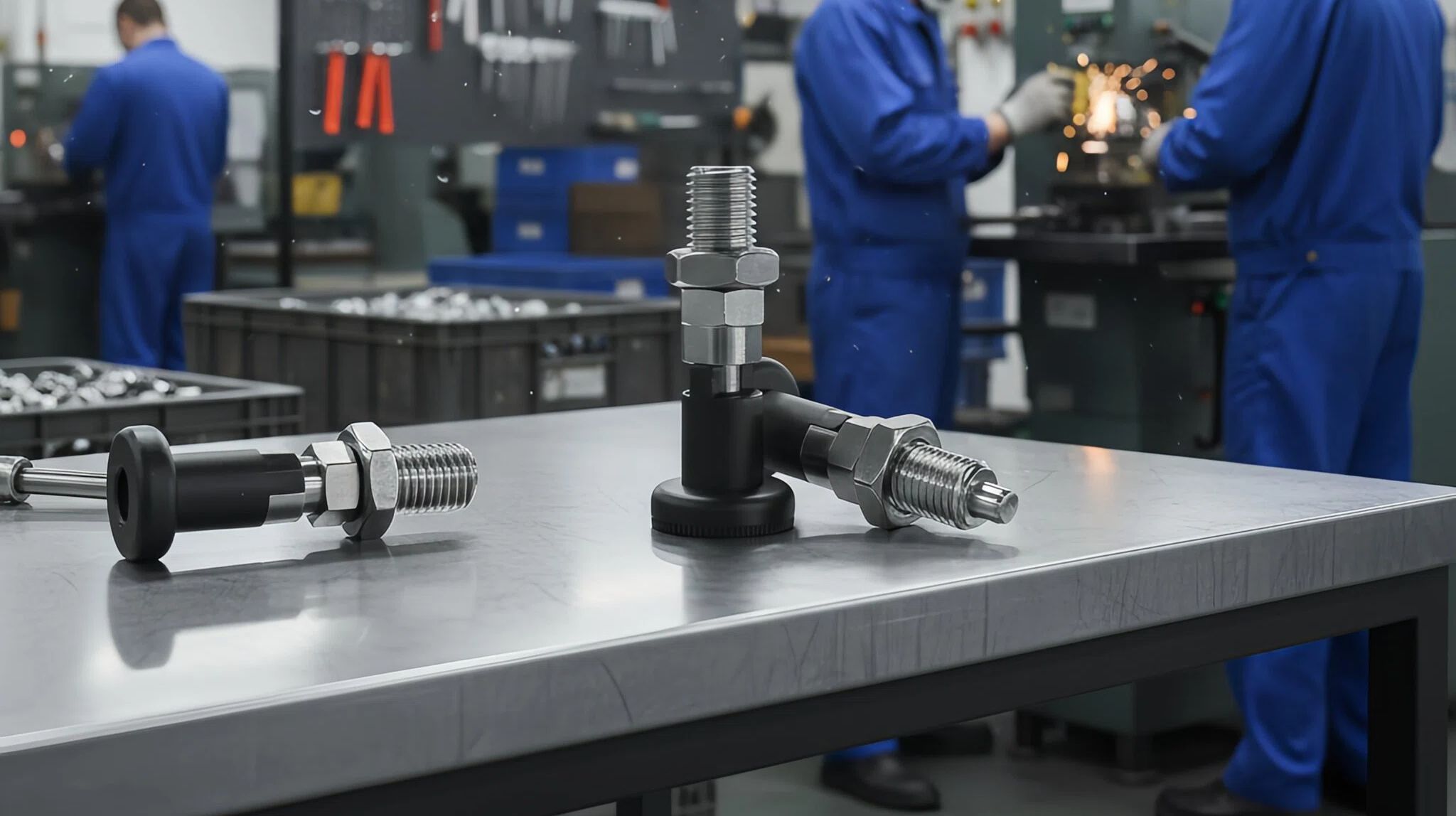
Will stainless steel tarnish? Discover its corrosion-resistant properties, making it perfect for industrial, automotive, and machinery applications. Learn how it ensures durability and longevity today!

What Is Stainless Steel?
Before exploring the central question—will stainless steel tarnish—it's crucial to understand what stainless steel is. Stainless steel is a steel alloy that contains at least 10.5% chromium by mass. This chromium content forms a passive oxide layer on the surface, which prevents rust and imparts corrosion resistance.
There are several types of stainless steel, categorized by their crystalline structure: austenitic (e.g., 304, 316), ferritic, martensitic, duplex, and precipitation-hardened varieties. Each offers varying degrees of strength, corrosion resistance, and tarnish resistance.
Will Stainless Steel Tarnish? Exploring the Core Question
While stainless steel is famed for its resistance to rust and corrosion, many people still ask: Will stainless steel tarnish? The answer is both simple and nuanced. Under ideal conditions, stainless steel does not tarnish. However, under certain environmental stresses or chemical exposures, discoloration, pitting, or dulling can occur, which is perceived as tarnishing.
Tarnishing is usually cosmetic, not structural. It doesn’t mean the material has failed, but it may require cleaning or polishing.
What Causes Stainless Steel to Tarnish?
To better understand the question will stainless steel tarnish, we must examine the causes:
-
Chemical Exposure
Chlorides, especially in saltwater environments, can break down the protective chromium oxide layer, leading to discoloration and tarnishing. -
Heat and Oxidation
High-temperature applications can cause heat tinting, where the surface color changes due to the formation of thicker oxide layers. -
Pollution and Industrial Gases
Exposure to sulfur dioxide and other pollutants can interact with stainless steel, causing staining or tarnishing over time. -
Inadequate Cleaning and Maintenance
Residues from hard water, soaps, and improper cleaners can leave marks that resemble tarnishing.
How to Prevent Stainless Steel Tarnishing
Understanding that the answer to "will stainless steel tarnish?" is conditional, proactive measures are necessary. Here's how you can prevent it:
-
Use the Right Grade
For marine or chemical-rich environments, opt for higher-grade stainless steels like 316 or 317, which have added molybdenum to resist chloride corrosion. -
Regular Cleaning
Routine cleaning with mild soap and water helps remove contaminants that may break down the protective layer. Always dry the surface afterward. -
Avoid Harsh Chemicals
Chlorine-based cleaners or strong acids can accelerate tarnishing. Use pH-neutral products designed for stainless steel. -
Proper Storage
In storage, avoid stacking stainless steel items with reactive metals or materials that trap moisture.
Cleaning Tarnished Stainless Steel
If you notice discoloration or dullness, don’t worry. Even though stainless steel may tarnish, restoration is usually straightforward. Here's how to polish stainless steel and remove tarnish:
-
Mild Soap and Water
Start with warm water and mild dish soap using a soft cloth or sponge. Rinse thoroughly and dry. -
Baking Soda Paste
For tougher spots, make a paste of baking soda and water. Rub gently along the grain using a microfiber cloth. -
White Vinegar
Vinegar helps remove hard water stains and mild corrosion. Spray it onto the surface and wipe clean. -
Commercial Stainless Steel Cleaners
Products like Bar Keepers Friend or stainless steel polishers can remove stubborn tarnish while leaving a shiny finish. -
Polishing with Olive Oil or Baby Oil
After cleaning, applying a small amount of oil can restore sheen and add a protective layer.
The Role of Environment in Tarnishing
When asking, will stainless steel tarnish, environmental exposure is key. Outdoor installations or industrial applications are more prone to discoloration. Here are scenarios where tarnishing is more likely:
-
Coastal Areas – Salt-laden air accelerates corrosion.
-
Industrial Zones – Polluted air and chemicals increase risk.
-
High Humidity – Moisture promotes oxidation over time.
-
High Heat – In foodservice or welding applications, heat can change the color and texture of the steel.
Does Tarnishing Affect Performance?
One of the biggest concerns behind the question will stainless steel tarnish is whether it compromises functionality. The answer: generally, no. Tarnish affects appearance, not performance. However, if left untreated, it can eventually lead to corrosion or pitting, which may impact structural integrity.
Comparison with Other Metals
To fully grasp the significance of stainless steel’s tarnish resistance, compare it with:
-
Carbon Steel – Prone to rust and corrosion without coatings.
-
Aluminum – Forms a natural oxide layer but can pit and corrode.
-
Brass and Copper – Tarnish quickly with a visible patina.
In comparison, stainless steel’s resistance to tarnishing makes it superior in both industrial and consumer applications.
So, will stainless steel tarnish? The answer is yes—but only under certain conditions. Stainless steel is not immune to environmental effects, but its resistance is exceptional when compared to other metals. With proper care, regular maintenance, and selecting the right grade for your application, stainless steel will retain its shine and performance for years.
Whether you're designing kitchen appliances, marine equipment, or architectural structures, understanding will stainless steel tarnish helps ensure longevity and aesthetic appeal.
What Is Stainless Steel
What Are Metals