Ensures Positive Locking of Stamping Press Safety Doors: Precision Positioning with Indexing Plungers
author: Fiona Yang
2025-10-08
Ensures Positive Locking of Stamping Press Safety Doors: Precision Positioning with Indexing Plungers
Table of Contents
--------------Critical Role of Precision Positioning in Industrial Safety
Safety Imperatives for Heavy Stamping Operations
In industrial manufacturing environments, large stamping presses represent significant safety hazards during operation and maintenance cycles. The reliable locking of safety access doors is not merely a convenience - it's a fundamental requirement for operator protection and compliance with international machinery safety standards. These heavy-duty doors require a positioning mechanism that delivers both absolute accuracy in alignment and failsafe locking integrity to prevent any possibility of accidental opening during the high-force stamping process.
In industrial manufacturing environments, large stamping presses represent significant safety hazards during operation and maintenance cycles. The reliable locking of safety access doors is not merely a convenience - it's a fundamental requirement for operator protection and compliance with international machinery safety standards. These heavy-duty doors require a positioning mechanism that delivers both absolute accuracy in alignment and failsafe locking integrity to prevent any possibility of accidental opening during the high-force stamping process.
The Indexing Plunger's Precision Locking Mechanism
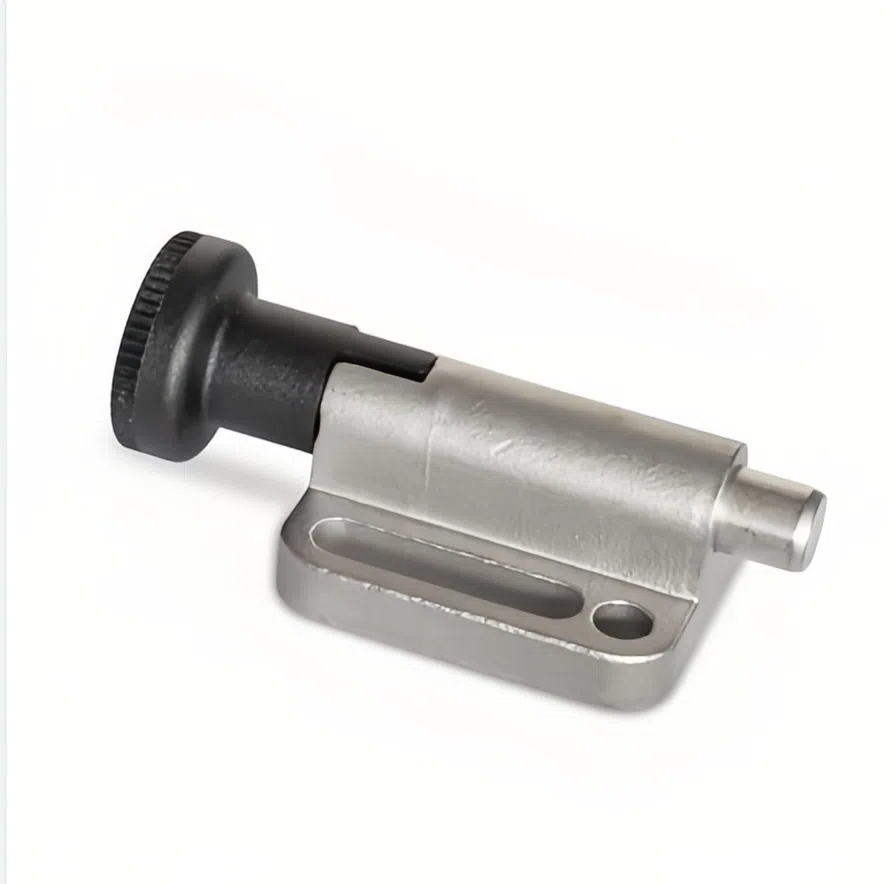
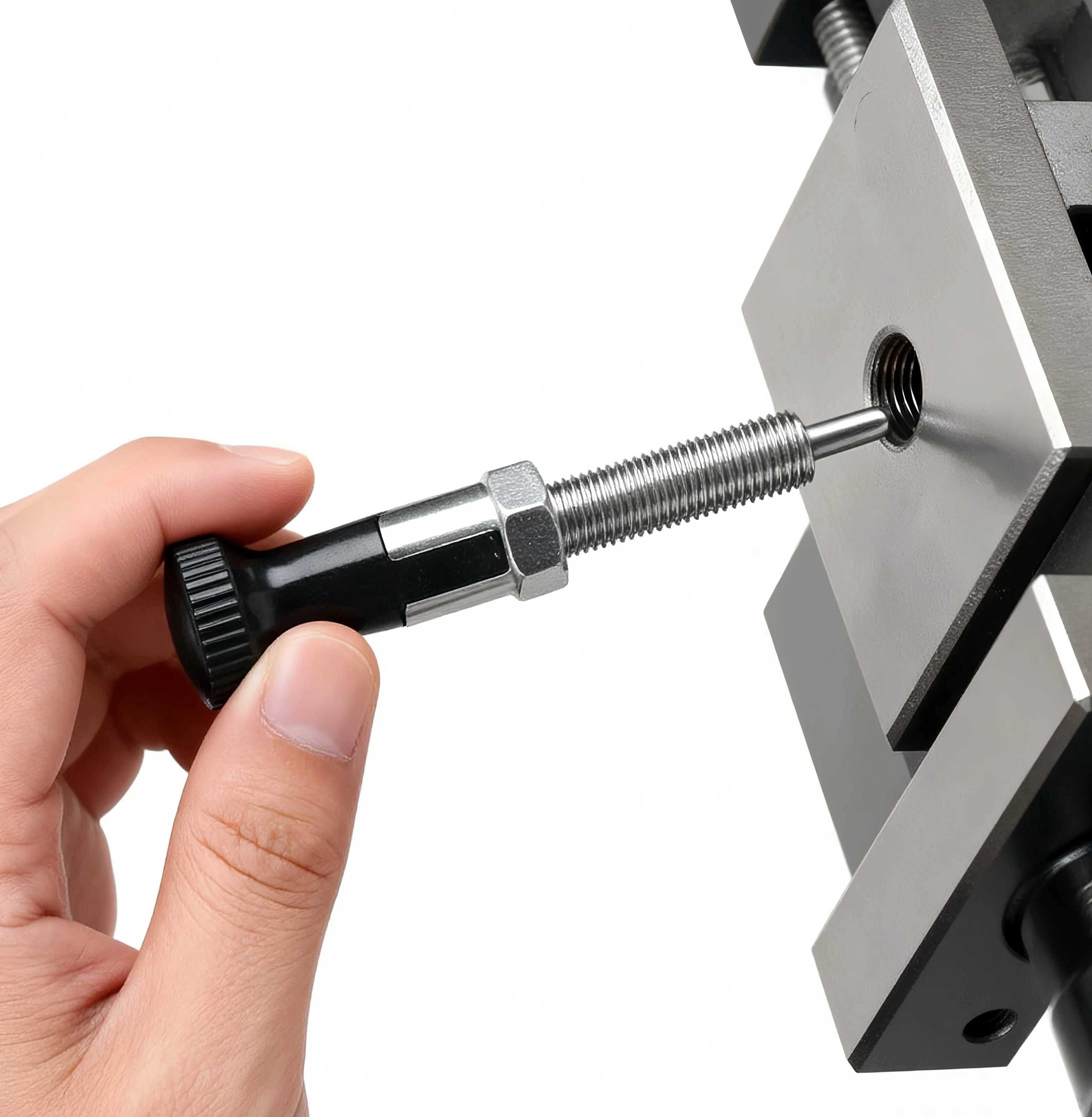
The indexing plunger addresses these critical requirements through its spring-loaded ball detent system, which provides precise locating and positive locking functions. When the safety door reaches its fully closed position, the plunger's precision-ground ball engages seamlessly with a corresponding receptacle, creating an immediate mechanical lock. This engagement produces both audible and tactile feedback that confirms secure closure to operators. The design maintains constant pressure on the locking mechanism, ensuring it remains securely engaged despite the substantial vibrations generated during stamping operations.
The indexing plunger addresses these critical requirements through its spring-loaded ball detent system, which provides precise locating and positive locking functions. When the safety door reaches its fully closed position, the plunger's precision-ground ball engages seamlessly with a corresponding receptacle, creating an immediate mechanical lock. This engagement produces both audible and tactile feedback that confirms secure closure to operators. The design maintains constant pressure on the locking mechanism, ensuring it remains securely engaged despite the substantial vibrations generated during stamping operations.
Application in Stamping Press Safety Systems
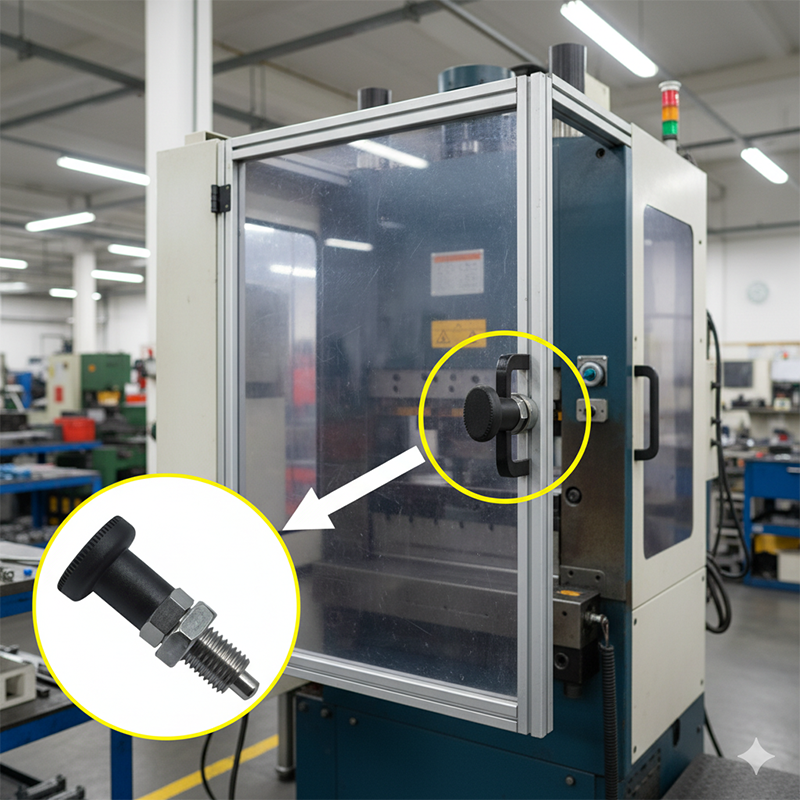
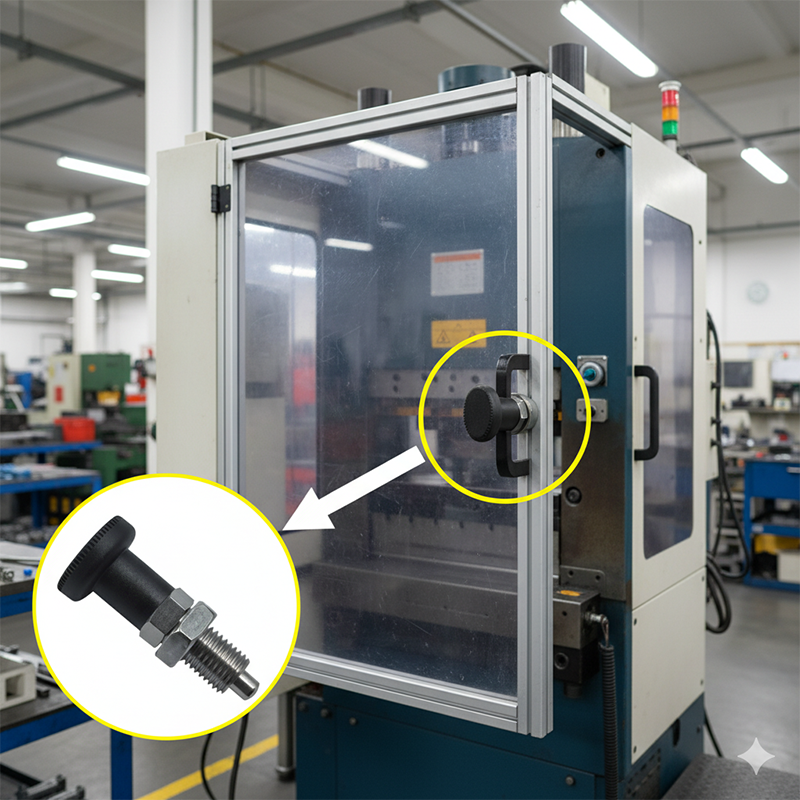
Integrated into the structural framework of industrial stamping presses, indexing plungers serve as the primary locking component for safety access doors and protective barriers. Their precision engineering guarantees perfect alignment between door panels and frame structures every time they close. This precise positioning ensures that electrical safety interlocks engage properly, maintaining the integrity of the machine's safety circuit. The tool-free operation allows for rapid access during maintenance cycles while providing unwavering security during production runs, making them an indispensable safety component in modern manufacturing facilities.
Integrated into the structural framework of industrial stamping presses, indexing plungers serve as the primary locking component for safety access doors and protective barriers. Their precision engineering guarantees perfect alignment between door panels and frame structures every time they close. This precise positioning ensures that electrical safety interlocks engage properly, maintaining the integrity of the machine's safety circuit. The tool-free operation allows for rapid access during maintenance cycles while providing unwavering security during production runs, making them an indispensable safety component in modern manufacturing facilities.
FAQ
Question 1:
How does the indexing plunger prevent accidental door opening during stamping cycles?
Answer:
The spring-loaded ball mechanism maintains constant engagement with the mating receptacle, creating a positive mechanical lock that resists disengagement from operational vibrations.
How does the indexing plunger prevent accidental door opening during stamping cycles?
Answer:
The spring-loaded ball mechanism maintains constant engagement with the mating receptacle, creating a positive mechanical lock that resists disengagement from operational vibrations.
Question 2:
What materials provide the durability needed for this demanding application?
Answer:
Heat-treated alloy steel bodies with hardened steel balls and chrome plating ensure maximum wear resistance and longevity in high-cycle industrial environments.
What materials provide the durability needed for this demanding application?
Answer:
Heat-treated alloy steel bodies with hardened steel balls and chrome plating ensure maximum wear resistance and longevity in high-cycle industrial environments.
Question 3:
What maintenance ensures reliable long-term performance?
Answer:
Regular inspection for wear, verification of smooth ball movement and spring tension, and keeping mechanisms clean of metal debris. Immediate replacement if any deformation or inconsistent locking occurs.
What maintenance ensures reliable long-term performance?
Answer:
Regular inspection for wear, verification of smooth ball movement and spring tension, and keeping mechanisms clean of metal debris. Immediate replacement if any deformation or inconsistent locking occurs.
Spring Loaded Detents
Ensures Secure and Rapid Setup of Stage Lighting: The Critical Role of Ball Locking Pins in Performance Environments
Related Article
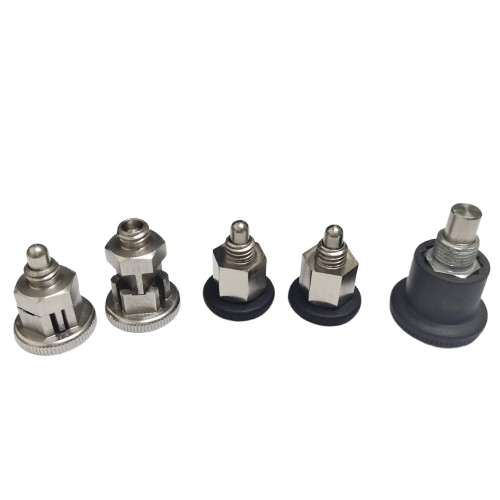
Explore the application of stainless steel materials for customizing mini indexing plungers based on specific operational environments and suitable spaces.
How To Make A Mini Indexing Plunger
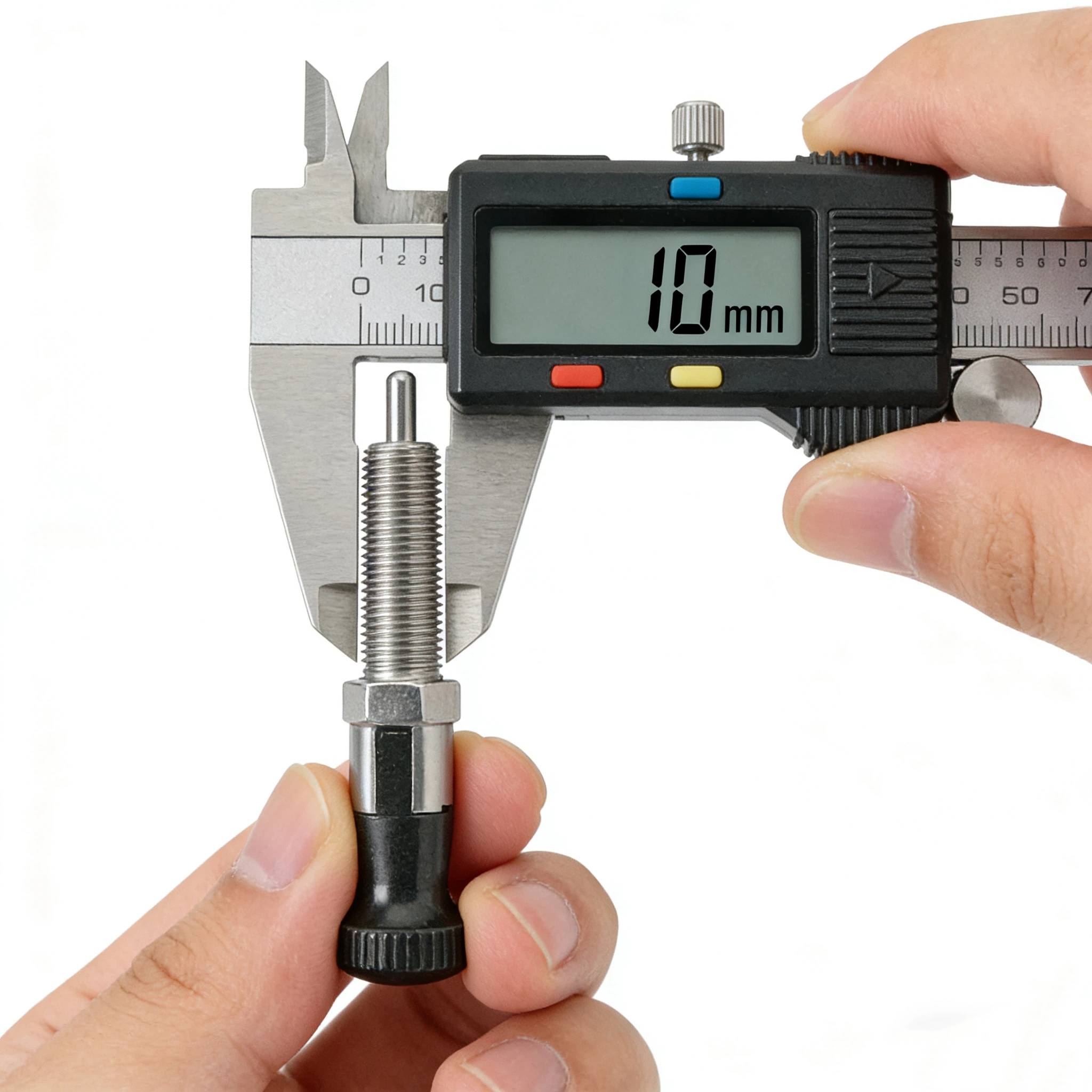
Discover how to choose correct size for indexing elements with confidence. Get precise recommendations that improve positioning accuracy, durability, and overall system performance.
How To Choose Correct Size For Indexing Elements