How to Weld Aluminum
How to Weld Aluminum: Unlocking Precision with Custom Milled Aluminum Solutions
As industries continue to pursue the goals of lightweight design and high-strength materials, aluminum has emerged as a cornerstone of modern manufacturing. With its exceptional strength-to-weight ratio and corrosion resistance, aluminum plays a critical role in aerospace, automotive, automation equipment, and more. Among the many fabrication techniques used with aluminum, welding remains one of the most challenging yet essential processes. In this article, we explore how to weld aluminum effectively and introduce how custom milled aluminum parts from Shenzhen Mocayo Precision Technology Co., Ltd. can elevate your welding outcomes.
Learn how to weld aluminum with ease using custom milled aluminum parts designed for precision, strength, and weldability.
Precision CNC Custom Milled Aluminum Parts: The Ideal Welding Partner
At Mocayo Precision Technology, we specialize in delivering high-precision custom milled aluminum components designed for optimal weldability. Since our inception, we have focused on CNC machining services tailored to aluminum alloy components, offering both engineering excellence and manufacturing scalability.
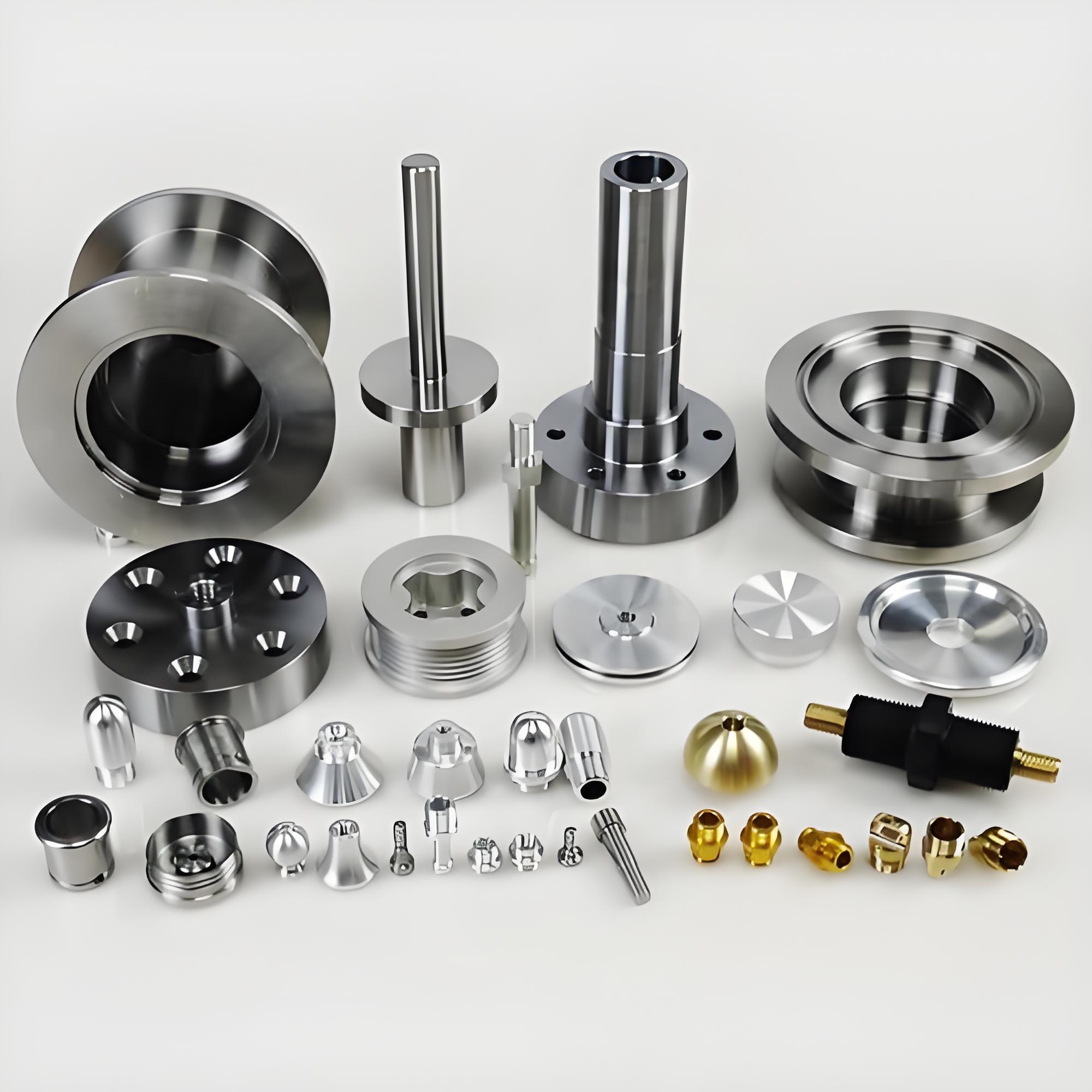
We primarily work with popular weldable grades such as 6061-T6 and 7075-T6, which offer outstanding mechanical properties while maintaining superior welding compatibility. These materials minimize the risk of cracking during the welding process, making them ideal choices for structural and functional applications.
Equipped with advanced 5-axis CNC machining centers and mill-turn hybrid machines, Mocayo ensures micron-level dimensional accuracy and exceptional surface finishes. We also offer a variety of post-processing options—such as anodizing, sandblasting, and laser engraving—to ensure cleanliness and surface readiness for welding.
Whether you require complex aerospace structures, locating pins for automation systems, or functional enclosures, Mocayo’s custom milled aluminum solutions are engineered to meet your exact needs. We support low-volume production and rapid prototyping, complete with CAD file evaluation and process optimization, helping clients accelerate product development and ensure superior weld-ready quality.
Why Is Aluminum Difficult to Weld? Common Challenges and Material Behavior
Many manufacturers often ask the question: How to Weld Aluminum? The answer begins with understanding why aluminum is so tricky to work with. Compared to steel, aluminum exhibits several unique physical and chemical properties that complicate the welding process.
First, aluminum has extremely high thermal conductivity, causing heat to dissipate quickly. This makes it hard to maintain a stable weld pool and requires greater control of heat input. In addition, aluminum naturally forms an oxide layer on its surface. This oxide melts at a much higher temperature (around 2000°C) than aluminum itself (660°C), which can prevent proper bonding unless thoroughly removed before welding.
Aluminum also has a high coefficient of thermal expansion, making it more prone to distortion, shrinkage cracks, and warping—especially in large or intricate parts. High-strength aluminum alloys such as 7000 series are particularly susceptible to hot cracking, demanding careful heat control and precise technique.
At Mocayo, we understand these welding challenges. That’s why our custom milled aluminum parts are engineered with weldability in mind. Through smart design, precise tolerances, and appropriate machining allowances, we help reduce thermal stresses and improve joint quality—saving you both time and rework costs in the welding phase.
How to Weld Aluminum: Techniques, Tools, and Step-by-Step Guidance
When considering How to Weld Aluminum, success lies in selecting the right welding process and following a strict preparation workflow. Two of the most common methods are TIG welding (GTAW) and MIG welding (GMAW).
TIG welding is perfect for projects requiring high precision and strong, clean welds, such as aerospace parts and custom prototypes. MIG welding offers faster throughput, making it suitable for industrial-scale aluminum fabrication.
Regardless of the method, proper surface preparation is non-negotiable. Before welding, aluminum parts must be cleaned of oil, dirt, and the oxide layer. Methods include mechanical abrasion (like stainless steel brushes), chemical etching, or degreasing to expose clean, bare metal.
Next, choosing the correct filler wire is essential. For instance, 5356 or 4045 welding wire works well with 6061 aluminum to ensure strength and metallurgical compatibility. It’s also critical to regulate current, voltage, and travel speed to avoid overheating, warping, or incomplete fusion.
Using custom milled aluminum components from Mocayo simplifies these steps. Our parts are designed for precise fit-up, reducing gaps and misalignment that can complicate welding. Additionally, we provide fixture recommendations—such as copper heat sinks or ceramic clamps—to minimize heat deformation during welding.
Post-welding treatments such as stress relief, bead finishing, or surface reshaping can also enhance the final strength and appearance of your aluminum welds. Backed by Mocayo’s technical support team, customers gain more than just precision parts—they gain process confidence and engineering insight into how to weld aluminum effectively.
Why Choose Mocayo for Custom Milled Aluminum Welding Projects?
When your project depends on aluminum and high-quality welding, you can’t afford trial and error. Mocayo provides more than CNC machining—we provide integrated solutions that consider every detail from design to weld execution.
Our custom milled aluminum parts offer:
-
Optimal material selection for weldability
-
Tight machining tolerances and smooth surface finishes
-
Design-for-welding expertise and pre-weld preparation guidance
-
Scalable manufacturing from prototype to production
-
Fast turnaround and global delivery
From aerospace brackets to robotic assemblies, we help clients across industries solve the puzzle of how to weld aluminum with confidence and consistency.
Is Aluminum Conductive-Custom Milled Aluminum
Will Aluminium Rust