Is Stainless Steel Magnetic
Is Stainless Steel Magnetic? — Understanding Its Properties for Ball Lock Pin Applications
The question Is stainless steel magnetic is closely tied to the material's crystal structure. Studies conducted by the Mocayo Materials Laboratory reveal that common austenitic stainless steels, such as 304 and 316, are generally non-magnetic or only weakly magnetic in their annealed state. Is stainless steel magnetic? Detailed analysis of stainless steel’s magnetic behavior to guide your material choice for medical, aerospace, and industrial applications.
This non-magnetic behavior results from the addition of nickel, which stabilizes the face-centered cubic (FCC) crystal structure. In contrast, martensitic stainless steels like the 410 and 420 series possess a body-centered cubic (BCC) structure, making them strongly ferromagnetic with magnetic permeability values ranging from 200 to 500.
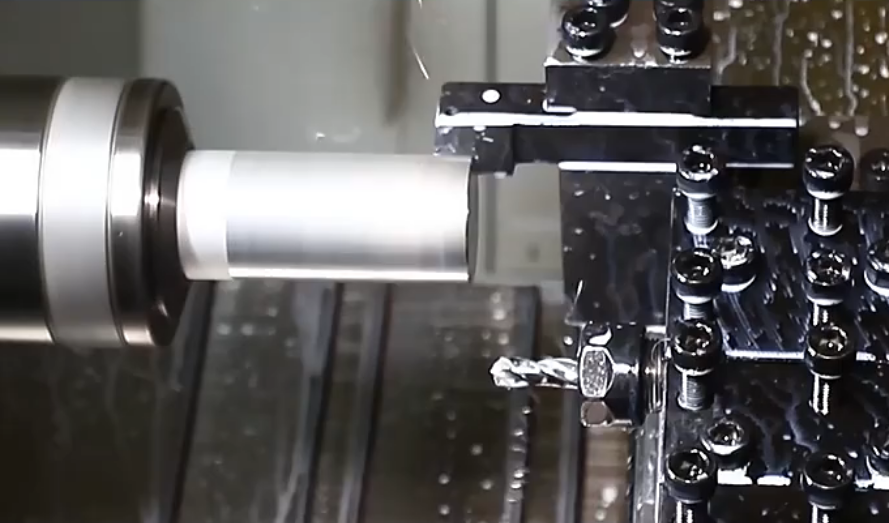
It is important to note that even austenitic stainless steels, typically labeled as “non-magnetic,” may develop partial magnetism after cold working due to martensitic phase transformation. For every 10% increase in deformation, magnetic permeability may increase by 2-3 orders of magnitude. This phenomenon raises frequent concerns for customers wondering: Is stainless steel magnetic in real-world manufacturing scenarios?
In practical applications, Mocayo recommends a three-stage testing approach to accurately assess whether stainless steel is magnetic. First, a simple handheld magnet can serve as an initial screening tool. For critical components such as the Ball Lock Pin, a precision magnetic permeability meter (accuracy ±0.01μ) should be used. For the highest level of certainty, metallographic analysis is performed to examine the microstructure in detail. According to our tests, solution-treated 316L stainless steel typically exhibits a magnetic permeability of only 1.002-1.005, making it ideal for precision instruments, including high-performance Ball Lock Pin products.
Material Selection Guidelines for Engineering Applications
In industrial design, magnetic properties often play a decisive role. Based on extensive experience, the Mocayo engineering team recommends using 430 ferritic stainless steel—offering magnetic induction levels of 0.6-0.8T—for conveyor systems requiring magnetic adsorption. Conversely, for medical MRI equipment, completely non-magnetic materials such as 316L are essential to avoid interference. For general mechanical structures, 304 stainless steel offers a balanced option with moderate strength and low magnetic permeability (usually not exceeding 1.02 after cold working).
However, in highly corrosive environments, corrosion resistance must not be sacrificed simply to achieve non-magnetic performance. Mocayo’s corrosion tests show that while 316 stainless steel is approximately 30% more expensive than 304, its pitting potential in chloride-rich environments is 200-300mV higher. Therefore, our material selection process advises first determining corrosion resistance requirements, then evaluating magnetic properties, and finally balancing cost factors. To assist clients, Mocayo has developed a specialized material selection decision tree for optimal choices.
Ball Lock Pin — Precision Materials for Maximum Performance
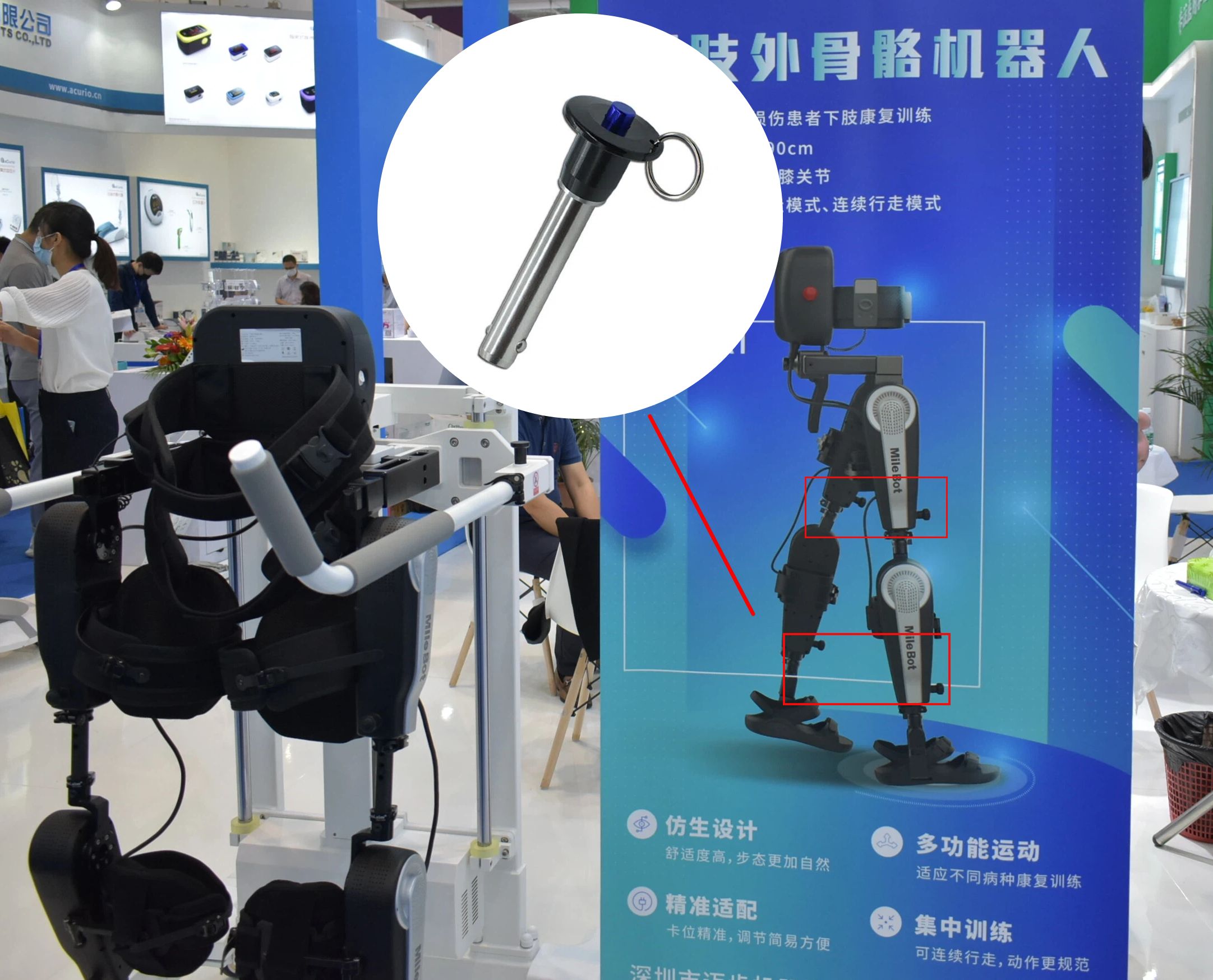
As a specialist in precision fastening systems, Mocayo deeply integrates material science into the development of our Ball Lock Pin products. Our standard Ball Lock Pin utilizes 17-4PH precipitation-hardened stainless steel, which achieves a hardness of HRC45 after H900 heat treatment.

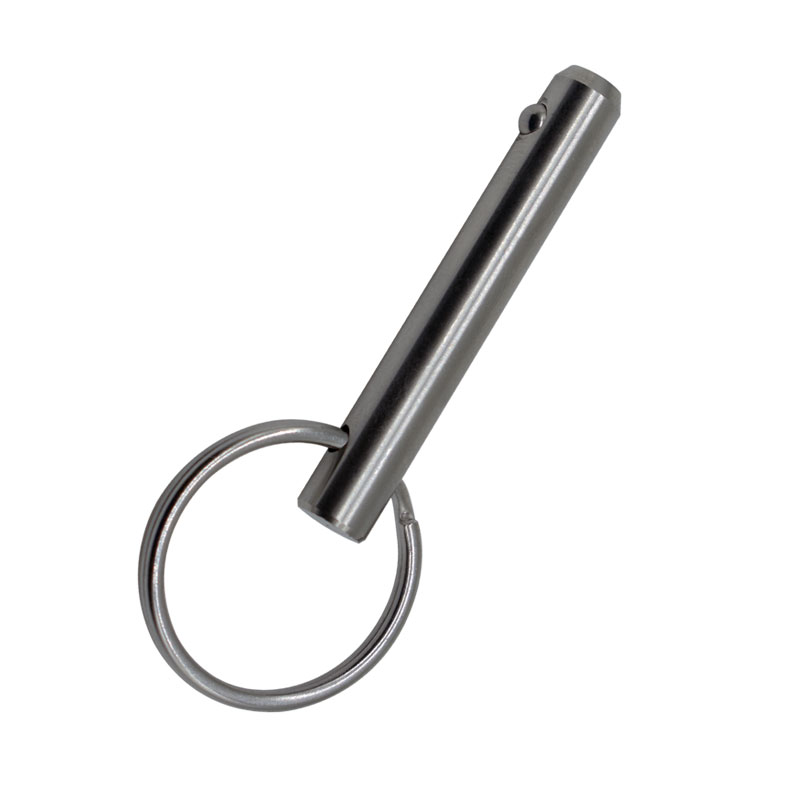
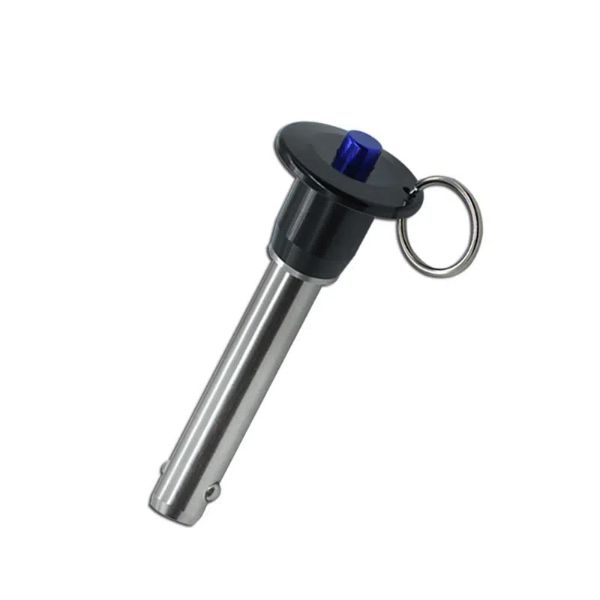
By mastering the complex relationship between “Is stainless steel magnetic” and specific material behaviors, Mocayo ensures that every Ball Lock Pin delivers long-term durability, precise performance, and superior reliability across various industrial sectors.
Cnc Machine Definition-Indexing Plunger For Cnc Machine
How Many Types of Plastic Are There-Best Plastic For Spring Plunger