Does 304 Stainless Steel Rust
Does 304 Stainless Steel Rust?
Introduction
Stainless steel is widely celebrated for its corrosion resistance, strength, and durability. Among the various types of stainless steel, 304 stainless steel is one of the most commonly used grades in industrial, commercial, and residential applications. However, one question that often arises is: Does 304 stainless steel rust? This article aims to answer that question in detail, exploring the composition, properties, environmental factors, and best practices for maintenance to help you better understand the nature of 304 stainless steel and its susceptibility to rust.
What Is 304 Stainless Steel?
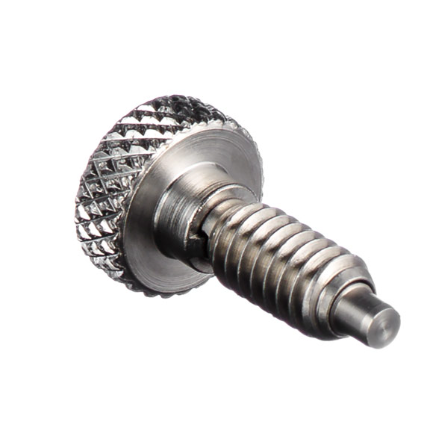
Before answering the question Does 304 stainless steel rust, it is essential to understand what 304 stainless steel is. 304 stainless steel is an austenitic alloy that contains a high percentage of chromium (18-20%) and nickel (8-10.5%). These elements are key to providing its corrosion resistance. It also includes small amounts of carbon, manganese, silicon, and iron. The microstructure of 304 stainless steel is non-magnetic and is known for its excellent formability and weldability.
The Corrosion Resistance of 304 Stainless Steel
So, does 304 stainless steel rust? In general, 304 stainless steel has excellent corrosion resistance under normal atmospheric and mildly corrosive environments. The chromium in the alloy forms a passive layer of chromium oxide on the surface, which acts as a shield against rust and corrosion. However, while it is resistant to many types of corrosion, it is not completely impervious.
When Does 304 Stainless Steel Rust?
Despite its corrosion resistance, 304 stainless steel can rust under certain conditions. The following are common scenarios where rusting may occur:
-
Exposure to Chlorides: Chloride ions found in saltwater, de-icing salts, and certain cleaning agents can penetrate the passive oxide layer, leading to pitting and crevice corrosion.
-
Harsh Industrial Environments: In areas with high pollution or exposure to chemical agents, 304 stainless steel may not provide sufficient protection.
-
Poor Maintenance: Dirt, grime, and residue can harbor moisture and chemicals that may cause rust if not cleaned regularly.
-
Mechanical Damage: Scratches or abrasions can damage the passive layer, making the underlying metal more vulnerable to oxidation.
Comparing 304 Stainless Steel to Other Grades
When discussing the question does 304 stainless steel rust, it helps to compare it with other grades such as 316 and 430 stainless steel.
-
316 Stainless Steel contains molybdenum, which provides better resistance to chlorides. It is often used in marine and chemical environments.
-
430 Stainless Steel is ferritic and contains less chromium and no nickel, making it less corrosion-resistant than 304.
So while 304 stainless steel may rust under certain conditions, it still offers a good balance of corrosion resistance and cost-effectiveness.
Case Studies and Real-World Examples
To further explore the issue of does 304 stainless steel rust, let’s examine real-world examples:
-
Kitchen Equipment: 304 stainless steel is widely used for kitchen sinks, appliances, and utensils. When exposed to acidic foods or harsh cleaning chemicals without proper rinsing, minor rust spots may develop.
-
Outdoor Installations: Railings and architectural elements made from 304 stainless steel can rust in coastal environments due to salt exposure.
-
Medical Equipment: Generally rust-free in controlled environments, but may rust if exposed to aggressive sterilization chemicals repeatedly.
How to Prevent Rust on 304 Stainless Steel
While asking does 304 stainless steel rust, it’s important to focus on prevention. Here are some best practices:
-
Regular Cleaning: Clean surfaces with mild soap and water to remove contaminants.
-
Use Non-Chloride Cleaners: Avoid bleach or chloride-based cleaners.
-
Rinse and Dry: After cleaning, rinse thoroughly and dry to prevent water spots and residues.
-
Polishing: Use stainless steel polish to restore the passive layer.
-
Routine Inspection: Regular checks can help spot early signs of corrosion.
Misconceptions About Stainless Steel
A common myth is that stainless steel never rusts. The reality is more nuanced. So, does 304 stainless steel rust? Yes, but only under specific conditions. Understanding this helps set realistic expectations and encourages proper care.
The Science Behind Rust Formation
To fully understand does 304 stainless steel rust, it’s useful to look at the science. Rust forms when iron reacts with oxygen and water to create iron oxide. In 304 stainless steel, the high chromium content reacts with oxygen to form a protective oxide layer that prevents iron from oxidizing. If this layer is damaged or breached, rust can develop.
Applications and Suitability of 304 Stainless Steel
Despite the possibility that 304 stainless steel can rust, it is still highly suitable for numerous applications including:
-
Food and Beverage Industry
-
Construction and Architecture
-
Automotive Components
-
Medical Instruments
-
Consumer Goods
Its versatility, appearance, and performance continue to make it a popular choice.
Does 304 stainless steel rust? Learn about its corrosion-resistant properties, making it ideal for industrial, automotive, and machinery applications. Discover how it ensures durability and longevity.
So, to definitively answer the question does 304 stainless steel rust: yes, it can rust under specific environmental conditions and improper care. However, its excellent corrosion resistance makes it a reliable material in a wide range of applications. By understanding the causes of rust and adopting preventative maintenance, users can maximize the lifespan and performance of 304 stainless steel components.
Whether you’re choosing materials for manufacturing, construction, or home use, understanding the answer to does 304 stainless steel rust equips you to make informed decisions and maintain the integrity of your stainless steel products.
Does Carbon Steel Rust
What Is 316 Stainless Steel
Related Article