Does 316 Stainless Steel Rust
author: Lucia Liu
2025-07-28
Does 316 Stainless Steel Rust
Stainless steel 304 and stainless steel 316 are two extremely common and important metallic materials. Many users have questions when selecting materials: Does 316 stainless steel rust? Is it truly rust-resistant? This article will delve into whether 316 stainless steel rusts, its performance characteristics, and provide a detailed comparison between 304 and 316, helping users make more appropriate material choices, especially in high-demand applications such as marine ball lock pins.
The primary components of stainless steel 316 are iron, 16% chromium, 10% nickel, and 2% molybdenum. The addition of molybdenum significantly enhances its resistance to chloride corrosion, making it far superior to 304 stainless steel in marine environments or highly corrosive industrial settings. However, if 316 stainless steel is exposed to high humidity, high salt content, or acidic environments for extended periods, especially when the surface is contaminated or not cleaned promptly, the surface passivation layer may be damaged, leading to localized corrosion.
The primary components of stainless steel 316 are iron, 16% chromium, 10% nickel, and 2% molybdenum. The addition of molybdenum significantly enhances its resistance to chloride corrosion, making it far superior to 304 stainless steel in marine environments or highly corrosive industrial settings. However, if 316 stainless steel is exposed to high humidity, high salt content, or acidic environments for extended periods, especially when the surface is contaminated or not cleaned promptly, the surface passivation layer may be damaged, leading to localized corrosion.
In summary, 316 stainless steel is “not absolutely rust-proof,” but compared to other conventional metals and stainless steel grades, it offers superior corrosion resistance and a longer service life.
Why is 316 stainless steel chosen for marine ball lock pins?
Marine ball lock pins are quick-locking pins commonly used in ships, port equipment, marine installations, and other fields. This product not only requires a stable structure and high safety, but also requires that its material is resistant to corrosion in high-salt and humid environments to ensure long-term reliability.
Marine ball lock pins are quick-locking pins commonly used in ships, port equipment, marine installations, and other fields. This product not only requires a stable structure and high safety, but also requires that its material is resistant to corrosion in high-salt and humid environments to ensure long-term reliability.
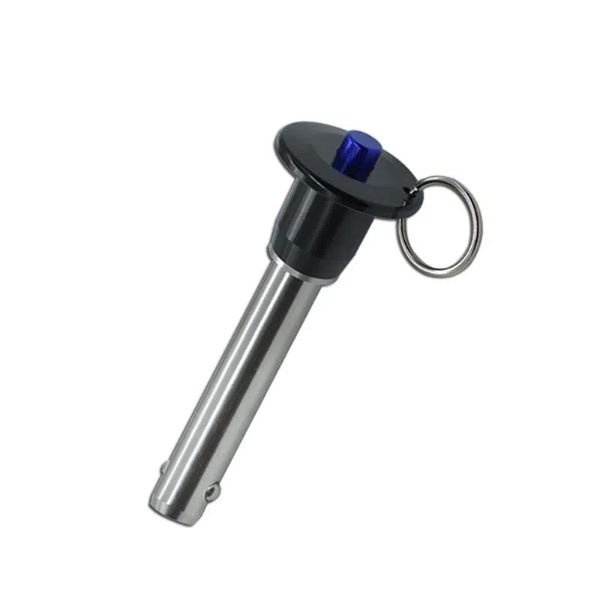
In this application scenario, marine ball lock pins made of stainless steel 316 are the first choice. Its advantages include:
- Superior resistance to salt fog corrosion: Seawater has a high concentration of chlorides, and 316 stainless steel effectively resists pitting and crevice corrosion.
- Long-term service life: Compared to 304 material, 316 is more suitable for long-term exposure to marine environments, reducing maintenance frequency.
- Enhanced structural stability: Ensures the locking pin operates stably over the long term, preventing structural failure caused by corrosion.
Selection Recommendations: Choose the Material Based on the Environment
When selecting stainless steel materials, end users should clearly define the intended usage environment:
When selecting stainless steel materials, end users should clearly define the intended usage environment:
Indoor or dry environments: 304 is sufficient, offering cost-effectiveness and practicality.
Outdoor, marine, or highly corrosive environments: 316 is the preferred choice to ensure safety and durability.
It is important to note that long-term exposure to the environment, surface cleanliness, and usage frequency all influence the answer to the question, “Does 316 Stainless Steel Rust?”
Ball lock pin that won't let you down. Learn does 316 stainless steel rust and why it's the top choice for rugged, corrosion-prone environments.
Ball Locking Pins for Automotive
Ball Locking Pins for Audio Line Array
Related Article
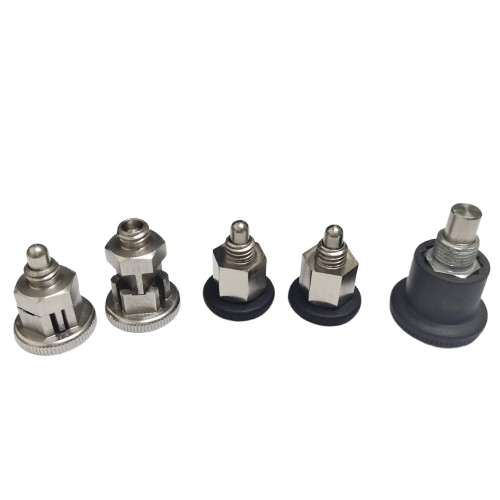
Explore the application of stainless steel materials for customizing mini indexing plungers based on specific operational environments and suitable spaces.
How To Make A Mini Indexing Plunger
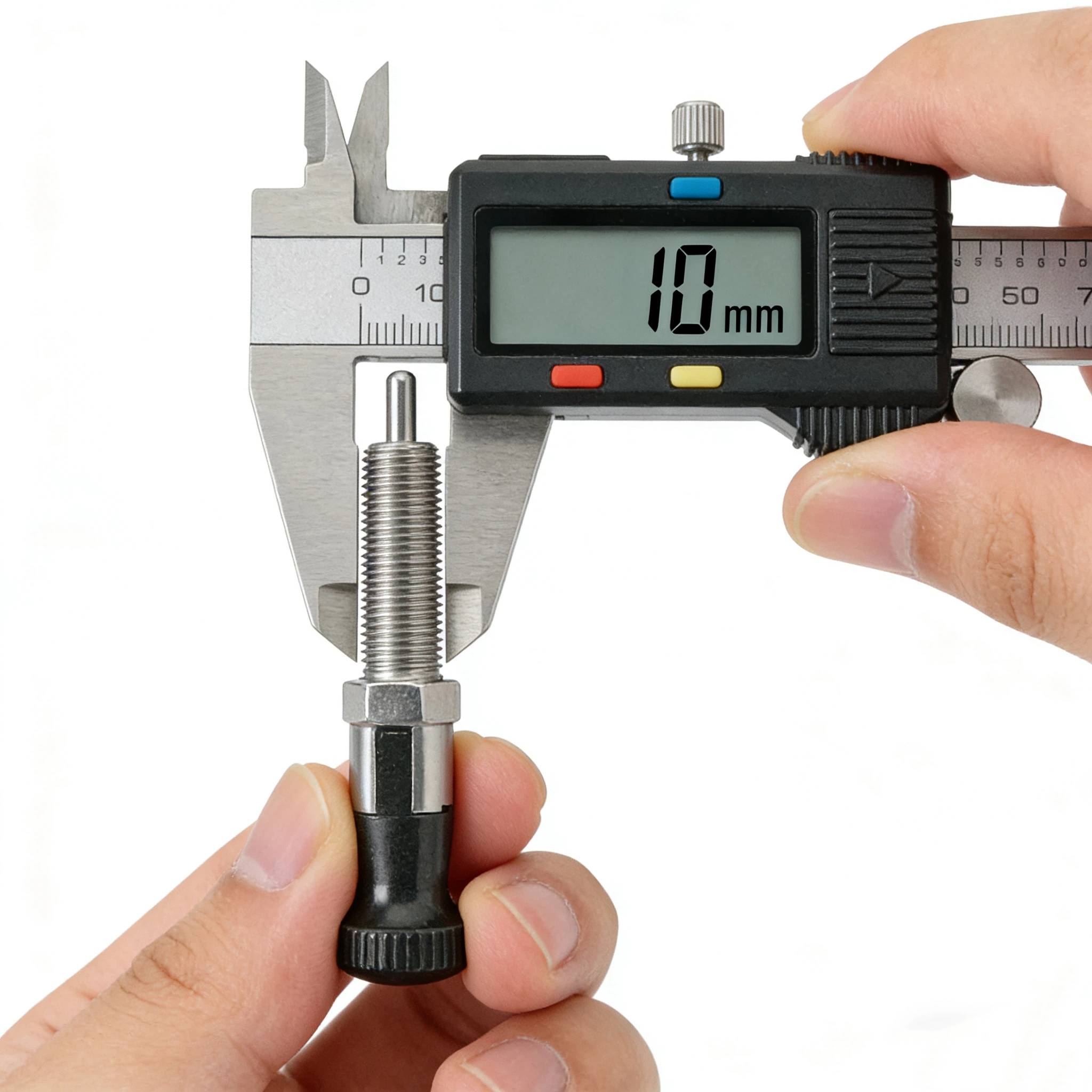
Discover how to choose correct size for indexing elements with confidence. Get precise recommendations that improve positioning accuracy, durability, and overall system performance.
How To Choose Correct Size For Indexing Elements