Hardware Materials
author: Fiona Yang
2025-08-26

Hardware Materials
The quality of hardware materials is crucial in manufacturing, construction, and engineering. The choice of material directly impacts the durability, performance, and reliability of components, from the smallest fastener to the most complex mechanical device. Understanding the properties of different materials is crucial for selecting the right components and ensuring their longevity and optimal function.
Hardware components are subject to a variety of stresses, including friction, impact, corrosion, and extreme temperatures. The choice of material determines the component's ability to withstand these conditions. Common materials include:
Stainless steel: Corrosion-resistant, it is ideal for applications requiring durability in harsh environments, such as marine, medical, and food processing. Types 303, 304, and 316 are the most common.
Alloy steel: High strength and wear resistance, it is often heat-treated with processes such as black oxide coating to enhance corrosion resistance. It is the material of choice for highly stressed mechanical components.
Carbon steel: High strength, it is often used in applications requiring stringent hardness. It is often plated or coated to prevent rust.
Aluminum: It is favored for its excellent strength-to-weight ratio, corrosion resistance, and electrical conductivity. It is well-suited for applications requiring weight reduction. Brass: Offers excellent corrosion resistance, electrical conductivity, and machinability. It is commonly used in electrical components and low-friction applications.
Plastics: Offer excellent electrical insulation, corrosion resistance, and low friction. They are ideal for lightweight applications and corrosive environments.
Specialized precision components perfectly demonstrate the advantages of choosing the right material. The following are two examples where the positioning and securing of parts in machinery and fixtures are crucial.
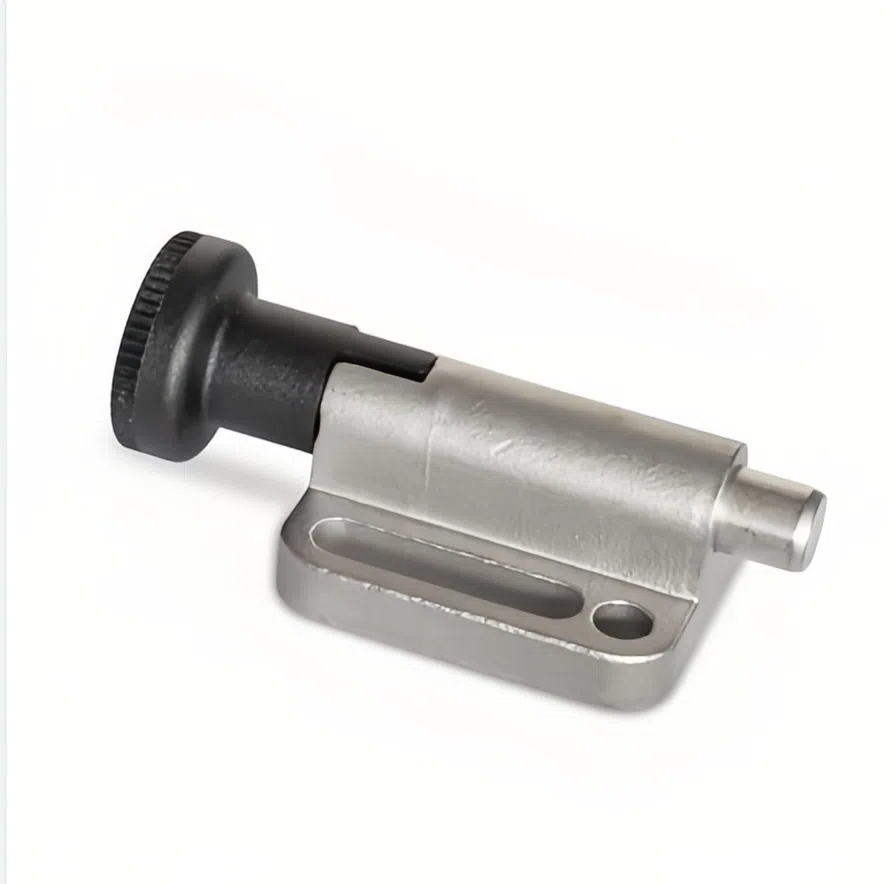
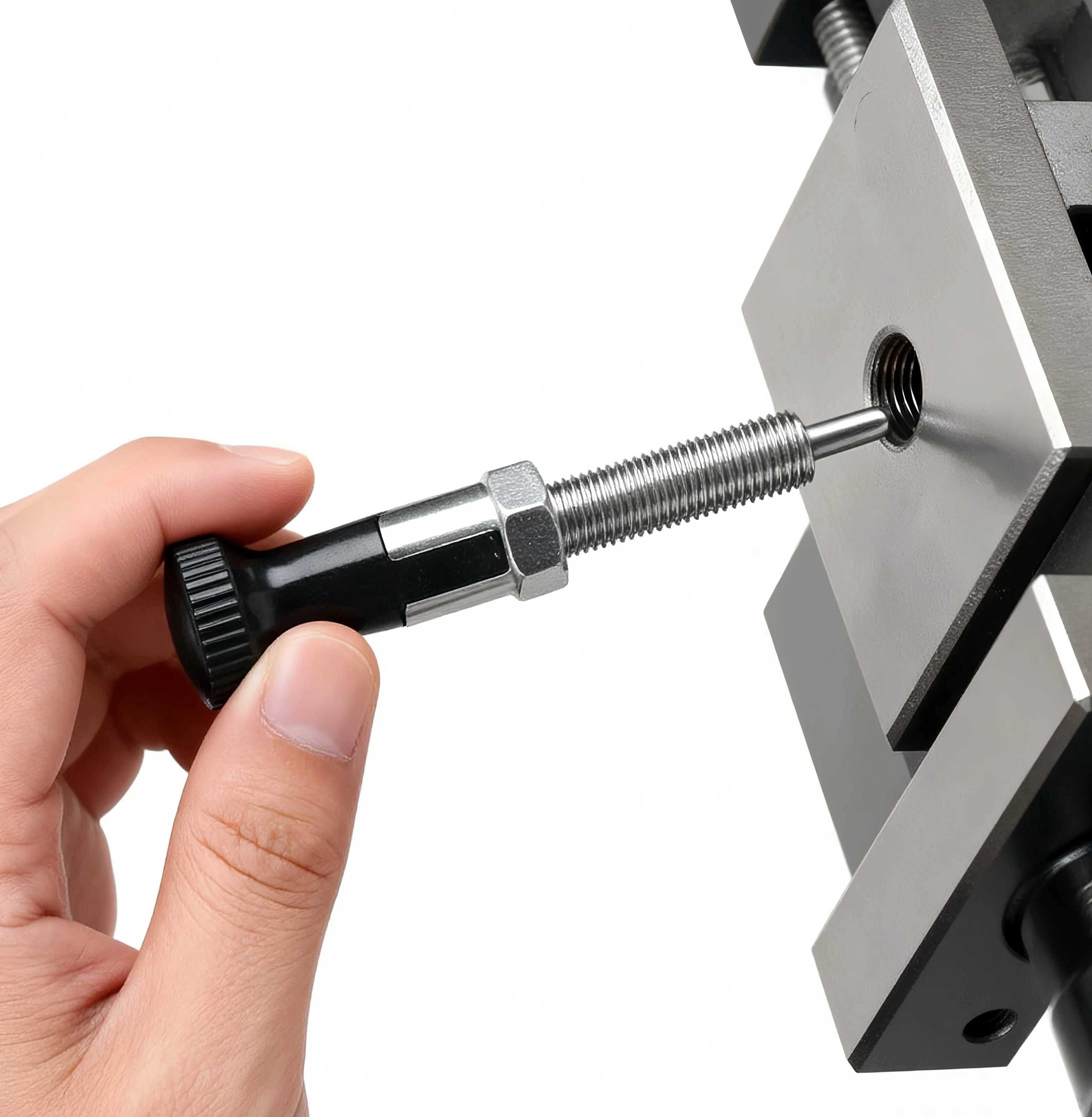
A locking plunger is a precision mechanical device designed to precisely locate and secure a moving part in a specific position. They typically contain a spring-loaded pin that engages a locating hole or slot in a mating component. The performance of a locking plunger depends on its material. The plunger body is typically machined from stainless steel for strength and corrosion resistance. The internal spring is made of stainless steel to ensure constant tension and a long life without fatigue. The plunger tip is typically made of stainless steel to prevent wear and deformation from repeated engagement.
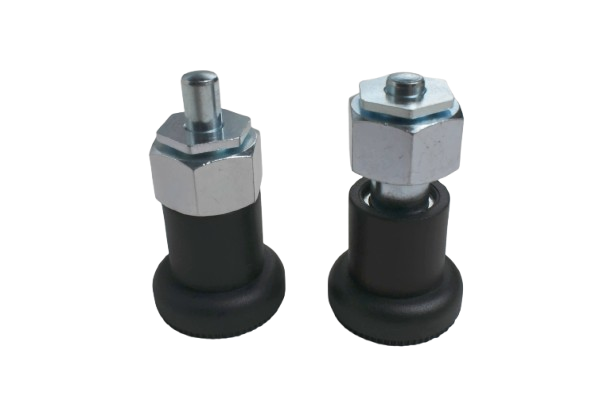
A ball locking pin is a quick-release fastener designed for rapid insertion and removal. They feature a push-button mechanism that retracts the locking ball into the pin body, making it easy to insert or remove from the hole. When the button is released, the locking ball extends, locking the pin securely in place. The pin body is typically made of stainless steel to prevent bending and shearing under load. The locking ball is also made of stainless steel to ensure it maintains its shape and surface finish after thousands of cycles. The internal spring must be strong and durable, typically made of stainless steel, to provide reliable locking force without failure.

From general-purpose fasteners to specialized components like indexing plungers and ball locking pins, material choice is not just a minor detail; it's a decisive factor in performance, safety, and longevity. Contact us to learn more!
CNC Machining In China
Line Array Speaker Components
Related Article
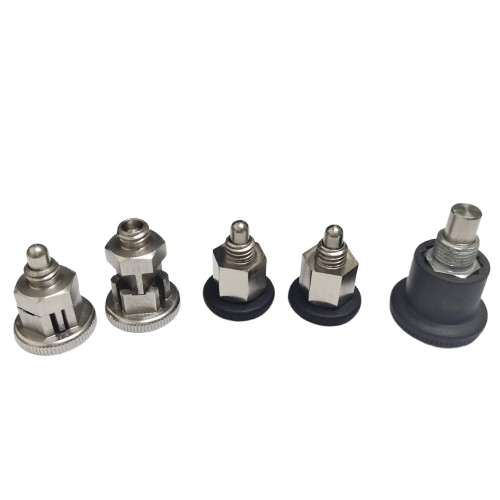
Explore the application of stainless steel materials for customizing mini indexing plungers based on specific operational environments and suitable spaces.
How To Make A Mini Indexing Plunger
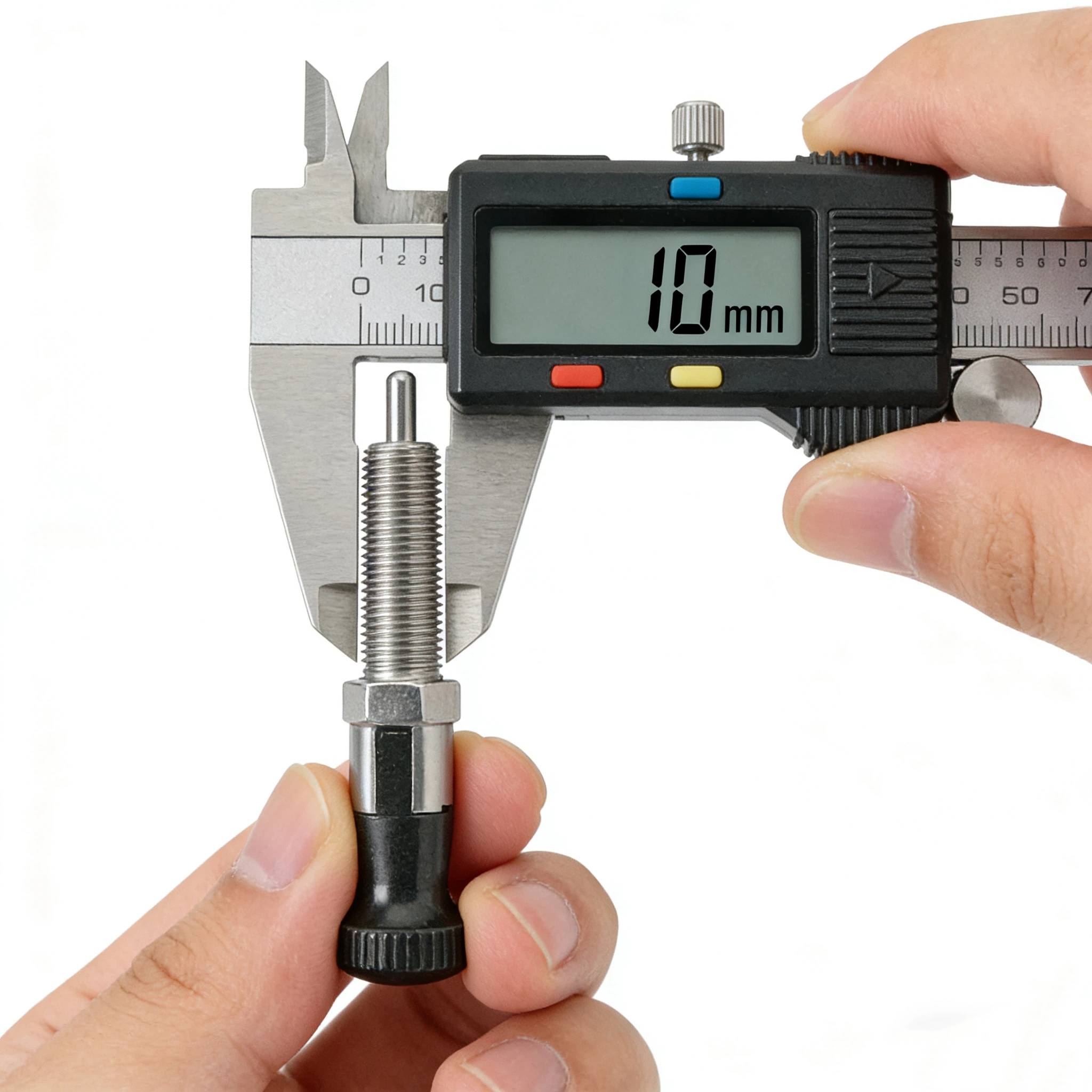
Discover how to choose correct size for indexing elements with confidence. Get precise recommendations that improve positioning accuracy, durability, and overall system performance.
How To Choose Correct Size For Indexing Elements