How Do You Start A Custom CNC Machining Project
author: Fiona Yang
2025-09-20
How Do You Start A Custom CNC Machining Project
Table of Contents
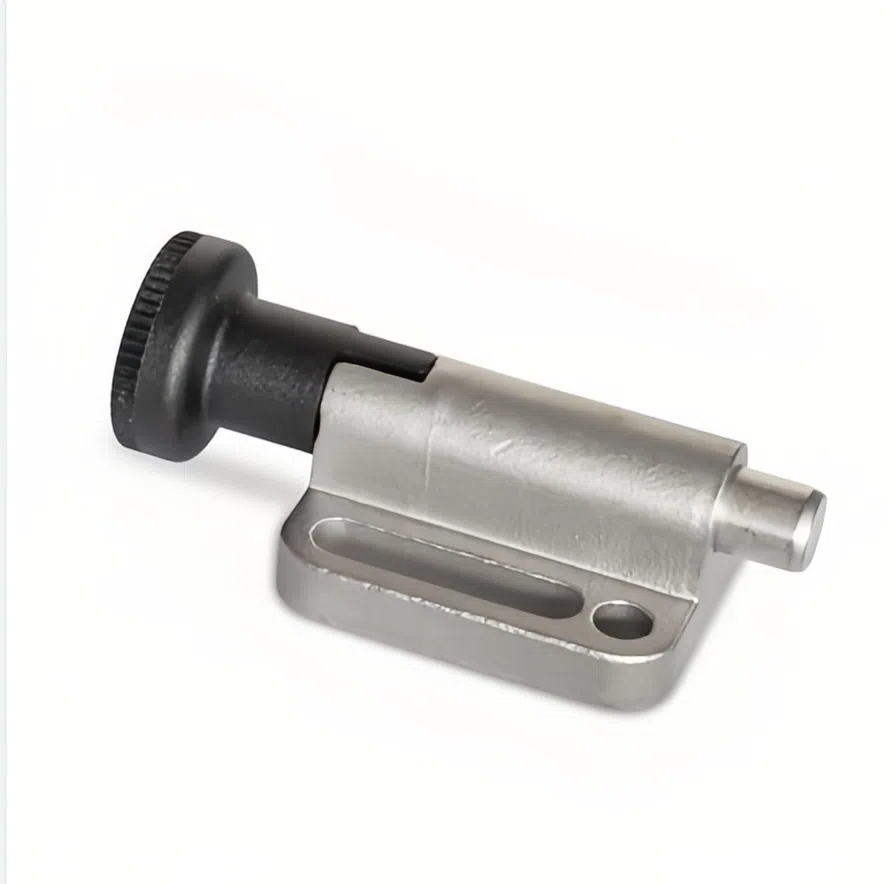
Embarking on a custom CNC machining project requires careful planning and close collaboration with the right manufacturing partner. Whether you're developing new automation equipment or improving existing machinery, the process includes several key steps to ensure success. Pay special attention to critical components like indexing plungers and ball locking pins, which often play a vital role in mechanical assembly.

Step 1: Define Project Requirements
Begin by outlining the specific requirements of your project. Consider the part's function, operating environment, required materials, and quality standards. For components like indexing plungers, which provide precise positioning in fixtures and automation equipment, details such as spring tension, tip material, and locking mechanism must be specified. Similarly, for ball locking pins used in quick-release systems, requirements may include tensile strength, tolerance grade, and environmental resistance.
Step 2: Prepare Detailed Design Documents
Use CAD software to create complete 3D models and technical drawings. Clearly annotate critical features, especially those that impact the function of precision components. For example, if your project includes an indexing plunger, specify the bore diameter, engagement angle, and required positioning accuracy. For ball locking pins, define the shaft diameter, ball size, and retaining mechanism to ensure safe operation.
Step 3: Select a Qualified Manufacturing Partner
Select a manufacturer with extensive experience in precision component production. Look for one with extensive experience machining indexing plungers and ball locking pins, as these components require expertise in spring-loaded mechanisms and precision spherical mating surfaces. Review their quality certifications, inspection capabilities, and experience in your industry.
Step 4: Prototype Design and Testing
Before committing to full production, request a prototype to validate your design concept. Test the indexing plunger's engagement and repeatability. Verify that the ball locking pin securely locks and smoothly releases under expected operating conditions. This stage will help identify any necessary adjustments before launching into full production.
Step 5: Production Launch and Quality Assurance
Once the prototype is approved, the manufacturer will establish comprehensive quality control measures. For precision components like indexing plungers and ball locking pins, this typically includes: statistical process control during machining, 100% functional testing of the spring mechanism and locking feature, dimensional verification using a coordinate measuring machine (CMM), and surface finish verification to specification.
Contact our team to discuss your custom machining needs, including specialized components like indexing plungers and ball locking pins.
What Is Anodising
What Is Cnc In Engineering
Related Article
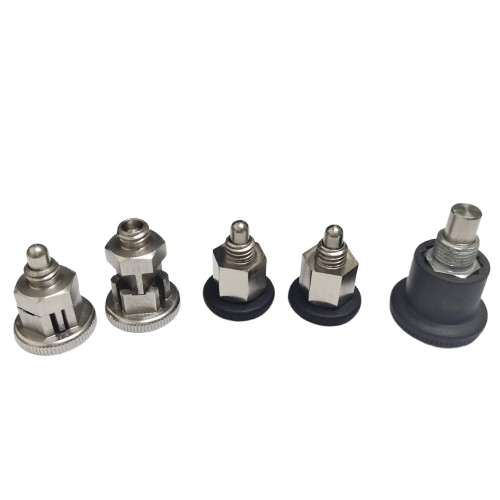
Explore the application of stainless steel materials for customizing mini indexing plungers based on specific operational environments and suitable spaces.
How To Make A Mini Indexing Plunger
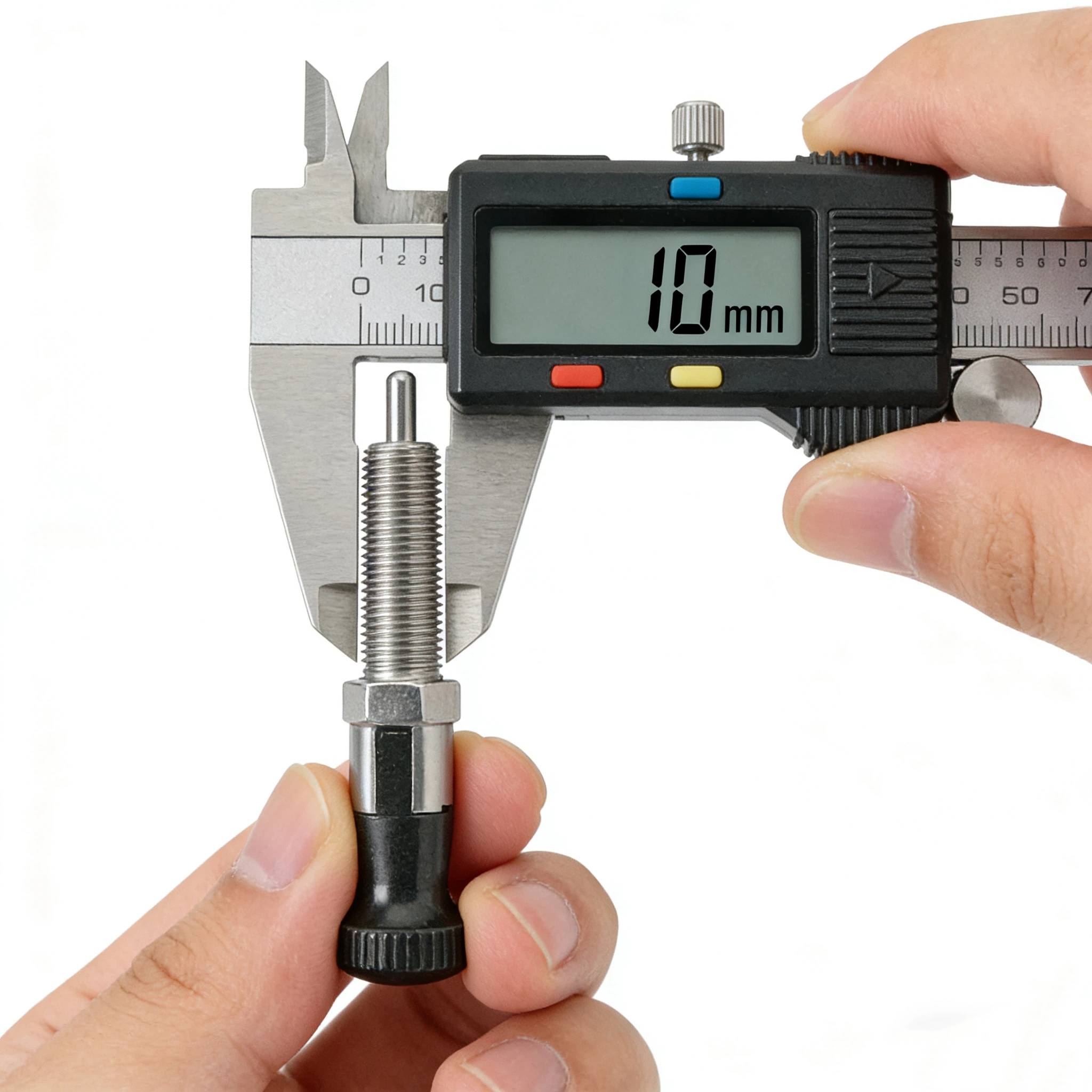
Discover how to choose correct size for indexing elements with confidence. Get precise recommendations that improve positioning accuracy, durability, and overall system performance.
How To Choose Correct Size For Indexing Elements