How Much Do Custom Machined Parts Really Cost
How Much Do Custom Machined Parts Really Cost?
If you're sourcing custom machined parts, you've probably asked this question more than once. The truth is, there's no single, fixed price for precision machining. The final cost of a part depends on a variety of factors—some obvious, others less so. At Mocayo, we believe in transparent pricing.
Key Factors Affecting Cost:
Material Cost: This is typically the most straightforward factor. Are you machining aluminum, stainless steel, brass, or a high-performance engineered plastic like PEEK? The material cost of each blank, its machinability, and scrap will all affect the final price.
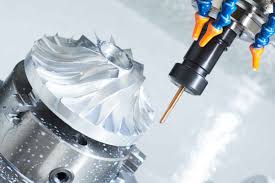
Part Design and Complexity: A simple bracket costs much less to produce than a complex housing with intricate features. Complexity increases machining time, requires more specialized tooling, and may require additional setup on more advanced machines, such as five-axis machines. Design for Manufacturability (DFM) is key to controlling costs.
Quantity and Volume: Unit costs generally decrease as production volume increases. This is because the fixed costs of programming, setup, and creating first-article inspection reports are spread over more parts. For prototypes or small batches, the unit price will be higher, reflecting the impact of these initial setup activities. Tolerances and Finishing: Maintaining a tolerance of ±0.005 inches is standard. Maintaining critical tolerances of ±0.0005 inches requires more time, slower machining speeds, specialized metrology equipment, and a higher skill level, all of which increase costs. Similarly, secondary finishing operations (such as anodizing, plating, and powder coating) can also add time and cost.
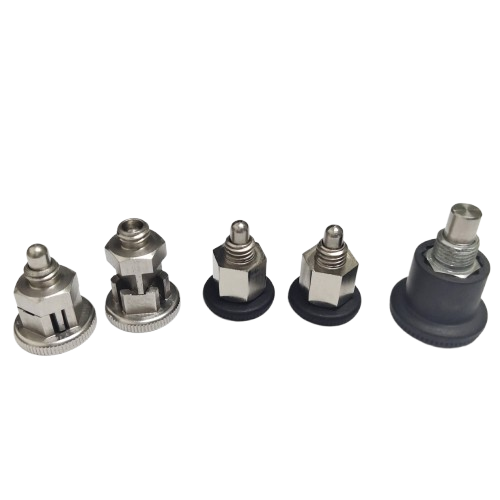
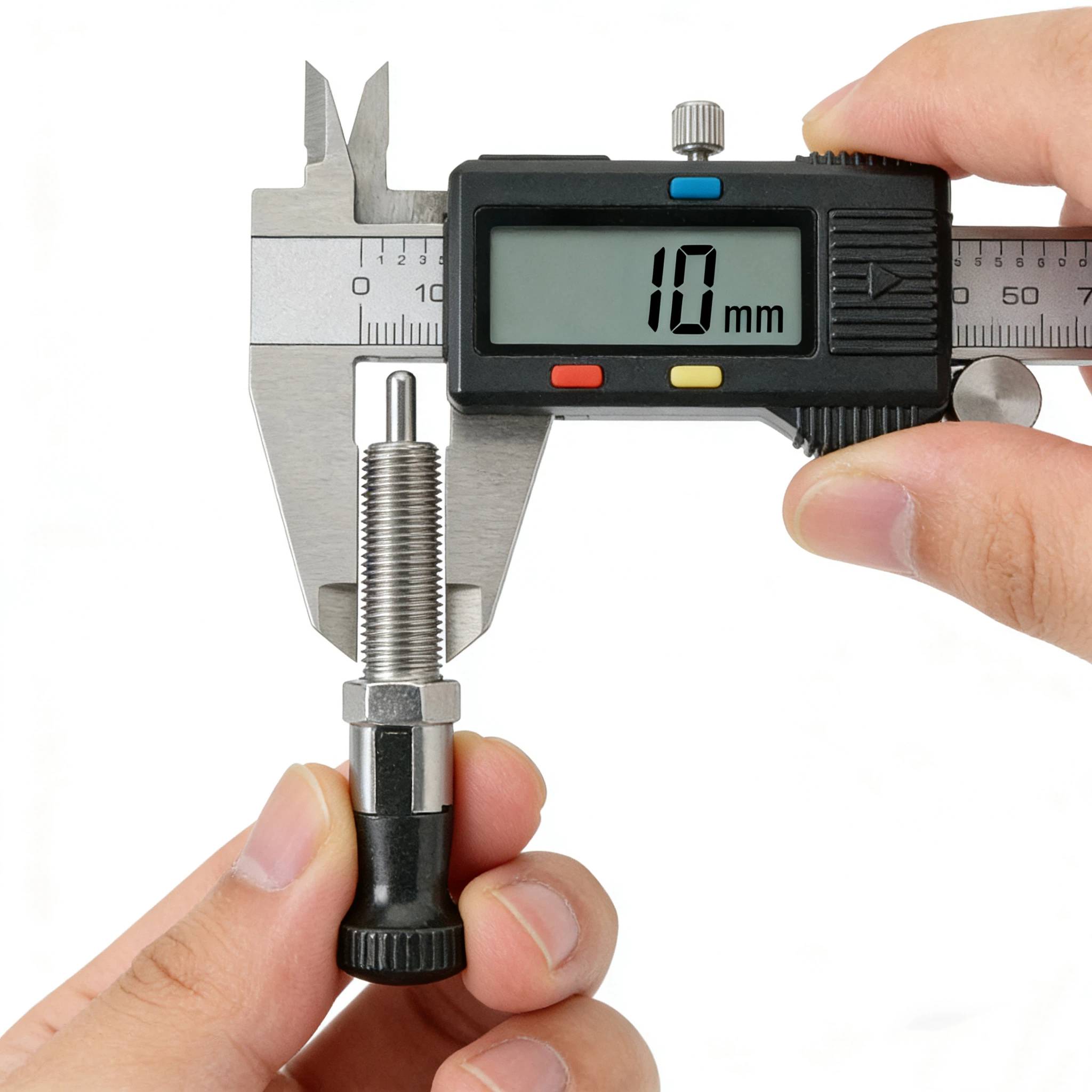
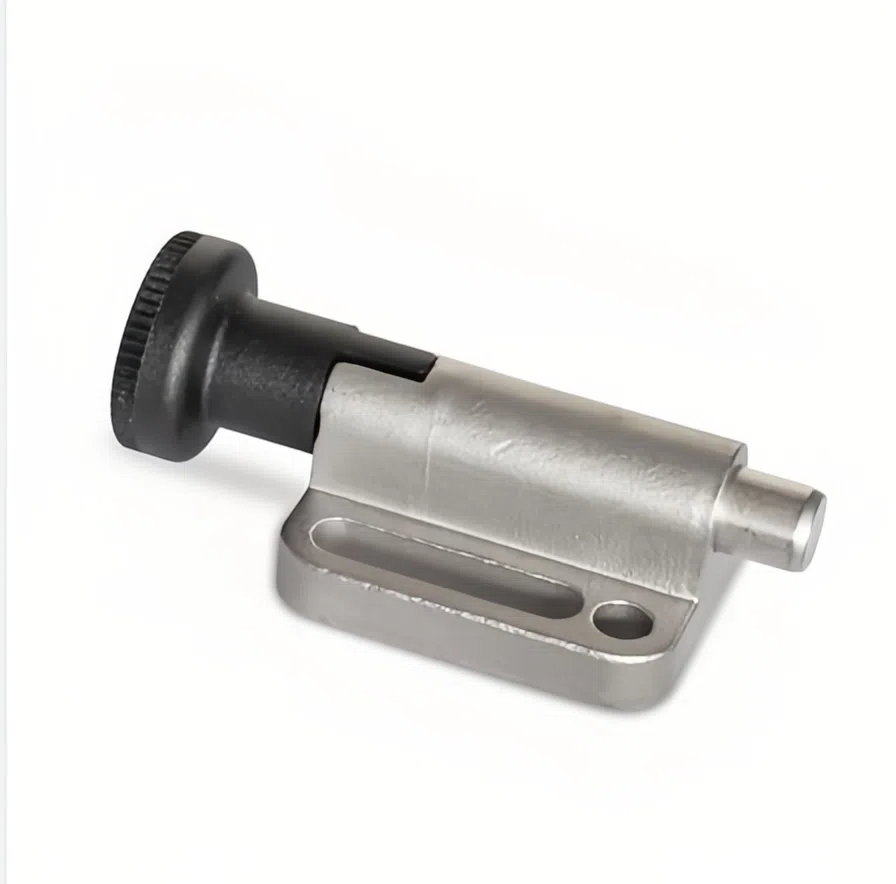
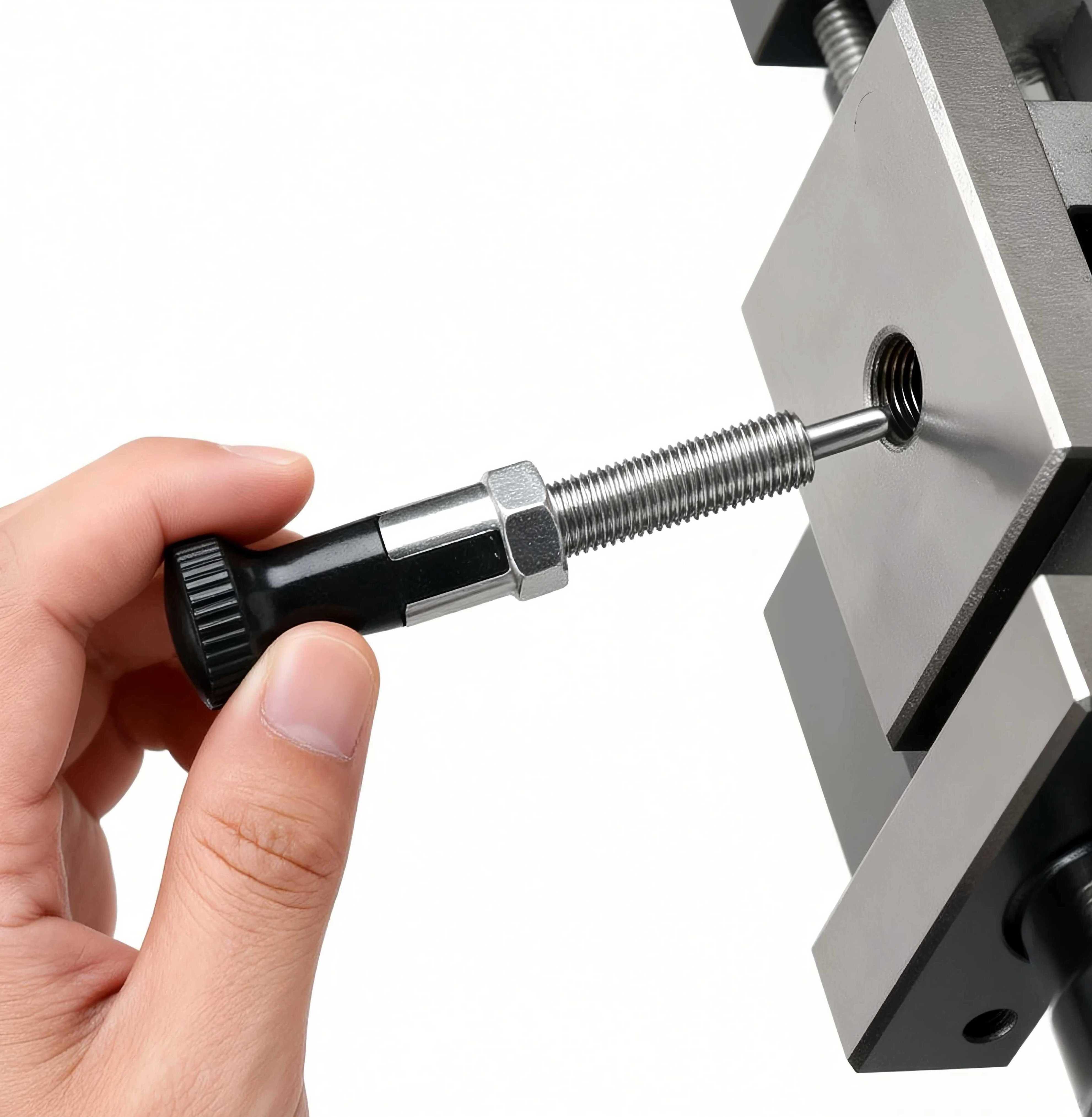
It's a common misconception that small parts mean low cost. Precision parts often require excessive attention to detail. Examples include spring plungers and ball locking pins.
These are more than just simple pins. Spring plungers require precision machining of their bodies, threads, and bores to ensure smooth, consistent plunger action and precise repeatability. The spring force and tip material also influence cost.
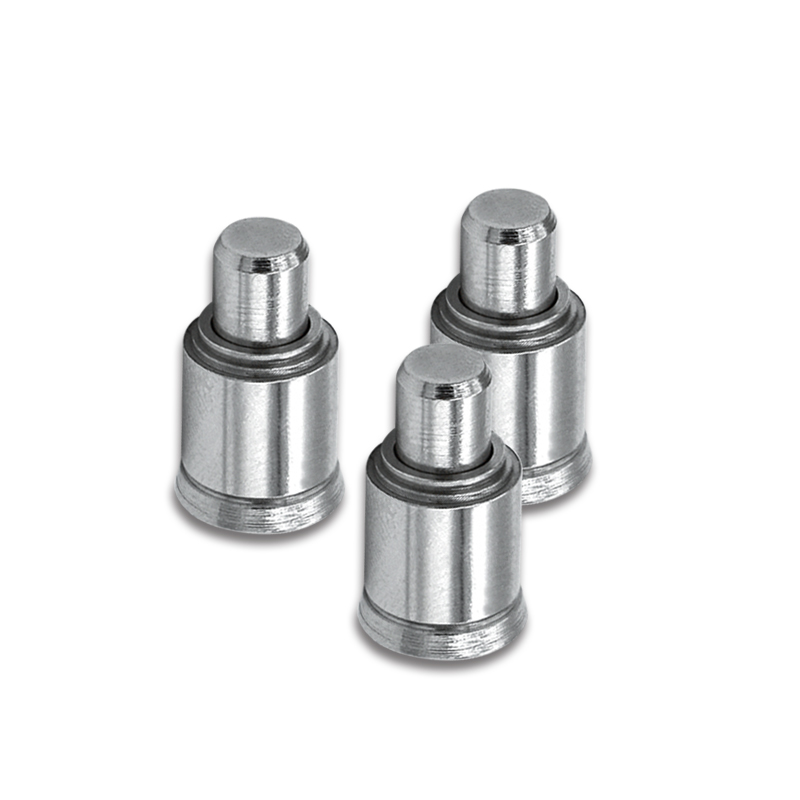
Similarly, the cost of ball locking pins depends on the precise machining of the cross-hole in the retaining ball, the necessary case hardening for wear resistance, and the assembly of the internal spring mechanism to ensure reliable locking and quick release under load.

For these components, exceptional quality—reliability, consistency, and long life—justifies the investment. A cheap, poorly machined plunger or locking pin can cause machine downtime, positioning errors, and safety hazards, costing you more in the long run. While initial cost is important, the true value lies in the total cost of ownership. Don't hesitate to contact us.
Conveyor Ball Transfer
CNC Machining Services For Automotive And Racing
Related Article