Indexing and Detent Plungers
author: Fiona Yang
2025-07-22
Indexing and Detent Plungers
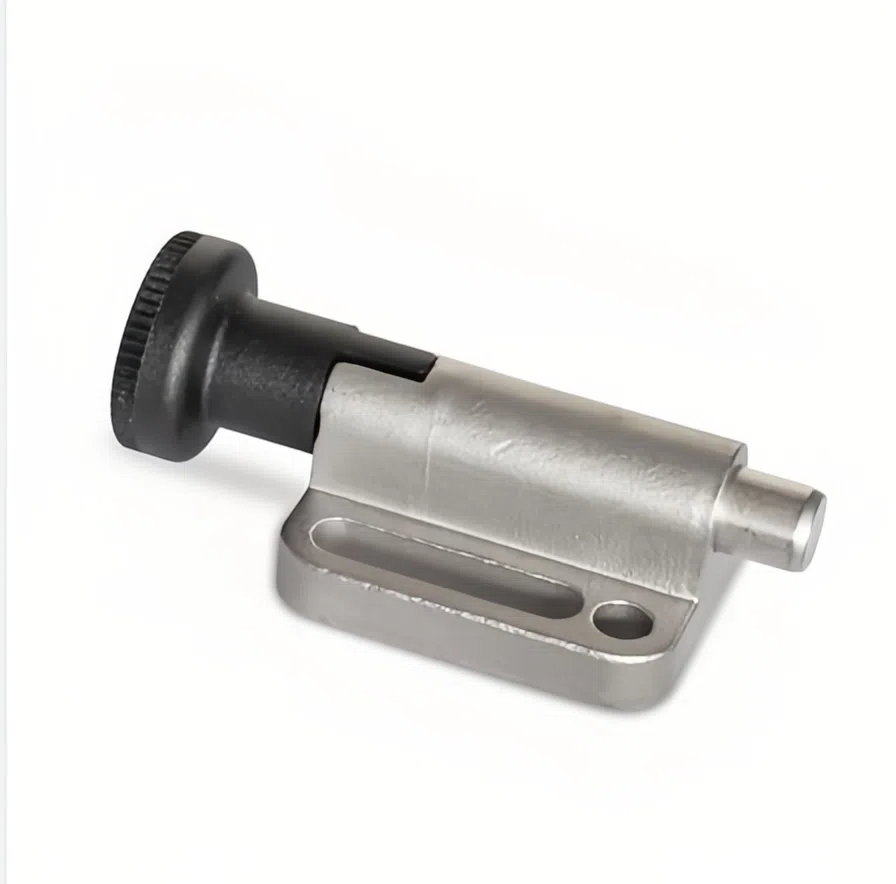
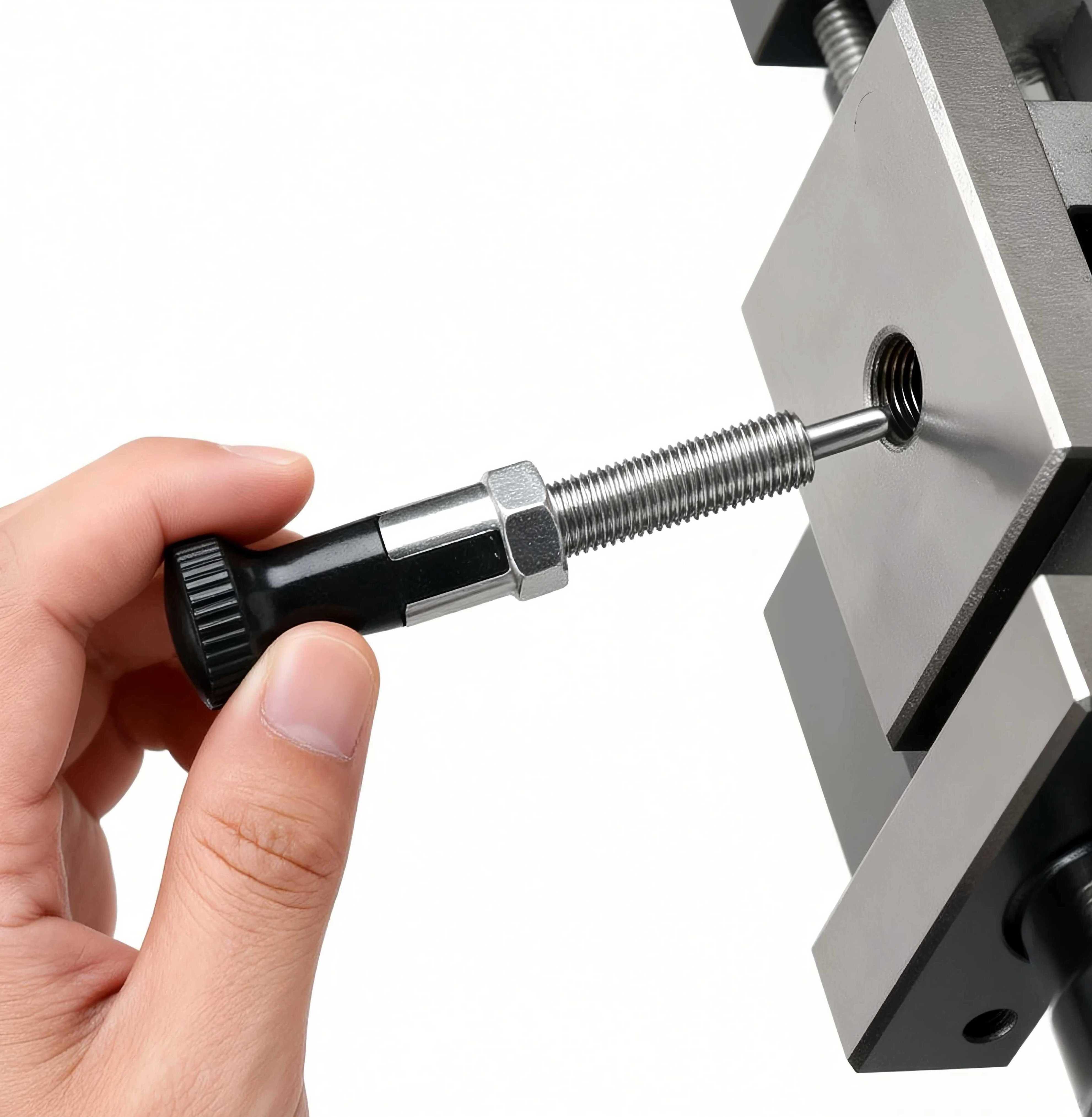
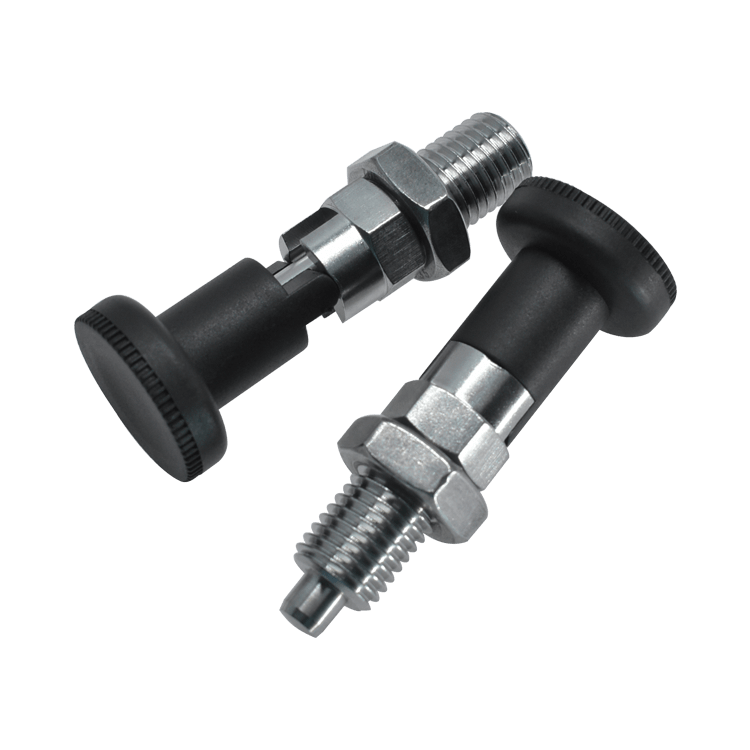
In the realm of mechanical positioning and secure locking, indexing plungers and detent plungers serve as fundamental, reliable components. These spring-loaded devices provide essential functionality for locating parts, holding fixtures, or controlling movement in machinery, tooling, and equipment. Their operation hinges on simple, robust mechanics: a spring forces a ball or pin outward to engage with a recess or hole. Disengagement is typically achieved by pulling or pushing a knob or handle, retracting the locking element against the spring pressure. This straightforward action delivers secure, repeatable positioning critical for numerous applications.
While the terms are sometimes used loosely, there's a key functional distinction. Indexing plungers are specifically designed for applications requiring sequential positioning. They engage with a series of precisely spaced holes or notches (like on an index plate), enabling controlled, discrete rotational or linear movement between fixed points. Accurate positioning for machining or assembly steps is their primary role. Detent plungers, conversely, generally provide a single, secure "home" position or act as a simple locking mechanism to prevent unintended movement. They offer a stable resting point or a tactile "click" feel when a component reaches its designated location. Both types, however, share the core principle of positive location via spring-loaded engagement.

Indexing plungers typically require a deliberate manual action (pulling a knob) to disengage the ball or pin from its recess, allowing movement to the next position. This positive locking is crucial for safety and accuracy during indexing sequences. Detent plungers often allow movement by applying sufficient force to overcome the spring pressure, causing the ball to retract momentarily as it moves over a ramp or out of its detent, eventually snapping into the next position. This provides a simpler, often tool-free way to move between positions with tactile feedback, though potentially with less absolute holding force than a fully engaged indexing plunger requires manual release for.

Choosing between an indexing plunger and a detent plunger depends heavily on the application's demands for security, precision, and required user interaction. Indexing plungers are indispensable where absolute positional accuracy and prevention of accidental movement during operation are paramount, such as in precision fixtures or machining indexes. Detent plungers excel in applications needing simpler operation, tactile feedback for position confirmation, or frequent manual adjustments, like adjustable levers or access panels. Both remain vital, mechanical solutions for controlled positioning and secure locking across countless industries.
Heavy Duty Indexing Plungers
Ball Lock Indexing Plungers
Related Article
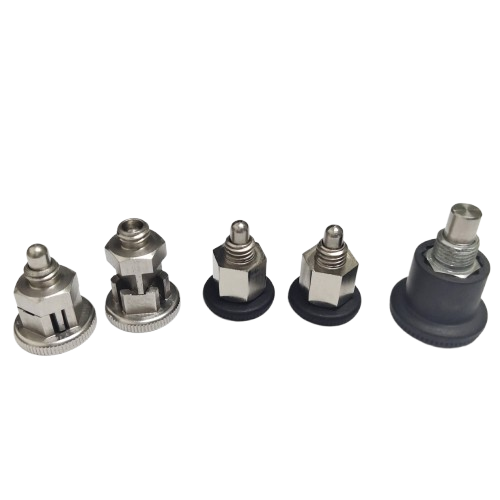
Explore the application of stainless steel materials for customizing mini indexing plungers based on specific operational environments and suitable spaces.
How To Make A Mini Indexing Plunger
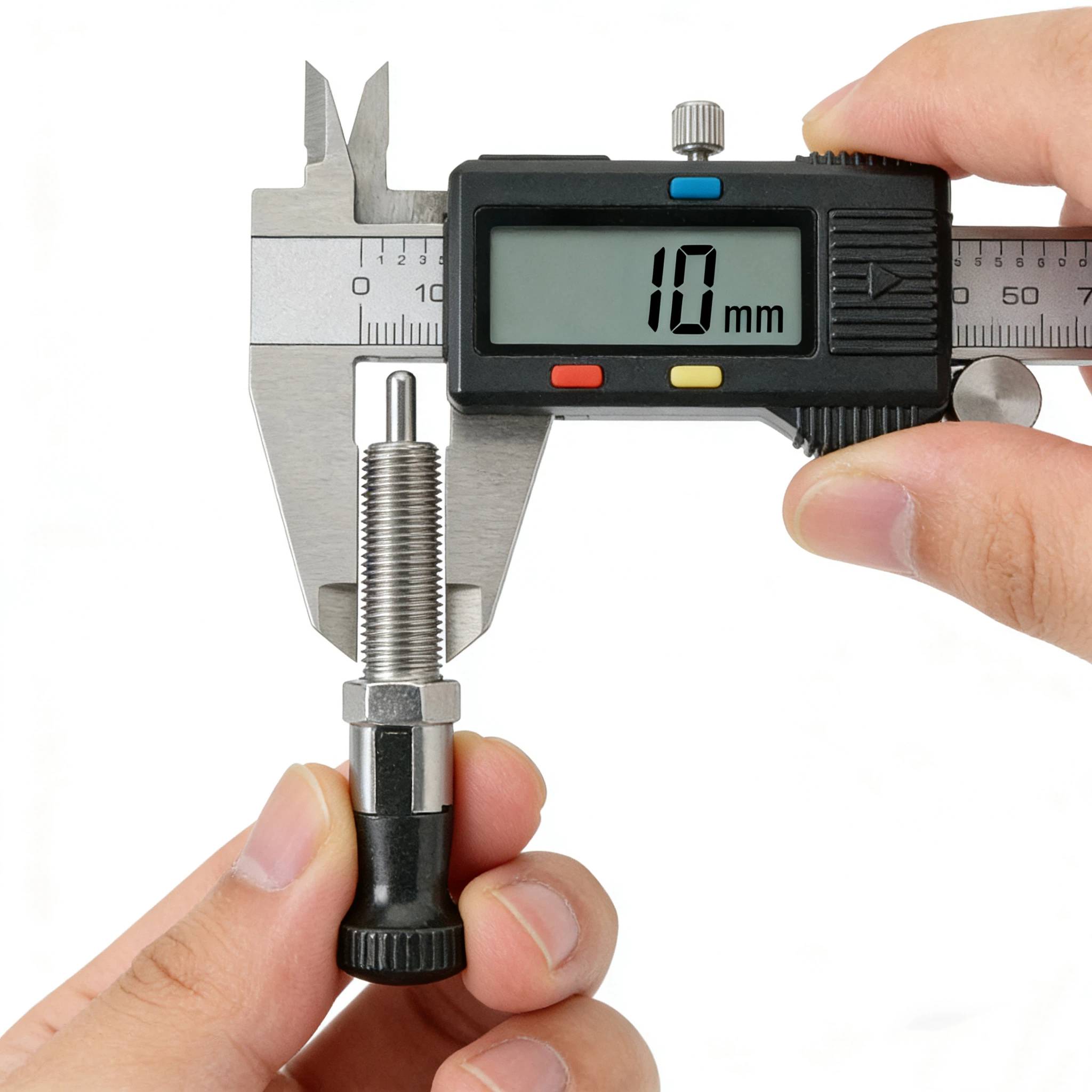
Discover how to choose correct size for indexing elements with confidence. Get precise recommendations that improve positioning accuracy, durability, and overall system performance.
How To Choose Correct Size For Indexing Elements