Indexing Plunger Delivers Marine-Grade Positioning Precision: Revolutionizing Electronics Mounting on Naval Vessels
author: Fiona Yang
2025-11-21
Indexing Plunger Delivers Marine-Grade Positioning Precision: Revolutionizing Electronics Mounting on Naval Vessels
Table of Contents
--------------Ensuring Critical Systems Stability in Demanding Sea Conditions
The Critical Need for Secure Electronics Positioning at Sea
In the demanding marine environment, the reliable performance of electronic systems - from radar and navigation equipment to communication devices - is paramount to vessel safety and operational effectiveness. Traditional mounting solutions struggle to maintain precise positioning under constant vibration, wave impacts, and the corrosive effects of saltwater exposure. The naval industry requires a robust positioning mechanism that enables quick instrument adjustments while guaranteeing unwavering stability in the harshest sea conditions.
The Indexing Plunger's Marine-Optimized Locking Mechanism
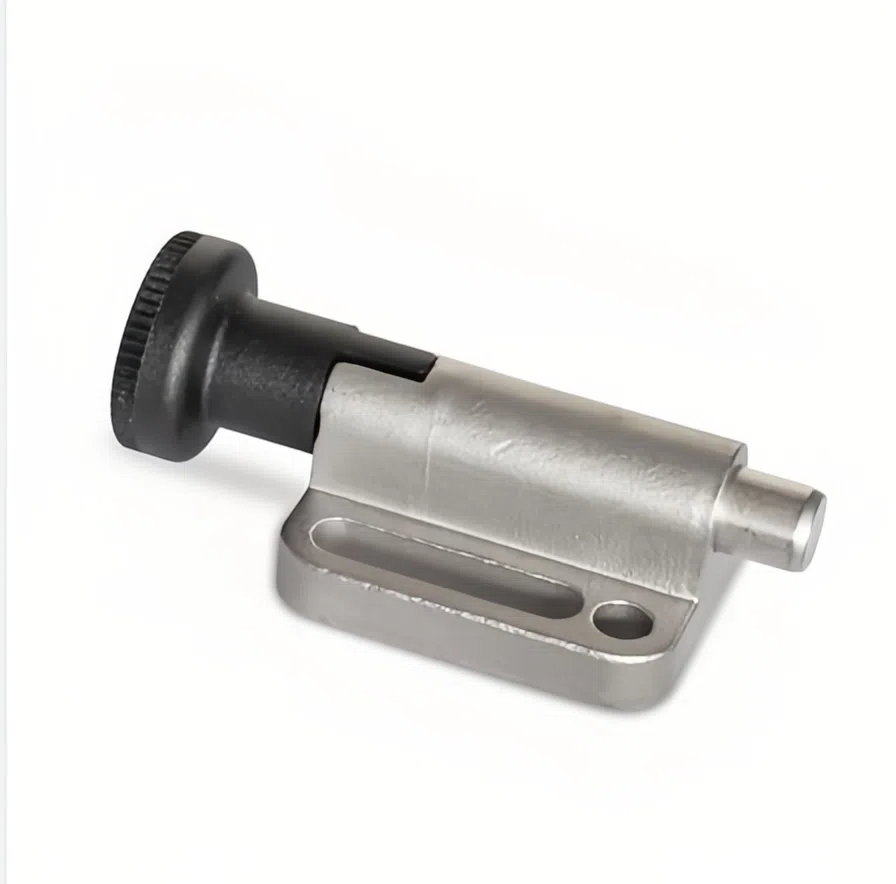
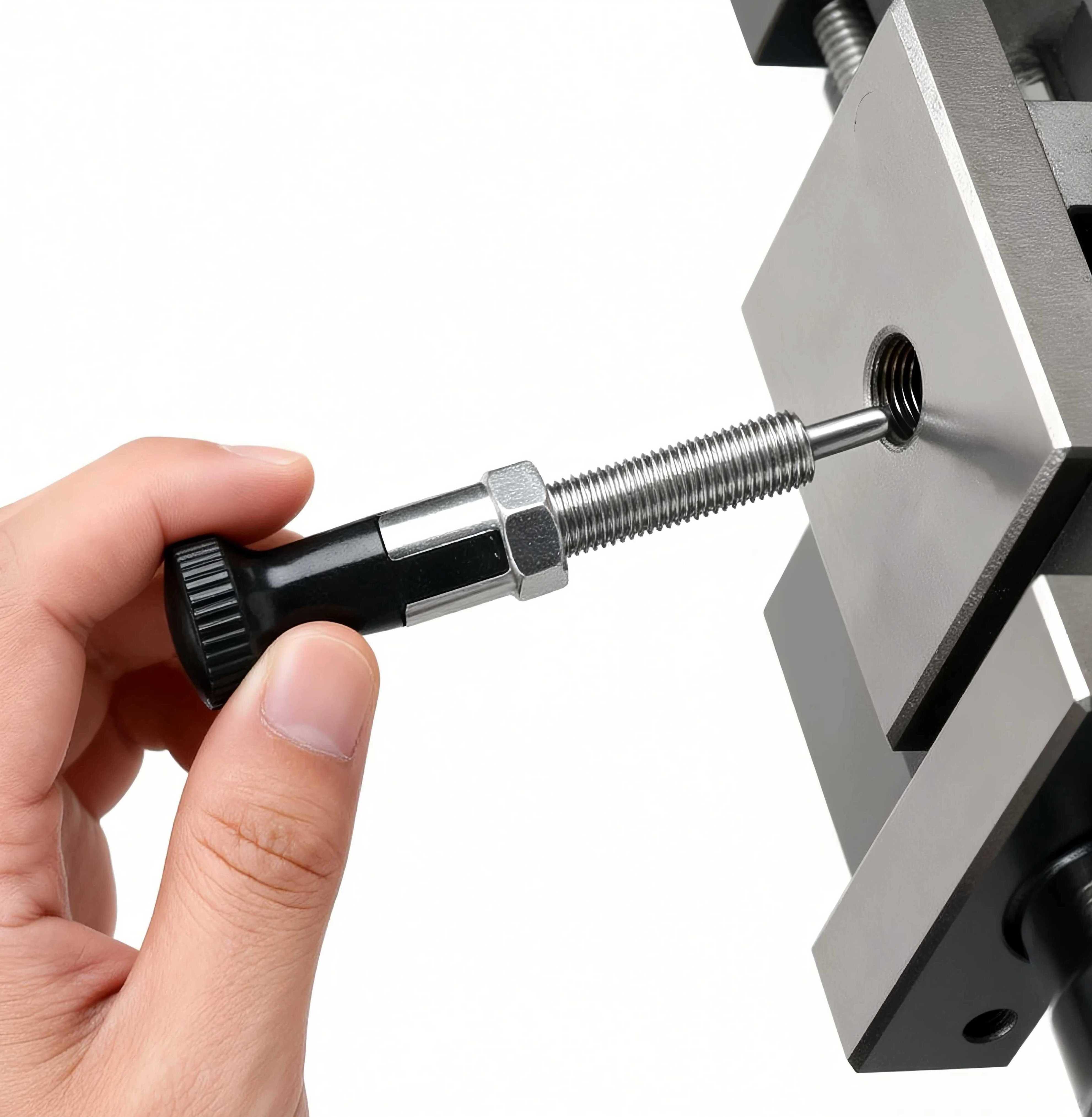
The marine-grade indexing plunger meets this challenge through an engineered spring-loaded system specifically designed for naval applications. The mechanism features a precision-ground ball bearing that engages with reinforced detents in the mounting rail, creating multiple secure positions with positive tactile confirmation. A specialized sealing system protects the internal components from saltwater corrosion and particulate contamination, while the high-strength spring ensures maintained engagement despite continuous vessel motion and impact loads.
Application in Naval Electronics Mounting Systems
This technology is being implemented across critical marine electronic installations:
-
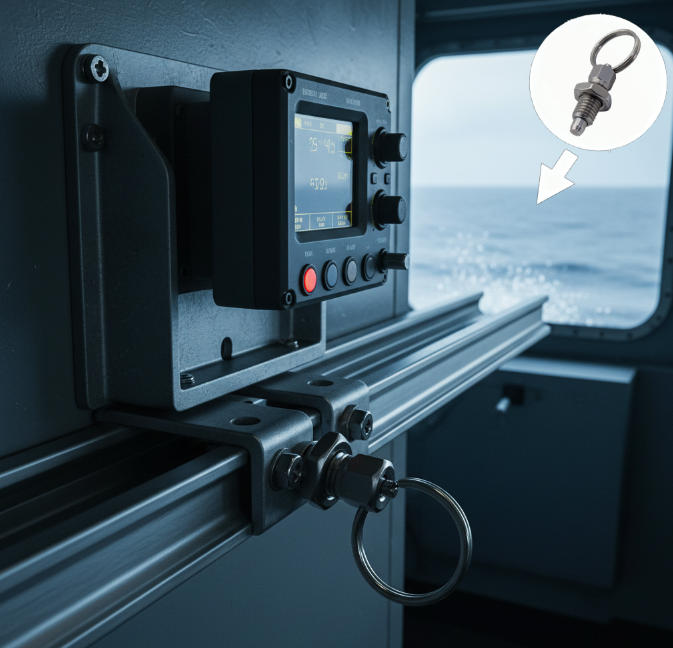
Radar and Antenna Positioning: Enables precise angular adjustments for optimal signal transmission while maintaining absolute position security during heavy weather operations
-
Bridge Console Organization: Allows rapid reconfiguration of display units and control panels to accommodate different operational modes and crew preferences
-
Emergency Equipment Mounting: Provides instant access and secure storage for communication terminals and navigation aids that require both quick deployment and rock-solid positioning reliability
FAQ
Question 1:
How does the indexing plunger maintain position integrity during extreme wave impacts?
Answer:
The high-force spring mechanism and deep-detent design create a mechanical lock that withstands shock loads far exceeding normal sea conditions, preventing accidental position changes during violent vessel motion.
How does the indexing plunger maintain position integrity during extreme wave impacts?
Answer:
The high-force spring mechanism and deep-detent design create a mechanical lock that withstands shock loads far exceeding normal sea conditions, preventing accidental position changes during violent vessel motion.
Question 2:
What corrosion protection measures are implemented for long-term saltwater exposure?
Answer:
The system utilizes 316 stainless steel components with marine-grade coatings, combined with triple-sealed mechanisms that prevent saltwater intrusion and corrosion damage throughout the product lifecycle.
What corrosion protection measures are implemented for long-term saltwater exposure?
Answer:
The system utilizes 316 stainless steel components with marine-grade coatings, combined with triple-sealed mechanisms that prevent saltwater intrusion and corrosion damage throughout the product lifecycle.
Question 3:
What maintenance is required for reliable long-term operation?
Answer:
The sealed mechanism requires only periodic visual inspection and freshwater rinsing during normal vessel maintenance cycles, with no lubrication or adjustment needed under standard operating conditions.
What maintenance is required for reliable long-term operation?
Answer:
The sealed mechanism requires only periodic visual inspection and freshwater rinsing during normal vessel maintenance cycles, with no lubrication or adjustment needed under standard operating conditions.
Self Lock Pin For Cars & Gym Devices
How Do Bimini Top Pins Work
Related Article
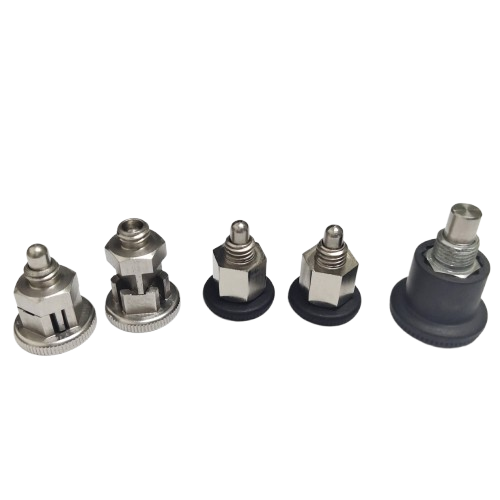
Explore the application of stainless steel materials for customizing mini indexing plungers based on specific operational environments and suitable spaces.
How To Make A Mini Indexing Plunger
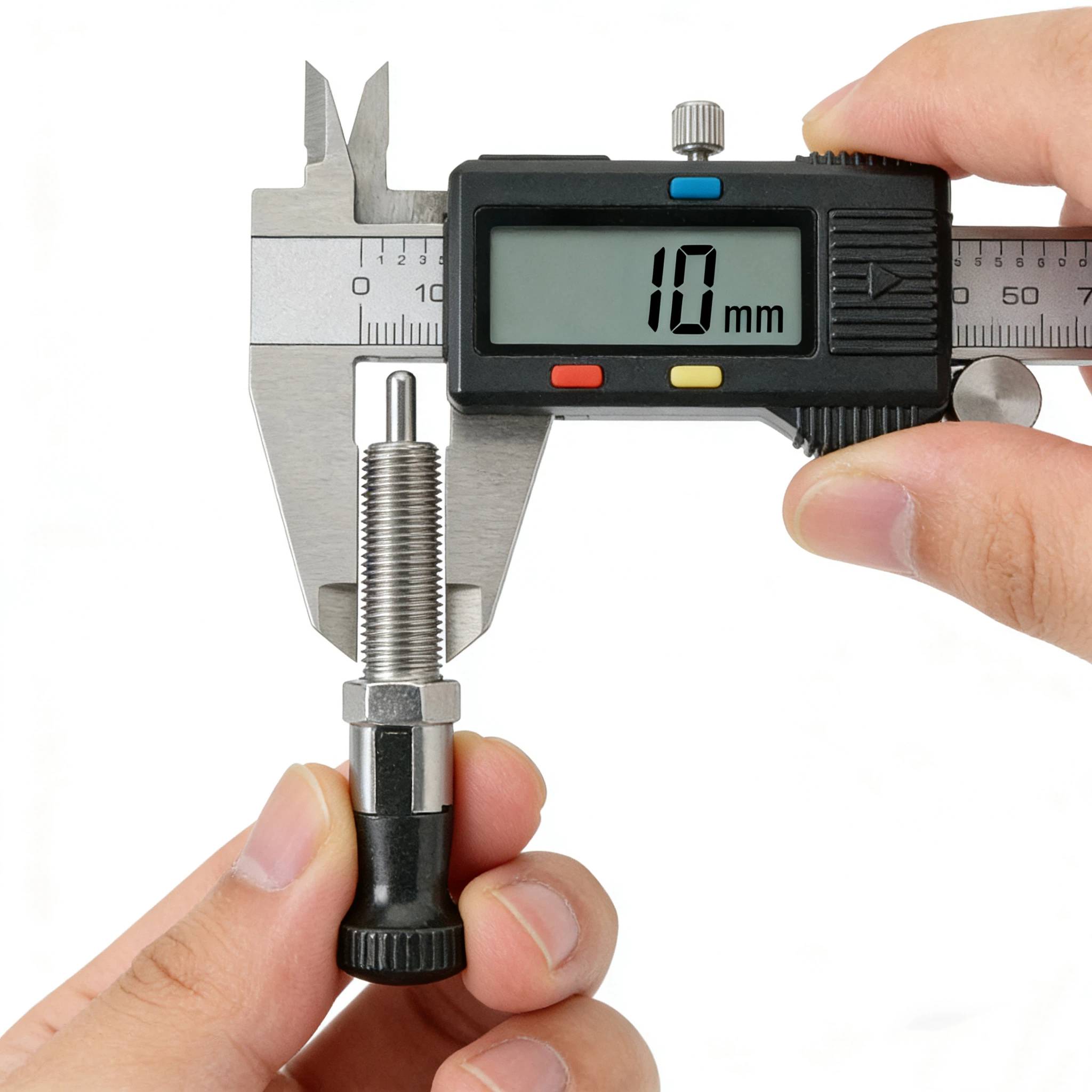
Discover how to choose correct size for indexing elements with confidence. Get precise recommendations that improve positioning accuracy, durability, and overall system performance.
How To Choose Correct Size For Indexing Elements