Is Stainless Steel Magnetic
Is Stainless Steel Magnetic?
Stainless steel is renowned for its durability, resistance to corrosion, and aesthetic appeal. It’s widely used in everything from kitchenware and construction to aerospace and medical devices. However, one question that frequently arises is: Is stainless steel magnetic? This article will dive deep into the magnetic properties of stainless steel, examine the reasons behind its magnetic behavior—or lack thereof—and explore the implications across industries.
Understanding the Basics: What is Stainless Steel?
To answer the question “Is stainless steel magnetic?”, we first need to understand what stainless steel is. Stainless steel is a type of steel alloy that contains at least 10.5% chromium by mass. The chromium forms a passive layer of chromium oxide on the surface, which protects the metal from rust and corrosion.
Stainless steel can also include other alloying elements like nickel, molybdenum, and manganese. The varying compositions of these elements give rise to different types of stainless steel, each with its own set of mechanical and magnetic properties.
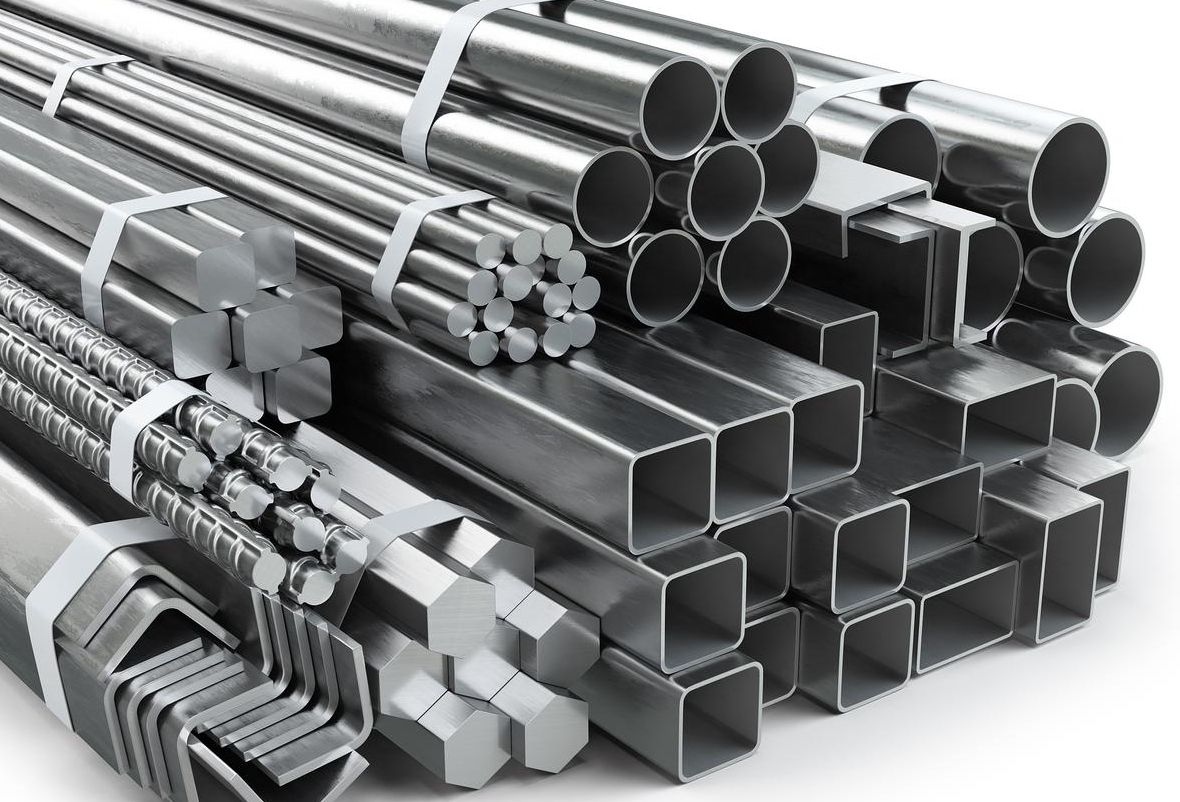
The Different Types of Stainless Steel and Their Magnetic Properties
There are five main families of stainless steel: austenitic, ferritic, martensitic, duplex, and precipitation-hardening stainless steels. To truly understand is stainless steel magnetic, one must analyze these categories individually.
1. Austenitic Stainless Steel
Austenitic stainless steels are the most widely used type and include grades like 304 and 316. These steels have high chromium and nickel content, which stabilizes the austenitic structure at all temperatures.
Magnetic properties?
Typically, austenitic stainless steels are non-magnetic in their annealed (softened) state. However, they may become slightly magnetic when cold-worked due to the transformation of some austenite to martensite.
So, in general, if someone asks, is stainless steel magnetic and they are referring to 304 or 316, the answer is not usually, but there can be exceptions based on the treatment the steel has undergone.
2. Ferritic Stainless Steel
Ferritic stainless steels, such as grades 409 and 430, have a body-centered cubic (BCC) crystal structure. They contain chromium but little to no nickel.
Magnetic properties?
Yes, ferritic stainless steels are magnetic. If you have a magnet and are testing stainless steel, and it sticks strongly, it’s likely a ferritic grade.
3. Martensitic Stainless Steel
Martensitic grades like 410 and 420 are known for their hardness and strength.
Magnetic properties?
Yes, martensitic stainless steels are magnetic, often more so than ferritic steels. This is due to their body-centered tetragonal (BCT) structure.
4. Duplex Stainless Steel
Duplex steels combine the properties of austenitic and ferritic steels and have a mixed microstructure.
Magnetic properties?
Yes, duplex stainless steels are typically magnetic, although the strength of magnetism may vary depending on the composition and treatment.
5. Precipitation-Hardening Stainless Steel
These are high-strength materials used in aerospace and other high-performance applications.
Magnetic properties?
Most precipitation-hardening stainless steels are magnetic due to their martensitic structures.
Why Does Magnetism Matter in Stainless Steel?
The question “Is stainless steel magnetic?” isn’t just academic; it has practical implications.
In Manufacturing
Understanding whether a stainless steel is magnetic affects how it can be machined, welded, or formed. It also impacts how it's detected in automated sorting systems and during quality inspections.
In Medical and Electronics Industries
Magnetic stainless steels can interfere with sensitive equipment such as MRI machines or high-frequency circuits. Therefore, non-magnetic austenitic steels are often required.
In Construction and Architecture
When used in structures, the magnetic properties of stainless steel affect how it interacts with other materials, especially if magnetic locking systems or fixtures are used.
Testing Stainless Steel for Magnetism
If you're unsure and ask, is stainless steel magnetic, a simple magnet test might suffice. Here's how you can test it:
-
Use a small magnet (like a refrigerator magnet).
-
Hold it against the surface of the stainless steel item.
-
If it sticks strongly, the steel is likely ferritic or martensitic.
-
If it barely sticks or doesn’t stick at all, it’s likely austenitic.
Caveat: Cold working or welding can affect magnetic properties. For example, 304 stainless steel may show slight magnetism after being bent or hammered.
Can Non-Magnetic Stainless Steel Become Magnetic?
Yes, and this is an essential part of understanding is stainless steel magnetic. Even non-magnetic stainless steels like 304 can become partially magnetic when subjected to mechanical stress or deformation.
This is due to the formation of martensite—a magnetic phase—as a result of strain-induced phase transformation.
Frequently Asked Questions (FAQs)
Q1: Is stainless steel magnetic after welding?
Yes, austenitic stainless steels can become magnetic in the weld zone due to the formation of ferrite or martensite during cooling.
Q2: Can you magnetize stainless steel permanently?
Yes, if it contains enough martensite or ferrite. However, austenitic stainless steels generally do not retain permanent magnetism.
Q3: Is 304 stainless steel magnetic?
304 stainless steel is generally not magnetic, but it can become slightly magnetic when cold worked.
Q4: Is 316 stainless steel magnetic?
316 is also an austenitic stainless steel and is not magnetic in most cases, but again, cold working can introduce slight magnetism.
Industry Applications and Considerations
Different industries choose stainless steel based on the answer to is stainless steel magnetic for several reasons:
-
Food & Beverage: 304 or 316 for corrosion resistance and non-magnetic properties.
-
Medical Devices: Non-magnetic grades like 316L to avoid interference.
-
Automotive: Magnetic grades for structural support and ease of detection.
-
Electronics: Non-magnetic steel to avoid electromagnetic interference (EMI).
Is stainless steel magnetic? Learn about its properties and applications in industrial, automotive, and machinery fields. Discover how stainless steel ensures durability and performance.
The final answer to the question "Is stainless steel magnetic?" is: It depends on the type.
-
Austenitic stainless steels (e.g., 304, 316) are generally non-magnetic but can become slightly magnetic after cold work.
-
Ferritic and martensitic stainless steels are magnetic.
-
Duplex and precipitation-hardening stainless steels usually have magnetic properties.
Understanding this helps in selecting the right material for the right application—whether it’s for a medical implant, kitchen appliance, or structural support.
What Is 316 Stainless Steel
How To Polish Stainless Steel
Related Article