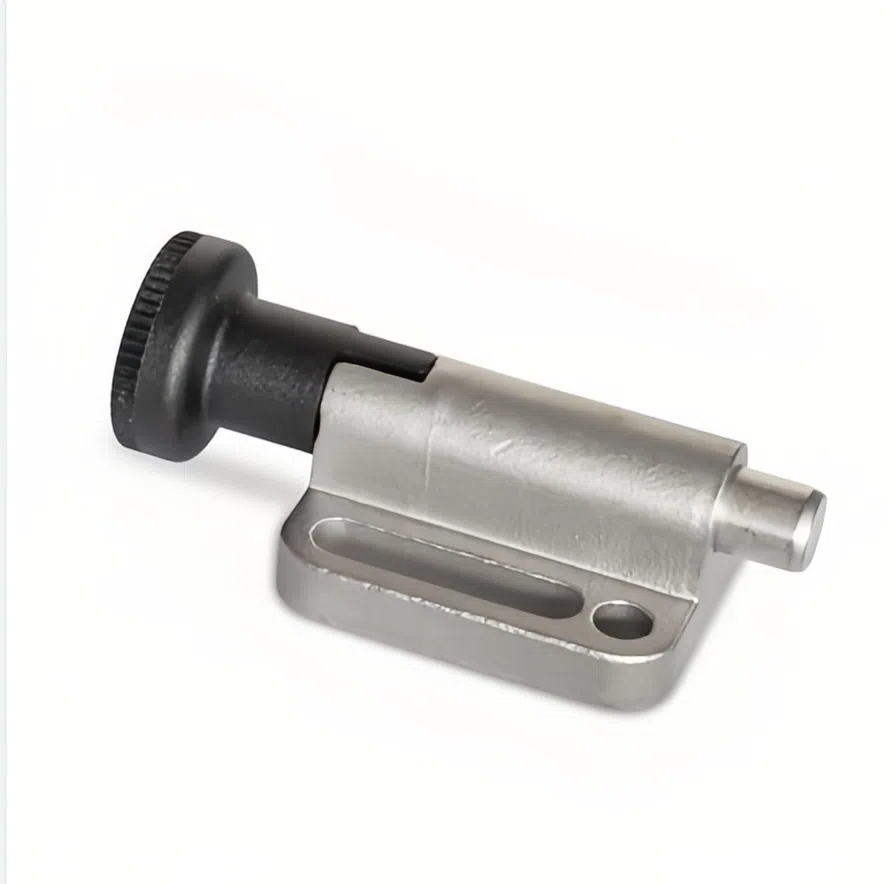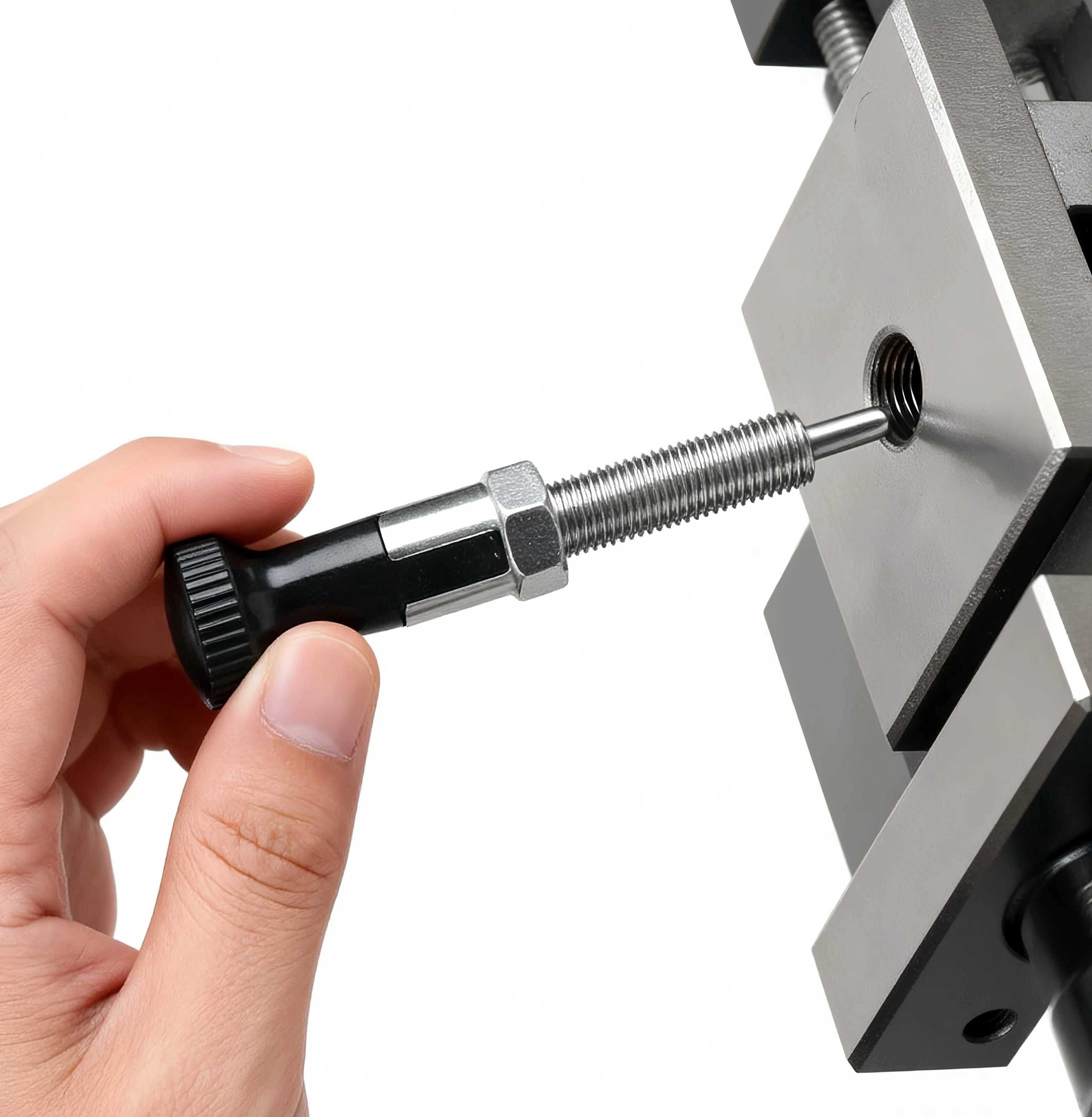
Precise Positioning and Reliable Locking: Indexing Plungers Play a Central Role in Car Seat Adjustment Systems
author: Fiona Yang
2025-10-21
Precise Positioning and Reliable Locking: Indexing Plungers Play a Central Role in Car Seat Adjustment Systems
Table of Contents
--------------Engineering Comfort and Safety Through Precision Mechanics
The Critical Need for Intuitive Adjustment in Modern Vehicles
Today's automotive interiors prioritize personalized comfort and ergonomic support, with the seat serving as the primary interface between driver and vehicle. A fundamental requirement exists for an adjustment mechanism that delivers both intuitive operation and unwavering reliability. The system must maintain secure positioning under constant vibration and dynamic loads while allowing effortless reconfiguration to accommodate different drivers and driving positions.
Today's automotive interiors prioritize personalized comfort and ergonomic support, with the seat serving as the primary interface between driver and vehicle. A fundamental requirement exists for an adjustment mechanism that delivers both intuitive operation and unwavering reliability. The system must maintain secure positioning under constant vibration and dynamic loads while allowing effortless reconfiguration to accommodate different drivers and driving positions.
The Indexing Plunger's Precision Locking Function
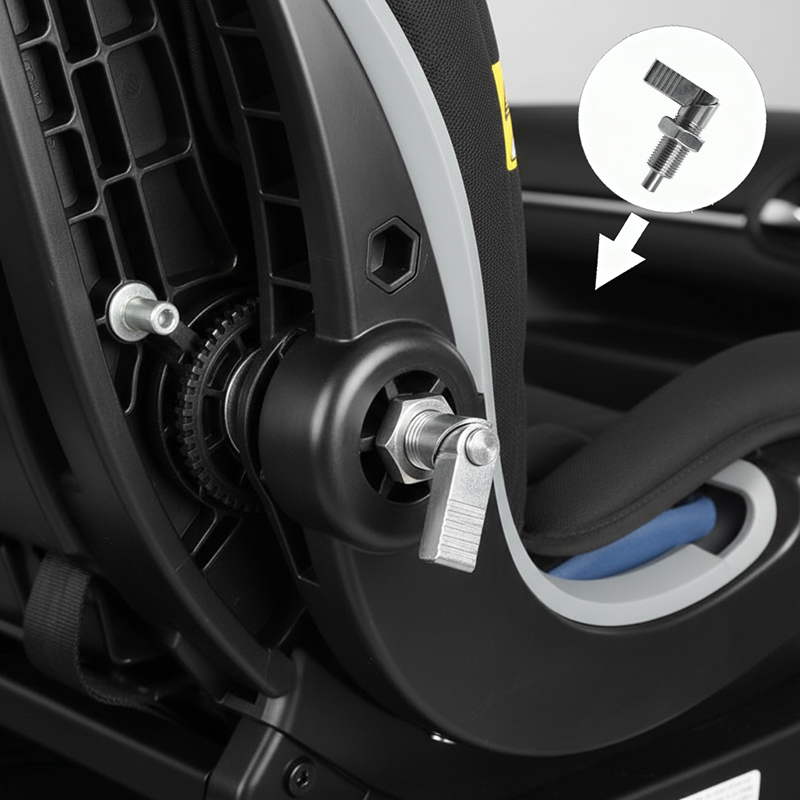
The indexing plunger meets this dual challenge through its spring-loaded ball or pin mechanism. When the seat adjustment lever is activated, the plunger retracts, disengaging from a series of precision-drilled holes or detents in a mounting plate or rail. Releasing the lever allows the spring to drive the plunger forward, automatically locking into the next available position with an audible and tactile "click." This provides positive engagement that is inherently resistant to vibration-induced loosening, ensuring the seat remains securely locked in place until the next intentional adjustment.
The indexing plunger meets this dual challenge through its spring-loaded ball or pin mechanism. When the seat adjustment lever is activated, the plunger retracts, disengaging from a series of precision-drilled holes or detents in a mounting plate or rail. Releasing the lever allows the spring to drive the plunger forward, automatically locking into the next available position with an audible and tactile "click." This provides positive engagement that is inherently resistant to vibration-induced loosening, ensuring the seat remains securely locked in place until the next intentional adjustment.
Application in Automotive Seat Systems
Integrated into the seat's framework, indexing plungers enable multiple critical adjustments:
Integrated into the seat's framework, indexing plungers enable multiple critical adjustments:
-
Fore-Aft Slide Positioning: Providing discrete, secure locking points along the seat rail system, preventing unintended movement during acceleration or braking.
-
Seat Back Recline Control: Delivering positive angular locking for the seat back, a critical safety feature that maintains support during normal driving and in the event of a collision.
-
Height and Lumbar Adjustment: Enabling precise, incremental changes to seat height and lower back support, allowing drivers to fine-tune their seating position for optimal comfort and control.

FAQ
Question 1:
How does the indexing plunger design prevent the seat from shifting or rattling on bumpy roads?
Answer:
Its spring provides constant pressure, forcing the ball or pin firmly into its detent. This creates a positive mechanical lock that road vibrations cannot overcome.
How does the indexing plunger design prevent the seat from shifting or rattling on bumpy roads?
Answer:
Its spring provides constant pressure, forcing the ball or pin firmly into its detent. This creates a positive mechanical lock that road vibrations cannot overcome.
Question 2:
What materials ensure long-term reliability over thousands of adjustment cycles?
Answer:
Plunger bodies are typically made from hardened steel or durable polymers, with precision-ground balls and corrosion-resistant springs, all engineered for a long service life.
What materials ensure long-term reliability over thousands of adjustment cycles?
Answer:
Plunger bodies are typically made from hardened steel or durable polymers, with precision-ground balls and corrosion-resistant springs, all engineered for a long service life.
Question 3:
What differentiates an indexing plunger from a simple spring plunger in this application?
Answer:
While both use springs, an indexing plunger is specifically designed to engage a series of detents for positional control, whereas a standard spring plunger is primarily for applying continuous pressure.
How To Use Spring Loaded Index Plunger
What Is Ball Lock System
Related Article
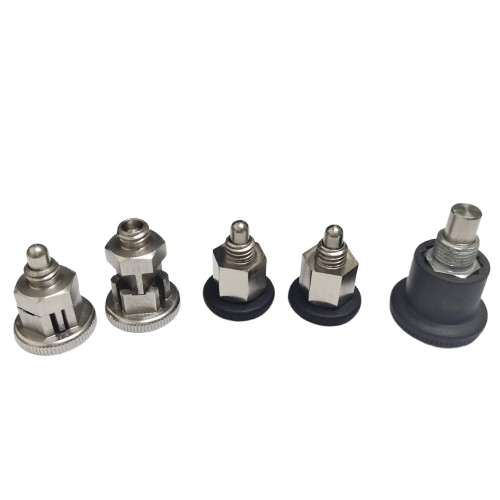
Explore the application of stainless steel materials for customizing mini indexing plungers based on specific operational environments and suitable spaces.
How To Make A Mini Indexing Plunger
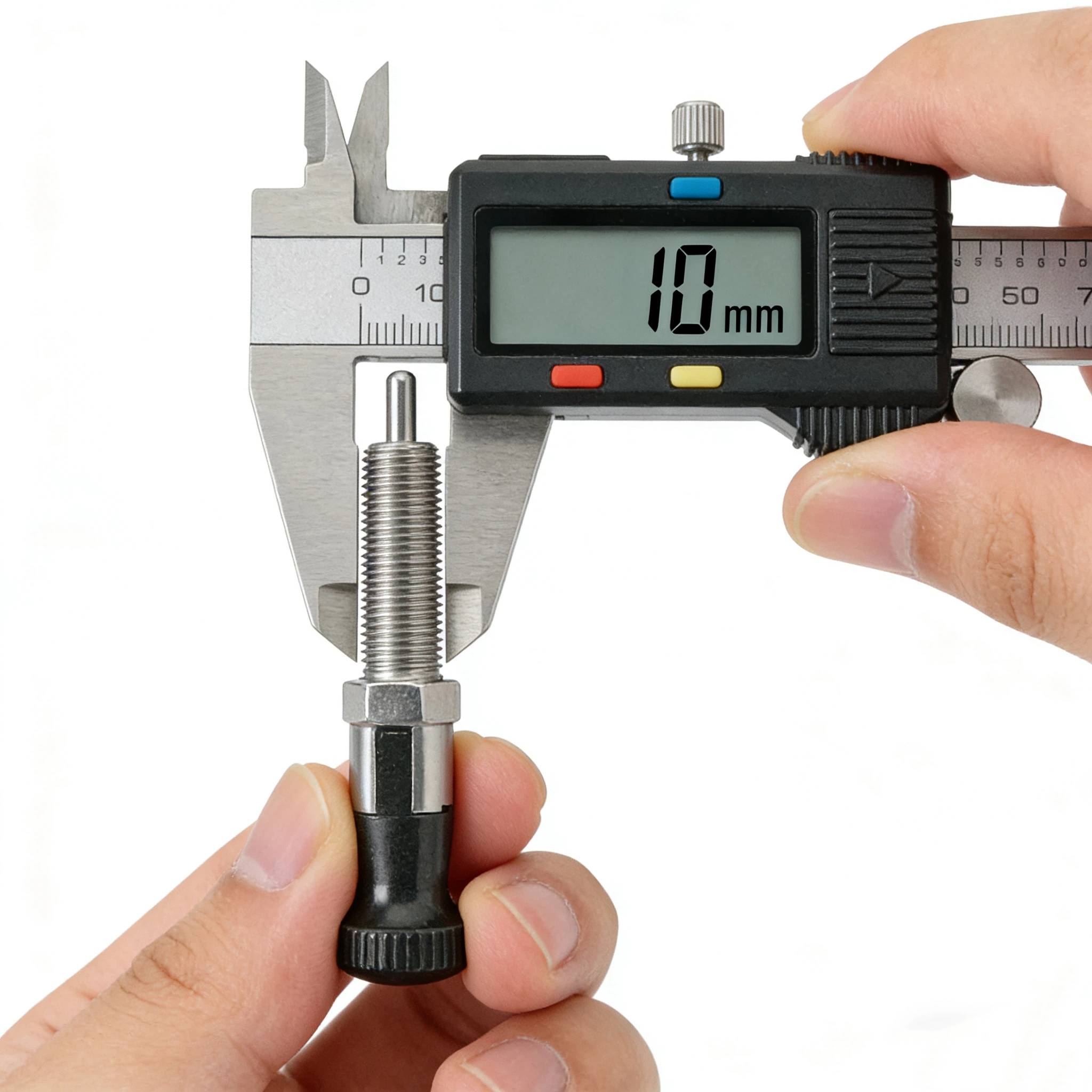
Discover how to choose correct size for indexing elements with confidence. Get precise recommendations that improve positioning accuracy, durability, and overall system performance.
How To Choose Correct Size For Indexing Elements