Quick Release Ball Lock Pins Revolutionize Cart Design: Delivering Unprecedented Modularity and Efficiency
author: Fiona Yang
2025-11-10
Quick Release Ball Lock Pins Revolutionize Cart Design: Delivering Unprecedented Modularity and Efficiency
Table of Contents
--------------Engineering Instant Adaptability for Demanding Workflows
The Evolving Demands of Modern Material Handling
From warehouse floors to agricultural fields, the humble cart remains a cornerstone of material transport. Yet, traditional carts with bolted or welded components are inherently rigid, struggling to adapt to the dynamic needs of modern logistics and trades. The industry requires a solution that enables rapid reconfiguration—converting a flatbed into a shelved unit or swapping sides for easy loading—without compromising structural integrity or requiring specialized tools.
From warehouse floors to agricultural fields, the humble cart remains a cornerstone of material transport. Yet, traditional carts with bolted or welded components are inherently rigid, struggling to adapt to the dynamic needs of modern logistics and trades. The industry requires a solution that enables rapid reconfiguration—converting a flatbed into a shelved unit or swapping sides for easy loading—without compromising structural integrity or requiring specialized tools.
The Quick Release Ball Lock Pin's Instant Connection System
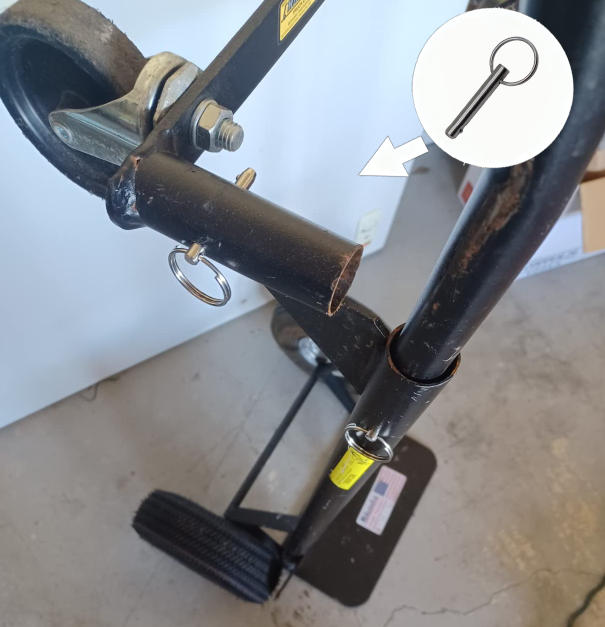
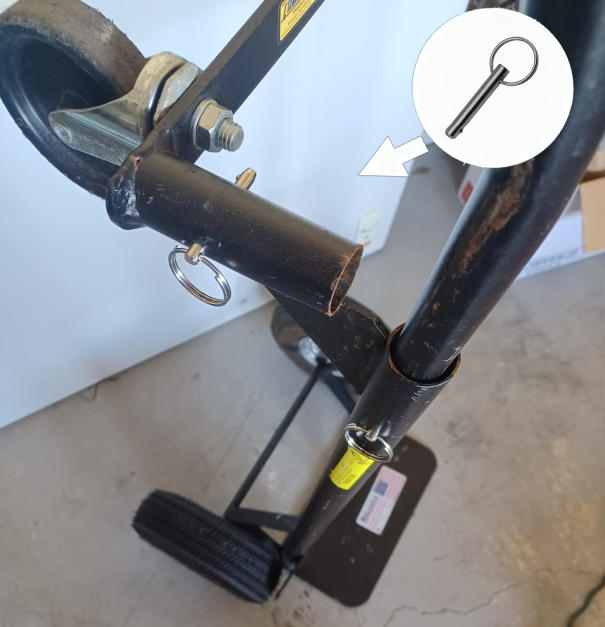
The quick release ball lock pin is the key to this transformation. It combines the secure, spring-loaded ball locking mechanism with a single-action release function. A simple pull of the ring retracts the balls, allowing the pin to be inserted or removed instantly. When released, the balls snap outward, creating a positive, vibration-resistant lock within a pre-drilled hole. This provides a tool-free, robust connection that can be operated with one hand, even while wearing gloves.
The quick release ball lock pin is the key to this transformation. It combines the secure, spring-loaded ball locking mechanism with a single-action release function. A simple pull of the ring retracts the balls, allowing the pin to be inserted or removed instantly. When released, the balls snap outward, creating a positive, vibration-resistant lock within a pre-drilled hole. This provides a tool-free, robust connection that can be operated with one hand, even while wearing gloves.
Application in Next-Generation Cart Systems
This technology is being integrated into cart design to create truly modular systems:
This technology is being integrated into cart design to create truly modular systems:
-
Configurable Side Panels: Users can instantly add or remove side walls and end gates to convert a cart from a flatbed to a contained box, adapting it for different load types throughout the day.
-
Adjustable Shelving: Shelves can be repositioned at various heights in seconds to accommodate items of different sizes, maximizing space utilization and organizational efficiency.
-
Tool and Accessory Mounting: Specialized holders for tools, fire extinguishers, or utility bins can be securely mounted to the cart's frame and just as quickly relocated or removed as tasks change.
FAQ
Question 1:
How does the ball lock pin prevent the cart from coming apart during movement over rough surfaces?
Answer:
The spring force keeps the balls permanently engaged against the wall of the mounting hole. This creates a mechanical lock that is highly resistant to the vibrations and jolts experienced during transport, preventing accidental disassembly.
Question 2:
What materials are these pins made from to withstand industrial or outdoor use?
Answer:
They are typically constructed from high-tensile strength alloy steel or corrosion-resistant stainless steel, often with a durable zinc-plated or black oxide finish to resist wear, impact, and environmental degradation.
Question 3:
What maintenance do these pins require in a high-frequency environment?
Answer:
Maintenance is minimal. A periodic visual inspection for damage and a light application of lubricant to the spring mechanism will ensure smooth, reliable operation over thousands of cycles.
What maintenance do these pins require in a high-frequency environment?
Answer:
Maintenance is minimal. A periodic visual inspection for damage and a light application of lubricant to the spring mechanism will ensure smooth, reliable operation over thousands of cycles.
Use Cases Of Ball Detent Pin
How To Choose The Best Material For Ball Lock Pin
Related Article
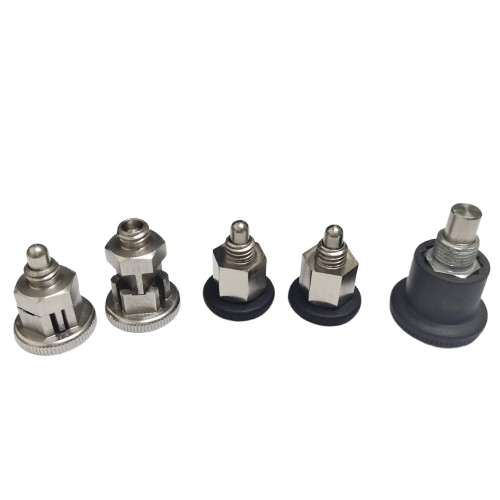
Explore the application of stainless steel materials for customizing mini indexing plungers based on specific operational environments and suitable spaces.
How To Make A Mini Indexing Plunger
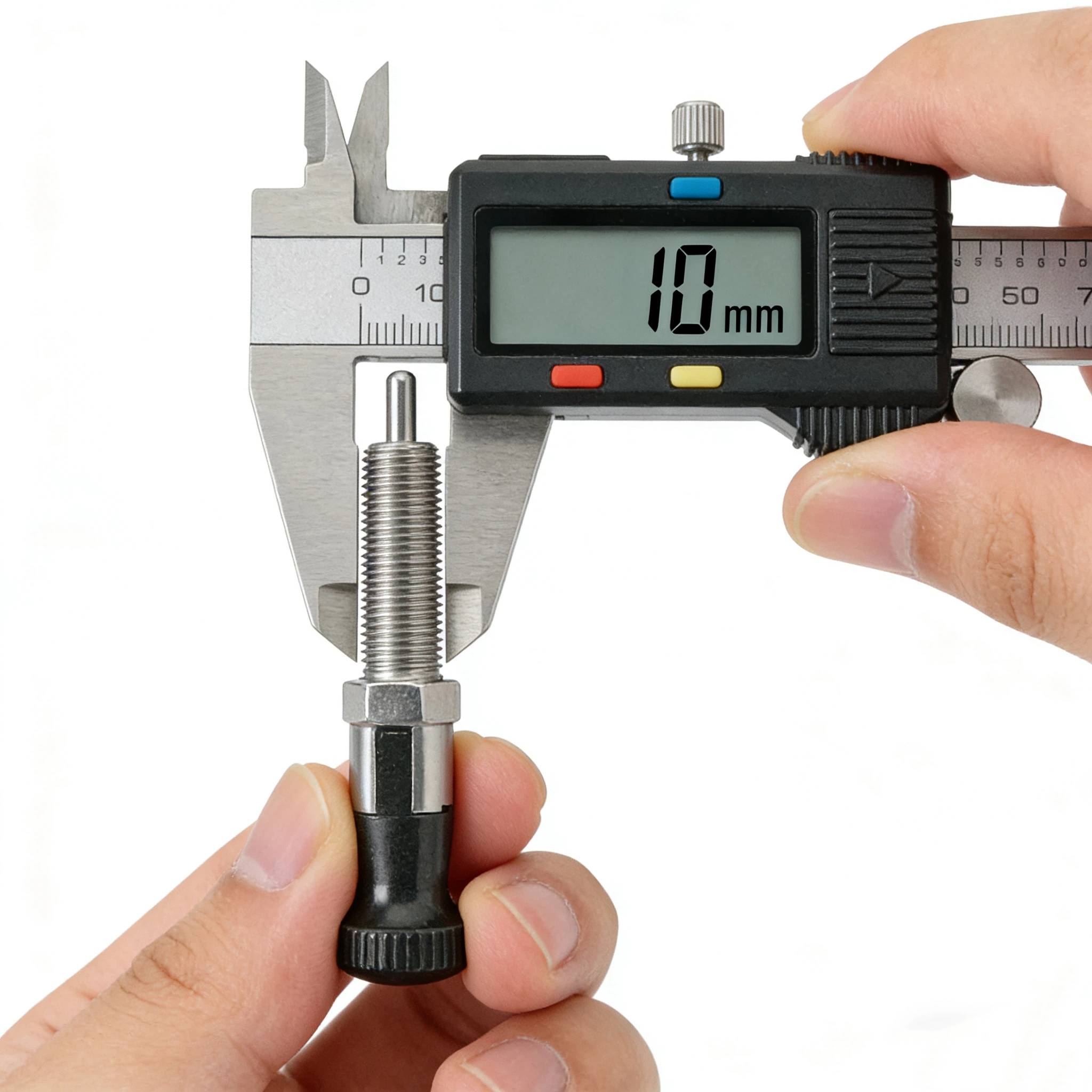
Discover how to choose correct size for indexing elements with confidence. Get precise recommendations that improve positioning accuracy, durability, and overall system performance.
How To Choose Correct Size For Indexing Elements